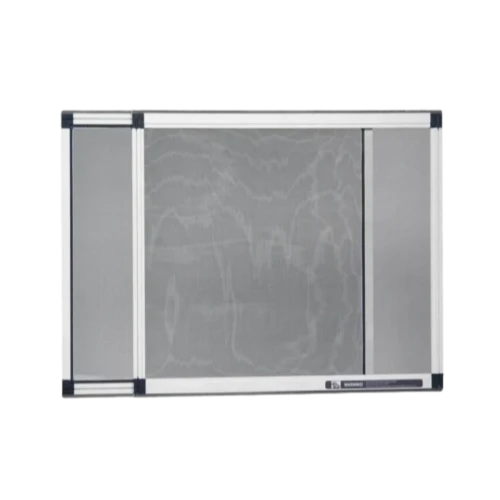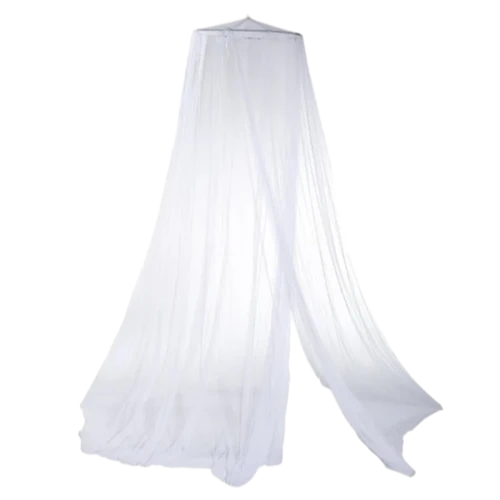
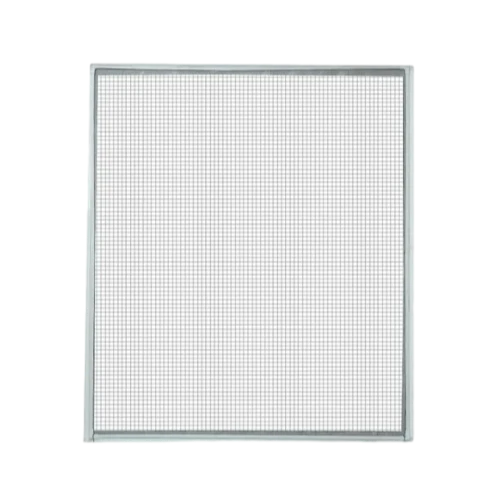
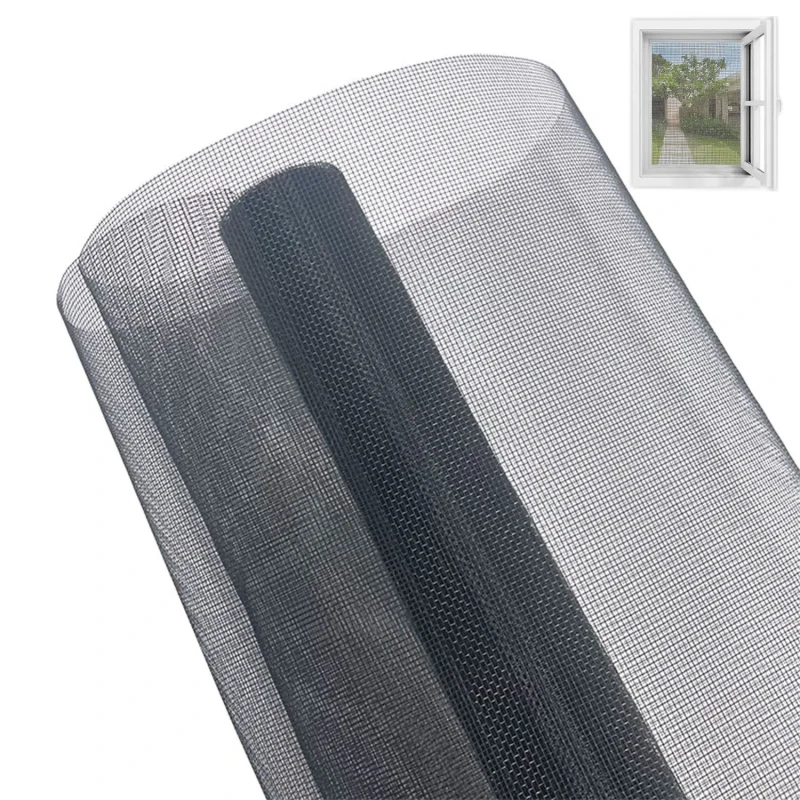
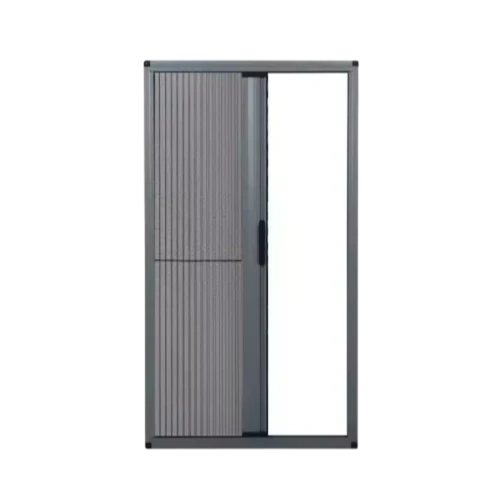
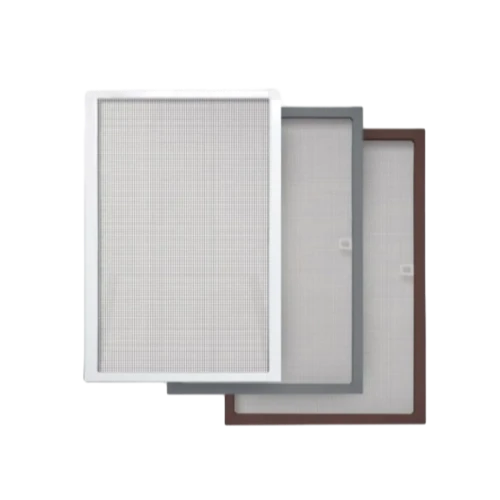
Advanced insect bed net Solutions for Bolivia

Engineering high-durability plastic mesh systems to combat tropical insect threats across the Bolivian highlands and lowlands.

Advanced insect bed net Solutions for Bolivia

Providing high-density polyethylene (HDPE) and reinforced plastic mesh solutions tailored for the unique environmental challenges of the Bolivian climate.

The Current Landscape of Bed Netting in Bolivia

Analyzing the intersection of geography and plastic mesh demand in South America's heartland.

In Bolivia, the demand for a reliable fly net for bed is driven by the extreme contrast between the humid Amazonian lowlands (Llanos) and the arid Altiplano. In the tropical east, the proliferation of disease-carrying insects makes high-quality plastic mesh a necessity for public health and daily comfort.

Currently, the market is shifting from basic cotton nets to advanced non-metallic mineral polymer products. These synthetic plastics offer superior resistance to humidity and mold, which are prevalent in cities like Santa Cruz, ensuring that a family size mosquito net remains structurally sound over years of use.

However, the challenge remains in balancing airflow with mesh density. Bolivian consumers require products that block micro-insects without trapping heat, leading to a surge in demand for precision-engineered plastic wire mesh that optimizes ventilation while maintaining a strict physical barrier.
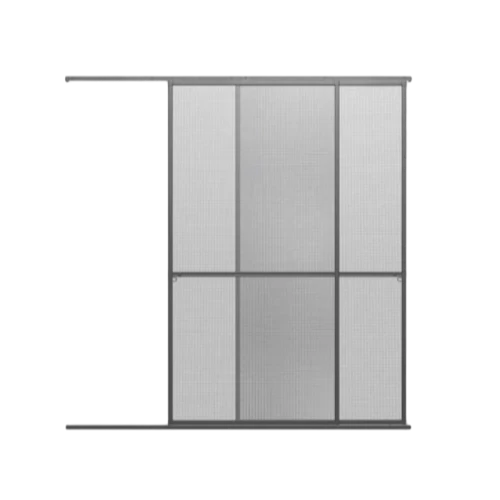
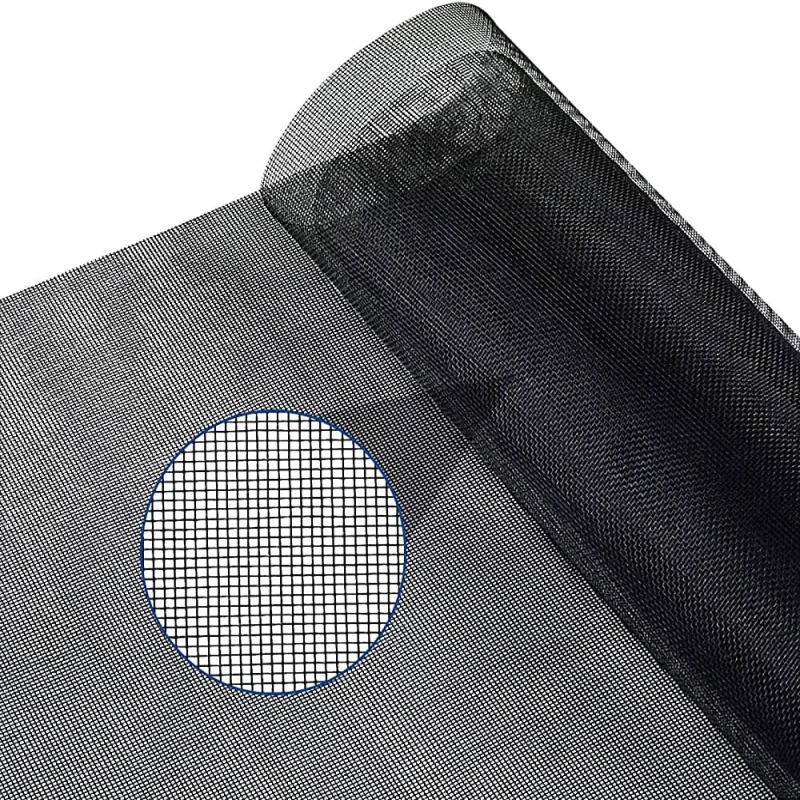
Evolution of Plastic Mesh Technology in Bolivia

From traditional textiles to high-performance polymer engineering.

Market Development History

Between 1990 and 2005, the Bolivian market relied heavily on imported coarse textiles. These materials lacked the precision of modern plastics, often allowing smaller insects to penetrate the weave, making the search for an effective insect net bed difficult for rural populations.

From 2006 to 2015, the introduction of extruded HDPE (High-Density Polyethylene) revolutionized the industry. Manufacturers began producing fly nets for beds with consistent aperture sizes, significantly increasing the efficacy of insect barriers in tropical regions.

Since 2016, the focus has shifted toward UV-stabilized polymers. Given the high altitude of the Bolivian Andes, plastic products are prone to rapid degradation from solar radiation; the integration of UV inhibitors has extended the lifespan of bed nets from 2 years to over 5 years.

Future Development Trends

Biodegradable Polymer Integration

Integrating eco-friendly plastic compounds to reduce the environmental footprint in the Amazon basin while maintaining structural rigidity.

Nano-Mesh Precision

Developing ultra-fine plastic filaments that allow maximum oxygen flow but block the smallest species of nocturnal flies.

Smart-Coated Repellents

The fusion of long-lasting insecticidal nets (LLINs) with reinforced plastic frameworks for enhanced durability and protection.

Future Trends in Non-Metallic Bedding Barriers

Strategic forecasting for the plastic mesh industry in the Bolivian market.

UV-Stabilized Polymers
Adapting plastic mesh to withstand high-altitude radiation in the Altiplano region.
High-Density Weaving
Using advanced extrusion to create smaller apertures for total insect exclusion.
Anti-Tear Plastic Fibers
Implementing rip-stop plastic technology to prevent large holes in family-sized nets.
Eco-Polymer Sourcing
Transitioning to recycled non-metallic minerals to support Bolivia's green initiatives.

Industry Outlook

Based on Google search trends for "insect protection" in South America, there is a growing preference for durable, washable plastic mesh over disposable options. We expect a 15% CAGR in the demand for reinforced fly nets for beds in the Bolivian market over the next three years.

The future of the industry lies in the specialization of mesh sizes. As urban centers like La Paz expand, there is an increasing need for architectural-grade plastic netting that integrates seamlessly into modern bedroom designs while providing industrial-strength protection.

Localized Application Scenarios in Bolivia

Practical deployment of plastic netting across diverse Bolivian terrains.

1. Amazonian Lowland Residential Protection

Deploying high-density family size mosquito net systems in Santa Cruz to protect families from malaria-carrying mosquitoes in humid environments.

2. Altiplano High-Altitude Guest Houses

Installing UV-resistant insect bed net solutions in tourist lodges near Lake Titicaca to prevent degradation from intense solar radiation.

3. Rural Healthcare Clinics in Beni

Utilizing industrial-grade plastic mesh for patient beds to ensure a sterile, insect-free environment in remote medical outposts.

4. Urban Apartment Integration in La Paz

Custom-fitted plastic fly netting for modern bed frames, focusing on aesthetic integration and micro-insect filtration for city dwellers.

5. Agricultural Staff Housing in the Chaco

Providing reinforced, tear-resistant netting for workers' quarters to ensure restful sleep in insect-dense farming regions.

Brand Story

Global Development History of Shijiazhuang Congrun Technology Co., Ltd.

Founding Vision

Established with a mission to replace fragile traditional netting with high-performance non-metallic plastic minerals for global health.

Material Innovation

Developed a proprietary HDPE extrusion process that eliminated weave inconsistencies, creating the gold standard for bed netting.

South American Expansion

Strategically entered the Bolivian market by adapting mesh density to combat specific local insect species and climatic extremes.

Quality Certification

Achieved international ISO standards for polymer durability, ensuring our products withstand the harshest environmental stressors.

Sustainability Pivot

Leading the industry toward circular economy practices by developing 100% recyclable plastic mesh solutions.

Comprehensive Bedding Protection Portfolio for Bolivia

A full range of non-metallic mineral plastic netting designed for every Bolivian household.

Bolivia Bed Netting FAQ

Expert answers to common questions regarding plastic mesh applications in Bolivia.

What is the best material for a family size mosquito net in humid regions?

High-Density Polyethylene (HDPE) is recommended as it is naturally hydrophobic, preventing mold and mildew growth in the humid lowlands of Bolivia.

How do I choose the right fly net for bed based on mesh size?

Check the aperture size; for tropical insects, a mesh size of 1.2mm to 1.5mm provides the ideal balance between ventilation and protection.

Are fly nets for beds durable enough for high-altitude UV exposure?

Yes, provided they are UV-stabilized. Our plastic mesh includes additives that prevent the polymer from becoming brittle under the strong Andean sun.

Can an insect bed net be washed without losing its shape?

Our non-metallic plastic mesh is designed for durability; it can be washed with mild soap and water without stretching or distorting the weave.

Which insect net bed is most suitable for large family beds?

We recommend reinforced HDPE nets with wide-span dimensions and reinforced edge stitching to prevent sagging and tears.

How does plastic mesh compare to cotton for bed protection?

Plastic mesh is more durable, easier to clean, and provides a more consistent barrier against micro-insects compared to traditional cotton weaves.

Partner With the Mesh Experts

Ready to upgrade your protection systems? Contact our engineering team for customized plastic mesh solutions delivered across Bolivia.

Contact Us Now

If you are interested in our products, you can choose to leave your information here, and we will be in touch with you shortly.