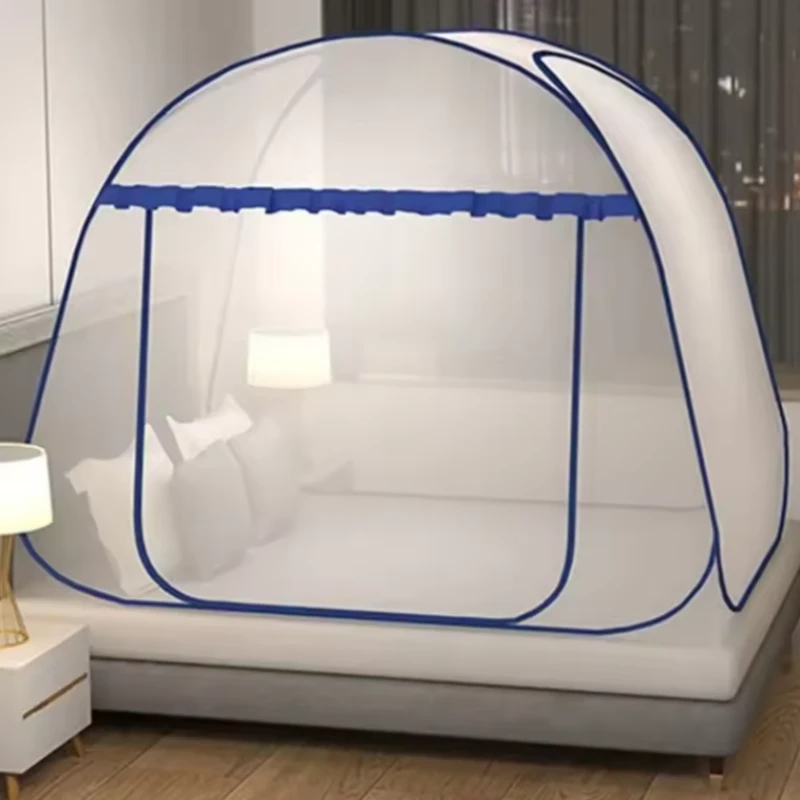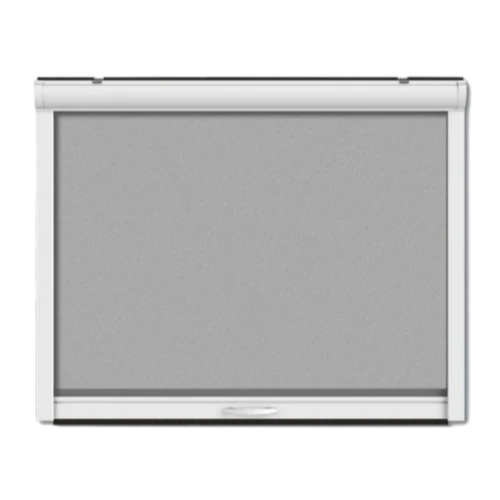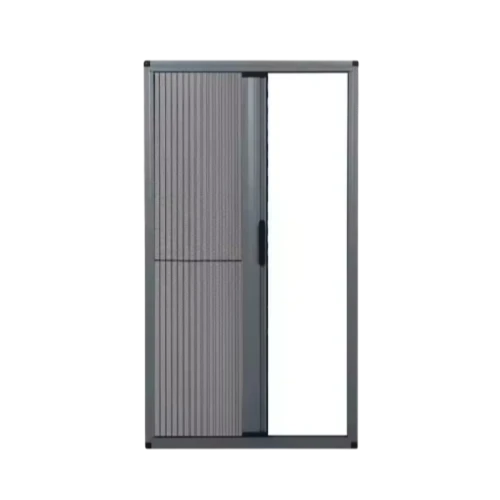
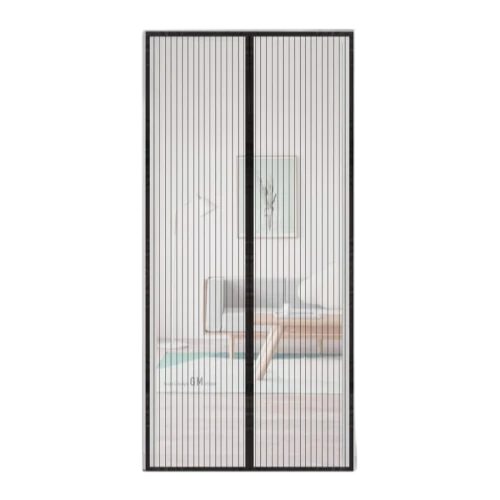
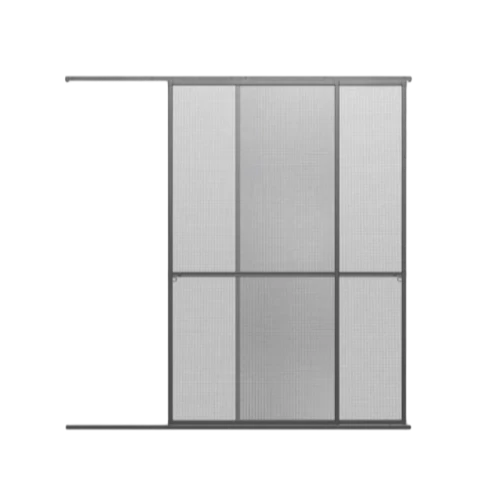
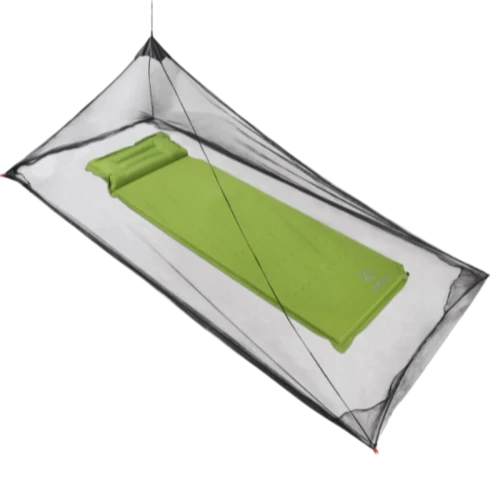
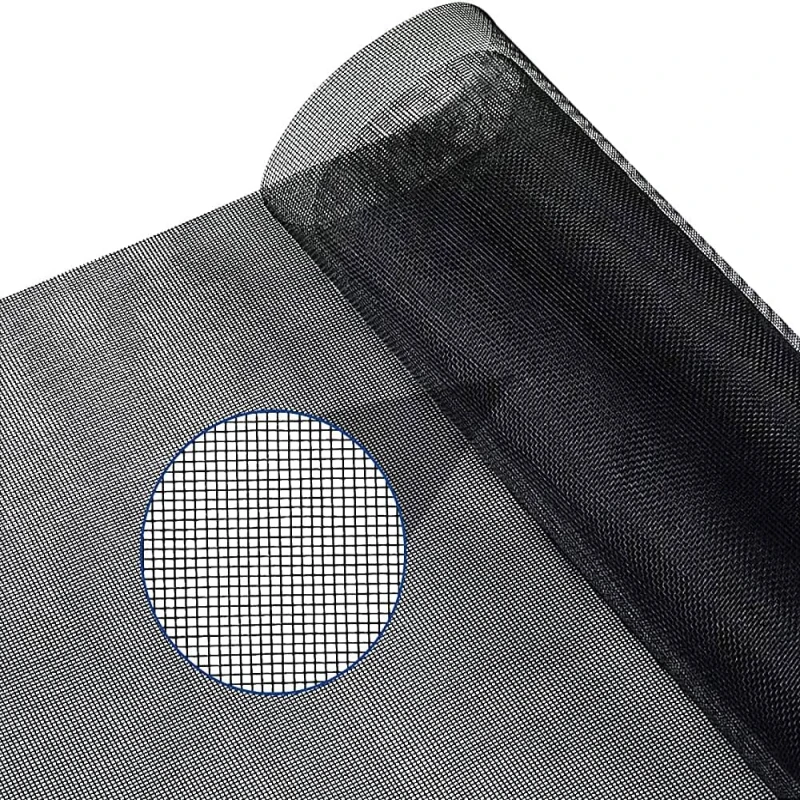
Algeria's diverse geography, ranging from the Mediterranean coast to the vast Sahara, creates various ecological niches where insects thrive. In coastal and humid regions, the prevalence of flying pests often disrupts sleep and health, making a high-quality insect bed net an essential household item rather than a luxury. The local market requires materials that can withstand temperature fluctuations and maintain structural integrity over long-term use.
Modern consumers in Algeria are increasingly seeking a family size mosquito net that balances protective density with breathability. As urban centers expand and housing styles evolve from traditional cottages to high-rise apartments, the demand for versatile, easy-to-install fly nets for beds has grown. There is a clear shift toward synthetic fibers that offer better resistance to humidity and easier maintenance compared to traditional fabrics.
From an industrial perspective, the transition toward high-strength plastic and aluminum-plastic composites reflects a broader regional trend toward durable construction. For those investing in home safety, selecting an insect net bed solution involves weighing the trade-off between mesh fineness and ventilation. This evolution is driving manufacturers to adopt European certifications to guarantee non-toxicity and environmental safety for Algerian families.