

Sep . 09, 2025 23:00 Back to list
Durable Fixed Screen Doors | Permanent Insect Protection
Optimizing Environments with Advanced Fixed Screen Door Solutions
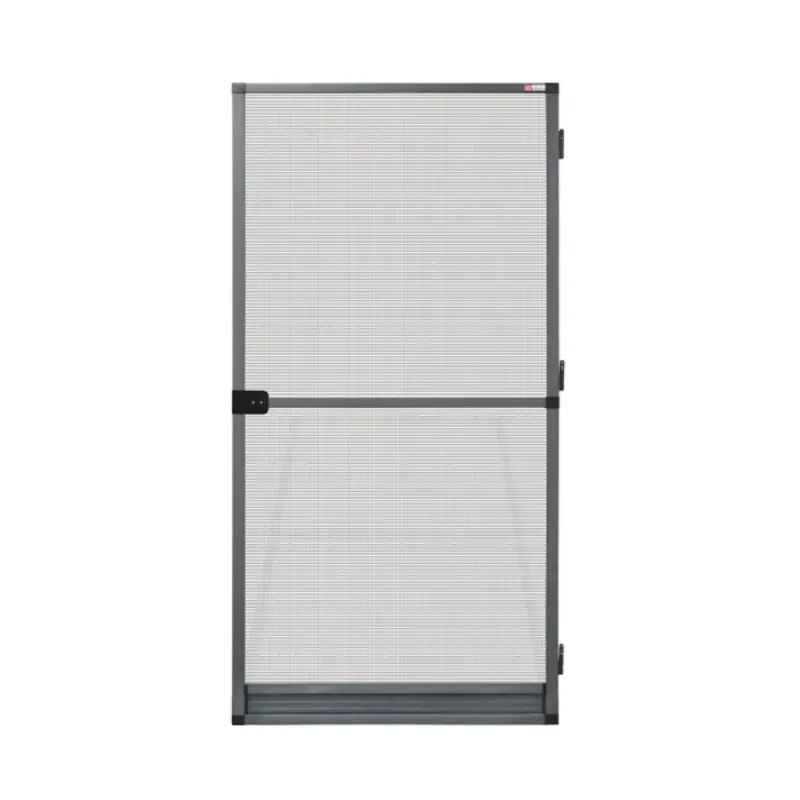
In industrial, commercial, and high-end residential applications, the integration of robust and aesthetically pleasing pest control solutions is paramount. The fixed screen door represents a critical component in maintaining hygienic, safe, and comfortable environments while allowing for natural ventilation. These engineered barriers are designed not merely as deterrents but as integral parts of a building's envelope, offering unparalleled durability, precise fitment, and long-term performance against insects, debris, and other airborne particulates. Our focus today delves into the technical intricacies, application diversity, and strategic advantages that modern fixed screen doors provide, ensuring optimal operational efficiency and occupant well-being across a multitude of demanding sectors.
Industry Trends in Advanced Fixed Screen Door Technology
The market for insect screening solutions is continually evolving, driven by advancements in material science, architectural demands for seamless integration, and increasing regulatory pressure for public health and safety. Key trends impacting the design and deployment of fixed screen door systems include:
- Sustainable Materials & Longevity: A growing emphasis on eco-friendly and recycled content, coupled with a demand for materials that offer extended service life and resistance to environmental degradation. Alloys like marine-grade stainless steel and powder-coated aluminum are increasingly specified for their corrosion resistance and minimal environmental impact. This ensures that a fixed screen door not only performs but also aligns with corporate sustainability goals.
- Enhanced Mesh Technologies: Innovations in mesh materials, including finer weaves for protection against smaller insects (e.g., no-see-ums), anti-microbial coatings, and high-tensile meshes for improved security without compromising airflow. Materials such as PVC-coated fiberglass, stainless steel, and even bronze are being optimized for clarity, UV stability, and durability in various applications, particularly as fixed door fly screens.
- Integration with Smart Building Systems: While traditionally passive, the potential for fixed screens to integrate with smart building systems for environmental monitoring (e.g., air quality sensors behind screens) or even automated cleaning mechanisms is being explored for high-tech commercial facilities, enhancing their utility beyond simple pest control.
- Aesthetic Versatility: A greater demand for screen doors that complement modern architectural designs, offering slim profiles, concealed fixings, and custom color matching to blend seamlessly with existing facades and interior aesthetics. This is particularly important for high-end commercial and residential projects.
- Regulatory Compliance & Health Standards: Increasing stringency in health and safety regulations, particularly in food processing, pharmaceutical, and healthcare sectors, drives the adoption of screens that meet specific hygienic standards and pest control efficacy, acting as essential elements of a robust mosquito door frame strategy.
Technical Specifications of Advanced Fixed Screen Doors
The performance and longevity of a fixed screen door are directly attributable to its meticulously engineered specifications. These parameters define its structural integrity, resistance to environmental factors, and overall effectiveness as a barrier.
Key Material Components and Their Properties:
- Frame Material: Typically extruded aluminum (6063-T5 alloy) or stainless steel (304 or 316 grade). Aluminum offers excellent strength-to-weight ratio and corrosion resistance with various finishing options (powder coating, anodizing). Stainless steel provides superior strength, extreme corrosion resistance, and hygienic properties, critical for specific industrial applications like food processing or pharmaceutical facilities.
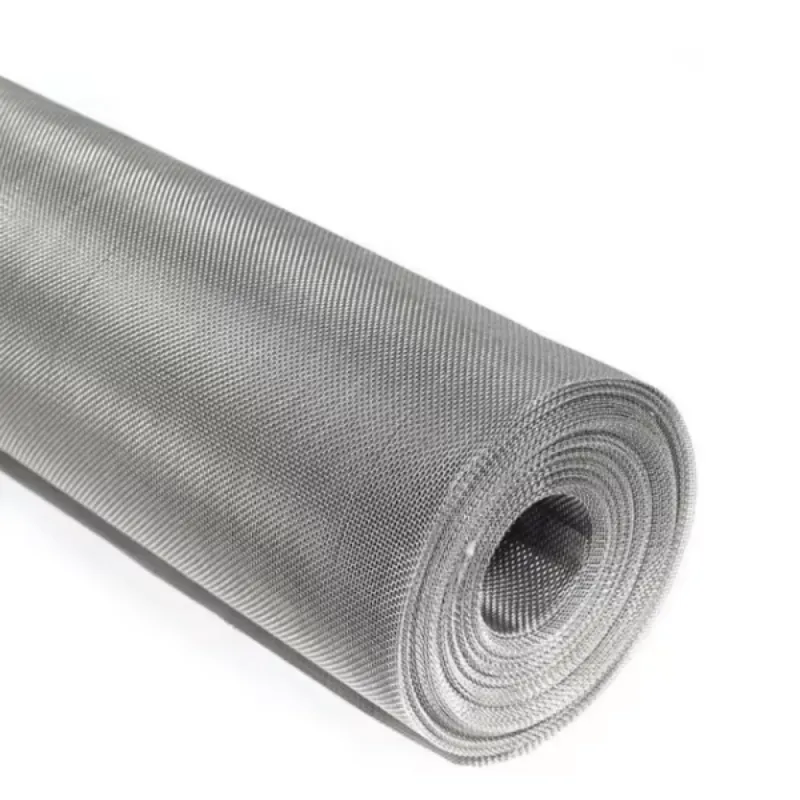
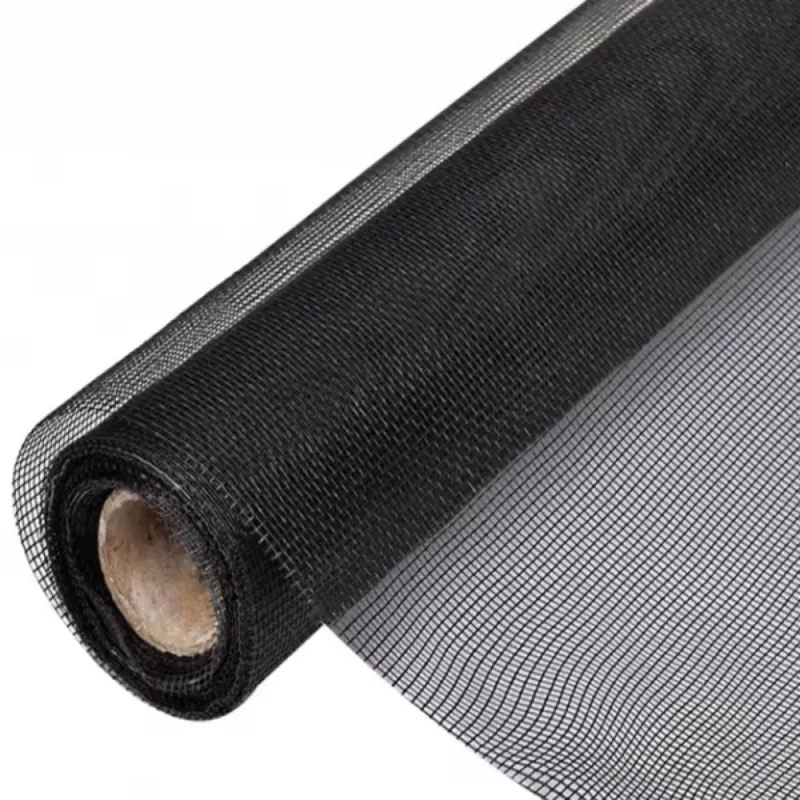
- Mesh Material: Options include fiberglass (PVC-coated for UV resistance and durability), stainless steel (for high strength, corrosion resistance, and fire rating), aluminum, and bronze. Mesh count and wire diameter are crucial for determining airflow, visibility, and insect exclusion capabilities. For instance, a 18x16 mesh is standard for common mosquitos, while a 20x20 mesh is preferred for gnats, 'no-see-ums', or enhanced particulate filtration.
- Hardware: Stainless steel fasteners, heavy-duty hinges (if applicable for fixed-panel-with-hinge designs), and secure locking mechanisms ensure long-term functionality and security, preventing rust and wear in demanding environments.
Typical Product Specification Table:
Manufacturing Process: Crafting the High-Performance Fixed Screen Door
The production of a durable and precise fixed screen door involves a rigorous, multi-stage manufacturing process, leveraging advanced techniques to ensure adherence to stringent technical specifications and quality standards. This process often includes a combination of cutting-edge machinery and skilled craftsmanship, critical for delivering a high-quality product suitable for demanding B2B applications.
Schematic Process Flow:
Step 1: Design & Engineering (CAD/CAM)
- Client consultation for custom dimensions, materials, and specific performance criteria, including environmental resistance and aesthetic integration.
- Detailed CAD (Computer-Aided Design) drawings and CAM (Computer-Aided Manufacturing) specifications are generated, ensuring compatibility with existing structures and compliance with industry standards (e.g., precise tolerances for tight seals).
Step 2: Material Selection & Preparation
- Selection of high-grade aluminum extrusions (e.g., 6063-T5) or stainless steel profiles (e.g., SS304/SS316) based on specified corrosion resistance, tensile strength, and environmental exposure.
- Mesh material (PVC-coated fiberglass, stainless steel, aluminum) is chosen for appropriate weave, aperture, and durability to function as effective fixed door fly screens.
Step 3: Precision Cutting & Machining
- Automated CNC machining and precision saws cut frame profiles to exact dimensions, including complex mitered joints for seamless, structurally sound corners.
- Drilling, tapping, and routing of frame components are performed by automated CNC machines to accommodate hardware and assembly mechanisms with high repeatability and accuracy, crucial for dimensional consistency across multiple units.
Step 4: Frame Assembly & Finishing
- Frame components are assembled using robust corner keys or precision-welded joints (for stainless steel), ensuring superior structural rigidity and longevity.
- Surface treatment: Aluminum frames undergo multi-stage pre-treatment (cleaning, etching, chromate conversion) followed by electrostatic powder coating (for enhanced durability and aesthetic finish) or anodizing (for superior abrasion and corrosion resistance). Stainless steel frames are often meticulously brushed or polished to achieve the desired surface quality.
Step 5: Mesh Integration
- The chosen mesh material is carefully cut to precise dimensions, often with automated cutting systems to prevent fraying and ensure accuracy.
- It is then securely tensioned and splined into the frame's channels using specialized rolling tools and durable vinyl or rubber spline material, creating a taut, uniform surface free of wrinkles and bulges, which is critical for the aesthetic and functional performance of the mosquito door frame.
Step 6: Hardware Installation & Final Assembly
- All specified hardware, such as hinges, handles, and locking mechanisms, are installed using corrosion-resistant fasteners (typically stainless steel) and calibrated tools to ensure smooth operation and long-term reliability.
Step 7: Quality Control & Testing
- Each fixed screen door undergoes rigorous multi-point inspection to verify dimensional accuracy (measured to +/- 1mm tolerance), frame integrity, mesh tension, finish quality, and hardware functionality.
- Compliance with relevant testing standards such as ISO 9001:2015 (Quality Management), ASTM (for material properties and performance), and sometimes specific environmental testing (e.g., salt spray tests for marine environments per ASTM B117) is meticulously checked. This ensures the product meets the specified service life of 10-20 years or more, offering robust corrosion resistance and energy saving advantages.
Step 8: Packaging & Shipping
- Products are securely packaged using protective materials and custom crating to prevent damage during transit, ready for deployment to target industries like petrochemical, metallurgy, and water supply & drainage facilities.
Application Scenarios and Target Industries for Fixed Screen Doors
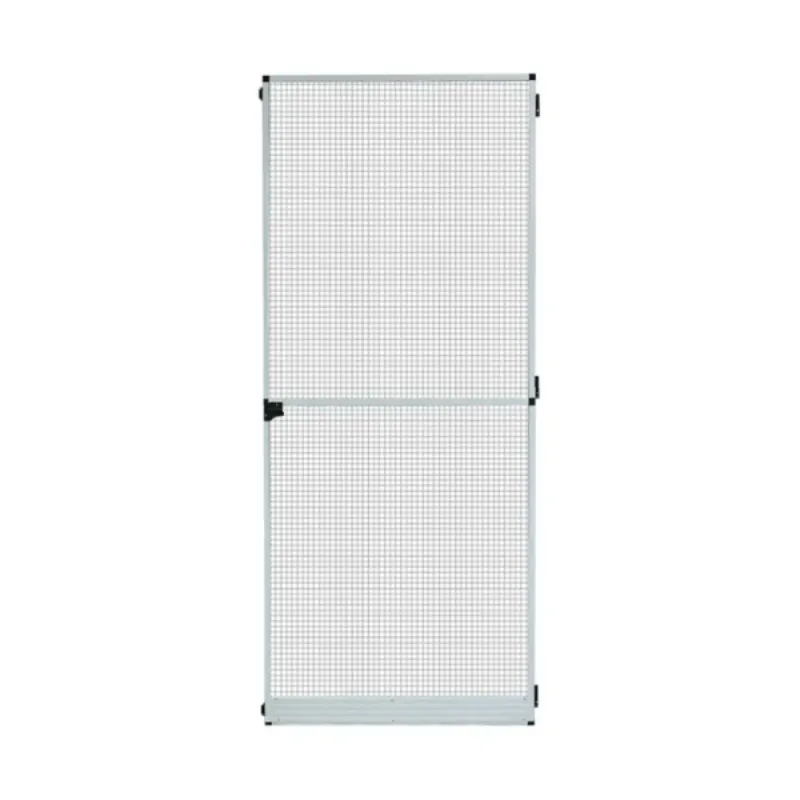
The versatility and robust nature of fixed screen door solutions make them indispensable across a wide spectrum of industries and application environments where pest control, ventilation, and security are critical. From heavy industrial complexes to specialized commercial facilities, their benefits are manifold, addressing specific operational demands.
Key Target Industries and Applications:
- Petrochemical and Chemical Processing Plants: In these environments, insect ingress can interfere with sensitive operations, compromise product purity, or pose health risks to personnel. Stainless steel fixed screen doors offer excellent corrosion resistance against harsh chemical atmospheres and provide durable fixed door fly screens for control rooms, laboratories, and administrative buildings, ensuring critical infrastructure protection.
- Metallurgy and Heavy Manufacturing: Foundries, steel mills, and fabrication plants benefit from fixed screen doors by allowing essential ventilation to dissipate intense heat and noxious fumes while preventing the entry of insects, birds, and larger debris that could impact sensitive machinery or compromise product quality. Their robust construction can withstand the demanding, high-impact conditions of these sectors.
- Water Supply & Drainage Facilities: Pump stations, water treatment plants, and utility buildings require secure and continuous ventilation. Fixed screen doors prevent insects, rodents, and other small animals from entering critical infrastructure, which is vital for maintaining operational integrity, preventing equipment damage, and upholding public health standards.
- Food Processing and Pharmaceutical Industries: These sectors have zero-tolerance policies for pests due to strict hygiene and regulatory requirements. Fixed screen doors with fine mesh (e.g., 20x20 or 30x30 stainless steel) are crucial for maintaining sterile environments, preventing contamination, and complying with stringent regulatory bodies like FDA and HACCP. They serve as essential mosquito door frame solutions for hygiene-critical zones and production areas.
- Commercial Kitchens and Hospitality: Restaurants, hotels, and catering facilities rely on effective pest control to maintain reputation, comply with health codes, and ensure customer satisfaction. Fixed screen doors on back entrances, loading docks, and kitchen areas are essential for facilitating ventilation while keeping insects out of food preparation zones.
- Healthcare and Educational Institutions: Hospitals, clinics, laboratories, and schools utilize these screens to provide fresh air and natural light without compromising patient health or creating distractions from pests. Custom sizing and secure installations are common requirements to fit diverse architectural openings.
- High-End Residential and Architectural Projects: For luxury homes, condominiums, and modern architectural buildings, fixed screen doors offer an elegant and unobtrusive solution for seamless indoor-outdoor living, providing effective pest protection without detracting from sophisticated design aesthetics.
Technical Advantages: Why Choose a High-Performance Fixed Screen Door?
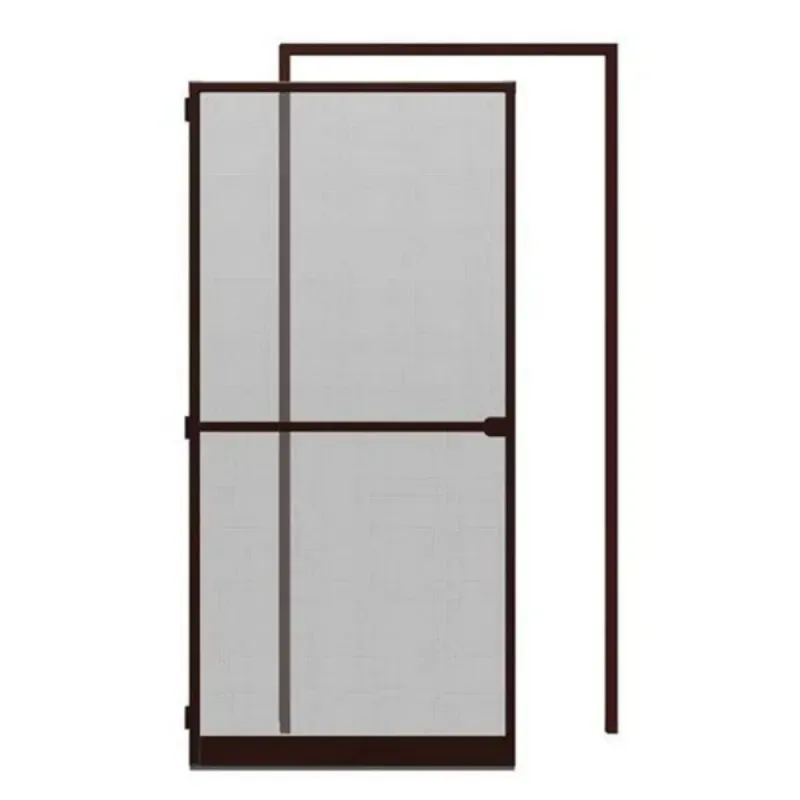
Investing in a professionally engineered fixed screen door yields a multitude of technical and operational advantages over conventional or inferior screening solutions. These benefits contribute directly to improved facility performance, reduced operational costs, and enhanced occupant comfort and safety, proving their value as a long-term asset.
- Superior Pest Exclusion: Precision-engineered frames and high-quality mesh provide an impenetrable barrier against all types of insects, including the smallest gnats, mosquitos, and other flying pests, crucial for environments requiring strict hygiene. This is the primary function of any robust mosquito door frame, protecting critical areas from biological contamination.
- Exceptional Durability and Longevity: Constructed from robust materials like industrial-grade aluminum or stainless steel, these doors are designed to withstand harsh industrial conditions, extreme weather, and constant use. Their inherent resistance to warping, bending, and material deterioration ensures a service life often exceeding 15-20 years, significantly minimizing the need for frequent replacements and associated labor costs.
- Corrosion Resistance: For applications in coastal areas, chemical plants, or environments with high humidity and corrosive atmospheres, materials like marine-grade anodized aluminum and SS316 stainless steel offer exceptional resistance to rust, oxidation, and chemical degradation. This preserves structural integrity and aesthetic appeal over extended periods, making them ideal fixed door fly screens.
- Enhanced Ventilation and Air Quality: By allowing natural airflow, fixed screen doors facilitate efficient air exchange within facilities, effectively reducing the reliance on energy-intensive mechanical ventilation and air conditioning systems. This directly contributes to improved indoor air quality by exhausting stale air and bringing in fresh air, also assisting in dissipating heat, fumes, and odors from industrial processes.
- Energy Saving Potential: Maximizing natural ventilation and passive cooling through high-airflow screens significantly reduces the electrical load on HVAC systems, leading to substantial energy savings, particularly in climates where ambient temperatures allow for passive cooling for much of the year. This directly translates to lower operational expenditure.
- Low Maintenance Requirements: The high-quality materials and durable finishes used in professional fixed screen doors require minimal maintenance, typically limited to periodic cleaning. This reduces operational overheads and ensures continuous optimal performance without significant labor input.
- Security and Safety: While primarily designed for pest control, the robust frame construction and strong, high-tensile mesh (especially stainless steel mesh) offer an additional layer of security against unauthorized entry or accidental impact, enhancing the overall safety profile of a facility.

Vendor Comparison: Selecting the Right Fixed Screen Door Partner
When procuring fixed screen door solutions, especially for critical B2B applications, selecting the right vendor is as important as the product itself. A comprehensive evaluation based on technical capabilities, quality assurance, and service commitment is essential to ensure long-term value and operational reliability. Below is a comparative overview of key factors to consider:
Key Vendor Comparison Criteria:
A leading provider excels not only in product quality but also in offering comprehensive support from conceptualization to post-installation, which is crucial for complex industrial or architectural projects. Their expertise in materials and manufacturing processes ensures that the fixed door fly screens meet demanding operational requirements without compromise, providing superior ROI.
Customized Solutions for Unique Requirements
While standard fixed screen door configurations serve many applications, specialized projects often demand bespoke solutions. Leading manufacturers understand that 'one-size-fits-all' rarely applies to complex industrial or architectural specifications. Customization ensures perfect fit, optimal performance, and seamless integration with existing structures and operational protocols, critical for maintaining efficiency and compliance.
Areas of Customization:
- Dimensional Accuracy: Fabrication of custom widths and heights to precisely fit non-standard or irregular architectural openings, minimizing gaps and ensuring maximum pest exclusion and aesthetic harmony. This includes precise measurement services.
- Material Selection: Choice of frame and mesh materials tailored specifically to environmental stressors (e.g., highly corrosive atmospheres, extreme temperatures, marine environments). This includes specifying specialized aluminum alloys (e.g., 6061-T6 for higher structural strength), advanced stainless steel grades (e.g., Duplex stainless steel for even greater corrosion resistance), or specialized mesh types (e.g., bronze mesh for aesthetics, hardened steel for enhanced security, or fine micron mesh for dust filtration).
- Finish Options: A broad palette of RAL powder coating colors for exact aesthetic matching to corporate branding or architectural schemes, along with various anodized finishes (e.g., clear, bronze, black) or specialized brushed/polished stainless steel treatments for a desired architectural look and enhanced surface durability.
- Integrated Features: Incorporation of specific functional components such as secure access panels, specialized locking mechanisms (e.g., magnetic locks, keyless entry), heavy-duty kick plates for high-traffic or impact-prone areas, or seamless integration with existing building management and alarm systems.
- Performance Enhancements: Designing for specific engineering requirements such as extreme wind load resistance (e.g., hurricane zones), adherence to specific fire ratings, or incorporation of sound attenuation properties where noise reduction is a critical factor. This often involves specialized frame reinforcements, multi-layered mesh designs, or unique sealing strategies.
Engaging with a manufacturer that possesses strong engineering and fabrication capabilities ensures that even the most challenging project requirements for fixed door fly screens can be met with precision and confidence, delivering a solution that is both highly functional and perfectly integrated.
Real-World Application Case Studies
The effectiveness and reliability of fixed screen door solutions are best demonstrated through successful real-world deployments. These case studies highlight their capability to solve complex challenges in diverse operational environments, providing tangible benefits and long-term value.
Case Study 1: Large-Scale Food Production Facility
- Challenge: A major dairy processing plant in the Midwest faced persistent issues with insect ingress through loading dock and processing area doors, compromising stringent hygiene standards and risking costly product recalls. Existing retractable screens were prone to damage from material handling equipment and difficult to effectively clean and sanitize.
- Solution: We engineered, fabricated, and installed custom-sized fixed screen doors with robust SS316 stainless steel frames and 20x20 fine-mesh, specifically designed for frequent wash-down environments. These mosquito door frame systems were integrated seamlessly into existing door frames at 12 critical entry points, providing a durable, permanent, and easily cleanable barrier.
- Outcome: Within three months of installation, the facility reported a verified 95% reduction in insect presence in the screened areas, as confirmed by internal pest monitoring logs. The robust construction minimized maintenance requirements and damage incidents, and the ease of cleaning ensured ongoing compliance with strict FDA and HACCP regulations. Customer feedback highlighted significant improvements in operational hygiene, reduced risk of contamination, and enhanced worker comfort.
Case Study 2: Coastal Petrochemical Refinery
- Challenge: A large petrochemical refinery situated on the Gulf Coast required effective and continuous ventilation for its critical control rooms and administrative buildings. However, the existing mild steel window screens suffered from severe and rapid corrosion due to the highly saline air and prevalent chemical fumes, leading to frequent replacement and compromised integrity. Insects were also a persistent nuisance for personnel.
- Solution: We provided bespoke fixed screen doors and accompanying fixed window screens fabricated from heavy-gauge anodized aluminum (6063-T5 alloy, Type II Class 1 clear anodize) with durable stainless steel mesh (18x14). These systems were specifically engineered for high wind loads (rated for up to 150 mph) and maximum corrosion resistance, ensuring a long service life in extreme conditions.
- Outcome: The new fixed screen installations have performed flawlessly for over seven years with no discernible signs of corrosion, structural degradation, or mesh failure, significantly extending service life compared to previous solutions. The consistent, protected ventilation improved indoor air quality and reduced heat buildup, contributing directly to better working conditions for critical operational staff and substantially lowering maintenance costs.
Ensuring Trust: Certifications, Warranty, and Support
Trust is fundamental in B2B partnerships, especially when dealing with critical infrastructure and operational continuity. Our commitment to quality, backed by authoritative certifications and comprehensive support, ensures peace of mind for our clients. We understand that a fixed screen door is an investment in long-term operational efficiency, environmental control, and regulatory compliance.
Authoritativeness and Certifications:
- ISO 9001:2015 Certified Manufacturing: Our manufacturing facilities adhere to the highest international standards for quality management systems. This certification guarantees consistent product excellence, from initial design and material sourcing to final production and delivery.
- ASTM & ANSI Compliance: Our products are rigorously tested to meet or exceed relevant ASTM (American Society for Testing and Materials) and ANSI (American National Standards Institute) performance standards. This includes criteria for material strength, air leakage rates (e.g., ASTM E283), structural performance under specified pressure differences (e.g., ASTM E330), and general product durability, ensuring reliability for fixed door fly screens.
- Extensive Industry Expertise: With over 15 years of specialized experience in designing, manufacturing, and deploying high-performance screening solutions, we have successfully served hundreds of industrial and commercial clients globally, building an unparalleled reputation for reliability, innovation, and technical prowess.
- Trusted Partnerships: We regularly collaborate with leading architectural firms, prominent engineering consultancies, and major construction companies on significant infrastructure and facility upgrade projects, demonstrating our capability to integrate complex solutions.
Lead Time & Fulfillment:
For standard fixed screen door products, we typically maintain a lead time of 2-4 weeks from final order confirmation, depending on order volume and the extent of customization required. For complex, bespoke projects involving intricate design and specialized materials, lead times will be precisely confirmed during the initial engineering and design phases, often ranging from 6-10 weeks. Our robust global supply chain management and highly efficient, ISO-certified manufacturing processes are meticulously designed to meet stringent project deadlines reliably and consistently.
Warranty Commitments:
We stand by the superior quality and craftsmanship of our products. We provide a comprehensive 5-year warranty on all frame components and a 2-year warranty on mesh materials against manufacturing defects and premature deterioration under normal operating conditions. This robust commitment reflects our unwavering confidence in the exceptional quality and long-term longevity of our fixed screen door solutions.
Customer Support and After-Sales Service:
Our dedicated technical support team comprises highly experienced engineers and product specialists available to assist clients from the initial project inception through post-installation. We offer expert guidance on optimal product selection, provide detailed installation instructions, and deliver responsive troubleshooting. For ongoing maintenance, we furnish comprehensive recommendations and can arrange for the timely provision of spare parts as needed, ensuring the continuous, optimal performance of your fixed door fly screens and protecting your investment.
Frequently Asked Questions (FAQ)
Q: What is the typical service life expectancy of your fixed screen doors?
A: Our fixed screen door solutions, especially those constructed with high-grade aluminum or stainless steel frames and durable mesh materials, are engineered for a service life of 10-20+ years with proper installation and minimal maintenance. Actual longevity can vary based on specific environmental conditions and the chosen material specifications.
Q: Can your fixed screen doors withstand harsh industrial environments, such as chemical plants?
A: Absolutely. We specialize in providing robust screening solutions for demanding environments. We offer specific material grades like SS316 stainless steel or marine-grade anodized aluminum, along with specialized coatings, to ensure maximum corrosion resistance and durability against chemicals, high humidity, and extreme temperatures. These are ideal fixed door fly screens for such challenging settings, ensuring operational integrity.
Q: Are your fixed screen doors customizable to fit unique or non-standard architectural openings?
A: Yes, extensive customization is a core offering of our services. We provide bespoke solutions for non-standard dimensions, unique frame profiles, and specialized aesthetic or performance requirements. Our experienced engineering team works collaboratively with clients to develop precise specifications that perfectly integrate with existing structures.
Q: What mesh options are available for different pest control and airflow needs?
A: We offer a comprehensive range of mesh materials and counts: PVC-coated fiberglass (standard for mosquito and insect control), stainless steel (for superior durability, security, and fine pest control like gnats, acting as a robust mosquito door frame), and aluminum/bronze for specific aesthetic or performance requirements. Mesh counts typically range from 18x16 (standard insect) to 30x30 (fine insect/particulate control), catering to various insect sizes and ventilation needs.
Q: Do your products meet any specific health and safety certifications for sensitive environments?
A: While the doors themselves are not directly FDA or HACCP certified as a final product, their design, material selection, and manufacturing processes are meticulously chosen and implemented to support environments requiring such compliance. For example, stainless steel frames and fine-mesh options are specifically ideal for food processing and pharmaceutical facilities, contributing significantly to a compliant hygienic barrier. Our manufacturing operations are proudly ISO 9001:2015 certified, ensuring consistent quality management for every fixed screen door produced.
References
- International Organization for Standardization. ISO 9001:2015 Quality management systems – Requirements. Retrieved from iso.org
- ASTM International. Standard Test Method for Determining Rate of Air Leakage Through Exterior Windows, Curtain Walls, and Doors Under Specified Pressure Differences Across the Specimen. ASTM E283. Retrieved from astm.org
- American National Standards Institute. ANSI Standards & Certifications. Retrieved from ansi.org
- U.S. Food and Drug Administration. Current Good Manufacturing Practice (CGMP) Regulations. Retrieved from fda.gov
- HACCP Alliance. HACCP Principles & Application Guidelines. Retrieved from haccpalliance.org
Latest news
-
Best Guide to Choose a Screen Door for Sliding Door for Your Home
NewsApr.16,2026 -
The Ultimate Guide to Choosing a screen door for a sliding door
NewsApr.09,2026 -
Choosing the Perfect Patio Sliding Screen Door for Your Home
NewsApr.07,2026 -
Choosing the Best Patio Screen Door with Frame for Your Home and Lifestyle
NewsApr.04,2026 -
Comprehensive Guide to Net Sliding Door Price Factors and Options
NewsMar.31,2026 -
Enhance Your Outdoor Space with a Durable Net Sliding Door for Balcony
NewsMar.28,2026 -
Discover the Benefits of Net Door Sliding Systems for Modern Homes
NewsMar.26,2026