

Dec . 01, 2025 19:25 Back to list
Foldable Mosquito Bed Net – Portable Protection Against Mosquito-Borne Diseases
The Foldable Mosquito Bed Net: A Small Solution with Global Impact
If you told me years ago that something as humble as a foldable mosquito bed net could play such a monumental role in global health and humanitarian aid, I might have raised an eyebrow. Yet, here we are. These compact, portable nets have quietly revolutionized how we protect vulnerable populations from mosquito-borne diseases — diseases that, according to the WHO, still claim over 600,000 lives each year. Understanding these nets means appreciating a blend of thoughtful design, user-friendly tech, and global welfare. That's the kind of practical innovation that really sticks with me.
Why Foldable Mosquito Bed Nets Matter Globally
Think about it: half the world's population is at risk for malaria or dengue, both transmitted by mosquitoes that thrive in warm climates. Traditional bed nets have been around, but they’re often bulky or hard to set up, limiting their real-world usefulness, especially for displaced families, workers in remote areas, or travelers. This is exactly where the foldable mosquito bed net steps in — a lightweight, easy-to-pack, flexible defense.
According to World Bank data, investing in mosquito control correlates closely with improved economic outcomes in affected regions. So really, it’s not just a health tool, but a subtle economic accelerator too. Yet, the challenge is making these nets affordable, durable, and easy to use for millions living in very different conditions.
What Exactly Is a Foldable Mosquito Bed Net?
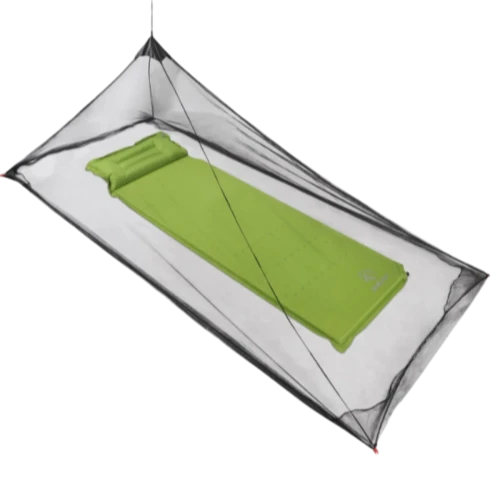
At its core, a foldable mosquito bed net is just what it sounds like: a mosquito net designed to fold into a compact size for portability and quick setup. These are usually made from fine, insect-proof mesh fabric, supported by flexible frames or rings allowing the net to “pop up” or unfold with minimal fuss. That means no fumbling with poles or complicated installations — just pop it open, tuck it under your mattress or sleeping space, and voilà, protected.
From a humanitarian perspective, these nets are invaluable. When aid workers drop into emergency zones, they need tools that pack light but serve big. I remember reading about efforts in sub-Saharan Africa, where distributing foldable nets was part of a multi-pronged malaria prevention campaign [1]. The nets aren’t flashy, but their impact is vivid.
Key Factors That Make Foldable Mosquito Bed Nets So Useful
1. Durability
Unlike fragile traditional nets, the build quality varies — but the best foldable models are made from tough, tear-resistant polyester mesh and corrosion-proof frames. They withstand frequent folding without deforming, which honestly is a huge deal when you’re traveling rough.
2. Portability
Your average foldable mosquito bed net packs down to a size similar to a large dinner plate or smaller, making it easy to sling in backpacks or even small carry-ons — especially handy if you’re trekking in malaria-prone regions or heading to campsites.
3. Ease of Setup
Most nets use a pop-up design: just unfold and position over the bed. Some even come with magnetic or hook systems so you don’t need extra hardware. Time saved means less exposure risk.
4. Ventilation and Visibility
The mesh needs to be fine enough to keep mosquitoes out but also allow air circulation. Many users note that some nets are so breathable, you can sleep comfortably in hot zones without feeling claustrophobic.
5. Cost and Sustainability
Prices vary, but the most popular foldable mosquito bed nets balance affordability with quality, keeping large-scale distribution feasible. Certain vendors now offer recyclable or biodegradable mesh — which is a promising trend for environmental impact.
Mini takeaway:
Durability, portability, ease of use, and breathability—these are the pillars that make foldable mosquito bed nets so impactful in real-world conditions.
Global Applications and Use Cases
It’s kind of fascinating how these nets thread into so many scenarios:
- Humanitarian and disaster relief: Post-flood zones in southeast Asia often face mosquito population spikes. Aid groups deploy foldable nets as part of kits for displaced families. Quick deployment here literally saves lives.
- Remote industrial and field work: Mining and forestry professionals in malaria-endemic zones rely on portable nets while sleeping on site.
- Travel and adventure tourism: Backpackers and campers value compact nets that won’t weigh them down but keep the bugs at bay overnight.
- Military and peacekeeping operations: Logistics favor foldable nets for quick setup in temporary bases in tropical areas.
Vendor Comparison: Popular Foldable Mosquito Bed Nets
| Feature | NetA | MosqFold | SafeSleep Pro |
|---|---|---|---|
| Material | Polyester Mesh | Nylon Mesh | HDPE Mesh |
| Setup Time | Less than 1 min | 60 seconds | Under 2 min |
| Packed Size (diameter) | 30 cm | 28 cm | 32 cm |
| Weight | 180 g | 175 g | 220 g |
| Price (USD) | $14.99 | $19.50 | $24.99 |
| Warranty | 1 Year | 2 Years | 2 Years |
Advantages and Long-Term Value of Foldable Mosquito Nets
It’s easy to get lost in stats, but the benefits are actually pretty human-centric. For one, these nets provide peace of mind — a basic level of safety that’s reassuring. Because many mosquito-borne illnesses can be fatal or debilitating, preventing bites means preserving dignity and well-being. There’s also a social ripple effect; families no longer need to allocate time and resources to treat preventable illnesses, boosting community productivity.
Financially, these nets are a bargain. When you consider the costs of treatments or downtime from malaria, investing in reliable prevention tools pays off quickly. Environmentally, choosing a durable and reusable foldable net reduces waste compared to disposable alternatives or chemical sprays. You can think of this as a quiet victory for sustainability in regions that often get overlooked.
Looking to the Future: Trends in Foldable Mosquito Bed Nets
Innovation isn’t stopping here. Companies are experimenting with impregnating nets with insecticides that remain effective for years, or developing foldable mosquito bed net models that incorporate solar-powered bug zappers — a sort of all-in-one defense. Lightweight, biodegradable fabrics are also gaining traction, nudging products closer to zero environmental footprint.
Digitally, some organizations use mobile apps to help track net distribution and use in rural communities, improving delivery and education. So, it’s not just the net itself transforming, but how it fits into a larger ecosystem of disease prevention and public health.
Common Challenges and How Experts Address Them
- Wear and Tear: Despite durability, nets eventually fray. Replacing or repairing programs are critical.
- Proper Usage: Some users neglect to tuck in corners properly. Training and awareness campaigns are vital.
- Initial Cost Barriers: Bulk purchasing, subsidies, and NGO partnerships help make nets affordable.
- Environmental Concerns: Experts advise cautious use of insecticide treatments to avoid ecosystem damage.
Professionals suggest that coupling foldable mosquito bed nets with other interventions—like indoor residual spraying and community education—is the most effective approach.
FAQs About Foldable Mosquito Bed Nets
- Q: How portable is a foldable mosquito bed net for long trips?
- A: Most foldable mosquito bed nets compress to about 30 cm in diameter and weigh under 250 grams, making them ideal for backpacking or travel. They fit easily in a daypack or carry-on, and set up in under two minutes.
- Q: Can foldable nets be used outdoors, like for camping?
- A: Absolutely. Many are designed with breathable mesh suitable for tents or hammocks, providing protection without restricting airflow during warm nights.
- Q: Are insecticide-treated foldable nets safe for children?
- A: When used properly, WHO-approved insecticide-treated nets are considered safe for all ages. However, supervision and user guidelines ensure safety and effectiveness.
- Q: How long do these nets typically last?
- Most quality foldable mosquito bed nets last between 2 to 5 years with normal use. Durability depends on fabric quality and frequency of folding.
- Q: Where can organizations source reliable foldable mosquito bed nets for outreach?
- Many humanitarian groups procure nets through bulk suppliers certified by global health organizations. Direct contact with manufacturers or visiting product showcases online, like foldable mosquito bed net, can also simplify sourcing.
In Conclusion: Small Nets, Big Impact
When you look at the big picture, foldable mosquito bed nets might seem like just a piece of fabric and wire. But globally, they represent hope, resilience, and careful design for serious challenges. They enable people in the most affected regions to sleep safely, travel securely, and recover with dignity. If you want to explore these life-saving nets or ensure your community benefits, visit our website: foldable mosquito bed net. It's a straightforward step toward a safer, more mosquito-free tomorrow.
References:
1. WHO Global Malaria Programme
2. World Bank Malaria Data
3. Mosquito Net - Wikipedia



Latest news
-
Best Guide to Choose a Screen Door for Sliding Door for Your Home
NewsApr.16,2026 -
The Ultimate Guide to Choosing a screen door for a sliding door
NewsApr.09,2026 -
Choosing the Perfect Patio Sliding Screen Door for Your Home
NewsApr.07,2026 -
Choosing the Best Patio Screen Door with Frame for Your Home and Lifestyle
NewsApr.04,2026 -
Comprehensive Guide to Net Sliding Door Price Factors and Options
NewsMar.31,2026 -
Enhance Your Outdoor Space with a Durable Net Sliding Door for Balcony
NewsMar.28,2026 -
Discover the Benefits of Net Door Sliding Systems for Modern Homes
NewsMar.26,2026