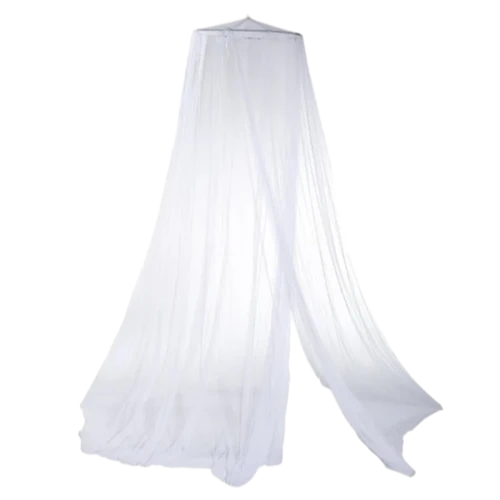
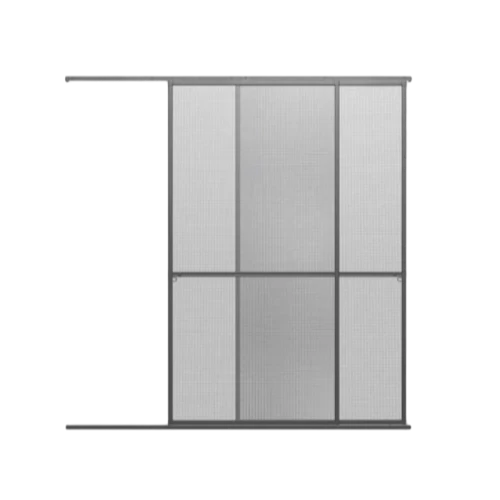

In Peru, the diversity of ecosystems—from the humid Amazon rainforest to the coastal deserts—creates a complex demand for insect protection. The prevalence of malaria and dengue in lowland areas has made the insect net bed an essential household commodity rather than a luxury item.
Currently, the market is transitioning from low-grade cotton nets to high-performance synthetic plastic polymers. Peruvian consumers are increasingly seeking a family size mosquito net that offers both breathability and rigorous durability to withstand frequent washing and high humidity.
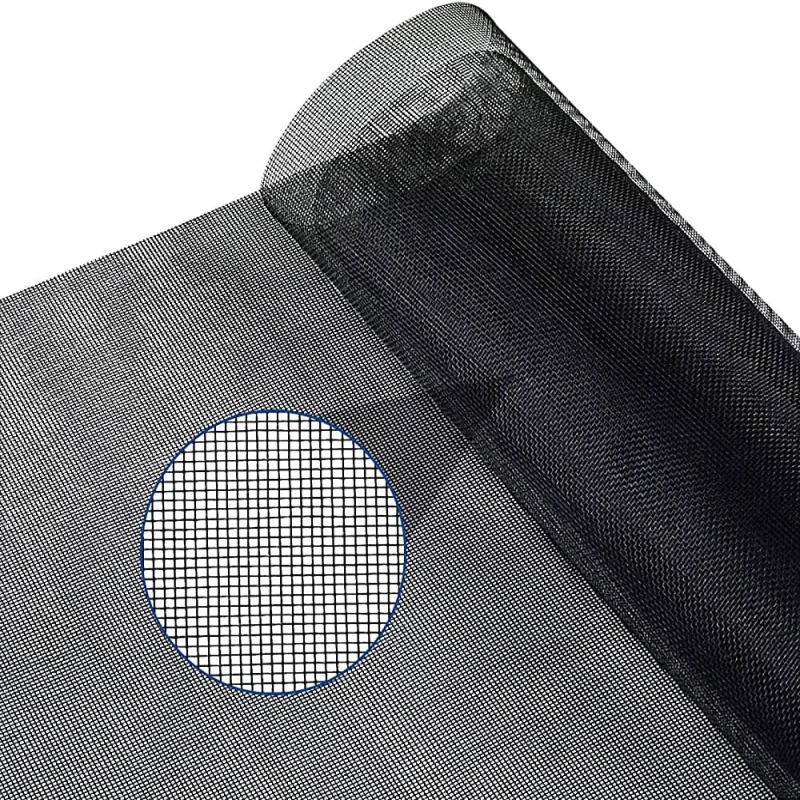
The local manufacturing sector for non-metallic mineral products is evolving, shifting toward imported precision-engineered meshes that offer smaller pore sizes to stop smaller insects while maintaining optimal airflow for the tropical heat.