Premium Protection with Insect Bed Net Solutions for Paraguay

Industrial-grade plastic mesh technology engineered to combat tropical pests and ensure healthy sleep environments across Paraguay.

Premium Protection with Insect Bed Net Solutions for Paraguay

Integrating advanced non-metallic mineral polymer technology to deliver the most durable insect bed net systems specifically designed for the humid climate of South America.

The Current State of Bed Mesh Protection in Paraguay

Analyzing the intersection of tropical geography and plastic netting demand.

Paraguay's subtropical climate, characterized by high humidity and heavy rainfall, creates an ideal breeding ground for mosquitoes and flies. In the manufacturing sector of non-metallic mineral products, there is a critical demand for a high-quality fly net for bed that can withstand these extreme environmental stressors without degrading.

Currently, the local market is transitioning from basic cotton-based nets to high-density polyethylene (HDPE) and polyester meshes. This shift is driven by the need for materials that are resistant to mold and mildew, which are prevalent in regions like the Chaco and the Eastern Paraguanian forests.

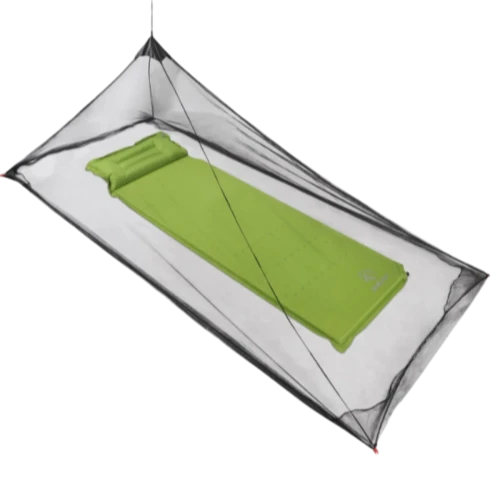
Despite the availability of basic options, there is a significant gap in the market for a professional-grade family size mosquito net that combines structural integrity with optimal airflow, forcing many local consumers to look toward specialized industrial plastic manufacturers.
Evolution and Trajectory of Plastic Bed Netting

From traditional weaving to precision polymer extrusion.

Market Development History

Historically, bed protection in Paraguay relied on heavy fabric imports. By the early 2000s, the introduction of basic synthetic plastics allowed for the first wave of affordable fly nets for beds, though these early versions lacked UV stability and tore easily under tension.

Between 2010 and 2020, the industry saw a technological leap with the adoption of melt-blown and warp-knitting techniques. This period marked the emergence of "non-metallic mineral" polymers that offered better breathability and a tighter weave, effectively blocking smaller insects while maintaining air circulation.

Today, the focus has shifted toward sustainable and reinforced plastics. The modern insect net bed is no longer just a barrier but a precision-engineered product featuring anti-tear technology and eco-friendly polymer blends.

Future Development Trends

Nano-Mesh Integration

We anticipate the integration of nano-fiber coatings that repel insects chemically without the need for toxic pesticides, enhancing safety for children.

Climate-Adaptive Polymers

Development of "smart" plastic mesh that can slightly alter its porosity based on temperature and humidity levels to optimize thermal comfort.

Biodegradable High-Strength Plastics

A shift toward PLA and other biodegradable polymers to reduce the environmental footprint in the Paraguanian countryside.

Industry Trends and Future Outlook

Strategic foresight for the plastics mesh industry in South America.

Enhanced HDPE Durability
Transitioning to high-density polymers that resist UV degradation caused by the intense Paraguayan sun.
Precision Micron Pore Control
Utilizing advanced extrusion to create a tighter mesh that blocks midges while allowing maximum airflow.
Sustainable Plastic Sourcing
Implementing recycled polymer grains to meet global ESG standards and reduce waste in the plastic industry.
Anti-Tear Structural Design
Introducing honeycomb reinforcement in the mesh weave to prevent propagation of rips in high-usage family nets.

Industry Outlook

Based on search trends and epidemiological data, the demand for an insect net bed in Paraguay is expected to grow by 15% annually. As urbanization increases in Asunción, the preference is shifting toward aesthetically pleasing but functionally superior synthetic meshes.

The convergence of non-metallic mineral science and plastic manufacturing will lead to the "Industrialization of Comfort," where the focus is not just on blocking insects, but on improving the sleep quality of the Paraguanian population through advanced material science.

Localized Application Scenarios in Paraguay

Real-world implementations of our plastic mesh solutions.

1. Rural Farmsteads in the Chaco Region

In the arid and insect-dense Chaco, our high-tensile family size mosquito net provides essential protection for large families living in traditional dwellings.

2. Eco-Tourism Lodges in the Pantanal

Luxury lodges utilize our precision-engineered mesh to ensure guests are protected from exotic insects without obstructing the panoramic views of the wetlands.

3. Urban Apartments in Asunción

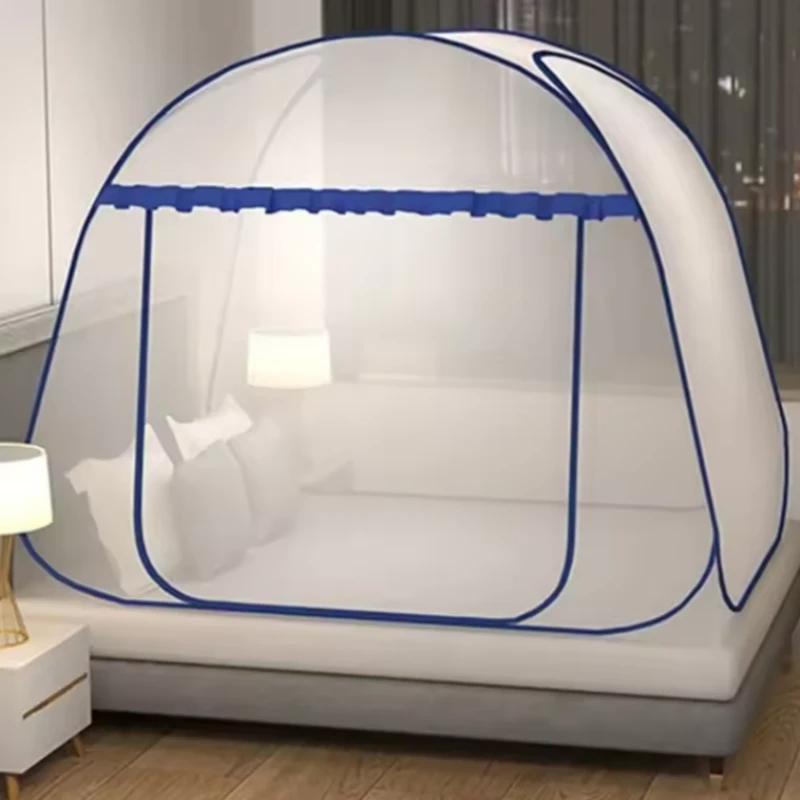
Space-saving, foldable fly net for bed solutions are implemented in modern apartments to combat the seasonal increase in urban mosquitoes.

4. Health Clinics in Remote Villages

Medical facilities deploy industrial-grade insect netting to create sterile sleeping environments for patients, preventing vector-borne disease transmission.

5. Agricultural Worker Dormitories

Durable and easy-to-clean plastic mesh systems are installed in worker housing to ensure a healthy workforce by reducing insect-related sleep disruptions.

Brand Story

Global Development Process of Shijiazhuang Congrun Technology Co., Ltd.

The Foundation of Precision

Started as a specialized workshop focusing on the extrusion of non-metallic mineral plastics, we aimed to solve the fragility of traditional mesh.

Technological Breakthrough

We pioneered the "High-Stability Polymer" weave, which drastically increased the lifespan of industrial insect nets in humid climates.

Global Expansion

Expanding into South America, we tailored our products to meet the specific pest profiles and climatic needs of Paraguay.

Quality Certification

Achieved international standards for plastic safety and durability, ensuring our bed nets are non-toxic and environmentally sustainable.

Mission for Health

Our current mission is to eradicate sleep disruption caused by insects globally through superior plastic mesh engineering.

Complete Bed Netting Portfolio for the Paraguayan Market

A comprehensive range of solutions from domestic use to industrial-grade protection.

Common Questions about Bed Mesh in Paraguay

Expert answers to common technical and usage queries.

What is the best material for a family size mosquito net in humid areas?

High-density polyester or HDPE is recommended for Paraguay's humidity as they are naturally hydrophobic and resist the growth of mold and mildew.

How does a professional fly net for bed differ from cheap alternatives?

Professional nets use precision-extruded polymers with consistent pore sizes and UV-stabilizers, preventing the mesh from becoming brittle in the sun.

Are there specific fly nets for beds that are easier to install in rural homes?

Yes, we offer pop-up and reinforced-hook designs that allow for quick installation on various bed frames common in Paraguayan rural housing.

Can an insect bed net be washed without damaging the plastic fibers?

Our polymer meshes are designed for durability; we recommend a gentle rinse with cool water and mild soap to maintain the structural integrity of the mesh.

What is the ideal mesh size for an insect net bed to ensure airflow?

We utilize a balanced micron-pore design that is small enough to block Aedes aegypti mosquitoes but large enough to allow cross-ventilation for cooling.

How long does a high-quality plastic mosquito net typically last in South America?

With our UV-protected non-metallic mineral plastic, the nets are designed to maintain their strength and transparency for 3 to 5 years of regular use.

Consult Our Mesh Experts

Looking for industrial-scale plastic mesh solutions or wholesale bed protection for Paraguay? We provide customized manufacturing based on your local requirements.

Contact Us Now

If you are interested in our products, you can choose to leave your information here, and we will be in touch with you shortly.