

Sep . 02, 2025 06:00 Back to list
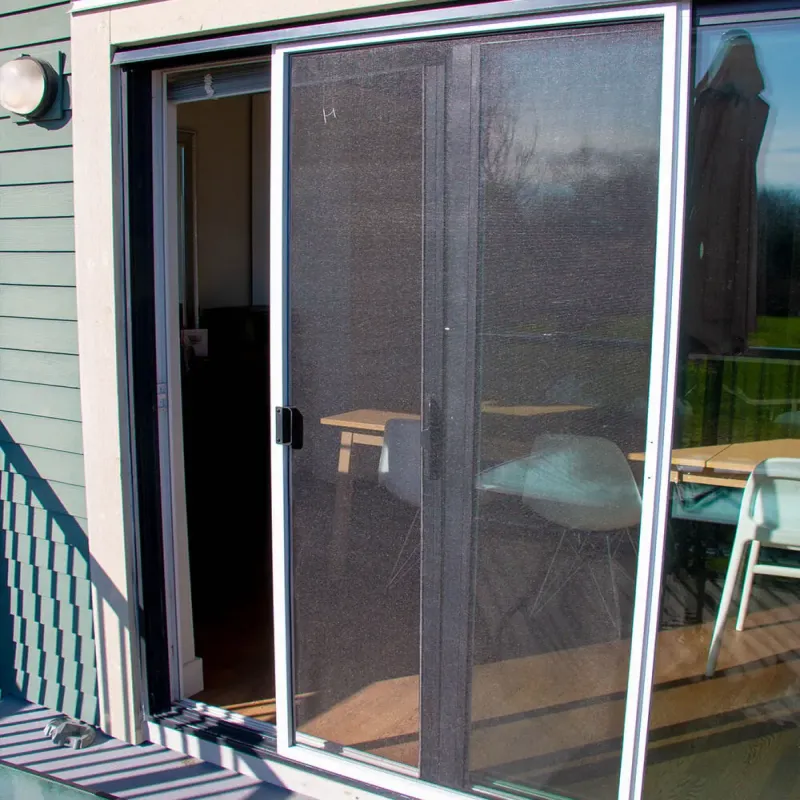
Premium Sliding Screen Doors | Keep Bugs Out, Let Air In
Industry Trends and the Evolution of Sliding Screen Doors
In an increasingly interconnected and efficiency-driven industrial landscape, the demand for robust and adaptable perimeter control solutions has seen significant evolution. The modern sliding screen door is no longer a simple barrier but a sophisticated component engineered for diverse applications, from enhancing airflow in commercial kitchens to protecting sensitive industrial environments from contaminants and pests. Recent market analyses indicate a steady growth in the global screen door market, projected to reach approximately USD 10.5 billion by 2027, driven by urbanization, increasing health consciousness, and the need for energy-efficient building solutions. This growth underscores the pivot towards high-performance materials and intelligent design in fenestration systems.
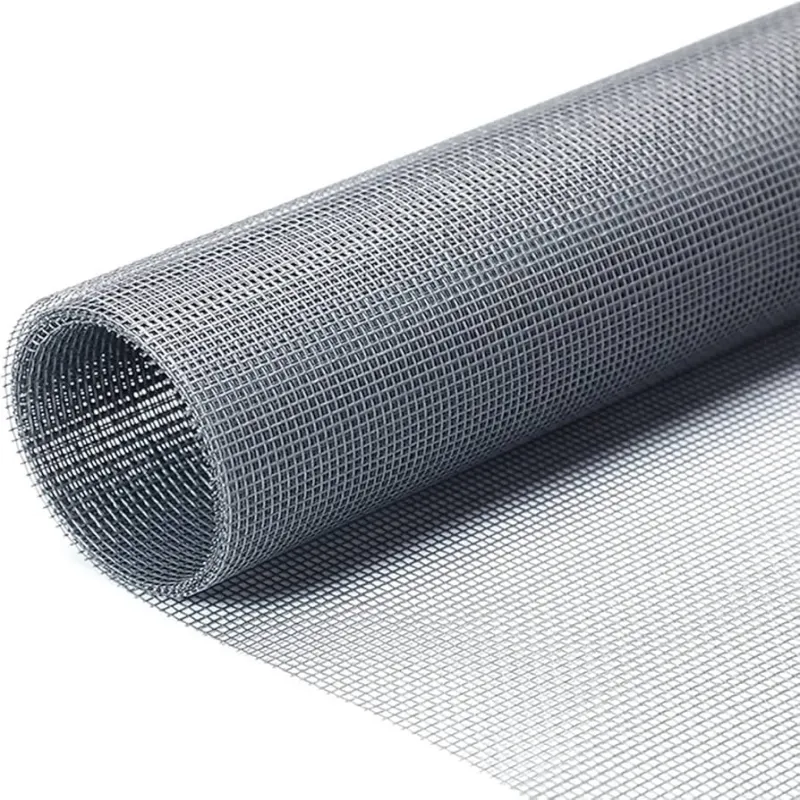
Key trends impacting the design and adoption of sliding screen door systems include an emphasis on advanced material science, integrating smart technologies, and an increased focus on sustainability. Manufacturers are exploring lighter yet stronger alloys for frames, such as reinforced aluminum and PVC composites, which offer superior corrosion resistance and extended service life. Mesh materials are also evolving, with options ranging from high-tensile stainless steel for industrial security to fine-weave polyester for superior insect protection, functioning effectively as a fly net for sliding door. The integration of IoT capabilities for automated operation, remote monitoring, and enhanced security features is also gaining traction, particularly in B2B applications where operational efficiency and stringent access control are paramount.
The demand for solutions that address specific environmental challenges, such as severe weather conditions or pest infestations, has led to innovations in sealing mechanisms and tracking systems. These advancements ensure seamless operation and provide an impermeable barrier, making the modern sliding screen door a critical asset in maintaining indoor air quality and temperature regulation across various sectors.
The Manufacturing Process Flow of a High-Performance Sliding Screen Door
The production of a high-quality sliding screen door involves a meticulously orchestrated multi-stage manufacturing process, ensuring precision, durability, and compliance with stringent industry standards. Each step is critical, from raw material selection to final assembly and rigorous testing.
Step 1: Material Sourcing & Specification
The foundation of a durable sliding screen door lies in its materials. Frames typically utilize high-grade extruded aluminum alloys (e.g., 6063-T5 or 6061-T6 for enhanced strength and corrosion resistance), ensuring structural integrity. Screens are selected based on application: fiberglass mesh for general insect control, polyester for improved durability and UV resistance, or robust stainless steel mesh for security and extreme weather conditions. All materials adhere to ISO 9001 quality management standards and relevant ASTM material specifications.
Step 2: Frame Fabrication & Machining
Aluminum profiles undergo precision CNC machining, including cutting, drilling, and routing, to meet exact dimensional tolerances. Processes such as forging are applied to critical corner connectors or hardware components to ensure maximum strength. For enhanced aesthetics and corrosion protection, frames are typically powder-coated or anodized, meeting AAMA 2604 or 2605 specifications for superior finish durability and weather resistance.
Step 3: Screen Material Integration
The chosen screen mesh is meticulously cut to size using automated machinery to prevent fraying. It is then securely fastened into the fabricated frame using a spline retention system, ensuring uniform tension across the entire surface. This crucial step guarantees the effectiveness of the fly net for sliding door and its long-term stability.
Step 4: Hardware Integration & Assembly
Essential hardware components, including rollers (often nylon or stainless steel for smooth operation), handles, latches, and locking mechanisms, are installed. These components are selected for their durability and resistance to wear, adhering to ANSI/BHMA standards for operational cycles and security. Precision assembly ensures smooth gliding and reliable locking for the sliding fly door.
Step 5: Quality Control & Testing
Every finished sliding screen door undergoes rigorous quality assurance. This includes dimensional verification, operational testing (smoothness of slide, latch engagement), mesh integrity checks, and impact resistance assessments. Products are tested against relevant ASTM standards for wind load resistance and insect penetration, ensuring a service life typically exceeding 15-20 years under normal operating conditions.
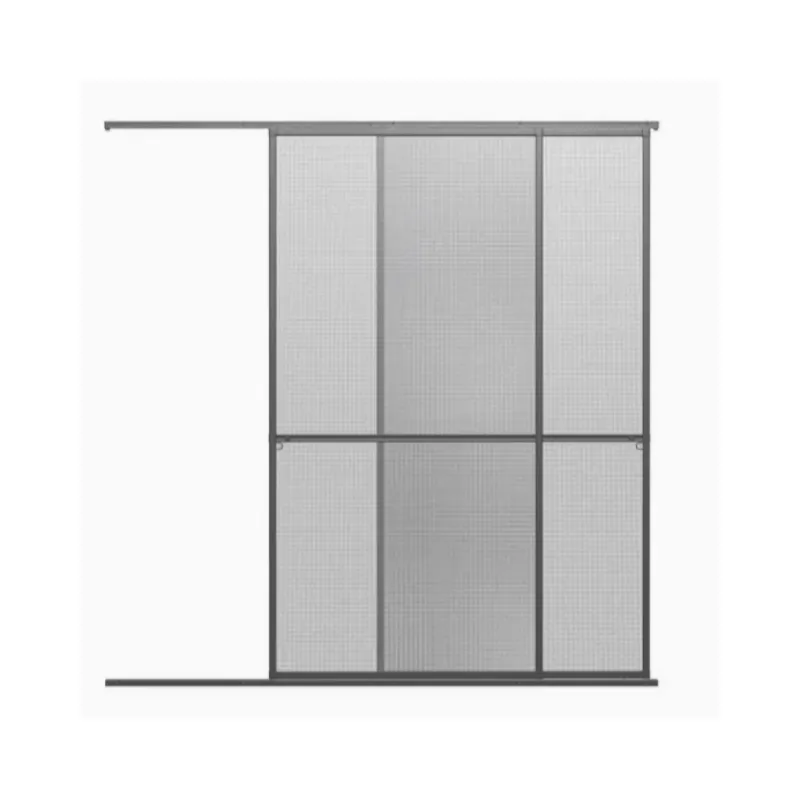
Target industries benefiting from these highly engineered solutions include petrochemical, where corrosion resistance is paramount; metallurgy, requiring robust barriers against dust and debris; and water supply & drainage facilities, where insect control and ventilation are critical. The meticulous manufacturing process ensures advantages such as enhanced energy saving through controlled ventilation, superior corrosion resistance, and prolonged operational reliability in demanding environments.
Technical Specifications and Performance Parameters
Understanding the precise technical specifications of a sliding screen door is crucial for B2B decision-makers to ensure optimal performance and suitability for their specific operational requirements. The following table outlines typical parameters for high-grade industrial and commercial sliding screen door systems.
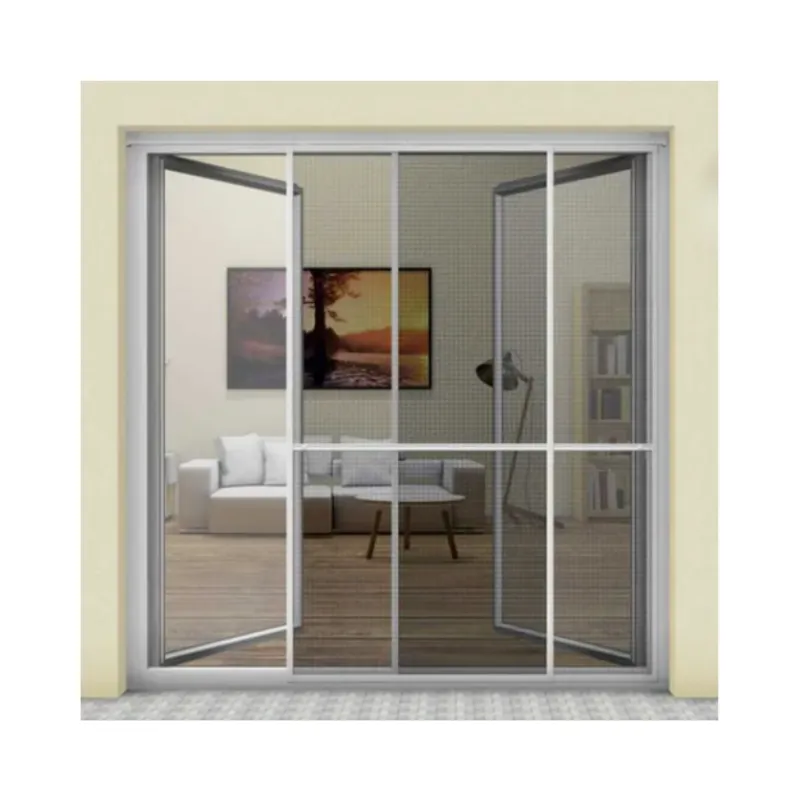
These specifications highlight the engineering precision behind modern sliding screen door systems. For instance, the choice between fiberglass and stainless steel mesh significantly impacts UV stability and puncture resistance, directly influencing the product's suitability as a fly net for sliding door in high-traffic or security-sensitive areas. Furthermore, the robust frame materials and advanced finishes ensure that the door maintains its aesthetic appeal and structural integrity even under continuous industrial exposure.
Key Technical Advantages and Industrial Relevance
The inherent technical advantages of a well-designed sliding screen door translate directly into operational efficiencies and cost savings for B2B enterprises. These advantages are particularly pronounced in demanding industrial and commercial environments.
- ✓ Superior Corrosion Resistance: Utilizing marine-grade aluminum alloys and stainless steel hardware, these doors withstand harsh atmospheric conditions, including saline environments, chemical fumes, and high humidity, critical for applications in petrochemical plants and coastal facilities. This extends asset life and reduces maintenance overheads.
- ✓ Enhanced Durability and Impact Resistance: Engineered with robust frame profiles and high-tensile screen materials, the doors offer excellent resistance to physical impact and daily wear and tear. This is vital in high-traffic industrial settings where accidental bumps or continuous operation are common, ensuring a longer service interval.
- ✓ Optimized Energy Efficiency and Ventilation: By facilitating natural airflow, a sliding screen door can significantly reduce reliance on HVAC systems, leading to substantial energy savings, especially in large industrial warehouses or manufacturing facilities. It also helps in maintaining optimal air quality by expelling stale air and introducing fresh air without compromising security or allowing pest ingress.
- ✓ Low Maintenance and Long Service Life: The selection of high-grade materials and advanced finishes minimizes the need for frequent painting or repairs. The smooth operational mechanisms and robust components contribute to a service life often exceeding two decades, offering an excellent return on investment (ROI).
- ✓ Effective Pest and Contaminant Control: The primary function of a sliding fly door or screen door is to prevent the entry of insects, birds, and airborne debris. This is critical in food processing, pharmaceutical, and water treatment plants, where hygiene and preventing contamination are non-negotiable regulatory requirements.
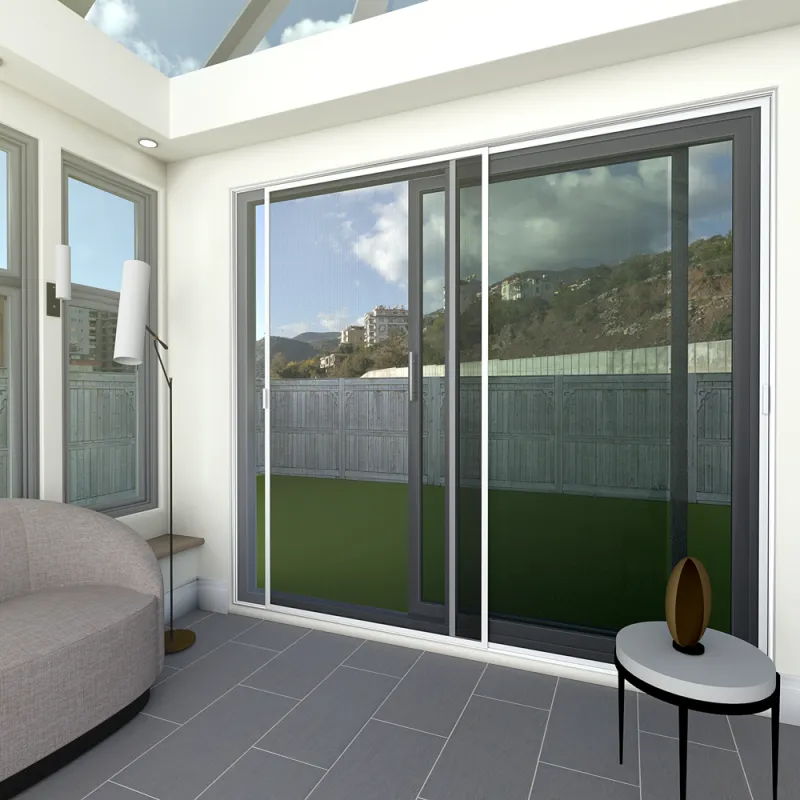
These advantages are particularly relevant across diverse target industries. In petrochemical facilities, the ability of a sliding screen door to resist corrosion from chemical exposure and provide adequate ventilation without compromising safety is invaluable. For the metallurgy sector, robust doors with fine mesh act as effective barriers against particulate matter and dust, protecting sensitive equipment and ensuring worker health. In water supply & drainage operations, controlling insect ingress while maintaining air circulation is paramount for maintaining sanitary conditions and operational efficiency.
Application Scenarios and Real-World Case Studies
The versatility and robust engineering of modern sliding screen door systems allow for their deployment across a broad spectrum of commercial and industrial environments. Their ability to provide ventilation, pest control, and light access without compromising security makes them indispensable.
Typical Usage Scenarios:
- Industrial Warehouses and Loading Docks: Facilitating airflow and natural light, while preventing the entry of birds and large insects.
- Food Processing Facilities: Critical for hygiene, preventing insect contamination, and maintaining compliance with FDA and HACCP standards. A specialized fly net for sliding door is often employed.
- Pharmaceutical Manufacturing: Maintaining controlled environments, reducing particulate ingress, and supporting stringent cleanliness protocols.
- Hospitality and Restaurants: Enhancing outdoor dining areas, kitchen ventilation, and overall guest comfort by keeping pests out.
- Agricultural Facilities: Protecting crops or livestock from pests while ensuring adequate ventilation in barns and greenhouses.
- Commercial Buildings and Office Complexes: Improving indoor air quality, reducing energy consumption through natural ventilation, and offering aesthetic appeal.
Customer Feedback and Service Case Details:
"For our large-scale food distribution center, maintaining a clean, pest-free environment is not just good practice—it's a regulatory mandate. The custom-engineered sliding screen door systems we installed significantly reduced insect ingress while dramatically improving cross-ventilation in our storage areas. This has led to a noticeable reduction in cooling costs and a marked improvement in employee comfort, directly impacting productivity. The robust construction has also stood up exceptionally well to constant daily use."
— Operations Manager, Major Food Logistics Corporation
"Our coastal petrochemical facility faces extreme challenges from salt corrosion and high winds. We needed a solution that could endure these conditions while providing essential airflow in our maintenance bays. The CrScreen sliding fly door, with its anodized aluminum frame and heavy-duty stainless steel mesh, has proven incredibly resilient. After three years, there's virtually no sign of corrosion, and the operating mechanism remains as smooth as day one. This longevity is critical for minimizing downtime and capital expenditure."
— Lead Engineer, Coastal Petrochemical Refinery
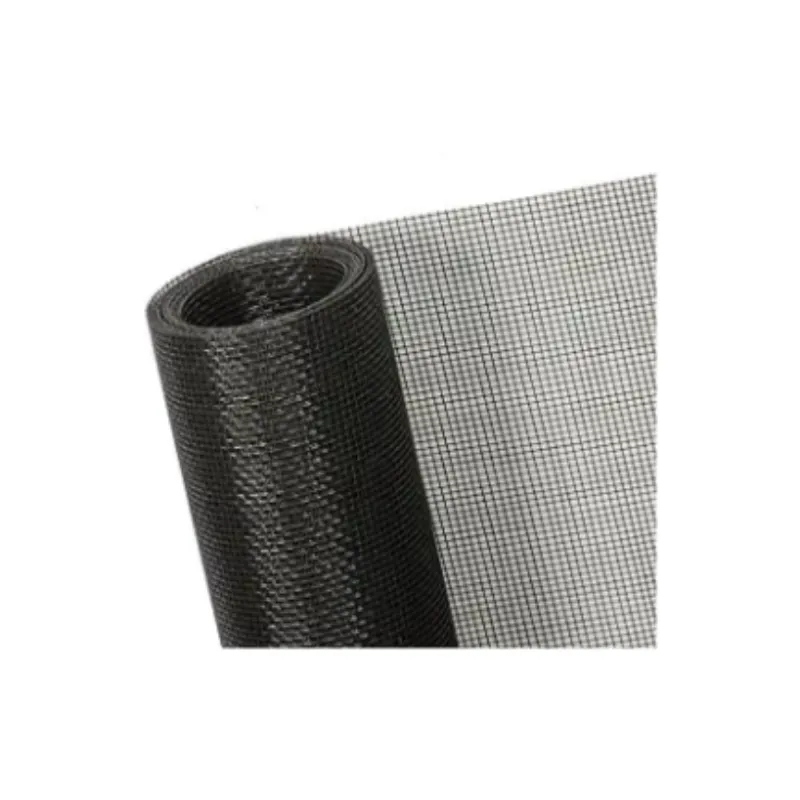
These examples underscore the practical benefits and proven performance of advanced sliding screen door solutions in diverse, demanding B2B settings. The strategic deployment of a high-quality sliding screen door translates directly into improved operational hygiene, energy efficiency, and a reduced total cost of ownership.
Vendor Comparison: Choosing the Right Sliding Screen Door Provider
Selecting a suitable vendor for sliding screen door solutions is a critical decision that impacts long-term performance, reliability, and total cost of ownership. Beyond initial price, factors such as material quality, manufacturing precision, customization capabilities, and after-sales support significantly differentiate providers.
This comparison highlights that while some vendors may offer lower upfront costs, the long-term value, performance, and peace of mind provided by a premium supplier like CrScreen for your sliding screen door needs often justify the investment. Factors such as a comprehensive warranty, adherence to international standards, and robust support infrastructure are crucial for minimizing operational disruptions and ensuring compliance.
Customized Solutions and Design Integration
Recognizing that off-the-shelf solutions rarely fit complex industrial requirements, leading manufacturers specialize in providing customized sliding screen door systems. These bespoke solutions are designed to integrate seamlessly with existing infrastructure and meet unique operational demands.
Customization options extend beyond mere dimensions to include specialized materials, operational mechanisms, and integrated smart features. For instance, a facility requiring strict environmental control might opt for an automated sliding screen door with integrated sensors for air quality monitoring and automatic closure in adverse conditions. Similarly, locations prone to extreme weather may benefit from reinforced frames and high-wind-rated mesh.
- Size and Configuration: From extra-wide industrial openings to multi-panel telescoping doors for expansive access points.
- Material Selection: Choice of aluminum alloy grades, stainless steel mesh for security/pest control (effective fly net for sliding door), or specialized synthetic meshes for chemical resistance.
- Finish Options: Custom powder coating colors to match corporate branding or architectural aesthetics, or specific anodizing treatments for enhanced durability.
- Automation and Access Control: Integration with building management systems, remote control, motion sensors, card readers, or biometric access for automated opening and secure closure.
- Specialized Hardware: Heavy-duty rollers for high-cycle applications, specific locking mechanisms for enhanced security, or emergency escape features.
- Environmental Adaptations: Seals for dust and sound insulation, specific mesh types for fine particulate filtration, or designs for high-humidity/corrosive environments.
The ability to precisely tailor a sliding screen door solution ensures that businesses not only meet functional requirements but also optimize long-term operational costs and maintain regulatory compliance. Partnering with an experienced vendor who offers comprehensive design, engineering, and installation services is crucial for successful project execution.
Ensuring Quality, Authoritativeness, and Trustworthiness ( Focus)
In the B2B sector, trust and verifiable quality are paramount. This section outlines the commitments and practices that establish CrScreen's authority and reliability in providing superior sliding screen door solutions.
Certifications and Standards Compliance:
- ● ISO 9001:2015 Certified: Demonstrates a robust quality management system across all manufacturing and operational processes.
- ● ASTM International Standards: Adherence to ASTM E330 for structural performance (wind load), ASTM B117 for salt spray corrosion testing, and other relevant material specifications.
- ● AAMA Specifications: Frame finishes meet AAMA 2604/2605 for superior durability and UV resistance, ensuring longevity in diverse climates.
- ● ANSI/BHMA Standards: Hardware components comply with ANSI/BHMA A156.10 for operational cycles and security, ensuring reliable long-term performance for every sliding fly door.
Lead Time, Fulfillment, and Warranty:
- ● Lead Time: Standard products typically ship within 2-4 weeks; customized solutions require 6-8 weeks, depending on complexity and material availability. Expedited options are available upon request.
- ● Fulfillment: Global shipping capabilities with meticulous packaging to prevent damage during transit. Detailed installation guides and technical support are provided.
- ● Warranty Commitment: A comprehensive 10-year warranty on structural integrity of frames and a 5-year warranty on finish adhesion and mesh defects, underscoring our confidence in product longevity.
Customer Support and After-Sales Service:
Our commitment extends beyond product delivery. CrScreen provides dedicated technical support, spare parts availability, and expert guidance throughout the product lifecycle. A dedicated account manager ensures seamless communication and prompt resolution of any inquiries.
Frequently Asked Questions (FAQ) about Sliding Screen Doors:
Q: What is the typical lifespan of an industrial sliding screen door?
A: With proper material selection and maintenance, industrial sliding screen door systems are designed for a service life exceeding 15-20 years, even in demanding environments.
Q: Can these doors withstand harsh weather conditions?
A: Yes, our doors are engineered with robust frame materials (e.g., 6061-T6 aluminum) and high-tensile mesh (e.g., stainless steel), tested to resist significant wind loads (up to 75 PSF) and provide excellent corrosion resistance, making them ideal for coastal or industrial settings.
Q: Are customized sizes and features available?
A: Absolutely. We specialize in custom solutions, offering a wide range of dimensions, mesh types, frame finishes, and integration with automation and access control systems to meet specific project requirements.
Q: How does a sliding fly door contribute to energy efficiency?
A: By allowing natural cross-ventilation, a sliding fly door significantly reduces the need for air conditioning, leading to substantial energy savings, especially in large commercial and industrial spaces. It promotes fresh air circulation without compromising security or allowing pest entry.
Conclusion
The modern sliding screen door represents a critical investment for businesses seeking to optimize environmental control, enhance operational efficiency, and maintain stringent hygiene standards. Through advanced material science, precision engineering, and adherence to global quality standards, these systems offer unparalleled durability, energy efficiency, and reliable pest control. From the initial stages of material selection and CNC machining to rigorous post-production testing, every aspect of manufacturing is geared towards delivering a product with an extended service life and superior performance.
For industries ranging from petrochemical and metallurgy to food processing and water treatment, the strategic integration of a high-quality sliding screen door yields tangible benefits, including reduced operational costs, improved worker comfort, and compliance with crucial health and safety regulations. As industries continue to evolve, the demand for adaptable, high-performance fenestration solutions will only intensify, making informed vendor selection and a focus on long-term value more important than ever.
References
- ISO. (2024). ISO 9001: Quality management systems – Requirements. International Organization for Standardization.
- ASTM International. (2024). ASTM Standards for Window and Door Components. ASTM International.
- AAMA. (2023). Architectural Aluminum Manufacturer's Association Specifications for Organic Coatings on Aluminum Extrusions and Panels. FGIA (Fenestration and Glazing Industry Alliance).
- Grand View Research. (2023). Screen Door Market Size, Share & Trends Analysis Report By Material (Wood, Metal, Vinyl, Fiberglass), By Application (Residential, Commercial), By Region, And Segment Forecasts, 2020 - 2027.
Latest news
-
Best Guide to Choose a Screen Door for Sliding Door for Your Home
NewsApr.16,2026 -
The Ultimate Guide to Choosing a screen door for a sliding door
NewsApr.09,2026 -
Choosing the Perfect Patio Sliding Screen Door for Your Home
NewsApr.07,2026 -
Choosing the Best Patio Screen Door with Frame for Your Home and Lifestyle
NewsApr.04,2026 -
Comprehensive Guide to Net Sliding Door Price Factors and Options
NewsMar.31,2026 -
Enhance Your Outdoor Space with a Durable Net Sliding Door for Balcony
NewsMar.28,2026 -
Discover the Benefits of Net Door Sliding Systems for Modern Homes
NewsMar.26,2026