
Sep . 11, 2025 10:40 Back to list
Premium Sliding Screen Windows: Fresh Air, No Bugs, Easy Access.
Industry Trends and Market Dynamics for Advanced Screening Solutions
The architectural and building materials sector is witnessing a significant evolution, driven by demand for enhanced energy efficiency, sophisticated aesthetics, and superior occupant comfort. In this context, the sliding screen window has emerged as a pivotal component in modern building design. Global market research indicates a steady growth in the demand for advanced fenestration solutions, with a Compound Annual Growth Rate (CAGR) projected at 5.5% from 2023 to 2030 for the broader window and door market, a segment directly influencing screen window adoption.
Key drivers include stringent building codes mandating energy performance, a rising consumer preference for smart home integration, and an increasing awareness of indoor air quality. Innovations in material science are also playing a crucial role, with advanced mesh materials offering superior UV resistance, improved transparency, and enhanced durability against environmental stressors. Aluminum alloys, known for their strength-to-weight ratio and corrosion resistance, remain a preferred choice for frame construction, aligning with the industry's push for long-lasting and low-maintenance solutions. Furthermore, the emphasis on sustainable manufacturing practices and recyclable materials is shaping product development, ensuring that modern screen windows contribute positively to a building's ecological footprint.
Technical Specifications and Performance Parameters
The contemporary sliding screen window is engineered for optimal performance, combining robust mechanical properties with advanced material science. These systems typically comprise a rigid frame, a high-performance mesh, and precision-engineered operational components such as rollers and latches. Frame materials commonly include extruded aluminum alloy (6063-T5 or similar industrial grades) for its structural integrity, resistance to rust, and ease of anodization or powder coating for aesthetic and protective finishes. Alternatively, high-impact vinyl (uPVC) is utilized for its thermal insulation properties and low maintenance.
Mesh types are critical for functionality and vary significantly based on application. Standard options include fiberglass mesh, known for its flexibility and cost-effectiveness, and polyester mesh, offering superior strength and tear resistance. For applications demanding enhanced security, fine insect protection, or specific environmental resistance, stainless steel mesh (304 or 316 grade) is employed, providing exceptional corrosion resistance and a tighter weave to exclude even the smallest insects. The mesh count, typically expressed as threads per inch (e.g., 18x16 or 20x20), dictates visibility and insect exclusion capabilities. Roller mechanisms, often made from durable nylon or stainless steel, are designed for smooth, quiet operation and long-term reliability under various environmental conditions.
Key Product Specifications for a Premium Sliding Screen Window
| Parameter | Specification | Industry Standard |
|---|---|---|
| Frame Material | 6063-T5 Extruded Aluminum Alloy | ASTM B221 |
| Mesh Material Options | Fiberglass, Polyester, 304/316 Stainless Steel | ASTM D3656 (Fiberglass), ASTM A240 (Stainless Steel) |
| Mesh Count (Standard) | 18x16 or 20x20 threads per inch | ANSI/SMACNA 006 |
| UV Resistance | >80% (Fiberglass/Polyester), 100% (Stainless Steel) | ASTM G154 |
| Wind Load Rating | Up to 75 PSF (based on size) | ASTM E330 |
| Corrosion Resistance | Excellent (Aluminum/Stainless Steel) | ASTM B117 (Salt Spray Test) |
| Operational Cycle Life | >20,000 cycles | AAMA 902 |
| Sound Reduction (Approx.) | 3-5 dB (depending on mesh) | ASTM E90 |
These specifications underscore the robust engineering behind a high-quality sliding screen window, ensuring its suitability for diverse architectural demands. The precision in manufacturing and selection of high-grade materials allow for optimal performance in various climates and operational frequencies. The development of advanced sliding insect screen window technologies also focuses on increasingly fine mesh structures without compromising airflow, providing superior protection against smaller pests like no-see-ums, particularly in tropical or humid environments. Similarly, the term sliding net window often refers to these systems, emphasizing their primary function of creating a protective barrier while maintaining natural ventilation.
Precision Manufacturing Process Flow
The production of a high-performance sliding screen window involves a meticulously controlled multi-stage process, integrating material science with advanced manufacturing techniques to ensure product consistency and durability. Adherence to international quality management systems, such as ISO 9001, is fundamental throughout the entire workflow.
Detailed Manufacturing Steps:
- Material Sourcing & Inspection: High-grade aluminum ingots (for extrusion) or virgin vinyl resins are sourced from certified suppliers. Incoming materials undergo stringent quality checks for chemical composition, mechanical properties, and dimensional accuracy, adhering to standards like ASTM B221 for aluminum alloys.
- Frame Extrusion/Forming: Aluminum profiles are created through hot extrusion, where heated billets are forced through a die to produce precise cross-sections. This process, often followed by T5 heat treatment, enhances structural integrity. Vinyl frames are typically manufactured via continuous extrusion or injection molding, ensuring consistent wall thickness and surface finish.
- Precision Cutting & CNC Machining: Extruded profiles are cut to exact dimensions using automated saws, minimizing material waste and ensuring tight tolerances. Critical components, such as corner joints and roller channels, undergo CNC machining to achieve micron-level accuracy, which is essential for smooth operation and seamless assembly.
- Surface Treatment: Aluminum frames are typically pre-treated (e.g., chromate conversion) before powder coating or anodization. Powder coating offers a wide range of aesthetic finishes and superior chip resistance, while anodization creates a hard, corrosion-resistant oxide layer. These processes comply with AAMA 2603/2604/2605 specifications.
- Mesh Weaving & Integration: Fiberglass or polyester meshes are woven on specialized looms to exact mesh counts. Stainless steel mesh is typically pre-woven and supplied in rolls. The selected mesh is then carefully integrated into the frame profiles using specialized spline retention systems, ensuring tautness and preventing sag.
- Hardware Assembly: Rollers, latches, handles, and other operational hardware components (often made from stainless steel or high-density polymers) are meticulously assembled onto the frame. Each component is chosen for its durability and resistance to wear, tested against standards like AAMA 902 for operational cycle life.
- Quality Control & Testing: Each finished sliding screen window undergoes a comprehensive series of quality checks. This includes dimensional verification, frame squareness, mesh tension, roller functionality, latch engagement, and visual inspection for surface imperfections. Performance tests may include simulated wind load (ASTM E330) and salt spray resistance (ASTM B117) for corrosion-resistant models.
- Packaging & Logistics: Products are carefully packaged using protective materials to prevent damage during transit. Custom crating and logistical arrangements ensure secure delivery to project sites globally.
This rigorous process guarantees a service life typically exceeding 15-20 years, even in challenging environments. Our target industries, including residential, commercial, hospitality, and healthcare, benefit from the inherent advantages of these meticulously crafted screen windows, such as enhanced energy saving through controlled ventilation and superior corrosion resistance, particularly for coastal installations.
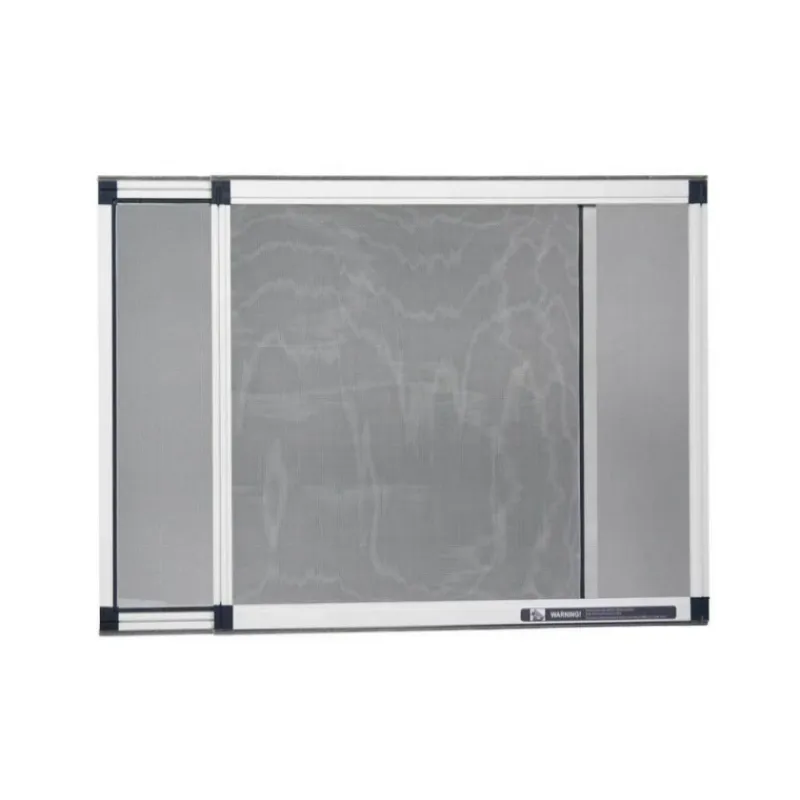
Precision engineering for superior sliding screen window frame integrity.
Technical Advantages and Performance Superiority
The inherent design and material selection of modern sliding screen window systems offer a spectrum of technical advantages over conventional fixed screens or hinged alternatives. These benefits are critical for specifiers and facility managers seeking long-term value and optimal building performance.
- Enhanced Durability and Longevity: Constructed from high-strength aluminum alloys or robust uPVC, the frames are resistant to warping, rotting, and rust. Advanced mesh materials like stainless steel or UV-stabilized fiberglass withstand prolonged exposure to sunlight and harsh weather, minimizing degradation and extending the product's operational lifespan significantly beyond that of traditional wood or steel-framed screens.
- Superior Ventilation and Airflow Control: The sliding mechanism allows for precise control over the amount of natural ventilation, optimizing indoor air quality and temperature without compromising security or insect protection. This capability is crucial for reducing reliance on mechanical HVAC systems, contributing directly to energy savings.
- Effective Insect and Pest Exclusion: Fine-weave meshes are specifically designed to create a robust barrier against a wide array of insects, including mosquitoes, flies, and smaller gnats, ensuring hygienic indoor environments. This is particularly important for regions prone to insect-borne diseases or in food service and healthcare facilities.
- Low Maintenance Requirements: The high-quality materials and finishes utilized (e.g., powder-coated aluminum, self-cleaning mesh options) ensure that these screens require minimal upkeep. Routine cleaning with mild soap and water is typically sufficient, reducing operational costs and maintaining aesthetic appeal over time.
- Aesthetic Integration and Architectural Flexibility: With slim profiles and a range of customizable finishes, sliding insect screen window units seamlessly integrate with various architectural styles. They do not obstruct views, maintaining the building's aesthetic integrity while providing functional benefits. The sleek design and smooth operation enhance the perceived quality of the fenestration system.
- Operational Ease and Accessibility: The smooth-gliding roller systems ensure effortless opening and closing, making them user-friendly for all occupants. This ease of operation contributes to better accessibility and improved day-to-day functionality in both residential and commercial settings.
These cumulative advantages position the modern sliding net window as a superior choice for projects demanding both functional excellence and long-term economic viability. They represent a significant upgrade in building performance and occupant comfort.
Diverse Application Scenarios
The versatility and robust construction of the sliding screen window make it suitable for a broad spectrum of application scenarios across various industries. Its ability to provide natural ventilation, insect protection, and unobtrusive views is highly valued in modern architectural designs.
- Residential Developments: From luxury apartments to single-family homes, these windows enhance living spaces by allowing fresh air circulation while keeping out pests. They are particularly popular in bedrooms, living rooms, and kitchens where natural light and ventilation are prioritized.
- Commercial Office Buildings: In offices, sliding screen window installations improve employee comfort and productivity by facilitating natural cooling and fresh air intake, potentially reducing HVAC load and associated energy costs. This aligns with modern workplace wellness trends.
- Hospitality Sector (Hotels & Resorts): Hotels and resorts utilize these screens to offer guests a comfortable and serene experience, allowing them to enjoy fresh air and scenic views without the disturbance of insects, particularly in tropical or coastal destinations.
- Healthcare Facilities: While strict sterile environments require sealed windows, certain non-critical areas like patient common rooms or administrative offices can benefit from the controlled ventilation provided by sliding insect screen window systems. This helps in maintaining air circulation and reducing stale air, contributing to a more pleasant environment for patients and staff.
- Educational Institutions: Schools and universities can implement these screens in classrooms and dormitories to improve air quality and comfort, creating a more conducive learning and living environment, especially in warmer climates.
- Coastal Properties: Given their superior corrosion resistance when specified with stainless steel mesh and anodized aluminum frames, these screens are ideal for coastal areas where salt spray and humidity are prevalent, ensuring long-term performance and aesthetic integrity.
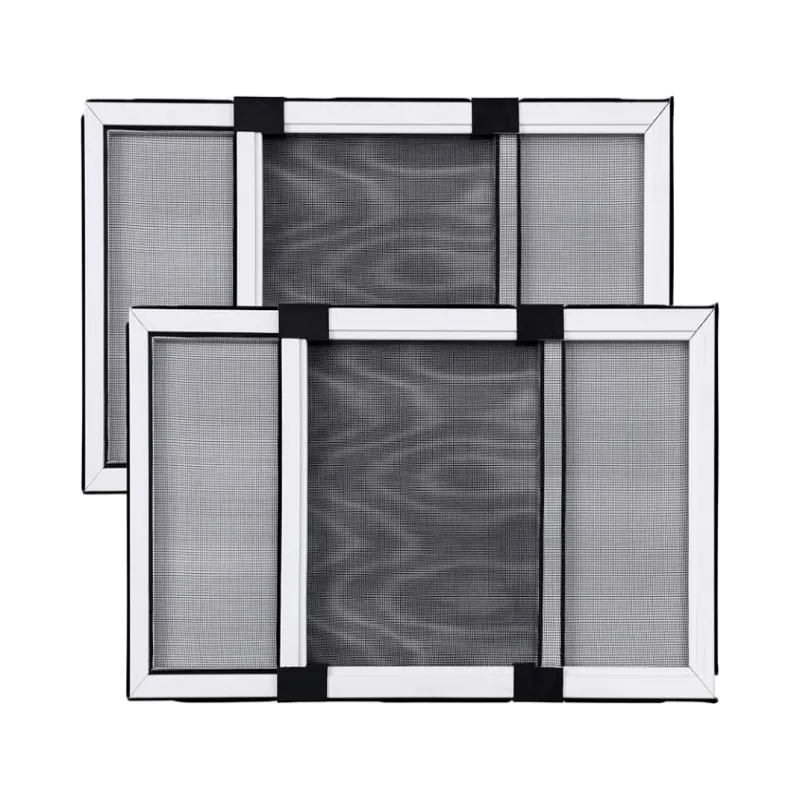
Seamless integration of a sliding screen window into modern architectural designs.
The adaptability of these screening solutions makes them a preferred choice for architects and developers aiming to balance functionality, aesthetics, and energy efficiency across diverse project types.
Vendor Comparison: Selecting the Right Partner
Choosing a supplier for high-quality sliding screen window systems requires a thorough evaluation of various factors beyond initial cost. A comprehensive vendor comparison is essential to ensure product quality, customization capabilities, and reliable post-sales support.
Comparative Analysis of Sliding Screen Window Vendors
| Criterion | CRScren (Example Vendor) | Vendor B (Competitor) | Vendor C (Specialized) |
|---|---|---|---|
| Frame Material Quality | Premium 6063-T5 Extruded Aluminum; uPVC options | Standard Aluminum; limited uPVC | Focus on High-Grade Stainless Steel |
| Mesh Material Options | Fiberglass, Polyester, 304/316 SS, Pet Screen | Mainly Fiberglass, limited SS | Specialized in Ultra-Fine SS mesh |
| Customization Capabilities | Extensive: size, color, mesh, smart features | Moderate: standard sizes, limited colors | High: bespoke mesh types, specific frame finishes |
| Certifications | ISO 9001, CE, AAMA compliant | Basic quality assurance, some local certs | ISO 9001, ASTM-verified material tests |
| Warranty Period | 10-year structural, 5-year mesh | 5-year structural, 2-year mesh | Limited lifetime on SS mesh, 7-year frame |
| Lead Time (Standard Order) | 4-6 weeks | 6-8 weeks | 8-10 weeks (due to specialization) |
| After-Sales Support | Dedicated technical support, spare parts | Basic support, limited spare parts | Expert technical consultancy |
This comparison highlights that while some vendors may offer lower initial costs, they often compromise on material quality, customization options, and crucial long-term support. A reliable partner in sliding screen window manufacturing provides a balance of innovative solutions, certified quality, and responsive service, ensuring the longevity and optimal performance of the installed systems.
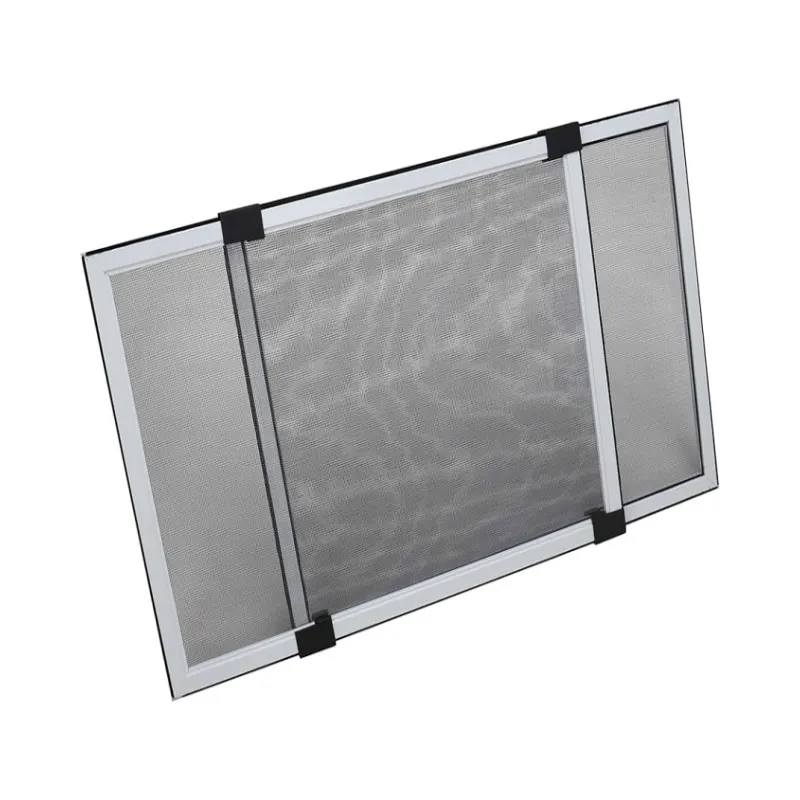
The operational smoothness and precise engineering of a high-quality sliding net window.
Tailored Customized Solutions
Understanding that every architectural project has unique demands, manufacturers of advanced sliding screen window systems offer extensive customization capabilities. These solutions go beyond standard sizing to encompass material choices, aesthetic finishes, and integrated functionalities, ensuring seamless integration with bespoke designs and specific operational requirements.
- Dimensional Adaptability: Screens can be custom-fabricated to fit non-standard window openings, including oversized apertures or unique architectural shapes, ensuring full coverage and optimal functionality.
- Frame Material and Finish Options: Beyond standard aluminum and uPVC, specialized alloys or finishes (e.g., custom RAL powder coat colors, anodized bronze, wood grain laminates) can be specified to match the building's exterior and interior aesthetics.
- Specialized Mesh Types: For specific environmental or functional needs, custom meshes can be integrated. This includes pet-resistant mesh (vinyl-coated polyester), high-visibility mesh, solar control mesh (to reduce heat gain), or ultra-fine mesh for extreme insect protection, essentially creating a bespoke sliding insect screen window.
- Integrated Smart Features: Modern customization can extend to integrating sensors for automated opening/closing based on environmental conditions (e.g., wind, rain) or connection to building management systems for centralized control, enhancing the functionality of the sliding net window.
- Hardware and Security Enhancements: Options for heavy-duty rollers, multi-point locking mechanisms, and specialized handles can be incorporated for increased security, durability, or ease of use in specific high-traffic or security-sensitive applications.
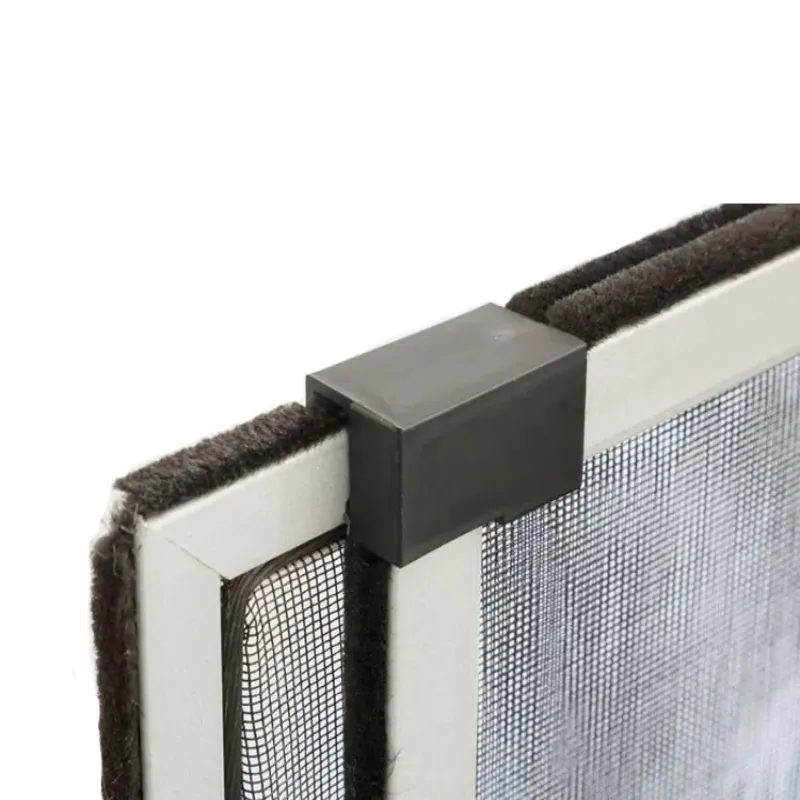
Customized frame profiles and finishes for a unique sliding screen window aesthetic.
These comprehensive customization services ensure that the screen window system not only performs optimally but also contributes positively to the overall design intent and operational efficiency of the building.
Application Case Studies: Proven Performance
Real-world application demonstrates the tangible benefits and reliability of high-quality sliding screen window installations. The following case studies highlight diverse scenarios where these solutions have delivered significant value.
Case Study 1: Luxury Coastal Residential Complex, Miami, FL
- Challenge: The developer required a screening solution that could withstand aggressive coastal environments (salt spray, high humidity, strong winds) while offering superior insect protection and unobstructed ocean views for residents. Standard screens exhibited rapid corrosion and poor durability.
- Solution: Custom sliding screen window units were specified with marine-grade 316 stainless steel mesh and anodized aluminum frames, finished with a Class I architectural coating (AAMA 2605). Heavy-duty stainless steel rollers and hardware ensured smooth operation despite constant exposure to corrosive elements.
- Outcome & Client Feedback: The screens have demonstrated exceptional durability over five years, showing no signs of corrosion or degradation. Residents highly praise the ability to enjoy fresh ocean breezes without insect intrusion, significantly enhancing their living experience. The developer reported reduced maintenance calls related to screen functionality.
Case Study 2: Boutique Hotel Renovation, Sedona, AZ
- Challenge: An upscale hotel sought to upgrade its guest rooms with a ventilation system that would allow guests to enjoy the dry desert air and scenic views without dealing with insects or compromising the room's aesthetic. Existing screens were old, flimsy, and detracted from the room's appeal.
- Solution: Bespoke sliding net window systems were installed, featuring high-visibility fiberglass mesh and custom powder-coated aluminum frames that perfectly matched the existing window frames. The lightweight, smooth-gliding design ensured effortless operation by guests.
- Outcome & Client Feedback: The hotel reported a significant improvement in guest satisfaction scores related to room comfort and ambiance. "Guests frequently comment on how much they appreciate being able to open their windows and enjoy the fresh air," stated the Hotel Manager. The robust construction also reduced the need for frequent repairs.
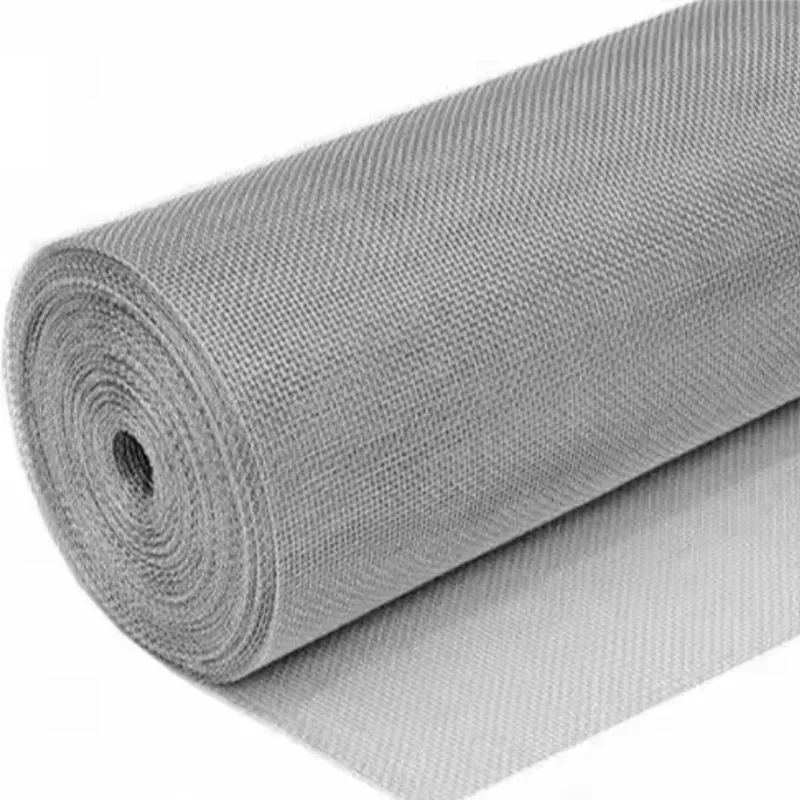
A successful installation of a sliding screen window in a contemporary setting.
Certifications, Authoritativeness, and Quality Assurance
Our commitment to manufacturing excellence and product reliability is substantiated by rigorous adherence to international standards and a proven track record. For over two decades, we have been a trusted partner in providing high-performance sliding screen window solutions, partnering with leading architects, developers, and contractors globally.
- ISO 9001:2015 Certified Manufacturing: Our production facilities operate under a certified Quality Management System, ensuring consistent product quality, process efficiency, and continuous improvement across all stages of manufacturing, from material procurement to final inspection.
- Compliance with AAMA Standards: All frame profiles and finishes meet or exceed the American Architectural Manufacturers Association (AAMA) standards, including AAMA 2603, 2604, and 2605 for superior powder coating and anodized finishes, guaranteeing long-term aesthetic and protective performance. Operational hardware is tested to AAMA 902 specifications.
- ASTM-Verified Materials and Performance: Raw materials and finished products undergo third-party testing to ASTM International standards for mechanical properties, UV resistance (ASTM G154), corrosion resistance (ASTM B117), and wind load performance (ASTM E330), providing objective data on product capabilities.
- Strategic Partnerships: We collaborate with major construction firms, luxury hotel chains, and governmental projects, reflecting our reputation for reliability and project delivery. Our extensive client portfolio is a testament to our authoritative position in the industry.
- In-House R&D and Innovation: Continuous investment in research and development ensures our sliding insect screen window products remain at the forefront of innovation, incorporating the latest advancements in materials science and smart technology.
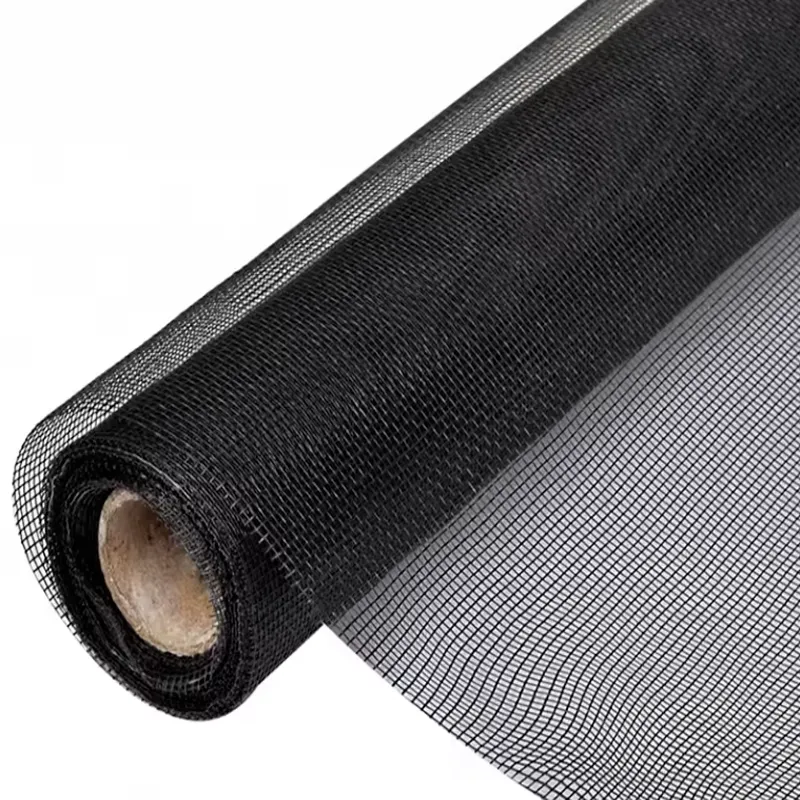
Demonstrating structural integrity and durability for the sliding screen window.
Our commitment to these rigorous benchmarks ensures that every product we deliver offers unparalleled quality, performance, and long-term value to our B2B clients.
Trustworthiness: FAQ, Lead Time, Warranty, and Support
Building long-term partnerships is founded on trust, transparency, and reliable support. We provide clear commitments regarding product delivery, performance guarantees, and comprehensive after-sales service for every sliding screen window system.
Frequently Asked Questions (FAQ)
- Q: What is the typical lifespan of a sliding screen window?
- A: With proper installation and minimal maintenance, our premium screen windows are designed to last 15-20 years or more, thanks to high-grade materials and robust construction. Environmental factors can influence this, but components are chosen for longevity.
- Q: Can your screens withstand extreme weather conditions?
- A: Yes, our screens are engineered to meet specific wind load ratings (up to 75 PSF for certain configurations) and are made from materials resistant to UV degradation and corrosion, making them suitable for diverse climates, including coastal and high-wind zones.
- Q: How do I clean and maintain my sliding insect screen window?
- A: Maintenance is minimal. Frames can be wiped with a damp cloth and mild detergent. Mesh can be gently brushed or rinsed with water. Avoid abrasive cleaners. Regular cleaning ensures optimal airflow and appearance.
- Q: Are spare parts readily available?
- A: Yes, we maintain an inventory of common spare parts, including rollers, latches, and spline, to ensure quick replacements and uninterrupted service life for our sliding net window products.
Lead Time and Fulfillment
Our standard lead time for manufacturing and delivery of custom sliding screen window orders is typically 4-6 weeks from confirmed order and design approval. For large-scale projects or highly specialized custom solutions, lead times may extend to 8-12 weeks, which will be communicated clearly during the quotation process. We utilize efficient logistics networks to ensure timely and secure delivery to project sites worldwide.
Warranty Commitments
We stand behind the quality of our products with robust warranty provisions:
- Frame Structure: A 10-year limited warranty against manufacturing defects in materials and workmanship for aluminum and uPVC frames.
- Mesh Material: A 5-year limited warranty against manufacturing defects causing premature degradation or tearing under normal use.
- Hardware Components: A 3-year limited warranty on rollers, latches, and other operational hardware.
Full warranty details are provided with every quotation and order confirmation.
Dedicated Customer Support
Our commitment extends beyond product delivery. We offer comprehensive after-sales support, including technical assistance for installation and maintenance, troubleshooting, and prompt assistance with any warranty claims. Our team of experts is available via phone, email, and dedicated online portals to ensure seamless post-installation performance and client satisfaction.
Conclusion
The modern sliding screen window represents a sophisticated and indispensable element in contemporary building design. By meticulously integrating advanced materials, precision engineering, and rigorous quality control, these systems deliver unparalleled performance in ventilation, insect protection, durability, and aesthetic appeal. For B2B decision-makers and engineering professionals, investing in high-quality, customizable sliding screen solutions ensures long-term operational efficiency, reduced maintenance costs, and enhanced occupant comfort across a diverse range of applications. Our dedication to meeting stringent industry standards and providing robust after-sales support makes us a trusted partner for your next project, offering solutions that are not merely functional but truly enhance the built environment.
References
- American Architectural Manufacturers Association (AAMA). Various publications on window, door, and skylight standards. [www.aamanet.org]
- ASTM International. Standards for materials and product testing. [www.astm.org]
- International Organization for Standardization (ISO). ISO 9001:2015 Quality Management Systems – Requirements. [www.iso.org]
- Grand View Research. Window and Door Market Size, Share & Trends Analysis Report, 2023-2030. [www.grandviewresearch.com]
- U.S. Department of Energy. Energy-Efficient Windows. [www.energy.gov]
Latest news
-
Best Guide to Choose a Screen Door for Sliding Door for Your Home
NewsApr.16,2026 -
The Ultimate Guide to Choosing a screen door for a sliding door
NewsApr.09,2026 -
Choosing the Perfect Patio Sliding Screen Door for Your Home
NewsApr.07,2026 -
Choosing the Best Patio Screen Door with Frame for Your Home and Lifestyle
NewsApr.04,2026 -
Comprehensive Guide to Net Sliding Door Price Factors and Options
NewsMar.31,2026 -
Enhance Your Outdoor Space with a Durable Net Sliding Door for Balcony
NewsMar.28,2026 -
Discover the Benefits of Net Door Sliding Systems for Modern Homes
NewsMar.26,2026