
Sep . 22, 2025 12:05 Back to list
Roller Fly Screen Doors: Custom Retractable & Insect-Proof
Elevating Architectural Functionality: The Advanced roller fly screen door
In contemporary architectural design and building management, the integration of innovative solutions for environmental control and comfort is paramount. The modern roller fly screen door represents a significant advancement over traditional screening systems, offering a sophisticated blend of aesthetics, functionality, and durability. Engineered for seamless operation and unobtrusive integration, these systems are increasingly becoming the preferred choice for B2B clients seeking premium insect protection without compromising on design integrity or operational efficiency.
This comprehensive overview delves into the technical intricacies, application versatility, and strategic advantages of advanced rolling fly screen door solutions. We aim to provide B2B decision-makers, architects, and facilities managers with the detailed insights necessary to make informed procurement decisions, highlighting how these systems contribute to enhanced building performance and occupant well-being across diverse industrial and commercial environments.
Industry Trends and Market Dynamics in Advanced Screening Systems
The market for sophisticated screening solutions, including the rolling mosquito net door, is experiencing robust growth, driven by several key trends. Sustainability and energy efficiency are at the forefront, with building codes and consumer demand increasingly favoring products that reduce environmental impact and operational costs. Modern roller screens contribute significantly by allowing natural ventilation, thereby reducing reliance on air conditioning and improving indoor air quality. The global market for insect screens, which includes advanced roller systems, is projected to reach USD 7.2 billion by 2027, growing at a CAGR of over 6.5% (Source: Grand View Research, 2020).
Technological advancements are also playing a crucial role, with the integration of smart home systems, automated operation, and enhanced material science leading to more resilient and user-friendly products. There's a rising demand for highly customizable solutions that can blend seamlessly with diverse architectural styles, from minimalist commercial facades to expansive industrial openings. Furthermore, the increasing awareness of mosquito-borne diseases continues to bolster the demand for effective and reliable insect barriers in both residential and commercial sectors globally.
Technical Specifications and Engineering Excellence
The engineering of a high-quality roller fly screen door involves meticulous attention to material selection, structural integrity, and operational precision. Key components include the aluminum frame, the mesh fabric, and the retraction mechanism.
- Frame Materials: Typically extruded aluminum alloys (e.g., 6063-T5), chosen for their superior strength-to-weight ratio, corrosion resistance, and ability to be anodized or powder-coated for various aesthetic finishes. This ensures a long service life, even in challenging environments.
- Mesh Fabric: Options include fiberglass, polyester, or stainless steel mesh. Fiberglass mesh, often coated with PVC, offers excellent visibility, UV resistance, and is rot-proof. Polyester mesh provides enhanced tear resistance. For specialized applications requiring superior strength or fire resistance, stainless steel mesh can be specified. The mesh count typically ranges from 18x16 to 20x20 per square inch, optimizing insect exclusion without impeding airflow or visibility.
- Retraction Mechanism: Central to the `roller fly screen door`'s functionality is its spring-loaded or motorized retraction system, often housed within a compact cassette. High-quality mechanisms ensure smooth, quiet operation and prevent accidental slamming, with soft-close features available for enhanced user experience.
- Sealing: Brush piles or rubber seals are integrated along the side guides and bottom bar to create a comprehensive barrier against insects, dust, and pollen, ensuring complete enclosure when deployed.
Typical Product Specifications for Roller Screen Door:
| Parameter | Specification | Notes / Standards |
|---|---|---|
| Max. Width (Single Panel) | Up to 1.8 meters (70 inches) | Larger openings require double-panel systems. |
| Max. Height | Up to 3.0 meters (118 inches) | Custom heights available. |
| Frame Material | Extruded Aluminum Alloy (6063-T5) | Powder-coated or Anodized finish (Qualicoat, AAMA 2604). |
| Mesh Material | Fiberglass (PVC Coated), PET, Stainless Steel | Fiberglass: 18x16, 20x20 mesh count. UV stabilized. |
| Operation Type | Manual (Spring-loaded), Motorized (Remote/Wall Switch) | Motorized options with smart home integration. |
| Wind Resistance | Up to Beaufort Scale 6 (39-49 km/h) | Based on typical installations; higher ratings possible with reinforced systems. |
| Service Life | 10+ years (frame), 5+ years (mesh) | Dependent on maintenance and environmental conditions. |
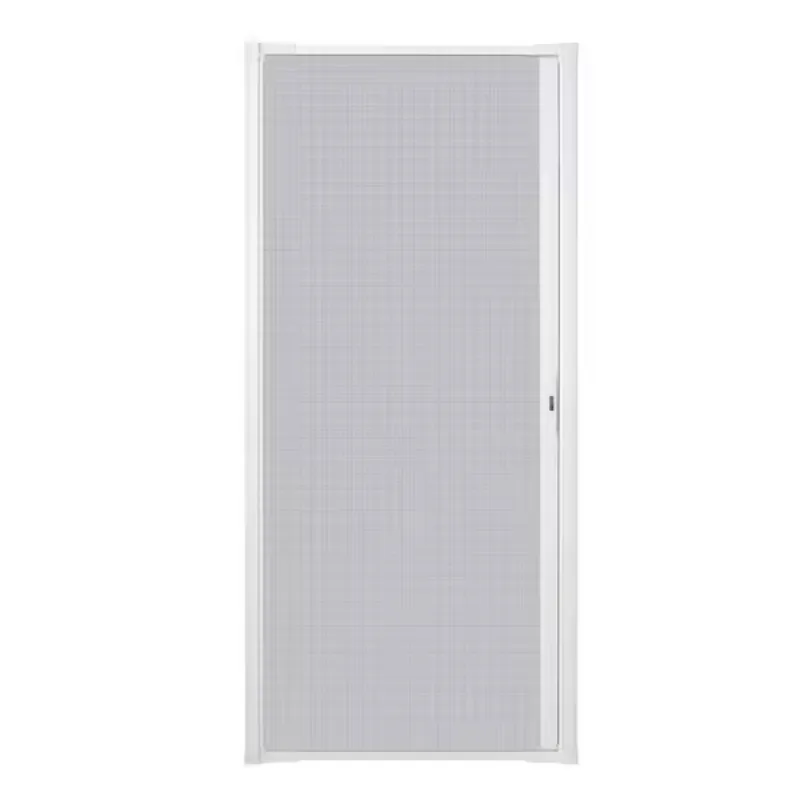
Precision-engineered components of a roller fly screen door.
Manufacturing Process Flow of a Roller Fly Screen Door
The production of a high-quality roller fly screen door involves a rigorous multi-stage manufacturing process, ensuring precision, durability, and compliance with international standards such as ISO 9001 for quality management.
-
Material Sourcing & Quality Inspection:
High-grade aluminum billets (e.g., A6063) are sourced for extrusion. Mesh materials (fiberglass, PET, stainless steel) are inspected for weave consistency, coating integrity, and defect absence. All incoming materials undergo rigorous quality checks according to ASTM or equivalent standards.
-
Aluminum Extrusion & CNC Machining:
Aluminum billets are heated and forced through dies to create the precise profiles for the cassette, side guides, and bottom bar. These extruded profiles then undergo CNC machining to cut to exact dimensions, drill mounting holes, and create necessary slots for brush seals and mesh attachment. This ensures high dimensional accuracy, often within ±0.1mm tolerances.
-
Surface Treatment:
Frames are either anodized (for enhanced corrosion and abrasion resistance, conforming to ANSI H35.2) or powder-coated (for aesthetic finish and durability, meeting Qualicoat or AAMA 2604 standards). This protects against environmental degradation and ensures long-term visual appeal.
-
Mesh Fabrication & Attachment:
Mesh rolls are cut to size. For `rolling mosquito net door` applications, the mesh is often heat-sealed or ultrasonically welded to the roller tube, ensuring a secure, wrinkle-free attachment critical for smooth retraction and deployment. Specialized PVC spline insertion tools are used for mesh retention in the side guides.
-
Component Assembly:
All internal components – including the spring mechanism, bearings, end caps, and brush seals – are assembled into the cassette. The mesh roll is integrated with the retraction mechanism. This stage requires skilled technicians and specialized jigs to ensure correct alignment and functionality.
-
Final Assembly & Functional Testing:
The assembled cassette is combined with the side guides and bottom bar. Each roller fly screen door undergoes rigorous functional testing, including multiple cycles of retraction and deployment, speed consistency checks, soft-close mechanism verification, and seal integrity assessment. Durability testing may involve simulating thousands of cycles to ensure a predicted service life of 10,000+ operations.
-
Packaging & Dispatch:
Products are carefully packaged to prevent damage during transit, typically using custom-fitted cartons and protective wraps. Documentation, including installation guides and warranty information, is included.
This meticulous process ensures that each `rolling fly screen door` meets stringent quality control standards, making it suitable for demanding environments in target industries like petrochemical (for administrative buildings, control rooms), metallurgy (offices, non-production zones), and water supply & drainage facilities (service buildings, laboratories) where reliability and longevity are critical.
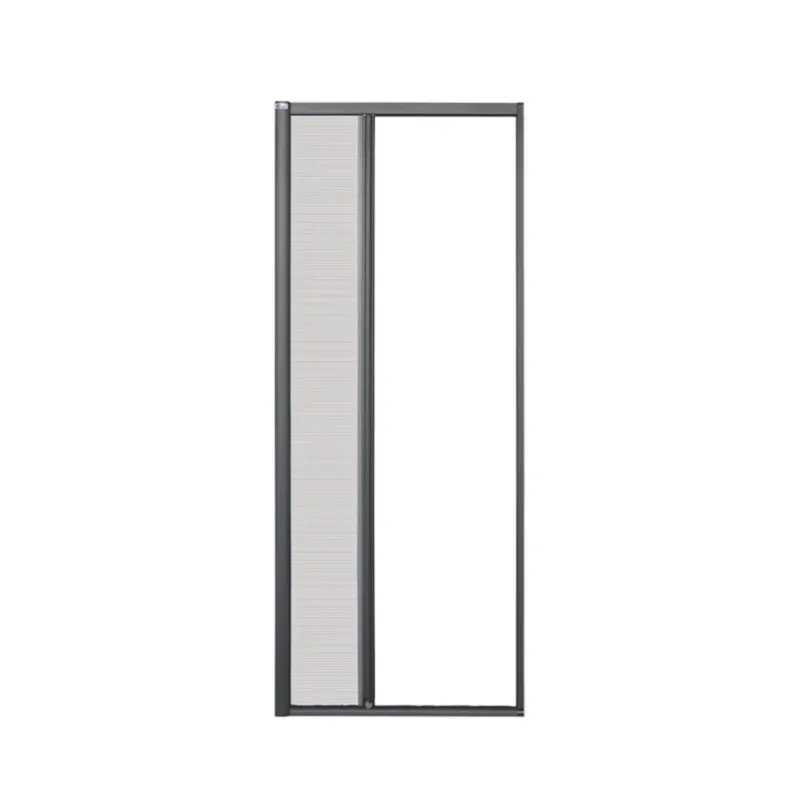
The sophisticated internal retraction mechanism.
Technical Advantages and Performance Metrics
Modern roller fly screen door systems offer significant technical advantages that transcend basic insect protection, delivering enhanced value for commercial and industrial applications:
- Space Efficiency & Aesthetics: Unlike hinged or sliding screens, `roller fly screen door` systems retract completely into a discreet cassette when not in use. This preserves architectural sightlines, eliminates obstruction, and maintains the aesthetic appeal of doorways, crucial for high-traffic commercial environments.
- Durability & Longevity: Constructed with robust aluminum frames and high-tensile mesh, these systems are designed for demanding B2B usage. Components are typically UV-stabilized, corrosion-resistant, and engineered for thousands of cycles, often exceeding 10 years of functional life with proper maintenance.
- Enhanced Environmental Control: By facilitating natural ventilation, roller screens reduce reliance on HVAC systems, contributing to significant energy savings. They also prevent the ingress of dust, pollen, and airborne debris, improving indoor air quality and cleanliness, which is particularly beneficial in facilities requiring controlled environments.
- Corrosion Resistance: The use of marine-grade aluminum alloys and advanced powder coating or anodizing processes provides superior resistance to corrosion, making them ideal for coastal regions, high-humidity environments, or industrial settings with exposure to mild chemicals. This ensures structural integrity and performance over extended periods.
- Security Integration: Some advanced systems can be integrated with security alarms or access control systems, adding a layer of controlled access while maintaining airflow.
Performance Comparison: Roller vs. Traditional Hinged Screen Doors
| Feature | Roller Fly Screen Door | Traditional Hinged Screen Door |
|---|---|---|
| Space Utilization | Retracts completely, no swing space needed. | Requires swing clearance, impacts adjacent space. |
| Aesthetics | Minimalist, virtually invisible when retracted. | Permanent fixture, visible at all times. |
| Mesh Protection | Mesh stored in cassette, protected from damage/UV. | Mesh constantly exposed to elements and potential damage. |
| Installation Flexibility | Surface mount or recess mount, adaptable to various door types. | Typically surface mount, limited adaptability. |
| Operational Smoothness | Smooth, controlled retraction with spring-loaded or motorized systems. | Can be prone to slamming, hinges wear over time. |
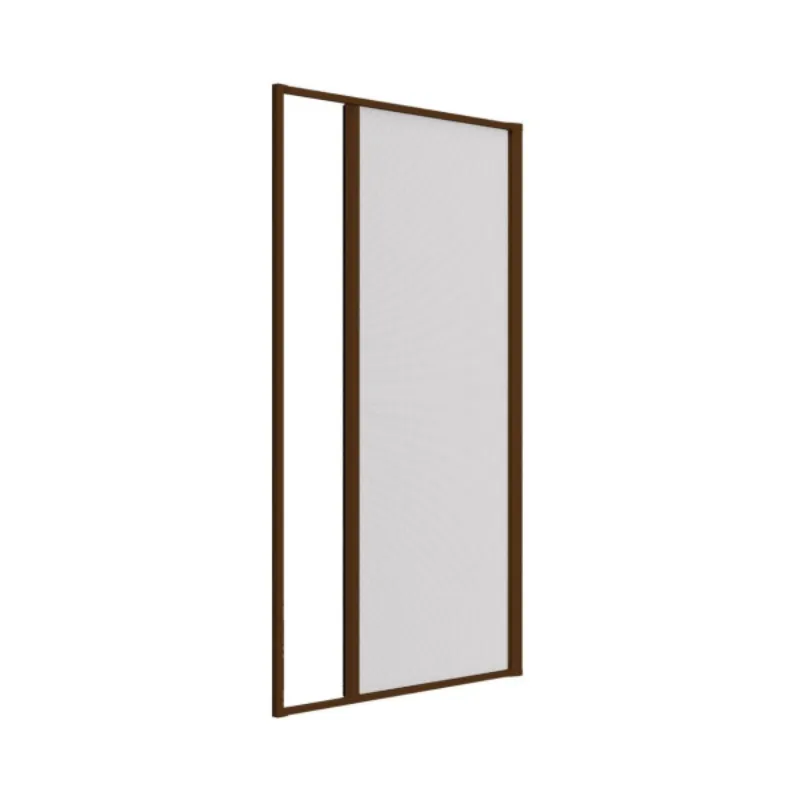
A fully deployed roller fly screen door providing unobstructed views and protection.
Application Scenarios Across Diverse Industries
The versatility and high performance of the roller fly screen door make it an ideal solution for a broad spectrum of B2B applications, moving beyond typical residential uses to meet specialized industrial and commercial requirements:
- Hospitality & Food Service: Restaurants, hotels, and cafes require stringent hygiene standards. Roller screens on kitchen entrances, patio doors, and service areas prevent insect entry while maintaining airflow and aesthetic appeal. The `rolling mosquito net door` is critical for outdoor dining areas.
- Healthcare Facilities: Hospitals, clinics, and elderly care homes benefit from improved air circulation and insect control, vital for patient comfort and preventing disease vectors.
- Commercial Offices & Public Buildings: To enhance employee comfort and reduce HVAC costs, roller screens can be installed on large doorways or balcony access points, particularly in temperate climates.
- Education Sector: Schools and universities can use these screens in cafeterias, dormitories, and common areas to create healthier and more comfortable learning environments.
- Industrial Applications:
- Petrochemical & Metallurgy: While not typically for production areas, roller screens are essential for administrative offices, control rooms, and break areas within these industrial complexes. They provide a clean, insect-free environment for personnel, enhancing productivity and comfort away from the harsher production zones. The corrosion resistance of frames is a key advantage here.
- Water Supply & Drainage Facilities: Laboratories, operational control rooms, and staff buildings within these facilities can significantly benefit from robust `rolling fly screen door` solutions. They help maintain sterile environments and protect sensitive equipment from dust and insects, crucial for operational integrity.
- Warehouses & Logistics: For bays or loading docks that require temporary airflow without insect ingress, robust roller screens can be employed, particularly in food storage or pharmaceutical logistics.
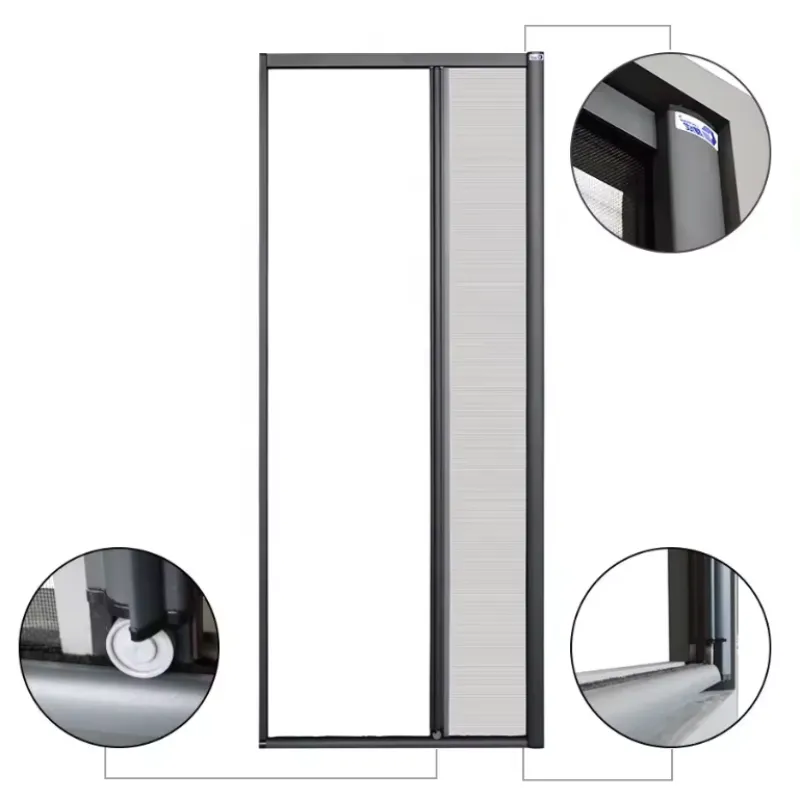
Roller screen door integrated seamlessly into a modern architectural setting.
Vendor Comparison and Selection Criteria
Selecting the right supplier for a roller fly screen door is critical for B2B clients, influencing product quality, project timelines, and long-term cost of ownership. Key criteria for vendor evaluation include:
- Material Quality & Durability: Assess the grade of aluminum, mesh specifications, and component robustness. Look for certifications like Qualicoat (for powder coating) or AAMA (for architectural aluminum).
- Customization Capabilities: Can the vendor provide bespoke sizes, frame colors, mesh types, and operational mechanisms (manual, motorized, smart-controlled) to match specific project requirements?
- Certifications & Standards: Verify compliance with international quality management systems (e.g., ISO 9001) and relevant product performance standards.
- Warranty & After-Sales Support: A strong warranty and reliable customer support are indicators of a manufacturer's confidence in their product and commitment to client satisfaction.
- Lead Times & Logistics: For large-scale projects, efficient manufacturing capacity and reliable global shipping are paramount.
- Reputation & Experience: Long-standing vendors with a proven track record and positive client testimonials often offer greater reliability.
Comparison of Leading Roller Screen Door Features (Illustrative):
| Feature/Vendor | Vendor A (Premium) | Vendor B (Mid-Range) | Vendor C (Economical) |
|---|---|---|---|
| Frame Material | Marine-grade Aluminum (6063-T5) | Standard Aluminum (6063-T5) | Recycled Aluminum / Thinner Gauge |
| Mesh Options | Fiberglass (PVC Coated, 20x20), PET, Stainless Steel | Fiberglass (PVC Coated, 18x16) | Standard Fiberglass (16x14) |
| Operation System | Motorized (Remote/Smart Home), Soft-Close Manual | Spring-Loaded Manual (Controlled Speed) | Basic Spring-Loaded Manual |
| Corrosion Resistance | Excellent (AAMA 2605 Powder Coat / Anodized) | Good (Standard Powder Coat) | Moderate (Basic Paint) |
| Warranty (Parts) | 5-10 Years | 2-5 Years | 1 Year |
Customized Solutions and Integration Capabilities
For B2B clients, particularly those managing large-scale projects or specialized facilities, off-the-shelf solutions rarely suffice. High-quality `rolling mosquito net door` manufacturers excel in offering extensive customization options:
- Bespoke Sizing: Tailored to fit non-standard door openings, including oversized doorways common in commercial and industrial settings.
- Color Matching: Frames can be powder-coated to match specific RAL colors, seamlessly integrating with existing architectural palettes or brand guidelines.
- Mesh Specialization: Options include pet-resistant mesh, solar control mesh (to reduce heat gain), privacy mesh, or anti-vandal mesh for increased security.
- Motorization & Automation: Integration with building management systems (BMS) for automated operation, remote control, or timed deployment. This enhances accessibility and energy management.
- Installation Types: Designed for various mounting methods, including recess-mounted for a flush finish or surface-mounted for existing structures.
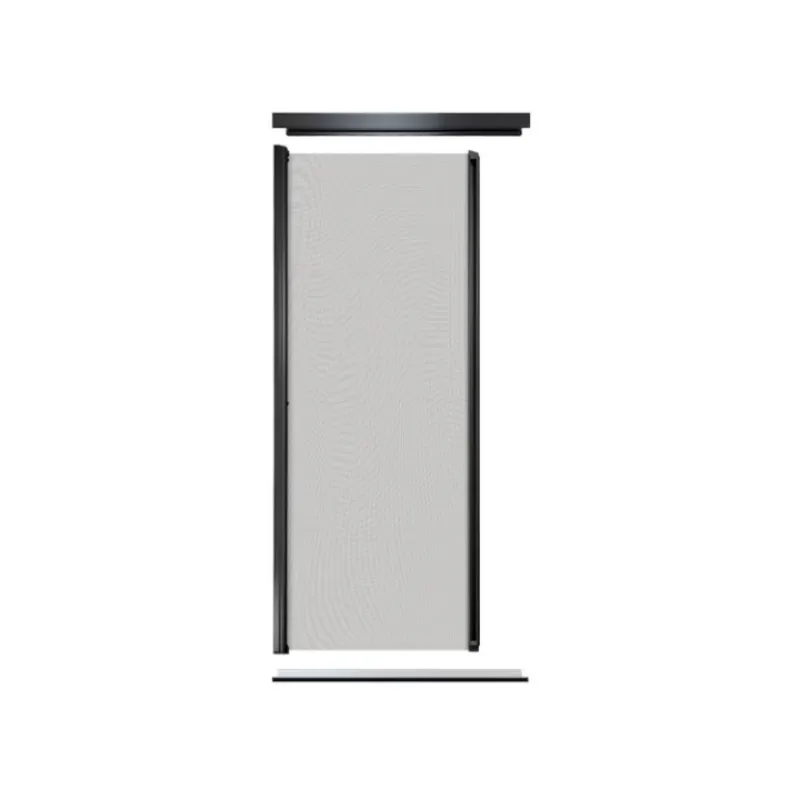
Customizable roller screen door features and finishes.
Real-World Application Case Studies
Examining real-world implementations of the roller fly screen door demonstrates their tangible benefits and versatility:
-
Case Study 1: Luxury Hotel Chain (Coastal Region)
A prominent luxury hotel group implemented custom-sized roller fly screen door systems on all balcony access points in their coastal resort properties. The objective was to provide insect protection without obstructing panoramic ocean views or the high-end aesthetic. Outcome: Guests reported significantly improved comfort and satisfaction, allowing them to enjoy sea breezes without insect disturbance. The marine-grade aluminum frames and specialized mesh held up exceptionally well against saltwater corrosion, extending the product lifespan and reducing maintenance costs compared to previous traditional screens.
-
Case Study 2: Pharmaceutical Research Laboratory
A leading pharmaceutical research facility installed a series of motorized `rolling fly screen door` units on key access points between laboratory areas and sterile corridors. The screens needed to be highly effective at particulate and insect exclusion while allowing for rapid, hands-free entry/exit. Outcome: The automated screens significantly reduced the ingress of airborne contaminants and insects, contributing to the maintenance of critical environmental conditions. Their unobtrusive design also facilitated smoother workflow and emergency egress protocols.
-
Case Study 3: Modern Office Building (Urban Environment)
An architectural firm specified roller fly screen door solutions for the large glass doors connecting open-plan offices to outdoor terraces in a newly constructed commercial building. The goal was to maximize natural ventilation and light while preventing urban insect issues. Outcome: Post-installation surveys indicated a 15% reduction in air conditioning usage during milder months due to increased natural airflow. Employees reported a more comfortable and appealing workspace, enhancing overall productivity and well-being. The screens' discreet design preserved the building's contemporary aesthetic.
Trustworthiness and Support
Establishing trust with B2B clients requires transparency, robust support systems, and adherence to industry best practices. Here's how a reputable supplier of roller fly screen door solutions ensures client confidence:
Frequently Asked Questions (FAQ)
Q: What are the maximum dimensions for a single roller fly screen door?
A: Typically, a single panel can span up to 1.8 meters (70 inches) in width and 3.0 meters (118 inches) in height. For larger openings, custom double-panel systems are available to cover wider expanses.
Q: Are motorized options available, and can they be integrated with building automation systems?
A: Yes, motorized options with remote control or wall switch operation are common. Many systems can be integrated with smart home or building management systems (BMS) via dry contact relays or specific communication protocols (e.g., Z-Wave, Zigbee), allowing for centralized control and scheduling.
Q: How do `rolling mosquito net door` systems perform in high-wind environments?
A: High-quality roller screens are engineered with robust side guides and secure retention systems to withstand moderate to strong winds (up to Beaufort Scale 6 for standard models). For extremely windy locations, specialized reinforced systems with zipper retention tracks are available.
Lead Time & Fulfillment
Standard lead times for custom-ordered roller fly screen door solutions typically range from 4-6 weeks, depending on customization complexity, order volume, and current production schedules. Expedited services may be available upon request. Our robust supply chain and global logistics partners ensure timely and secure delivery to project sites worldwide.
Warranty Commitments
We stand behind the quality and durability of our products. All `roller fly screen door` systems come with a comprehensive warranty: typically a 5-year warranty on aluminum frames and a 2-year warranty on mesh and moving parts (springs, motors). Specific warranty details are provided with each quotation and are subject to standard terms and conditions.
Customer Support & After-Sales Service
Our commitment extends beyond delivery. We offer dedicated technical support, providing detailed installation guides, troubleshooting assistance, and maintenance recommendations. Our team is available via phone, email, and online portal to address any inquiries or service needs, ensuring the long-term optimal performance of your `rolling fly screen door` investment.
Certifications and Authoritative References
Our manufacturing processes and products adhere to stringent international standards, including ISO 9001:2015 for Quality Management Systems. Our aluminum finishes comply with AAMA 2604/2605 or Qualicoat specifications, ensuring superior durability and weather resistance. We also provide test data on mesh UV stability and wind load resistance upon request, backed by independent laboratory certifications where applicable.
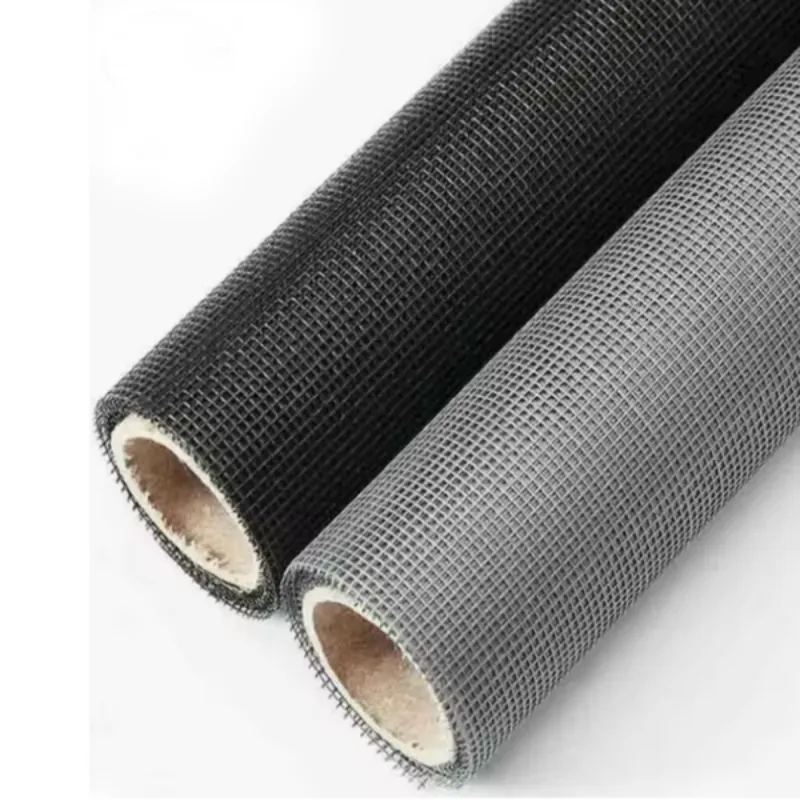
The robust and discreet housing of a roller screen mechanism.
Conclusion
The advanced roller fly screen door is more than just an insect barrier; it is a sophisticated architectural component designed to enhance environmental control, aesthetics, and operational efficiency across a multitude of B2B applications. From contributing to energy savings in commercial offices to maintaining sterile conditions in specialized industrial facilities, these systems offer a compelling blend of technical superiority, customizability, and long-term value. By prioritizing high-quality materials, precision manufacturing, and comprehensive client support, businesses can leverage these innovative solutions to meet evolving demands for comfort, sustainability, and design excellence.
References:
- Grand View Research. (2020). Insect Screen Market Size, Share & Trends Analysis Report By Material, By Application (Residential, Commercial), By Region, And Segment Forecasts, 2020 - 2027.
- International Organization for Standardization (ISO). (2015). ISO 9001:2015 - Quality management systems — Requirements.
- American Architectural Manufacturers Association (AAMA). (2020). AAMA 2604/2605 Voluntary Specification, Performance Requirements and Test Procedures for High Performance Organic Coatings on Aluminum Extrusions and Panels.
- ASTM International. (Various Standards). Standards related to aluminum alloys and mesh materials.
- Qualicoat. (2020). Global quality label for coated aluminium.
Latest news
-
Best Guide to Choose a Screen Door for Sliding Door for Your Home
NewsApr.16,2026 -
The Ultimate Guide to Choosing a screen door for a sliding door
NewsApr.09,2026 -
Choosing the Perfect Patio Sliding Screen Door for Your Home
NewsApr.07,2026 -
Choosing the Best Patio Screen Door with Frame for Your Home and Lifestyle
NewsApr.04,2026 -
Comprehensive Guide to Net Sliding Door Price Factors and Options
NewsMar.31,2026 -
Enhance Your Outdoor Space with a Durable Net Sliding Door for Balcony
NewsMar.28,2026 -
Discover the Benefits of Net Door Sliding Systems for Modern Homes
NewsMar.26,2026