

Dec . 03, 2025 16:26 Back to list
Roller Fly Screen for Doors: Benefits, Uses & Innovations
Understanding Roller Fly Screens for Doors: Practical Benefits & Global Relevance
If you’ve ever sat on a summer evening, enjoying the breeze through an open door without a single pesky insect in sight, you might just have a roller fly screen for doors to thank. While it may sound like a small detail, this simple yet ingenious product has widespread importance, especially in regions where insects can be more than just a nuisance—they can pose health risks. Globally, with over 700 million people at risk from mosquito-borne diseases such as malaria and dengue (WHO, 2023), keeping bugs out while maintaining fresh airflow is critical. That’s precisely where these fly screens come in, marrying convenience with safety and comfort.
In this article, we’ll explore what roller fly screens for doors are, why they matter worldwide, their core components, and how they fit into broader environmental and social needs. Spoiler: their value extends beyond just keeping bugs out.
Global Context: Why Roller Fly Screens for Doors Matter
According to the United Nations, roughly half the world’s population lives in mosquito-prone areas, with many dwelling in rural and semi-urban settings where air conditioning is rare. Ventilation is vital for health and wellbeing, but so is protection from flies, mosquitoes, and other disease vectors.
Fly screens are simple barriers, but globally, their adoption has direct ties to improved health outcomes and energy savings—since homes can rely more on natural ventilation instead of electricity-hungry cooling systems. The International Organization for Standardization (ISO) even establishes fabric and mesh standards to ensure efficacy and durability.
Yet many face challenges: traditional fixed screens block airflow; some retractable screens lack durability; and installation complexities turn off potential users. Roller fly screens for doors address many of these problems by offering flexible, user-friendly protection.
What Is a Roller Fly Screen for Doors?
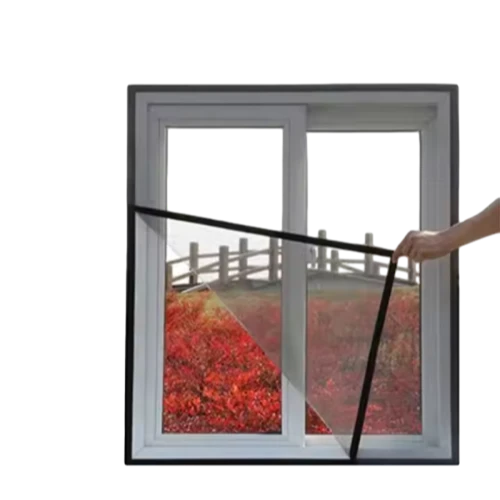
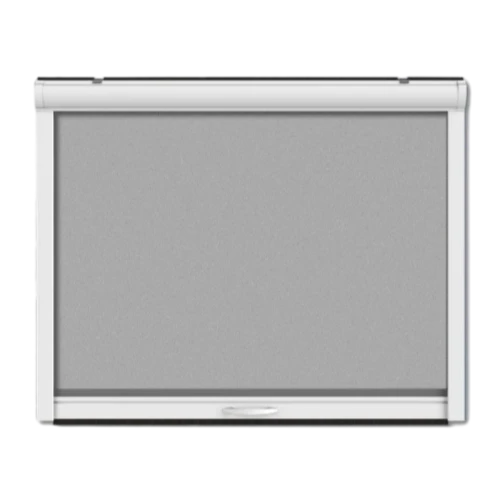
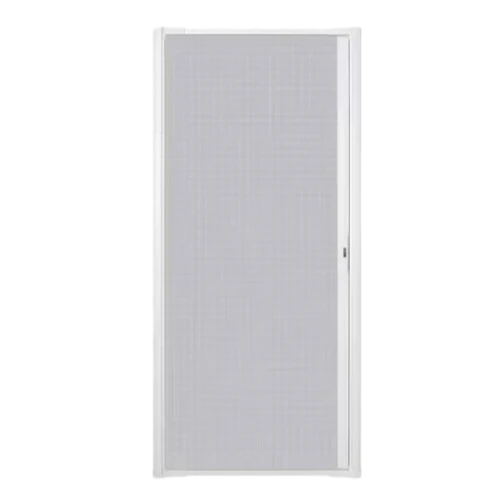
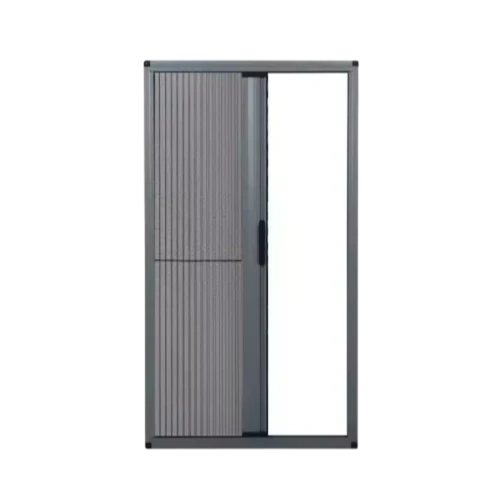
Simply put, a roller fly screen for doors is a retractable screen mesh fitted inside a frame that rolls neatly into a cassette when not in use. This design allows homeowners to keep doors wide open to invite light and air without inviting insects in.
Unlike static screens, roller types disappear unobtrusively when retracted, making them an appealing choice for aesthetic, functional, and space-saving reasons. They combine industrial design savvy with practical daily living—applicable in everything from modern urban apartments to rural homes or even humanitarian relief shelters.
Key Components & Features of Roller Fly Screens for Doors
1. Mesh Material
The quality and type of mesh determine how well the screen blocks insects while allowing airflow. Common materials include fiberglass and stainless steel, with options for pet-resistant or extra-fine mesh.
2. Cassette Housing
This part stores the rolled mesh when retracted. Durable aluminum or coated steel cassettes protect the mesh from damage and dust accumulation.
3. Spring Mechanism
A built-in spring allows the screen to roll up smoothly and remain taut when extended. It needs to be balanced perfectly—too loose, and the screen sags; too tight, and it becomes hard to operate.
4. Side Guides & Seals
These keep the screen secure in door frames, preventing gaps where insects could sneak in. They also ensure smooth gliding along the frame during use.
5. Locking Handles or Magnetic Closures
To hold the screen firmly closed, some models include magnetic seals or locks, which also add to security and durability.
| Feature | Typical Spec | Benefit |
|---|---|---|
| Mesh Material | Fiberglass / Stainless Steel | Durable, high airflow & insect blockage |
| Cassette Size | 40 - 55 mm | Compact and low profile |
| Spring Mechanism | Durable steel spring | Smooth operation + long life |
| Side Guides | Anodized aluminum | Secure fit, prevents insect entry |
Mini takeaway: Roller fly screens combine practical engineering with easy daily use — a small innovation with big lifestyle and health benefits.
Where Are Roller Fly Screens for Doors Used Globally?
From tropical Southeast Asia to Mediterranean Europe, these screens have found wide acceptance. In Australia, for instance, homeowners use them to keep out mosquitoes while maximizing cross-ventilation during hot summers.
In humanitarian contexts, NGOs occasionally install fly screens on shelter doors in malaria-prone regions to reduce disease transmission risks. The screens are affordable, low-maintenance, and easy to retrofit, which makes them perfect for relief operations or off-grid housing.
Industrial zones in warm climates benefit, too—the screens maintain airflow while minimizing insect contamination in food processing areas or hospitals, complying with hygiene standards.
This versatility highlights their universal appeal, as well as their alignment with sustainability goals by reducing reliance on electric insect repellents or air conditioning.
Advantages and Long-Term Value
- Cost-Efficient: Unlike electronic repellents or AC units, these screens require only occasional maintenance.
- Sustainability: They promote natural ventilation, cutting down carbon footprints.
- Health & Safety: Effectively block disease-spreading insects, preserving well-being.
- Durability: Long-lasting materials withstand weather and wear.
- Enhanced Comfort & Privacy: Retractable design means no obstruction when not required.
Oddly enough, many users say the freedom of having a fly screen that "disappears" when you want a full open door really adds a bit of dignity and ease to everyday life. It's not just tech; it's a lifestyle upgrade.
Future Trends & Innovations in Roller Fly Screens
With growing environmental concerns, manufacturers are exploring solar-powered retractable screens that integrate seamlessly with smart home systems. Imagine a screen that closes automatically based on detected insect activity or weather changes—something that feels straight out of a sci-fi movie but may soon be standard.
New materials, such as nanofiber meshes, promise enhanced air permeability while being ultra-strong and even self-cleaning. Policies are also encouraging insect barrier installations in new buildings, tying into holistic health strategies worldwide.
Challenges and Smart Solutions
Installation can sometimes be tricky on irregular door frames—especially in older or damaged buildings. However, customizable frames and modular kits are becoming more prevalent, making DIY solutions easier.
Another concern is mesh wear and tear, especially in high-traffic doors. Advances in pet-resistant mesh and stronger spring designs are mitigating these issues. Moreover, companies now offer easy-to-replace mesh kits, extending product life and reducing waste.
Vendor Comparison: Popular Roller Fly Screen Brands
| Vendor | Price Range (USD) | Unique Feature | Warranty |
|---|---|---|---|
| ScreenEase | $120–$250 | Pet-resistant mesh | 3 years |
| FlyLock Solutions | $100–$220 | Magnetic lock closure | 2 years |
| EcoScreen Tech | $130–$280 | Solar-powered automatic rolling | 4 years |
Frequently Asked Questions About Roller Fly Screens for Doors
- Q1: How easy is it to install a roller fly screen on existing doors?
- Most roller fly screens are designed for straightforward installation with minimal tools. Many brands offer DIY kits with adjustable frames to fit standard door sizes. For irregular frames, professional fitting is recommended to ensure optimal sealing and function.
- Q2: Can roller fly screens withstand pets?
- Yes, especially models with pet-resistant mesh which is made from stronger fibers to resist tears and scratches. These are perfect for households with cats or dogs that like to brush by doors.
- Q3: Do roller fly screens impact door aesthetics?
- Because they retract into a slim cassette, they are much less intrusive than fixed screens. The cassette and frame colors can often be matched to door trims for a sleek and subtle look.
- Q4: Are roller fly screens suitable for outdoor use?
- Yes, high-quality screens use weather-resistant materials built to perform in various climates. Ensure the product’s rated wind resistance and UV protection match your local conditions.
- Q5: How often should the mesh be replaced?
- Typically, with normal use and care, you can expect 5-7 years of service. However, it depends on local conditions and exposure—checking for holes or wear annually is good practice.
Conclusion: Why Invest in Roller Fly Screens for Doors?
To wrap up, roller fly screens for doors are more than just a convenience. They represent an elegant, sustainable solution for maintaining airflow, safety, and comfort in homes and workplaces worldwide. Easy to operate, durable, and increasingly innovative, these screens help bridge the gap between modern living and environmental awareness.
If you’re thinking of upgrading or installing fly screens, roller fly screen for doors offer a blend of style and function that’s hard to beat. It feels like a small step, but it's one that can profoundly improve quality of life—and that’s well worth considering.
Thanks for hanging in here—you now know what makes these modest screens such global game-changers!
References:
- World Health Organization (WHO). Vector-borne Diseases Fact Sheet, 2023.
- United Nations, Sustainable Development Goals Report, 2022.
- International Organization for Standardization (ISO) Mesh Standards: ISO 9044, 2021.
Latest news
-
Best Guide to Choose a Screen Door for Sliding Door for Your Home
NewsApr.16,2026 -
The Ultimate Guide to Choosing a screen door for a sliding door
NewsApr.09,2026 -
Choosing the Perfect Patio Sliding Screen Door for Your Home
NewsApr.07,2026 -
Choosing the Best Patio Screen Door with Frame for Your Home and Lifestyle
NewsApr.04,2026 -
Comprehensive Guide to Net Sliding Door Price Factors and Options
NewsMar.31,2026 -
Enhance Your Outdoor Space with a Durable Net Sliding Door for Balcony
NewsMar.28,2026 -
Discover the Benefits of Net Door Sliding Systems for Modern Homes
NewsMar.26,2026