

Nov . 18, 2025 14:30 Back to list
Round Ceiling Mosquito Net — Efficient, Durable Protection Against Mosquitoes
What Exactly Is a Round Ceiling Mosquito Net and Why Should We Care?
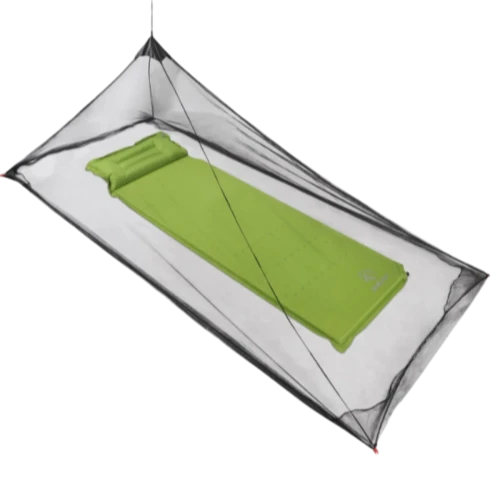
If you've spent a night outdoors in the tropics or even tried to keep pesky mosquitoes from ruining a good sleep, you’ll know the real value of a mosquito net. The round ceiling mosquito net is more than just a fabric shield—it’s a simple but effective product that plays a surprisingly big role in global health and comfort. At its core, this net is a dome-shaped, often circular mesh screen designed to hang from a ceiling, draping over beds or seating areas to create a protected bubble free from mosquitos and other flying insects. Why the fuss? Mosquito-borne diseases remain a major health challenge in many parts of the world, according to the World Health Organization (WHO). Malaria alone causes hundreds of thousands of deaths annually, most of them children under five. A well-designed round ceiling mosquito net offers a practical, chemical-free barrier that helps reduce disease transmission, improves sleep quality, and supports dignity and safety for millions, especially in vulnerable or underserved communities.The Global Context: Mosquito Nets as a Lifeline
The fight against mosquito-borne illnesses is a major international health campaign, backed by organizations like the United Nations and various NGOs. According to WHO data, malaria claimed about 627,000 lives worldwide in 2020 — and it’s largely preventable. This doesn’t just affect personal health, but also socioeconomic factors like productivity and education, especially in tropical and subtropical regions. Here’s where the round ceiling mosquito net becomes more than a household item. In epidemic-prone zones across Sub-Saharan Africa, Southeast Asia, and parts of Latin America, these nets have become critical parts of community health strategies. The accessibility, affordability, and straightforward installation make them a popular choice in rural and urban settings. However, global supply chains and quality vary dramatically — a problem the industry continues to tackle with innovation and certification efforts, like those aligned with ISO standards for materials and safety.Breaking It Down: What Makes Up a Round Ceiling Mosquito Net?
Let’s unpack the main features or components that define these nets:1. Material & Mesh Quality
Typically made of polyester or polyethylene, the mesh size is small enough (usually under 1.5mm) to block mosquitoes but lets air flow freely. The strength and durability can vary — some are treated with insecticides for added protection, while others embrace eco-friendly, chemical-free approaches.2. Shape & Hanging Design
The “round ceiling” design is distinctive — the net is meant to hang from a single central point on the ceiling, spreading out in a circular fashion over a bed or seating area. This configuration minimizes fabric and maximizes coverage with less fuss than rectangular nets that require more mounting points.3. Size & Coverage
Sizes vary to fit single beds, double beds, or even entire room seating areas. Some models come in expandable designs or with tailoring options to fit unusual spaces. Choosing the right size is vital — too small, and you lose protection; too big, and the net can become unwieldy or collect dust.4. Portability & Maintenance
A round ceiling mosquito net is often lightweight and can be folded away easily for travel or storage. This makes them ideal for field workers, campers, or travelers. Maintenance typically involves gentle washing and drying away from direct sunlight to avoid weakening fibers.5. Safety Features
Flame retardant materials, non-toxic treatments, and secure hanging systems all factor into the design to ensure user safety. In areas prone to fire hazards or with young children, these features become more than minor considerations.Mini takeaway: In short, a good round ceiling mosquito net is a carefully engineered mix of materials, design, and usability that all come together to create a barrier between you and disease-carrying insects.
Round Ceiling Mosquito Net Around the World: How and Where They’re Used
In real terms, these nets are everywhere — from modest village homes in Malawi to luxury eco-lodges in Costa Rica. In post-disaster relief operations, for example, agencies like Médecins Sans Frontières often distribute round ceiling mosquito nets because they are easy to hang in temporary shelters or tents, offering instant protection. Industrial zones and remote work camps in Southeast Asia and Africa employ these nets to protect staff who live on-site from mosquito-borne diseases. Similarly, urban areas with sporadic outbreaks rely on them in households, schools, and clinics. One interesting case: In rural Nepal, NGOs distribute treated round ceiling mosquito nets as part of an integrated malaria prevention program — their design allows easy hanging from traditional ceilings made of bamboo or timber, making the nets highly suited to local architecture.Regional Benefit Highlights:
- Sub-Saharan Africa: Malaria-endemic zones deploy insecticide-treated round ceiling nets widely.
- Southeast Asia: Used in remote industrial camps and rural communities to reduce dengue fever transmission.
- Latin America: Eco-lodges and rural schools incorporate nets for visitor and student safety.
Mini takeaway: The versatility and ease of use of round ceiling mosquito nets make them indispensable across diverse climates and uses worldwide.
Looking Inside: Product Specification Table for Typical Round Ceiling Mosquito Nets
| Feature | Specification | Comment |
|---|---|---|
| Material | Polyester / Polyethylene | Lightweight & breathable |
| Mesh Size | 1.2mm - 1.5mm | Prevents mosquito entry |
| Shape | Circular dome | Single-hanging point for easy installation |
| Sizes Available | Single to king-size bed | Custom sizing often offered |
| Treatments | Insecticide-treated & untreated versions | Chemical-free options growing in demand |
| Weight | About 150-250g per net | Light enough for travel and easy setup |
How Vendors Stack Up: Comparing Popular Manufacturers
| Vendor | Material Quality | Insecticide Treatment | Customization Options | Price Range (USD) | Additional Features |
|---|---|---|---|---|---|
| EcoMesh Supplies | High-density polyester | Available | Custom sizes & colors | 12-25 | UV-resistant coating |
| SafeSleep Nets | Polyethylene mesh | Standard insecticide coating | Standard sizes only | 10-18 | Lightweight & packable |
| PureGuard Innovations | Organic cotton blend | Chemical-free | Custom designs, colors | 18-35 | Eco-certified, vegan materials |
The Many Advantages of Using Round Ceiling Mosquito Nets
Here’s where I’m always reminded how such a simple product can vastly affect quality of life. The immediate benefit is clear: protection against mosquito bites and by extension, diseases. But it’s more than that. Cost-effective? Absolutely. These nets are affordable, long-lasting, and don’t rely on electricity or additional equipment. Sustainable? The move toward insecticide-free or organic materials addresses eco-concerns, especially important in sensitive environments. Socially, sleeping under a mosquito net can feel empowering — a layer of safety and dignity. It provides peace of mind, reduces anxiety about illness, and improves sleep quality, which impacts daily productivity. In humanitarian contexts, it’s part of a larger strategy for health, but for everyday users, it’s just good old common sense.What’s Next: Innovations and Trends
New materials are making these nets lighter and stronger — nano-fibers and hybrid textiles promise even more durable and breathable designs. Technology is creeping in with smart nets that monitor wear and tear or automatically release insecticides when needed (though still early stage). Sustainability trends dominate too — more vendors produce nets from biodegradable fabrics or use greener manufacturing. Digital platforms have improved distribution channels, meaning faster deployment in crisis zones. Plus, designs are becoming user-centric — modular, easy-to-clean nets that fold into compact packs for travel and emergencies.Challenges and How the Industry Is Addressing Them
Of course, it’s not all perfect. Issues with net durability in harsh climates, insecticide resistance, and user compliance remain hurdles. Some nets are hard to hang if ceilings are irregular or absent, and poor quality nets tend to tear easily. Innovations in framing systems or packaging, as well as training programs on proper net use, are standard answers. Rethinking materials to resist UV damage or mechanical stress helps. NGOs and manufacturers working together ensure that nets reach the people who need them and are actually used — a big challenge in any public health intervention.Frequently Asked Questions About Round Ceiling Mosquito Nets
Q1: How easy is it to install a round ceiling mosquito net?
A: Very easy. Designed to hang from one central hook or pin in the ceiling, they spread out and drape naturally. Installation generally requires basic hardware and can be done without professional help in minutes.
Q2: Are insecticide-treated nets safe for children?
A: Yes, when treated according to international safety standards. The insecticide is embedded in the fabric and designed to reduce mosquito bites without direct chemical contact. Always follow manufacturer instructions and keep nets clean.
Q3: Can these nets be used outdoors?
A: They’re primarily designed for indoor use but can be adapted for screened outdoor seating or campsites. However, extended exposure to sunlight and weather may degrade the material faster, so portability and storage are key.
Q4: How long does a round ceiling mosquito net typically last?
A: With proper care, 3 to 5 years is common. Lifespan can vary based on quality, exposure, and frequency of washing.
Q5: Where can I buy reliable round ceiling mosquito nets for community programs?
A: Reputable suppliers often partner with NGOs or government projects. Online platforms like round ceiling mosquito net vendors also offer bulk options tailored for public health distribution.
Wrapping Up: Why This Simple Net Matters
Over time, the round ceiling mosquito net has evolved from a basic textile to a vital tool in the global health arsenal. Its blend of simplicity, effectiveness, and adaptability means it will remain relevant for years to come — as a shield for families in malaria zones, as a traveler’s must-have, and as a staple in emergency relief kits. So, if you’re looking to improve health outcomes, secure peaceful nights, or explore effective mosquito protection strategies, the round ceiling mosquito net is worth your attention. To explore options, check out our trusted selections at round ceiling mosquito net. Thanks for sticking with me on this — it’s fascinating how these small things make a big difference.References
Latest news
-
Best Guide to Choose a Screen Door for Sliding Door for Your Home
NewsApr.16,2026 -
The Ultimate Guide to Choosing a screen door for a sliding door
NewsApr.09,2026 -
Choosing the Perfect Patio Sliding Screen Door for Your Home
NewsApr.07,2026 -
Choosing the Best Patio Screen Door with Frame for Your Home and Lifestyle
NewsApr.04,2026 -
Comprehensive Guide to Net Sliding Door Price Factors and Options
NewsMar.31,2026 -
Enhance Your Outdoor Space with a Durable Net Sliding Door for Balcony
NewsMar.28,2026 -
Discover the Benefits of Net Door Sliding Systems for Modern Homes
NewsMar.26,2026