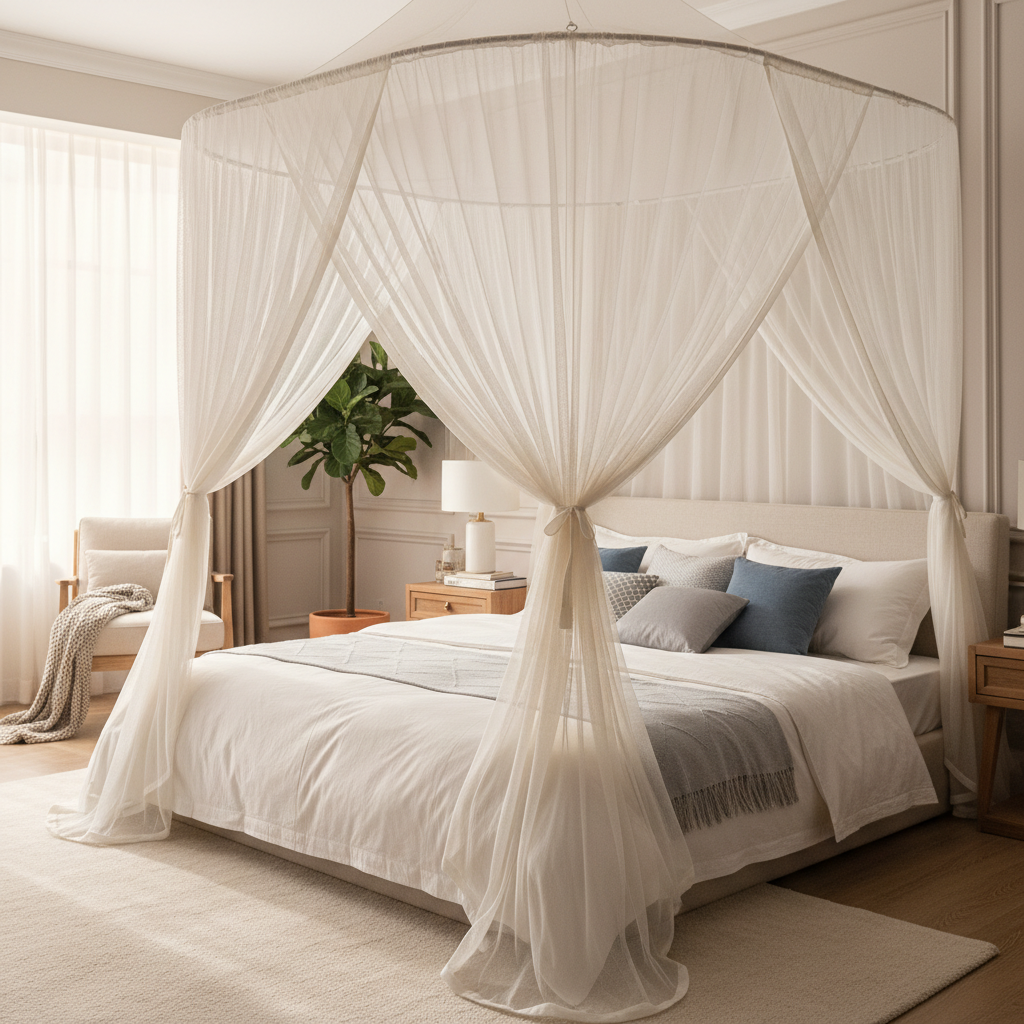
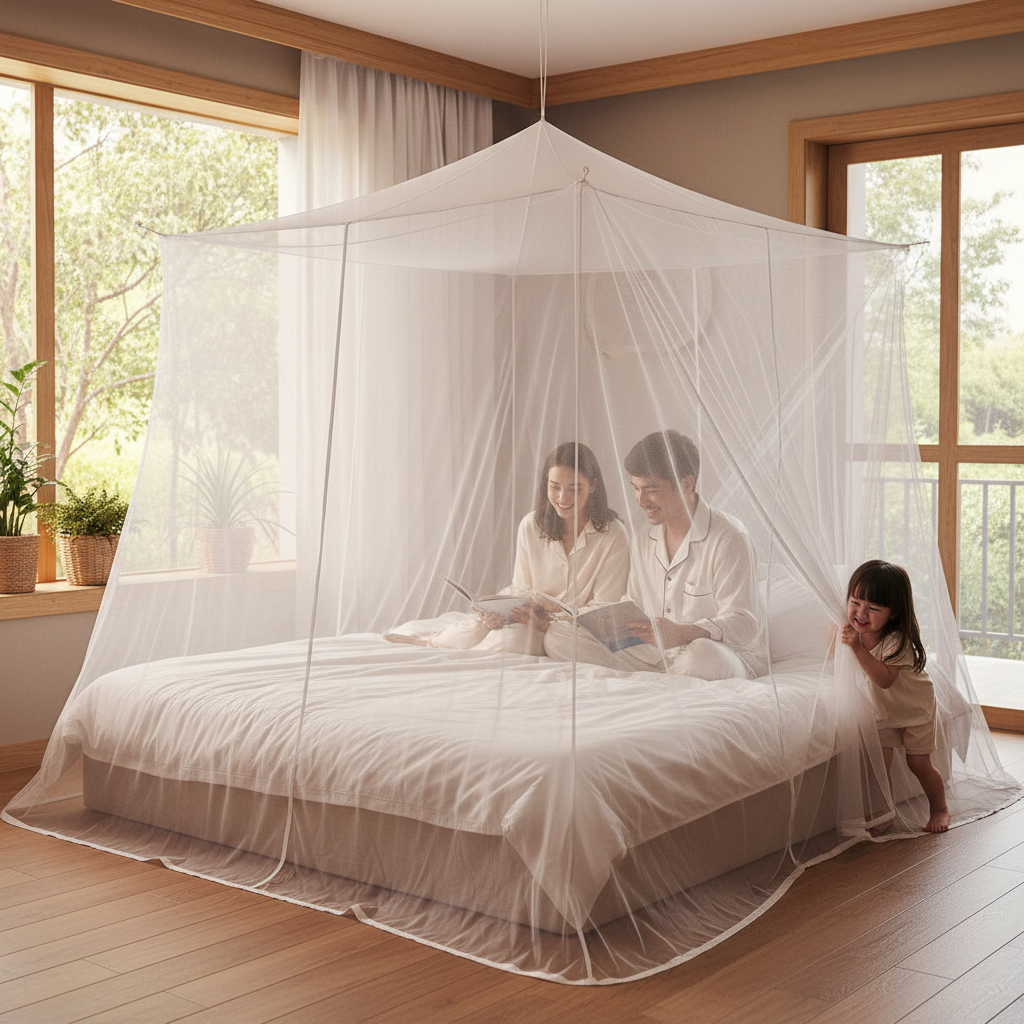
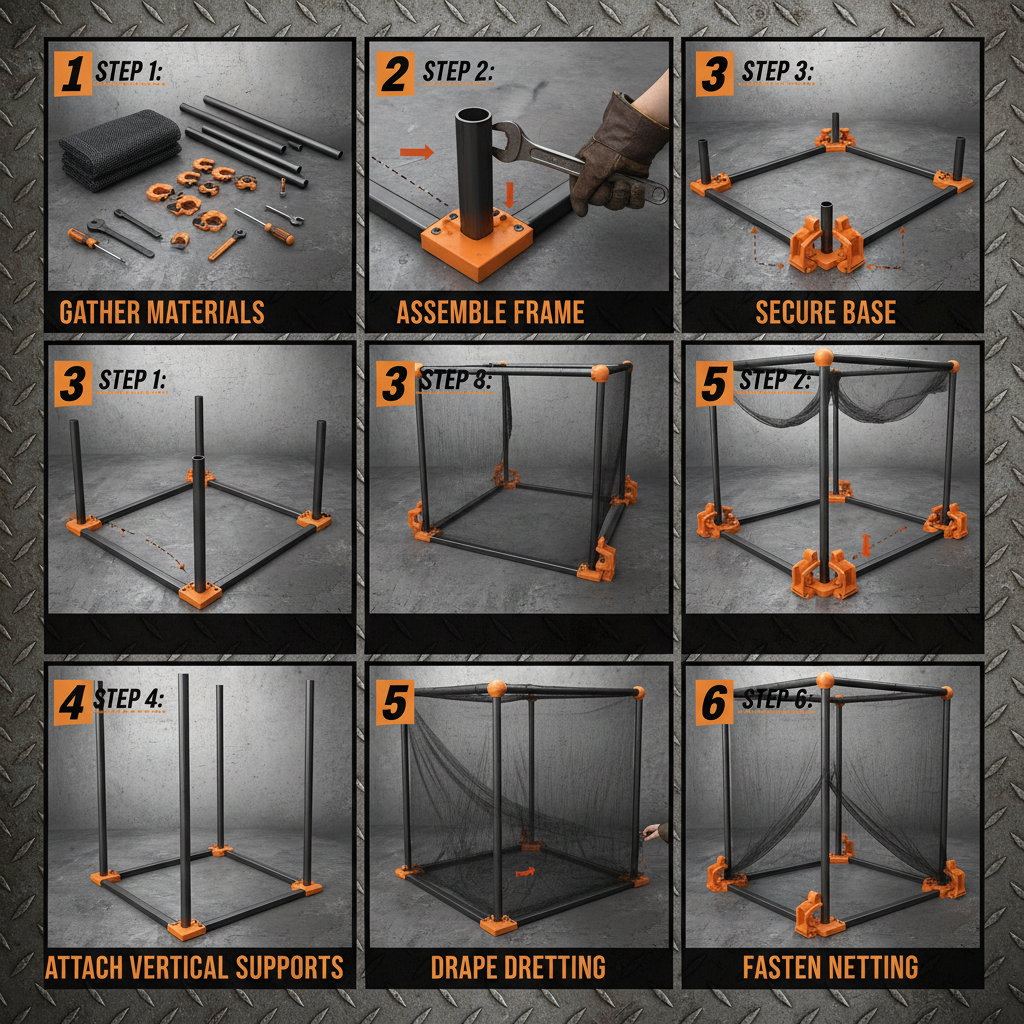
Insect net beds. Seems simple, right? But after years spent on construction sites, in disaster relief camps, and talking to folks battling vector-borne diseases, I can tell you it’s far from it. It's about more than just a net; it's about a safe night’s sleep, a barrier against debilitating illness, and ultimately, a chance at a productive life. We're talking malaria, dengue fever, Zika… diseases that aren't just health issues, they're development setbacks. A properly designed and implemented insect net bed is a foundational element in tackling these problems.
What I've seen over the years is that the ‘best’ solution on paper often falls apart in the real world. A net might be lab-tested for durability, but how does it hold up to repeated washing by a family with limited resources? How easy is it to hang in a makeshift shelter? That's where the real work begins - not just producing a net, but understanding how it's going to be used and ensuring it fits into the lives of the people it’s meant to protect.
From the sweltering heat of Sub-Saharan Africa to the humid jungles of Southeast Asia, the need for effective insect protection is constant. It’s not just about humanitarian aid either. Remote construction camps, agricultural workers, even outdoor tourism… anyone spending extended periods in mosquito-prone areas benefits. The demand is huge, and frankly, the potential to improve lives is even bigger. It’s a field ripe for innovation, and one I’m genuinely passionate about.
The Importance of Insect Net Bed in Global Health
Look, the numbers don’t lie. According to the World Health Organization, malaria alone caused over 600,000 deaths in 2022, most of them children under five. Dengue fever is on the rise globally. These aren’t just statistics; they're families devastated, economies hampered, and potential lost. Insect net beds, specifically long-lasting insecticidal nets (LLINs), are a proven intervention. They’ve been instrumental in reducing malaria incidence in many regions, but complacency is a killer. We need continued investment, constant improvement, and smart distribution strategies.
It's not a silver bullet, mind you. It needs to be part of an integrated vector management plan – draining stagnant water, using larvicides, and promoting awareness. But an insect net bed is the first line of defense, and a consistently reliable one when done right. And with increasing climate change creating more favorable conditions for mosquito breeding, the need is only going to grow.
Defining Insect Net Beds: Beyond the Basics
People often think of an insect net bed as simply a mosquito net draped over a bed. But it’s evolved significantly. We're largely talking about LLINs now – nets treated with insecticide, usually pyrethroid, that lasts for several years, even with repeated washing. These are designed to kill mosquitoes that land on the net, providing a protective barrier while sleeping.
The connection to modern industry isn’t just manufacturing, it's material science. We’re constantly looking at different yarn types – polyester, polyethylene, even incorporating stronger, more durable fibers. The insecticide treatment itself is a constant area of research to combat insecticide resistance. It’s about creating a product that’s effective and sustainable.
And it's tied to humanitarian needs on a massive scale. Organizations like the UN Refugee Agency (UNHCR) and the Global Fund rely heavily on these nets to protect vulnerable populations in conflict zones, refugee camps, and areas with high disease prevalence. The logistical challenges of getting these nets to the people who need them are immense, and quality control is paramount.
Core Components of Effective Insect Net Beds
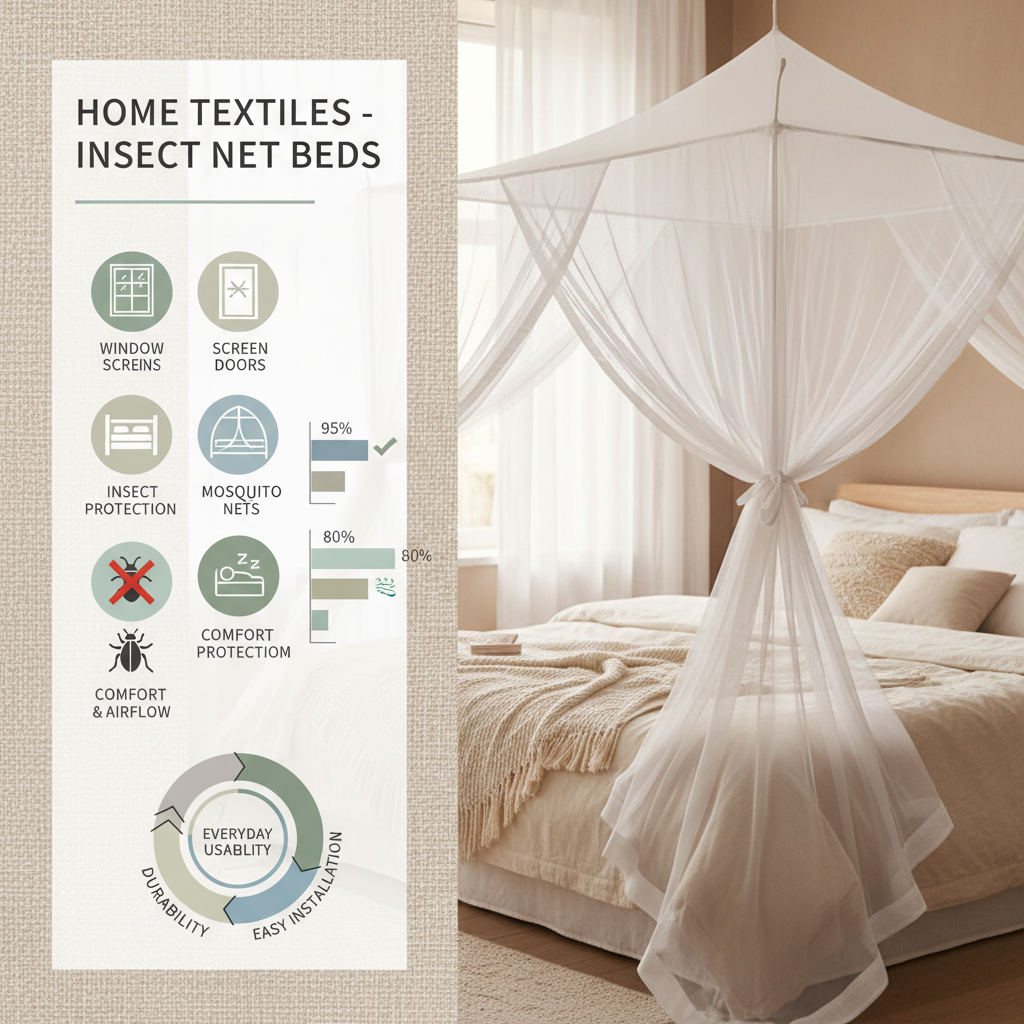
Let's break down what makes a good insect net bed. First, you have the net itself – the material, the mesh size, the weave. A finer mesh keeps out more insects, but also reduces airflow. Finding that balance is key. Then there's the insecticide treatment, which needs to be effective against local mosquito populations and have a long residual life.
Durability is huge. These nets need to withstand daily use, washing, and sometimes harsh environmental conditions. We test for tensile strength, abrasion resistance, and wash fastness. The hang-up system—the ropes and loops—is often the weakest link, so that’s an area we focus on improving. Scalability is also critical; we need to be able to manufacture and distribute millions of these nets quickly and efficiently. Cost-effectiveness comes into play, too. We're dealing with tight budgets, so maximizing impact per dollar is essential.
Finally, user acceptability is often overlooked. A net that's uncomfortable or difficult to use won’t be used consistently. We need to consider factors like net size, color, and ease of installation. It’s about creating a product that people will actually want to use, not just one that’s technically sound.
Key Performance Indicators for Insect Net Bed Quality
When I'm on a site, I don’t rely on lab reports alone. We measure performance in the field. One key indicator is ‘hole rate’ – the number of holes per square meter after a certain period of use. More holes mean less protection. We also track ‘wash durability’ – how many washes can the net withstand before the insecticide concentration drops below an effective level.
Another important metric is ‘user compliance’ – are people actually sleeping under the nets consistently? That requires community engagement and education. We also look at ‘insecticide resistance’ – are the local mosquito populations developing resistance to the pyrethroid treatment? If so, we need to explore alternative insecticides or net designs.
Insect Net Bed Quality - KPI Comparison
Global Applications and Real-World Use Cases
In post-disaster relief operations, insect net beds are often one of the first items distributed. Think about a hurricane hitting a coastal community – people are displaced, shelters are overcrowded, and mosquito-borne diseases can spread rapidly. Providing nets is a quick and effective way to mitigate that risk.
In remote industrial zones, like mining camps or logging operations, workers are often exposed to high levels of mosquito activity. Providing them with LLINs is not only a health and safety measure, but also boosts morale and productivity. We’ve seen this firsthand in projects across Southeast Asia.
Advantages and Long-Term Value Proposition
The cost-benefit analysis of insect net beds is overwhelmingly positive. For a relatively small investment, you can prevent illness, reduce healthcare costs, and improve economic productivity. The long-term value extends beyond health; it's about human dignity and empowerment. A healthy community is a thriving community.
From a sustainability perspective, LLINs are a relatively low-impact solution compared to other vector control methods. They don't rely on fossil fuels or produce harmful emissions. And while there's a waste management challenge at the end of the net's life, we're exploring innovative recycling programs to address that. Trust is also a big factor. Reliable, durable nets build trust with the communities we serve, making them more receptive to other public health interventions.
Future Trends and Innovations in Insect Net Bed Technology
We’re seeing a lot of exciting developments. Dual-active insecticide nets – using two different insecticides to overcome resistance – are showing promising results. There's also research into incorporating new materials, like graphene, to enhance durability and insecticide longevity.
Digital technologies are also playing a role. We're using satellite imagery and mobile data to map mosquito breeding sites and target net distribution efforts more effectively. And we're exploring the use of blockchain to track nets throughout the supply chain, ensuring transparency and accountability.
Ultimately, the future of insect net bed technology is about creating a more adaptive, resilient, and sustainable solution. It’s about anticipating challenges and embracing innovation to protect those most vulnerable to vector-borne diseases.
Key Challenges and Potential Solutions in Insect Net Bed Implementation
| Challenge |
Impact Area |
Current Mitigation Strategies |
Potential Innovative Solutions |
| Insecticide Resistance |
Efficacy & Public Health |
Rotating insecticide types, promoting integrated vector management. |
Developing nets with multiple insecticide modes of action, exploring novel non-chemical repellents. |
| Net Damage & Lifespan |
Protection Level & Cost-Effectiveness |
Promoting proper net care, providing durable net materials. |
Integrating self-healing polymers into net fabric, designing reinforced hang-up systems. |
| Distribution & Access |
Equity & Coverage |
Mass distribution campaigns, collaboration with local health workers. |
Utilizing drone delivery in remote areas, establishing community-based net distribution networks. |
| User Compliance |
Effectiveness & Impact |
Health education programs, community engagement initiatives. |
Developing more comfortable and aesthetically pleasing net designs, integrating net usage reminders into mobile health apps. |
| Waste Management |
Environmental Sustainability |
Safe disposal guidelines, limited recycling programs. |
Developing biodegradable net materials, establishing comprehensive net recycling infrastructure. |
| Supply Chain Disruptions |
Availability & Timeliness |
Diversifying suppliers, maintaining strategic stockpiles. |
Utilizing blockchain technology for transparent supply chain tracking, fostering local net manufacturing capacity. |
FAQS
Generally, a long-lasting insecticidal net (LLIN) is designed to remain effective for 3-5 years under normal usage conditions. However, this can vary depending on factors like frequency of washing, environmental conditions, and the initial insecticide dosage. We recommend replacing nets after 3 years, or sooner if significant damage or a reduction in insecticide efficacy is observed. Regular monitoring and re-treatment programs can extend the lifespan of nets in some contexts.
Washing nets carefully is crucial. Hand wash only, using a mild soap and lukewarm water. Avoid harsh detergents, bleach, or strong scrubbing. Rinse thoroughly and allow the net to air dry completely in the shade. Frequent washing can reduce insecticide levels, so only wash when visibly dirty. Avoid ironing or exposing the net to direct sunlight, as this can damage the fibers and the insecticide treatment.
Yes, insect net beds are considered very safe for both infants and pregnant women. The amount of insecticide used in LLINs is extremely low and poses minimal risk. In fact, the benefits of protecting against mosquito-borne diseases far outweigh any potential risks. However, it's important to ensure the net is properly installed and doesn't pose a suffocation hazard for infants. Always follow the manufacturer’s instructions and consult with a healthcare professional if you have any concerns.
Insecticide resistance is a growing concern. If you suspect resistance, report it to your local health authorities. They will likely conduct testing to confirm the resistance and recommend alternative vector control measures. In some cases, this may involve switching to nets treated with different insecticides, or combining net use with other strategies like indoor residual spraying. It's crucial to address resistance quickly to maintain the effectiveness of malaria prevention efforts.
Distribution is a complex process often coordinated by organizations like the World Health Organization, UNICEF, the Global Fund, and national health ministries. Nets are typically distributed through mass campaigns, antenatal care clinics, schools, and health facilities. Ensuring equitable access, especially to vulnerable populations, is a major challenge. Logistics, storage, and community engagement are also key components of a successful distribution program.
The environmental impact of LLINs is a growing concern, particularly regarding plastic waste. Traditional nets are made from polyethylene or polyester, which are not biodegradable. Researchers are exploring alternative materials like biodegradable polymers and natural fibers. Recycling programs are also being developed, but face logistical challenges. Responsible disposal and the development of more sustainable materials are crucial for minimizing the environmental footprint of these life-saving tools.
Conclusion
Insect net beds are far more than just pieces of fabric and insecticide. They represent a critical intervention in the fight against devastating diseases, a symbol of hope for vulnerable populations, and a testament to the power of innovation in global health. From the materials science behind durable, effective nets to the complex logistics of distribution and the ongoing challenge of insecticide resistance, it's a field that demands constant attention and improvement.
Looking ahead, the future of insect net beds lies in embracing new technologies, promoting sustainable practices, and strengthening community engagement. By continuing to invest in research and development, and by working collaboratively with governments, NGOs, and local communities, we can ensure that everyone has access to the protection they need to sleep safely and live a healthy life. Visit our website at crscreen.com to learn more about our commitment to this vital cause.