

Jan . 03, 2026 01:20 Back to list
Understanding Fly Screen Sliding Door Cost | Industrial Insights
Understanding fly screen sliding door cost: What You Should Know
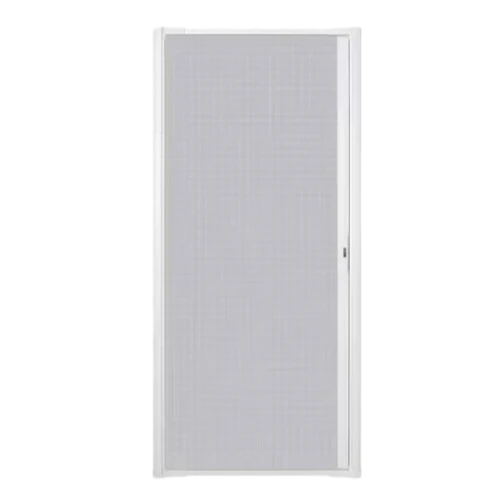
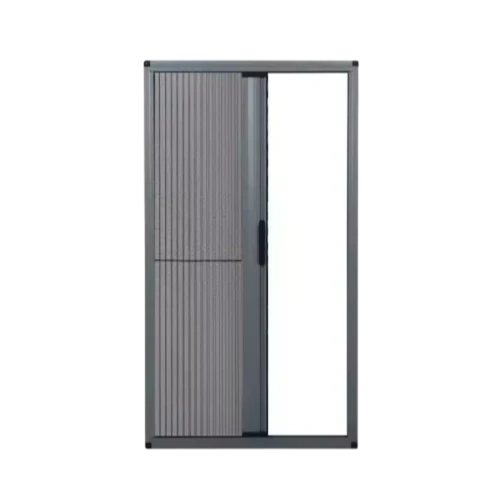
Having spent over a decade working around industrial and commercial equipment, I’ve encountered my fair share of inquiries about fly screen sliding door cost. Honestly, it’s one of those questions that sounds straightforward but quickly unfolds into something nuanced. It’s not just about sticker price — it’s about value, materials, installation, and even the environment where the door will operate.
From my experience, the sliding fly screen door market has grown significantly, thanks to rising demand for pest control without sacrificing airflow, especially in factories, warehouses, and even office spaces. The materials, design complexity, and vendor options directly shape costs, so if you’re considering a purchase, let’s unpack what’s really going on behind the numbers.
Material & Design Impact on Cost
The frame material alone swings the cost spectrum quite a bit. Aluminum is the go-to for many — lightweight, rust-resistant, and relatively low maintenance. Some higher-end options use stainless steel for greater durability, but that bumps up prices and is usually reserved for harsher environments.
Then there’s the mesh itself. Fiberglass mesh is most common because it’s practical and cost-effective, but if you want pet-resistant or solar screens, expect to pay more. Oddly enough, many clients overlook this until they see how much difference a tighter mesh or specialized coating can make—not just for pests but for air circulation and UV protection.
Installation and Customization Matter
Installation is the wild card. You could find a basic model around $150-$200 retail, but if your door opening isn’t standard or requires precise fitting, customization and labor charges escalate. I recall a facility in Pennsylvania where custom simply meant offset frames to accommodate tricky metal siding. That one project’s installation ran almost twice the cost of the door itself.
Another factor is automation—fly screen sliding doors with motorized opening systems are a different ballgame altogether. Clearly, that’s not your everyday scenario, but worth mentioning if convenience is key for your facility.
A Real-World Customer Story
One client, a food processing plant, wanted a reliable sliding fly screen door but was wary about costs—they were on a tight budget but couldn’t afford pest intrusions. After walking through options, they chose a mid-range aluminum frame with fiberglass mesh. Installation was quick, and oddly enough, they found that the reduced maintenance cost over the first year shaved significant expenses. Sometimes the initial price tag isn’t the full story, you know?
Product Specifications at a Glance
| Feature | Typical Range | Notes |
|---|---|---|
| Frame Material | Aluminum, Stainless Steel | Aluminum is most common, stainless for corrosive areas |
| Mesh Type | Fiberglass, Pet-Resistant, Solar Mesh | Fiberglass standard, specialty meshes cost more |
| Typical Price Range | $150 - $450 | Depends on size, material, and features |
| Installation Cost | $100 - $300 | Complex openings or custom sizes raise this |
| Average Lifespan | 5 - 10 years | With proper maintenance |
Comparing Common Vendors
| Vendor | Starting Price | Material Options | Installation Service | Warranty |
|---|---|---|---|---|
| CR Screen | $180 | Aluminum, Fiberglass Mesh | Available | 3 Years |
| EasyScreen | $220 | Aluminum, Pet-Resistant Mesh | Limited Areas | 2 Years |
| MeshMaster | $250 | Stainless Steel, Solar Mesh | Nationwide | 5 Years |
In real terms, knowing these details helps you cut through marketing fluff and focus on what’s important. You might find a door cheap upfront, but if the mesh wears out in two seasons or the frames corrode, you’ll be replacing it sooner than expected.
The bottom line: A sliding fly screen door can be a modest investment that pays off with improved air quality and fewer pests, if you pick wisely. I’ve seen many engineers say, “Go mid-range and install properly,” which honestly, feels about right given the variables.
So, whether you’re upgrading an industrial entry or outfitting a new facility, take some time to research and maybe get a few quotes. It’s one of those small details that, frankly, makes a big impact down the road.
— Cheers to a breezy, pest-free workspace!
References:
- Industry insights from equipment specialists (2021)
- CR Screen Product Materials & Specifications (crscreen.com)
- Customer installation experiences, various industrial sites (2018–2023)
Latest news
-
Best Guide to Choose a Screen Door for Sliding Door for Your Home
NewsApr.16,2026 -
The Ultimate Guide to Choosing a screen door for a sliding door
NewsApr.09,2026 -
Choosing the Perfect Patio Sliding Screen Door for Your Home
NewsApr.07,2026 -
Choosing the Best Patio Screen Door with Frame for Your Home and Lifestyle
NewsApr.04,2026 -
Comprehensive Guide to Net Sliding Door Price Factors and Options
NewsMar.31,2026 -
Enhance Your Outdoor Space with a Durable Net Sliding Door for Balcony
NewsMar.28,2026 -
Discover the Benefits of Net Door Sliding Systems for Modern Homes
NewsMar.26,2026