

Dec . 13, 2025 04:15 Back to list
Why Pleated Net Door from CRScreen is the Best Choice for Industry Usage
Pleated Net Door is a key solution in the industry, specifically within commercial and industrial sectors where controlling airflow and preventing insects are paramount. This article explores how https://www.crscreen.com supports professionals with durable, high-performance products, and explains why this product is an ideal choice for businesses in these sectors.
Table of Contents
- Pleated Net Door Overview
- Benefits & Use Cases of Pleated Net Door
- Cost, Maintenance & User Experience
- Sustainability & Market Trends
- Frequently Asked Questions about Pleated Net Door
- Conclusion on Pleated Net Door from China
Pleated Net Door Overview
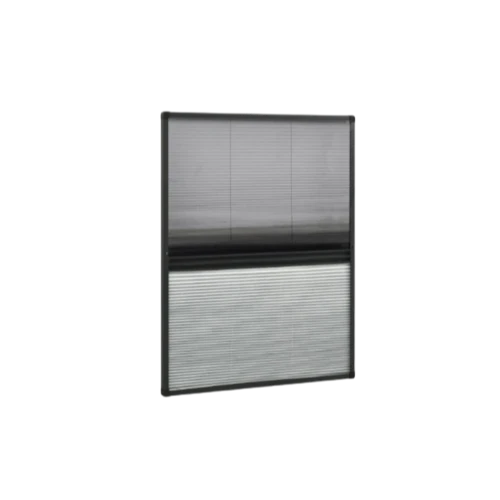
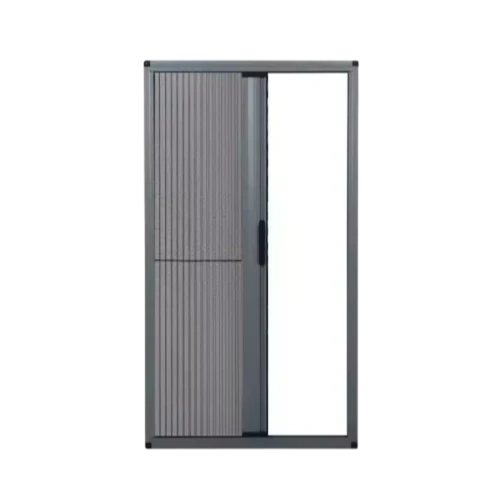
So, what exactly is a Pleated Net Door? At its core, it’s a flexible, accordion-style mesh door designed to keep out insects while allowing airflow and light. What makes it especially relevant in modern industrial and commercial settings is the combination of its compact pleated design and durability. Unlike traditional fly screens that can be bulky or get caught in door tracks, pleated net doors fold neatly when opened, saving space and improving accessibility.
Technically speaking, these doors often feature high-quality fiberglass or polyester mesh, treated with UV inhibitors to prevent discoloration and brittleness. The frames are typically aluminum, powder-coated for extra corrosion resistance. For example, one case study from a major food processing plant noted a significant drop in insect-related contamination after installing pleated net doors across all loading bays. It’s not just about blocking bugs — it’s a practical barrier with a smart design that fits seamlessly into high-traffic environments.
| Specification | Details |
|---|---|
| Mesh Material | Fiberglass / Polyester with UV protection |
| Frame Material | Aluminum 6063, powder coated |
| Operation | Manual or motorized sliding |
| Max Dimensions | Up to 3500mm height & 1500mm width |
| Color Options | Standard white, black, custom RAL available |
| Lifespan | 5–7 years under typical industrial use |
Benefits & Use Cases of Pleated Net Door
Pleated Net Doors shine in conditions where managing hygiene, airflow, and space is absolutely crucial. Think industries like food processing, pharmaceuticals, hospitality, and warehouses. Many engineers I know swear by their ability to provide a seamless barrier that doesn’t obstruct passage or carry the hassle of conventional screen doors. Because it folds neatly to the side — rather than swinging open — it’s kind of a game-changer where space is at a premium.
Plus, the competitive edge lies in the product’s robustness and adaptability. The mesh is tight enough to keep out even the tiniest insect, yet breathable to avoid stuffiness or moisture build-up, which, frankly, is a big plus in food & beverage plants where contamination is a real worry. Another benefit is easy customization. Companies can order specific sizes, colors, or even motorized versions that suit automated logistics environments. From what I’ve gathered, this flexibility makes it attractive for a broad range of facilities.
Cost, Maintenance & User Experience
Let’s talk numbers and real-world experience. While the upfront cost for a pleated net door can be higher than a traditional roll-up screen, the total cost of ownership often tips the balance in their favor. The durability — thanks to quality materials — means fewer replacements and less downtime. Add to that minimal maintenance needs; typically a quick clean with a soft brush or damp cloth. That’s a rare combination: low hassle, high ROI.
Customer feedback from industrial clients frequently mentions the smooth operation and how the doors hold up well under heavy foot traffic and frequent open-close cycles. It’s one of those products that quietly blends efficiency with resilience. Oddly enough, even in busy logistics centers with forklifts and rolling carts, these doors tend to maintain their shape and function longer than many had expected.
| Vendor | Material Quality | Customization | Pricing | Lead Time |
|---|---|---|---|---|
| CRScreen | Premium UV-resistant mesh | Full sizing & motor options | Competitive mid-range | 2–3 weeks |
| Vendor B | Standard fiberglass | Limited sizes | Lower | 4–6 weeks |
| Vendor C | Polyester mesh variety | Custom color only | High | 3–5 weeks |
Sustainability & Market Trends
Sustainability has become more than just a buzzword — it’s integral to how B2B buyers evaluate solutions. In the pleated net door market, choosing mesh materials treated to last longer and resist degradation reduces waste and frequency of replacement, which aligns well with eco-friendly initiatives. Plus, the aluminum used is often recyclable, supporting a circular economy approach.
Industry regulations around food safety and contamination control are tightening, so products that facilitate compliant environments — like pleated net doors — gain traction quickly. On top of that, as automation and smart factories grow, motorized and sensor-activated options for pleated doors fit into evolving workflows. This trend is likely to further cement pleated net doors as an essential fixture in the years ahead.
Frequently Asked Questions about Pleated Net Door
- What is Pleated Net Door and how does it work?
- It’s a foldable mesh door that works by expanding when closed to block insects, dust, and debris, then folding compactly when open. The pleated design helps it slide smoothly and saves space compared to flat screens.
- What are the main benefits of using Pleated Net Door in industrial applications?
- Benefits include enhanced durability, space-saving operation, improved airflow, and reduced contamination risk, making it ideal in sensitive environments like pharma plants or food factories.
- How does Pleated Net Door compare to traditional alternatives?
- Compared to standard roll-up or hinged insect screens, pleated net doors offer smoother operation, better space efficiency, and often longer lifespan due to premium materials.
- What industries can benefit most from Pleated Net Door implementation?
- Food & beverage, pharmaceutical, hospitality, warehousing, and even healthcare sectors frequently adopt pleated net doors to improve working environments and comply with hygiene standards.
Conclusion on Pleated Net Door from China
To recap, pleated net doors deliver an intelligent blend of functionality, durability, and style—qualities that any B2B decision maker looking to enhance their facility’s environment will appreciate. Their compact, customizable design suits a wide range of demanding industries while offering cost-efficient maintenance and a solid return on investment. Oddly enough, the biggest surprise might be just how unobtrusive they are — and how much you end up wondering why you didn’t switch years earlier.
- Recap the value of Pleated Net Door.
- Visit our website: https://www.crscreen.com
Thanks for reading. It’s always interesting to see how seemingly simple solutions like pleated net doors quietly shape important industries. For further reading, check out industry reports on insect-proofing trends, sustainability in industrial design, and user feedback surveys from commercial facilities.

Latest news
-
Best Guide to Choose a Screen Door for Sliding Door for Your Home
NewsApr.16,2026 -
The Ultimate Guide to Choosing a screen door for a sliding door
NewsApr.09,2026 -
Choosing the Perfect Patio Sliding Screen Door for Your Home
NewsApr.07,2026 -
Choosing the Best Patio Screen Door with Frame for Your Home and Lifestyle
NewsApr.04,2026 -
Comprehensive Guide to Net Sliding Door Price Factors and Options
NewsMar.31,2026 -
Enhance Your Outdoor Space with a Durable Net Sliding Door for Balcony
NewsMar.28,2026 -
Discover the Benefits of Net Door Sliding Systems for Modern Homes
NewsMar.26,2026