

8 月 . 29, 2025 09:54 Back to list
Insect Screens: Types, Features, And What To Know Before You Buy
From homes and greenhouses to factories and farms, insect control is essential for comfort, safety, and hygiene. One of the most effective and non-toxic solutions is the 防虫网—a physical barrier that allows air and light through while blocking flying pests like mosquitoes, flies, and moths.

If you're looking for an insect screen for sale, trying to compare 防虫网类型, or seeking a durable 防虫网 for industrial or agricultural use, this guide covers everything you need to know about materials, mesh sizes, applications, and sourcing options.
What Is an Insect Screen?
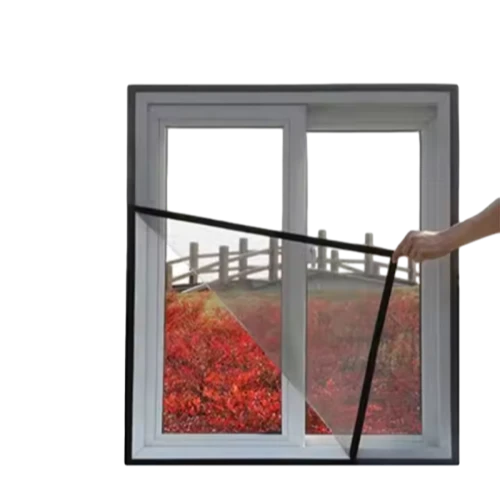
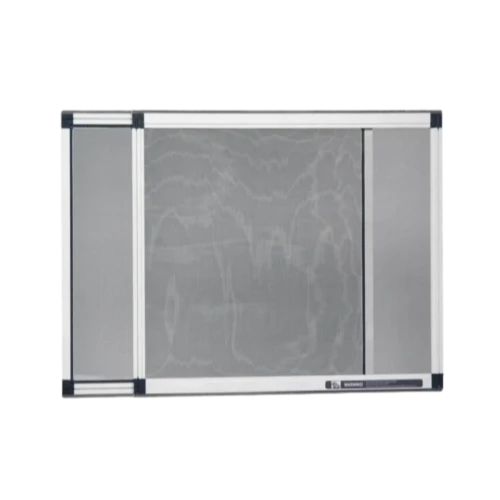
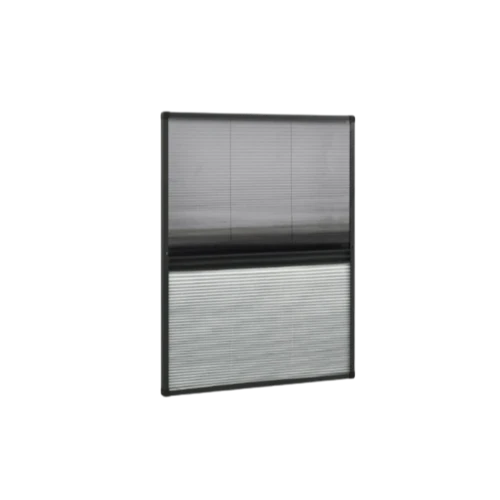
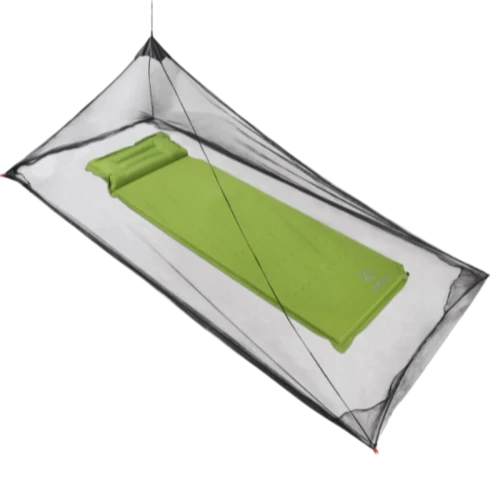
一个 防虫网, also called a fly screen or bug screen, is a mesh made of wire, fiberglass, plastic, or stainless steel that is installed on windows, doors, vents, or open-air structures to keep insects out while allowing ventilation.
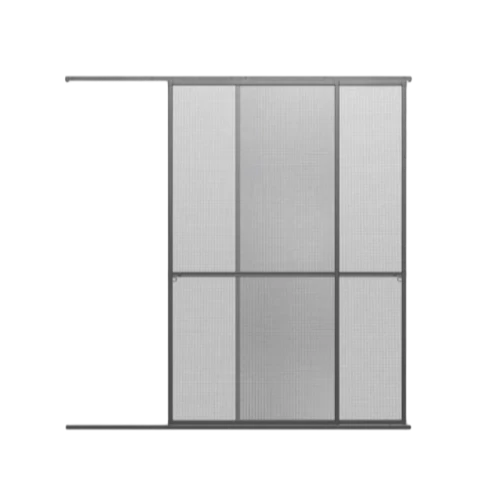
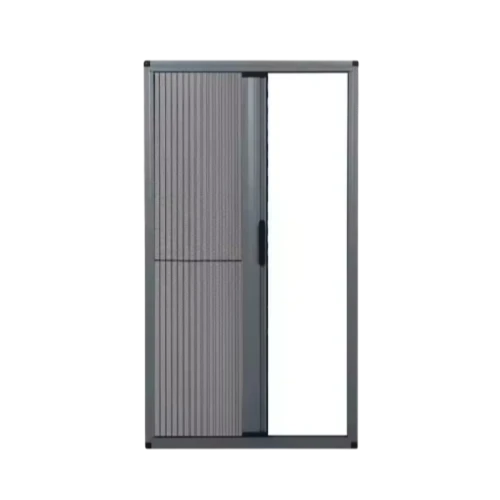
In homes, insect screens are often integrated into sliding doors or casement windows. In commercial or agricultural applications, larger screens are used on ventilation systems, greenhouse walls, and poultry houses to prevent pest entry without restricting airflow.
Main Insect Screen Types
The market offers a range of 防虫网类型, each suited for different environments and budgets. The most common are:
1. 玻璃纤维防虫网
Made from PVC-coated fiberglass yarn
Lightweight, flexible, and rustproof
Most common type for residential windows and doors
Affordable and easy to install
2. Aluminum Insect Screen
Woven aluminum mesh with a silver, charcoal, or black finish
Stronger than fiberglass; resists corrosion and deformation
Common in storm-prone or humid areas
Long-lasting and washable
3. Stainless Steel Insect Screen
Made from 304 or 316 stainless steel wire mesh
Corrosion-resistant, fireproof, and highly durable
Ideal for coastal, industrial, or fire-rated buildings
More expensive but high performance
4. Polyester/PET Insect Screen
Coated polyester mesh; tear-resistant
Used in retractable or magnetic screen doors
Can be pet-resistant or UV-stable
Available in printed or colored versions
5. Anti Insect Screen (Agricultural Grade)
HDPE or PP plastic mesh, UV-treated
Blocks whiteflies, aphids, thrips, and other crop pests
Used in greenhouses, nurseries, and net houses
Mesh sizes from 25 to 60 holes per inch
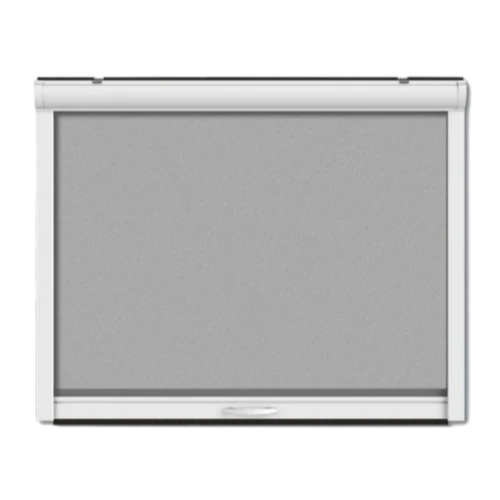
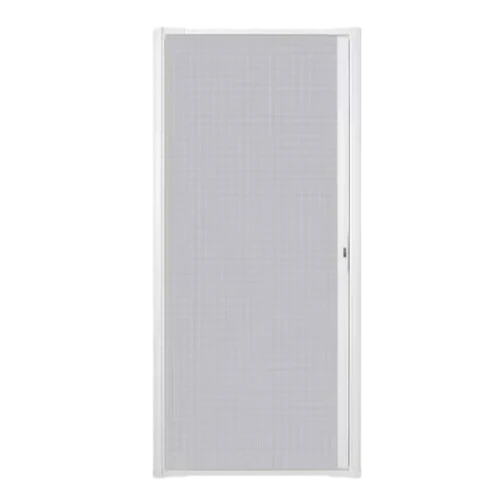
6. Retractable or Roller Screens
Mesh system that rolls up into a cassette
Clean design for windows, balconies, or patios
Often made with fiberglass or PET mesh
Mesh Size and Density
Mesh size determines what type of insects the screen can block:
|
Mesh Count (holes/inch) |
应用 |
|
14×14 – 16×16 |
General residential use |
|
18×16 – 20×20 |
Blocks smaller flies, mosquitoes |
|
25×25 – 50×50 |
Anti-aphid and greenhouse use |
|
60×60 and up |
Specialized anti-thrips protection |
The tighter the mesh, the better the protection—but it can slightly reduce airflow and light transmission.
Anti Insect Screen for Greenhouses and Farms
In agriculture, an 防虫网 is a critical part of integrated pest management (IPM). It protects crops from pests without using chemical sprays and helps reduce disease transmission by blocking insect vectors.
Key features:
UV-stabilized plastic mesh for outdoor exposure
Optional shading for temperature control
Can be tailored for greenhouses, tunnels, or ventilation windows
Reusable and washable with high mechanical strength
Insect Screen for Sale: What to Look For
When reviewing insect screens for sale, consider:
Material type (fiberglass, stainless, aluminum, HDPE)
Roll size and width (standard: 1.2m to 3m width; roll length 30m–100m)
颜色 (grey, black, or silver for visibility and aesthetics)
UV and fire resistance
Mesh size based on insect threat level
Ease of installation (magnetic frame, tension fit, adhesive)
Many suppliers offer both full rolls and cut-to-size panels, with or without frames or mounting hardware.
Insect Screen Cost Overview (2025 Estimate)
|
Screen Type |
网格尺寸 |
Price Range (USD/sq. meter) |
|
Fiberglass screen |
18×16 |
$0.50 – $1.20 |
|
Aluminum screen |
18×16 |
$1.00 – $2.50 |
|
Stainless steel screen |
18×14 |
$3.00 – $6.00 |
|
Anti insect greenhouse mesh |
40×40 |
$0.90 – $1.80 |
|
Retractable screen system |
varies |
$15 – $50 (per unit) |
Prices vary depending on order volume, mesh type, UV stability, and custom cutting or framing.
Insect Screen FAQs
Q1: What’s the best insect screen for home windows?
A: Fiberglass is the most common choice due to its flexibility, low cost, and good visibility. Aluminum is stronger and more durable, especially in humid climates.
Q2: What is the difference between regular mesh and anti insect screen for agriculture?
A: Anti insect screens for agriculture are made with finer mesh sizes and UV-treated plastic to block specific pests like aphids or thrips. They’re designed for larger areas like greenhouses or ventilation systems.
Q3: Can insect screens be reused or cleaned?
A: Yes. Most screens, especially fiberglass, PET, and aluminum, can be washed and reused. Avoid harsh scrubbing on coated materials.
Q4: Is a higher mesh count always better?
A: Not necessarily. While it blocks smaller insects, higher mesh can reduce airflow. It’s important to balance protection with ventilation based on your environment.
Q5: Where can I buy insect screen rolls in bulk?
A: Many suppliers and factories offer full rolls (30m–100m) for sale online or through building material distributors. For large orders, direct sourcing from a manufacturer is often more cost-effective.
Latest news
-
Pleated Mesh Door vs. Pleated Mesh Window: Choosing the Right Opening
消息Nov.17,2026 -
Travel Mosquito Net or Dome Hanging Mosquito Net: Which Format Fits Your Order?
消息Nov.09,2026 -
Gray vs. Black Insect Screen: Which Option Fits Your Project?
消息Nov.02,2026 -
Fixed Screen Door FAQ: Specifications, Ordering and Support Questions
消息Oct.29,2026 -
Choosing Roller Screen Window: Application Fit and Specification Checks
消息Oct.27,2026 -
Choosing a Dome Hanging Mosquito Net: A Mosquito Net Supplier Guide to Application Fit
消息Oct.27,2026 -
Choosing Black Insect Screen: Application Fit and Specification Checks
消息Oct.22,2026