
Dec . 03, 2025 19:22 Back to list
Comprehensive Guide to Roll Down Insect Screens for Doors | Benefits & Innovations
Understanding Roll Down Insect Screens for Doors: Protection, Comfort, and Innovation
At first glance, a roll down insect screen for doors might feel like a simple household upgrade — a barrier against those buzzing nuisances on a summer evening. But, frankly, its global importance goes beyond just keeping mosquitoes out. Whether you’re in a bustling city apartment or a remote humanitarian shelter, these screens represent a blend of smart design, improved public health, and sustainable living. Exploring their features and applications reveals why they matter so much.
Introduction: Why Roll Down Insect Screens for Doors Matter Globally
The World Health Organization estimates that over 700 million people suffer from mosquito-borne diseases annually, and that’s just the tip of the iceberg when it comes to insect-borne health risks. Against this backdrop, the humble roll down insect screen offers a practical solution that improves living conditions worldwide.
Beyond health, the global construction and housing industries lean into sustainable and energy-efficient features more than ever. ISO standards for indoor air quality and energy saving push for innovations like these insect screens that not only shield interiors but promote natural ventilation — a win-win for comfort and environment.
Still, challenges like ease of deployment, durability in varying climates, and adaptability to different door types remain, demanding informed choices and innovative designs.
What Is a Roll Down Insect Screen for Doors?
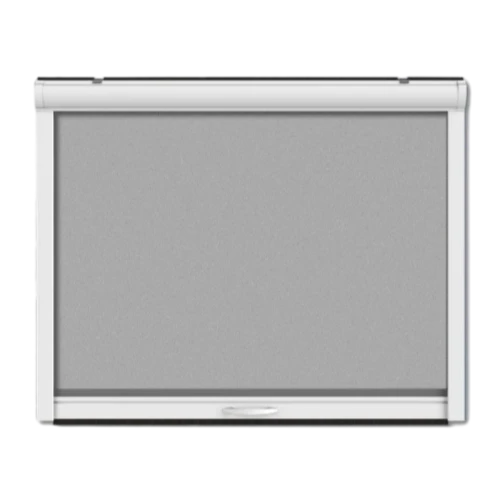
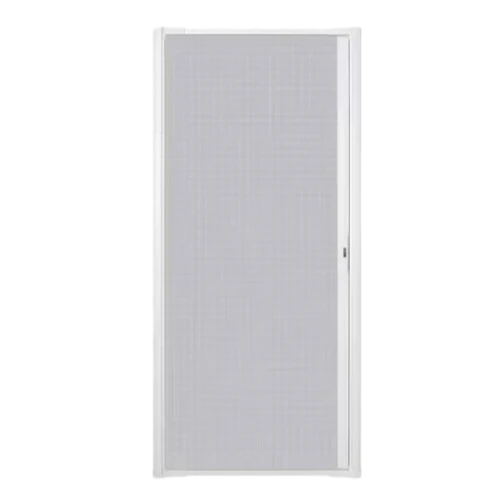
Put simply, it’s a retractable mesh screen installed over doorways that you can pull down when needed and roll back up neatly when not. The screen blocks insects — mosquitos, flies, beetles — without disrupting airflow or natural light. Unlike rigid screens, the roll down design saves space and enhances user convenience.
Industrially and socially, these screens are increasingly part of modern building products and humanitarian aid kits alike, especially where quick assembly and durability matter — like emergency shelters or remote clinics.
Core Components and Key Factors
1. Durable Mesh Material
Most screens use fiberglass or stainless steel mesh. Fiberglass is corrosion-resistant and flexible, stainless steel offers strength and longevity — picking the right mesh balances durability and cost.
2. Smooth Retractable Mechanism
A quality spring or motorized roller ensures effortless deployment. This is key for ease of use in homes and for accessibility in public or commercial buildings.
3. Frame and Installation System
Frames usually come from lightweight aluminum or PVC profiles designed to fit most door dimensions. Installation systems vary: some are surface mounted, some fit inside door frames — versatility matters here.
4. Weather Resistance
The screen must endure sun exposure, humidity, even dust storms in some regions — UV coating on mesh and rustproof components prolong lifespan and reliability.
5. Customization Options
Colors, sizes, locking systems, and automation can be tailored based on user needs and regional preferences, adding to both aesthetic value and functionality.
Mini Takeaway
Roll down insect screens are more than mesh and frames — they’re sophisticated products designed to blend durability, convenience, and adaptability for diverse environments.
Global Applications and Real-World Examples
- Residential Use: In Mediterranean and tropical regions, residents favor roll down insect screens to keep homes ventilated while warding off malaria-carrying mosquitoes.
- Healthcare Facilities: Clinics in rural Africa and Asia utilize these screens to create safe, insect-free treatment spaces.
- Humanitarian Shelters: Post-disaster shelters, such as those deployed after the 2010 Haiti earthquake, often include these screens for rapid protection against disease-vector insects.
- Commercial Settings: Restaurants and hotels with patios adopt roll down insect screens to enhance customer comfort while complying with hygiene regulations.
Mini Takeaway
Across continents and sectors, roll down insect screens adapt to improve public health, comfort, and operational efficiency — showing just how versatile these products have become.
Advantages & Long-Term Value of Roll Down Insect Screens
The obvious benefit is the immediate protection from insects and the diseases they carry. But if you think deeper, these screens also offer:
- Energy Savings: By enabling natural ventilation without pests, they reduce dependence on air conditioning.
- Environmental Sustainability: Made from recyclable materials, they contribute to eco-friendly construction practices.
- Durability and Cost Effectiveness: Long-lasting screens mean fewer replacements and reduced maintenance.
- Social Impact: Enhancing safety and dignity in living spaces, especially where insect-borne diseases are endemic.
Mini Takeaway
Roll down insect screens exemplify how a well-thought-out design can deliver lasting health, environmental, and social benefits.
Future Trends & Innovations
Smart homes will likely see motorized roll down insect screens linked with home automation systems, enabling control via smartphone apps.
Material innovations include ultra-fine nanotexture meshes that block even smaller insects without compromising airflow. From a sustainability angle, manufacturers are exploring biodegradable mesh materials and solar-powered motorized systems to reduce energy footprints.
Policy shifts toward better indoor environment standards could further boost adoption worldwide — ISO and WHO guidelines may increasingly recommend integrated insect screening solutions.
Challenges & Solutions
Common issues involve mechanical wear of retractable systems and improper sealing that allows insect entry. Temperatures extremes, especially in desert or tropical climates, mechanically stress screens and can degrade materials.
Innovative solutions involve weather-resistant coatings, dual-seal edges, and modular parts that allow easy replacement without dismantling the entire system. Some vendors now offer extended warranties covering these concerns.
Product Specifications: Typical Roll Down Insect Screen for Doors
| Feature | Specification |
|---|---|
| Mesh Material | Fiberglass or stainless steel |
| Frame Type | Aluminum alloy, powder coated |
| Max Door Width | 1.5 meters (approx.) |
| Retractable Mechanism | Spring-loaded or motorized |
| Weather Resistance | UV coating, corrosion resistant |
| Installation | Surface mount or recessed |
Vendor Comparison: Leading Roll Down Insect Screen Providers
| Vendor | Product Range | Unique Features | Warranty | Price Range |
|---|---|---|---|---|
| ScreenMaster | Basic to premium | Motorized retract, UV mesh | 5 years | $$$ |
| EcoShield | Eco-materials line | Biodegradable mesh, solar power assist | 3 years | $$ |
| UrbanScreens | Custom solutions | Smart home integration | 7 years | $$$$ |
FAQs About Roll Down Insect Screens for Doors
- Q: Are roll down insect screens easy to install on standard doors?
- A: Yes, most models come with user-friendly installation instructions and mounting hardware. Surface mount options fit most door frames without professional help, though larger motorized screens may need expert installation.
- Q: How long do these screens typically last?
- A: With proper use and maintenance, fiberglass mesh screens can last 5–10 years. Stainless steel mesh may last even longer. Seasonal cleaning and avoiding damage extend lifespan significantly.
- Q: Can roll down insect screens help reduce reliance on chemical insecticides?
- A: Absolutely. Physical barriers like insect screens are a safer, non-toxic way to prevent insect intrusion indoors, reducing the need for sprays or coils and promoting healthier indoor environments.
- Q: Are motorized roll down insect screens worth the extra cost?
- A: For many, yes. Motorized screens add convenience, especially for frequently used doors or when accessibility is a concern. They also tend to last longer due to controlled deployment.
- Q: What materials are best for tropical climates?
- A: Corrosion-resistant fiberglass mesh combined with UV protective coatings on the frame work best to withstand humidity, sun, and occasional storms typical of tropical regions.
Conclusion
In the long run, investing in a roll down insect screen for doors means more than just pest control. It’s a commitment to healthier living, environmental mindfulness, and modern convenience. Whether you’re outfitting a home, clinic, or a temporary shelter, these screens bring scale, adaptability, and real-world value.
Curious to explore the latest options? Visit our website: roll down insect screen for doors and discover how these screens can transform your spaces for good.
It’s rather satisfying how something so simple can make such a big global difference — and I suppose the best designs always do.
References
Latest news
-
Best Guide to Choose a Screen Door for Sliding Door for Your Home
NewsApr.16,2026 -
The Ultimate Guide to Choosing a screen door for a sliding door
NewsApr.09,2026 -
Choosing the Perfect Patio Sliding Screen Door for Your Home
NewsApr.07,2026 -
Choosing the Best Patio Screen Door with Frame for Your Home and Lifestyle
NewsApr.04,2026 -
Comprehensive Guide to Net Sliding Door Price Factors and Options
NewsMar.31,2026 -
Enhance Your Outdoor Space with a Durable Net Sliding Door for Balcony
NewsMar.28,2026 -
Discover the Benefits of Net Door Sliding Systems for Modern Homes
NewsMar.26,2026