

Apr . 16, 2026 02:25 Back to list
Best Guide to Choose a Screen Door for Sliding Door for Your Home
Finding the Perfect Screen Door for Sliding Door: A Complete Homeowner's Guide
Enhancing your home's ventilation while keeping unwanted pests at bay is a common challenge for many homeowners. Installing a high-quality screen door for sliding door provides the ideal balance between fresh air and security. Whether you are looking to reduce energy costs by utilizing natural breezes or simply want to enjoy the outdoors from the comfort of your living room, the right screen solution makes all the difference. In this guide, we will explore the various types of sliding door screens, their benefits, and how to choose the one that best fits your architectural style and functional needs.
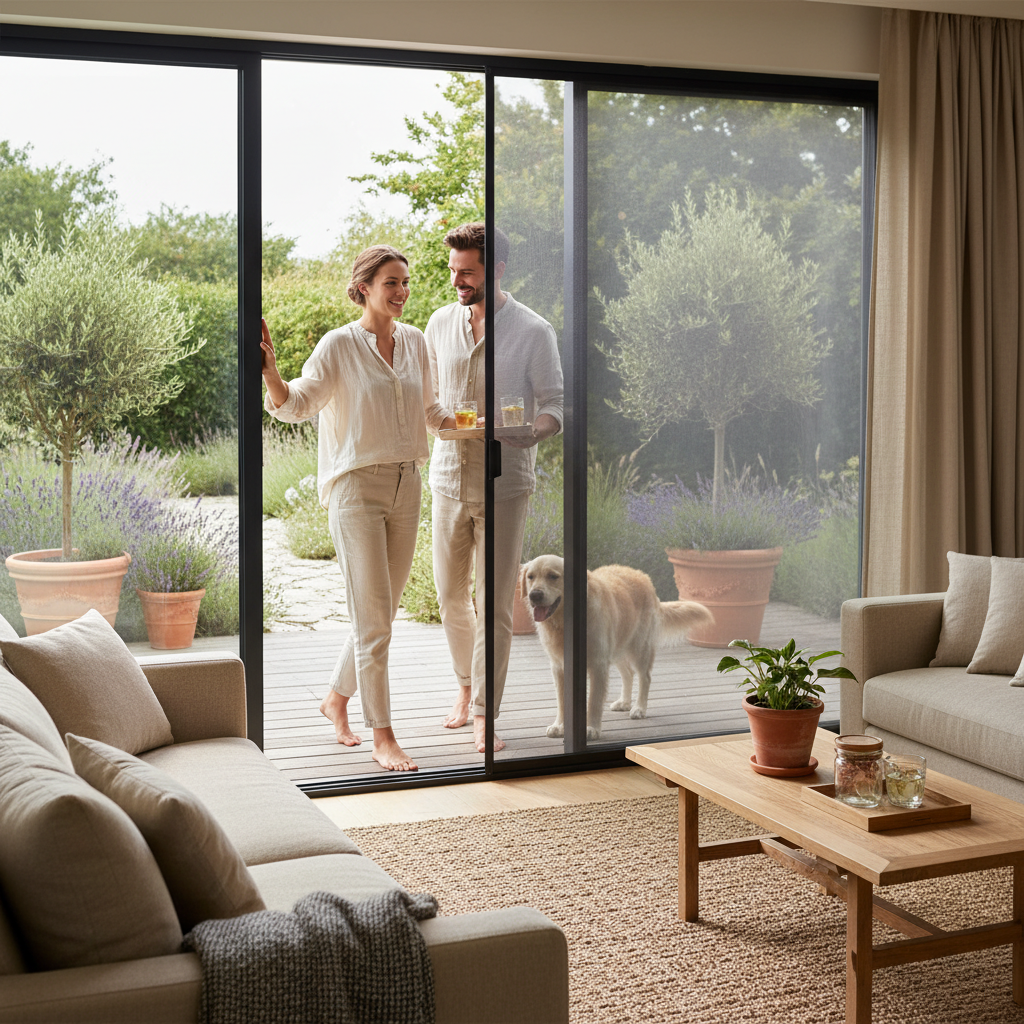
Why You Need a Professional Screen Door for Sliding Door
The primary purpose of a screen door for sliding door is to create a breathable barrier. Unlike standard windows, sliding glass doors are large openings that can let in significant heat or cold if left open without a screen. A professional installation ensures that there are no gaps for insects to enter and that the sliding mechanism remains smooth and effortless. Improved airflow reduces the reliance on air conditioning, leading to lower utility bills and a smaller carbon footprint. Additionally, high-quality screens protect your interior furniture from dust and pollen, keeping your home cleaner for longer periods.
Core Benefits: Reduces insect intrusion, lowers energy consumption via natural ventilation, and protects home interiors from external debris while maintaining a clear view of the landscape.
Comparing Popular Types of Sliding Door Screens
Not all screens are created equal. Depending on your lifestyle—whether you have pets, small children, or live in a high-wind area—you will need different materials and mechanisms. From traditional sliding panels to modern retractable systems, the options are diverse. A retractable screen is excellent for those who prefer a minimalist look, as it disappears when not in use. Conversely, a fixed sliding screen is often more durable and easier to maintain. When selecting a screen door for sliding door, consider the frequency of use and the level of durability required for your specific environment.
Material Matters for Your Screen Door for Sliding Door
The longevity of your screen door for sliding door depends largely on the mesh material. Fiberglass is the most common choice due to its flexibility and resistance to corrosion, making it ideal for coastal areas. However, for households with pets, pet-resistant mesh (made from heavy-duty polyester) is highly recommended to prevent claws from tearing the fabric. For those prioritizing visibility and strength, aluminum mesh provides a rigid structure and a classic look, though it is more prone to denting than fiberglass. Choosing the right material ensures that your investment lasts for years without needing frequent repairs.
Installation Tips for a Seamless Fit
A poorly installed screen can lead to gaps that allow mosquitoes to enter or cause the door to jam. When installing a screen door for sliding door, precision measurement is key. Ensure the tracks are clean and free of debris before placing the screen panel. If you are opting for a retractable system, ensure the mounting surface is level and structurally sound to prevent the spring mechanism from sagging over time. Professional installation is often the best route to guarantee a weatherproof seal and smooth operation, ensuring that the screen integrates perfectly with your existing door frame.
Technical Specifications for High-Performance Screens
To help you make an informed decision, it is important to look at the technical specifications of a premium screen door for sliding door. Factors such as mesh density (measured in holes per inch) determine how much air flows through versus how small the insects blocked are. Frame thickness affects the overall stability and wind resistance of the unit. Below is a standard specification table for our professional-grade sliding screen solutions:
Maintaining Your Screen for Long-Term Use
To ensure your screen door for sliding door continues to function smoothly, regular maintenance is essential. Dust and debris can accumulate in the tracks, leading to friction and potential wear on the rollers. We recommend vacuuming the tracks once a month and wiping the mesh with a soft brush and mild soapy water to maintain air transparency. For retractable screens, check the tension of the spring occasionally to ensure the fabric doesn't bunch. By following these simple steps, you can extend the life of your screen and keep your home feeling fresh and open.
Conclusion: Elevate Your Living Space
Investing in a high-quality screen door for sliding door is more than just a home improvement project; it is an investment in your quality of life. By combining the right materials with professional installation, you can enjoy the beauty of nature without the nuisance of pests. Whether you choose a sleek retractable design or a robust sliding panel, the result is a more breathable, energy-efficient, and comfortable home. Explore the best options today and bring the freshness of the outdoors inside.
Frequently Asked Questions (FAQs)
Can I install a screen door for sliding door myself?
While some basic magnetic kits are DIY-friendly, professional sliding or retractable screens usually require precise measurements and specialized tools for installation. A mistake of even a few millimeters can lead to gaps where insects can enter or cause the door to stick. We highly recommend professional installation to ensure the screen is perfectly squared and the seals are airtight, providing maximum efficiency and a polished look for your home.
What is the best mesh material for homes with cats or dogs?
For pet owners, "Pet Screen" or heavy-duty polyester mesh is the best choice. Standard fiberglass mesh is lightweight and breathable but can be easily torn by a cat's claws or a dog jumping against the door. Pet-resistant mesh is significantly thicker and stronger, designed to withstand scratches and impacts while still allowing plenty of airflow and visibility. You can find these specialized options through our expert screen services.
Do retractable screens block more air than sliding ones?
Generally, both types use similar mesh materials, so the airflow is nearly identical. However, retractable screens provide a psychological and visual advantage because they can be completely removed from the opening when not in use, offering an unobstructed view. Sliding screens are always present but move to the side. In terms of actual air cubic feet per minute (CFM), as long as the mesh density is the same, there is no significant difference in ventilation performance.
How often should I replace the mesh on my sliding screen door?
On average, high-quality mesh lasts between 5 to 10 years. However, this depends on exposure to the elements. If your door faces south and receives intense UV rays daily, the fiberglass may become brittle over time. If you notice sagging, small holes, or a decrease in the tension of the screen, it is time for a rescreen. Regular cleaning helps prolong the life of the mesh by removing abrasive grit that can wear down the fibers.
Latest news
-
The Ultimate Guide to Choosing a screen door for a sliding door
NewsApr.09,2026 -
Choosing the Perfect Patio Sliding Screen Door for Your Home
NewsApr.07,2026 -
Choosing the Best Patio Screen Door with Frame for Your Home and Lifestyle
NewsApr.04,2026 -
Comprehensive Guide to Net Sliding Door Price Factors and Options
NewsMar.31,2026 -
Enhance Your Outdoor Space with a Durable Net Sliding Door for Balcony
NewsMar.28,2026 -
Discover the Benefits of Net Door Sliding Systems for Modern Homes
NewsMar.26,2026 -
Choosing the Best Mosquito Screen Sliding Door for Home Comfort and Protection
NewsMar.24,2026