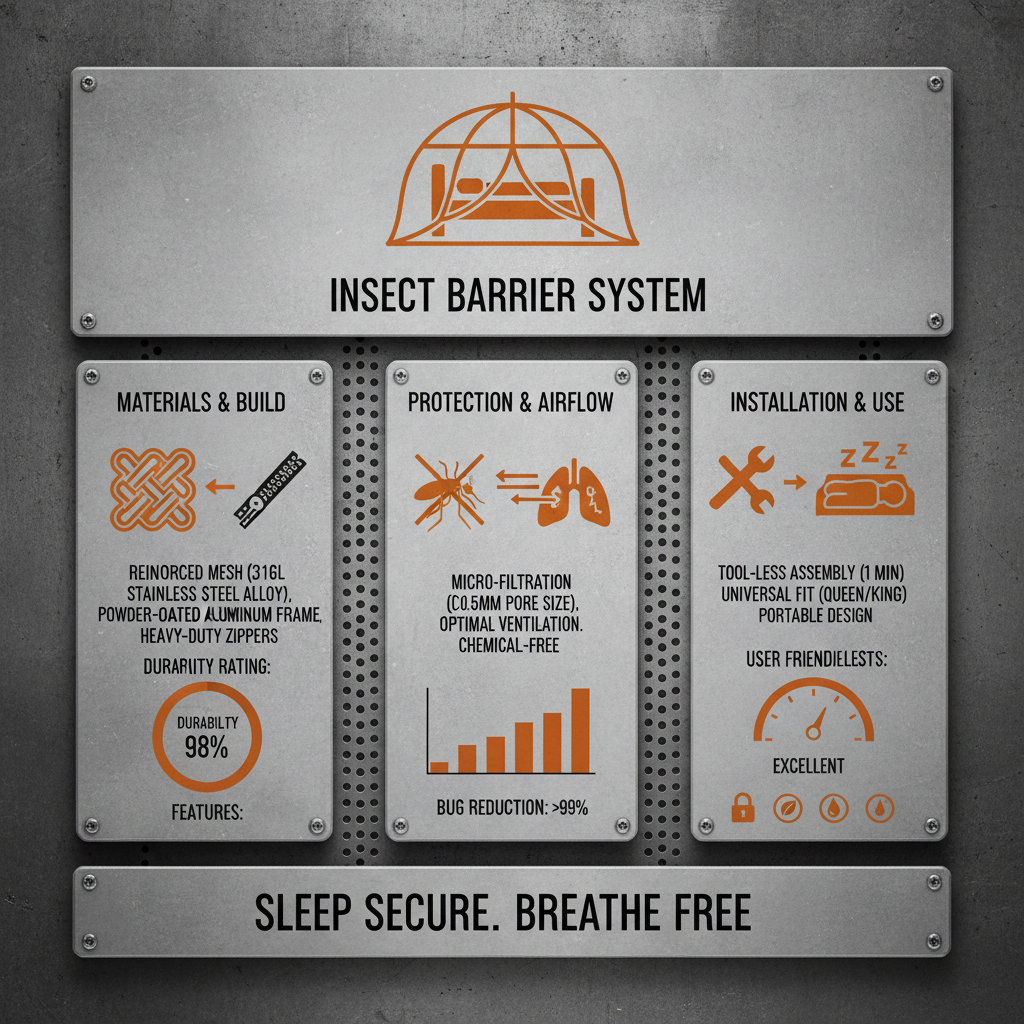
Ensuring a safe and restful sleep environment is a global health priority, especially in regions where vector-borne diseases are prevalent. The use of mosquito canopy nets for beds serves as a primary physical barrier, offering a non-toxic and highly effective method to protect sleepers from malaria, dengue, and Zika virus. By integrating advanced polymer science with ergonomic design, these nets have evolved from simple fabric covers into sophisticated health tools.
From a commercial and humanitarian perspective, the demand for high-quality bed netting has surged due to increasing urbanization in tropical climates and a renewed focus on sustainable living. Modern mosquito canopy nets for beds are no longer just about utility; they incorporate breathable materials and easy-installation mechanisms that cater to diverse architectural styles, from luxury bedrooms to emergency shelters.
Understanding the technical nuances of mesh density, material durability, and ventilation is crucial for consumers and procurement officers alike. This comprehensive guide explores the industrial standards, global applications, and future innovations of canopy netting, providing a deep dive into how these simple structures save millions of lives and improve the quality of life worldwide.
Global Relevance of Mosquito Canopy Nets for Beds
On a global scale, the deployment of mosquito canopy nets for beds is recognized by organizations like the World Health Organization (WHO) as a cornerstone of malaria prevention. In sub-Saharan Africa and parts of Southeast Asia, where the burden of mosquito-borne illness is highest, these nets provide a critical line of defense. Statistics indicate that the widespread use of Insecticide-Treated Nets (ITNs) has contributed to a significant decrease in child mortality rates over the last two decades.
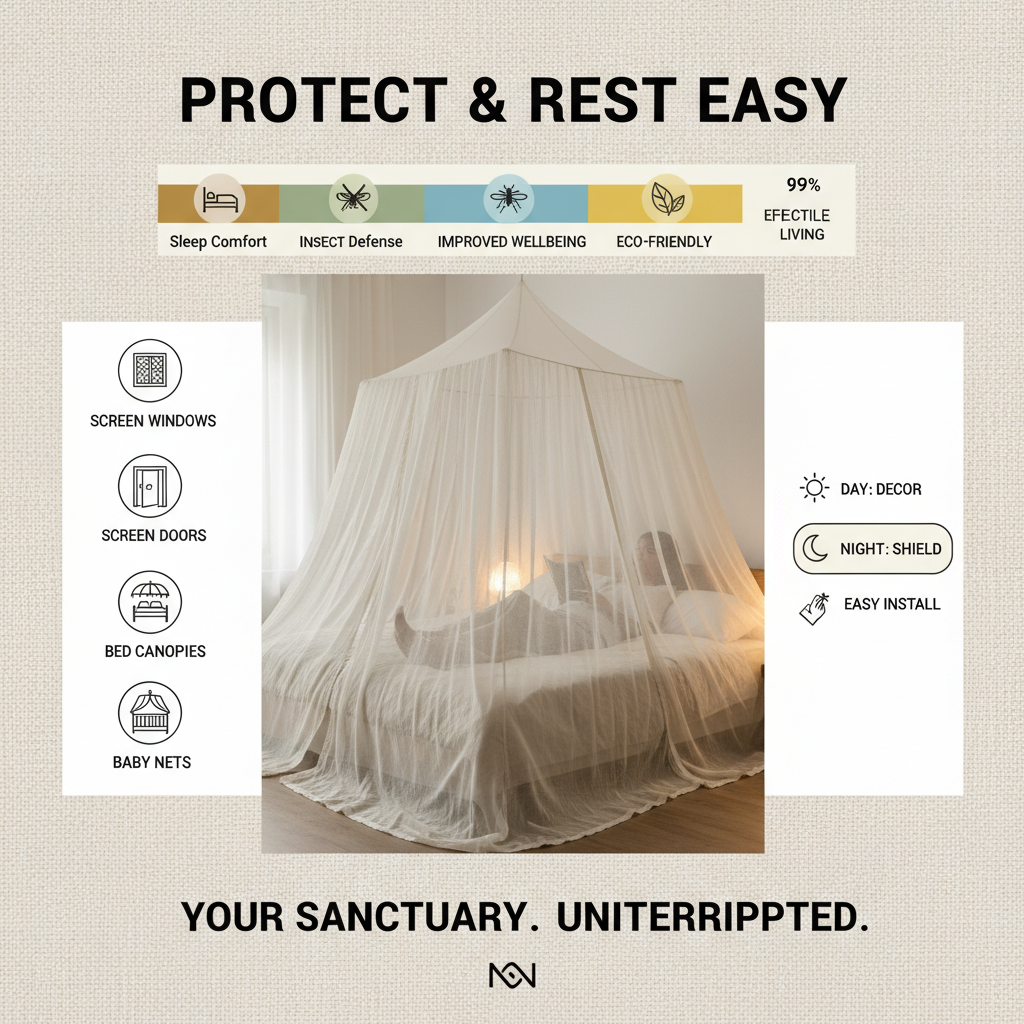
Beyond medical necessity, there is a growing consumer trend in developed nations toward using bed canopies for aesthetic and wellness purposes. The integration of "sleep hygiene" into modern interior design has pushed manufacturers to create nets that balance extreme functionality with elegance, ensuring that users can protect themselves from pests without sacrificing the airflow or visual appeal of their sleeping quarters.
Defining Modern Bed Canopy Systems
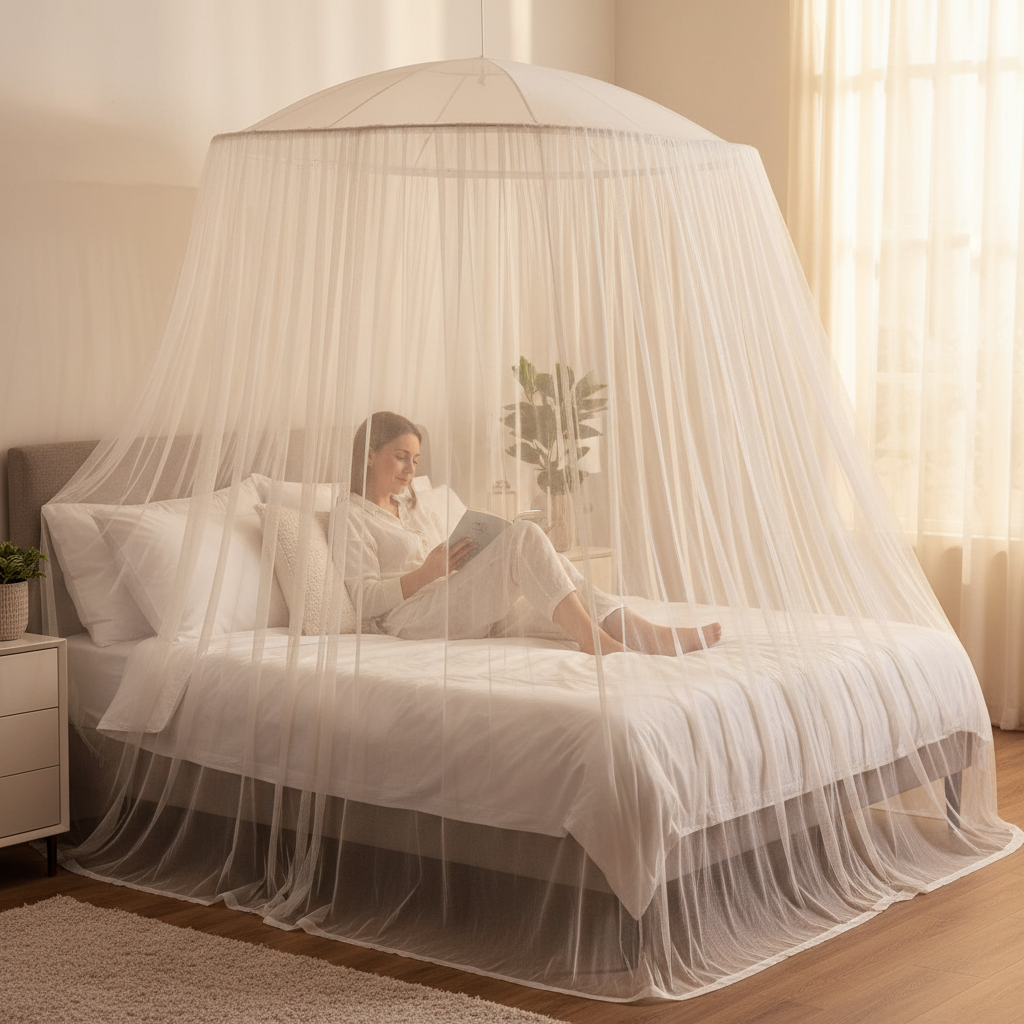
In simple technical terms, mosquito canopy nets for beds are specialized enclosures made from fine-mesh synthetic or natural fibers designed to prevent insects from reaching a person during sleep. Unlike simple flat nets, canopy systems often utilize a suspension structure—either a ceiling-mounted hoop, a four-poster frame, or a pop-up mechanism—to ensure the fabric does not touch the sleeper, which would otherwise allow insects to bite through the mesh.
From an industrial standpoint, these products are a marriage of textile engineering and polymer science. The "mesh count" or "hole size" is meticulously calculated to be small enough to exclude the smallest mosquitoes (such as Anopheles) while remaining large enough to allow for the natural diffusion of carbon dioxide and heat. This balance is essential to prevent the "suffocation" feeling often associated with lower-quality, tight-weave fabrics.
In recent years, the definition has expanded to include "smart" nets—those impregnated with long-lasting insecticidal nets (LLINs) or treated with nano-coatings that repel water and dust. This evolution reflects a shift from passive protection to active defense, aligning with humanitarian needs in disaster-prone areas where traditional housing may be unavailable.
Core Components of High-Quality Netting
The durability of mosquito canopy nets for beds depends heavily on the denier of the polyester or polyethylene yarn used. High-denier fibers offer superior tear resistance, which is critical for nets used in rugged environments or by families with children and pets. The strength of the seams and the quality of the reinforced hems determine whether a net will last for one season or for several years.
Ventilation is the second core component. Effective mosquito canopy nets for beds must utilize an open-weave structure that optimizes airflow. In humid tropical climates, the ability of the fabric to "breathe" prevents the buildup of humidity inside the canopy, which is essential for maintaining a comfortable core body temperature during sleep.
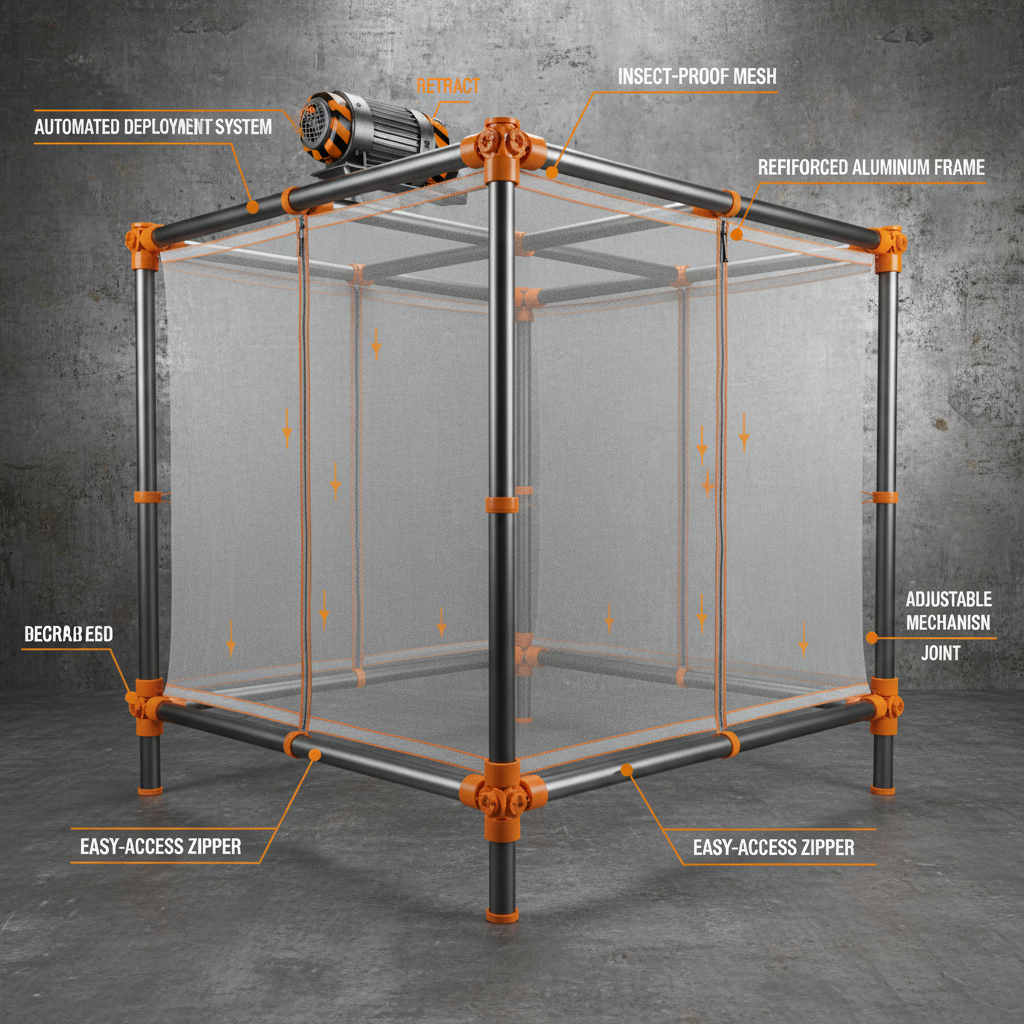
Lastly, the suspension mechanism defines the usability of the product. Whether it is a high-tension spring hoop for a luxury look or a lightweight nylon cord system for travel, the stability of the canopy prevents gaps. A gap of even a few centimeters at the bottom or top can render the entire mosquito canopy nets for beds ineffective, as mosquitoes are adept at finding the smallest entry points.
Performance Metrics and Material Efficiency
When evaluating the effectiveness of different netting types, industry experts look at the "Permeability vs. Protection" ratio. The goal is to achieve a mesh size that is completely impenetrable to mosquitoes while maximizing the cubic feet of air exchanged per minute. This is where high-grade plastic mesh products outperform traditional cotton, as synthetic polymers can be extruded to much finer, more consistent diameters.
To illustrate the efficiency of various designs, we analyze the performance of different materials used in mosquito canopy nets for beds. From HDPE (High-Density Polyethylene) to Treated Polyester, each offers a different balance of lifespan, breathability, and protective capacity.
Comparative Performance of Bed Netting Materials
Global Applications and Humanitarian Use Cases
In real-world applications, mosquito canopy nets for beds are deployed in a variety of high-stakes environments. In post-disaster relief operations, such as after earthquakes or floods in tropical zones, portable canopy nets are distributed by NGOs to prevent secondary health crises. Because they are lightweight and fold into compact sizes, they are ideal for rapid deployment in temporary shelters where permanent screening is impossible.
Furthermore, in remote industrial zones—such as mining camps in the Amazon or oil rigs in coastal regions—employee housing relies heavily on high-durability canopy nets. These industrial-grade versions are often reinforced to withstand frequent washing and harsh environmental exposure, ensuring that workers remain healthy and productive in environments where insect-borne diseases could otherwise lead to significant workforce downtime.
Long-term Value and Sustainable Benefits
The long-term value of investing in premium mosquito canopy nets for beds extends beyond simple pest control; it is about health security and psychological peace of mind. A high-quality net reduces the reliance on chemical aerosols and electric vaporizers, which can irritate the respiratory system and contribute to indoor air pollution. By providing a physical barrier, these nets offer a sustainable, zero-emission solution to insect protection.
From an economic perspective, the reliability of professional-grade netting reduces replacement costs. While cheap nets may tear within months, industrial-standard polyester nets can last for years with minimal maintenance. This reliability builds trust between the manufacturer and the end-user, whether that user is a homeowner looking for a serene bedroom atmosphere or a government agency procuring millions of units for public health.
Additionally, there is a profound social impact. In many developing regions, the dignity of a secure, clean sleeping space provided by a bed canopy can improve overall mental well-being and sleep quality, which in turn enhances cognitive function and productivity for children attending school and adults in the workforce.
Future Innovations in Bed Netting Technology
The future of mosquito canopy nets for beds is being shaped by the "Green Revolution" in plastics. We are seeing a shift toward bio-based polymers and recycled PET fabrics that maintain the same strength and mesh precision as virgin plastics but with a significantly lower carbon footprint. This aligns with global sustainability goals to reduce plastic waste in the textile industry.
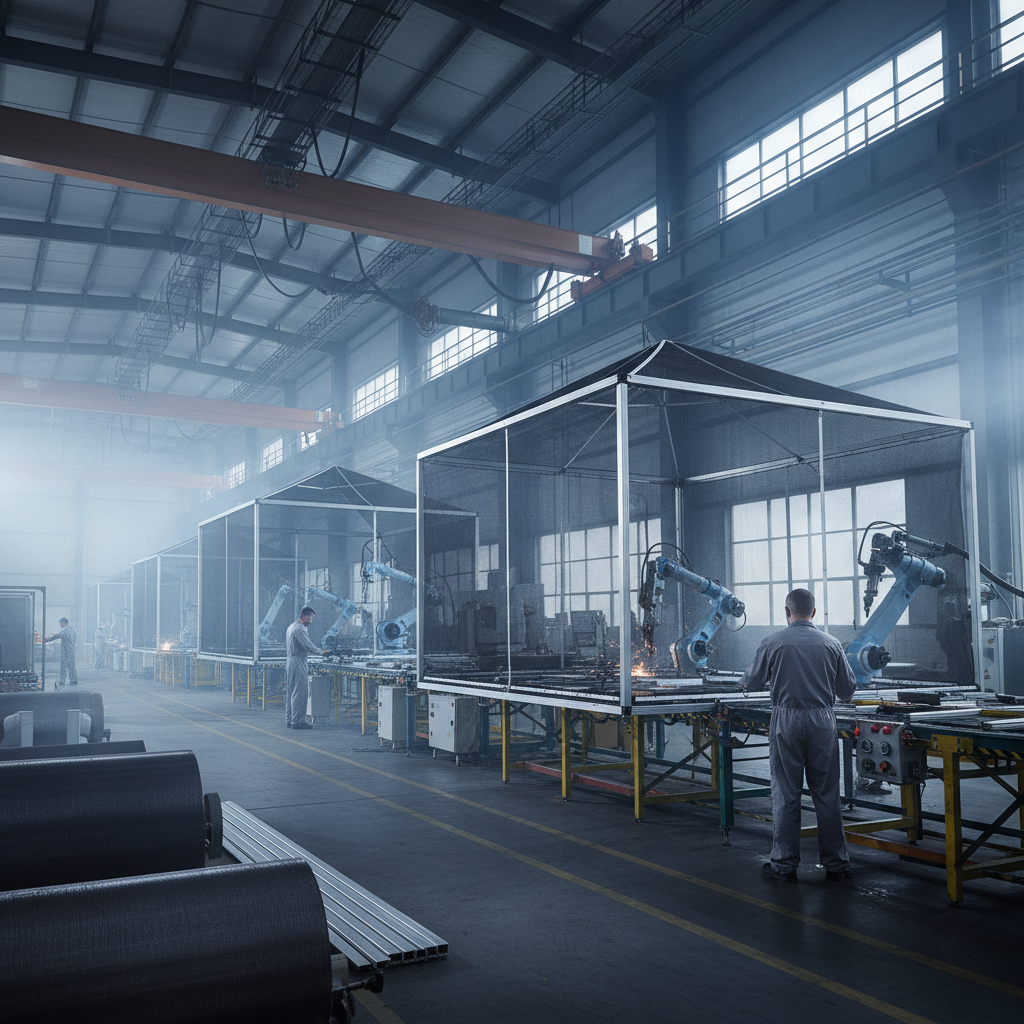
Digital transformation is also touching this sector. Smart-manufacturing techniques, such as 3D weaving and ultrasonic welding, are replacing traditional stitching. This results in seamless joints that are far more resistant to fraying and tearing, ensuring that the net remains a perfect seal against insects. Some conceptual designs even integrate conductive threads that can provide mild temperature regulation or integrate with home automation systems for automatic deployment.
As we look toward 2030, the integration of nano-technology is the most promising frontier. We expect to see "biomimetic" surfaces—fabrics that mimic the structure of lotus leaves to repel dust and water automatically, or nets infused with slow-release, non-toxic pheromones that distract insects away from the bed entirely, enhancing the traditional physical barrier.
Comparative Analysis of Modern Bed Netting Technologies
| Technology Type |
Durability Score (1-10) |
Eco-Friendliness |
Primary Benefit |
| Traditional Polyester |
7 |
Low |
Low Cost & Availability |
| LLIN (Insecticide Treated) |
6 |
Medium |
Active Disease Prevention |
| Recycled rPET Mesh |
8 |
High |
Sustainability & Strength |
| Nano-Coated Fiber |
9 |
Medium |
Self-Cleaning Properties |
| Bio-Polymer Nets |
7 |
Very High |
Biodegradability |
| Ultrasonic Welded Mesh |
10 |
Medium |
Maximum Tear Resistance |
FAQS
The ideal mesh size should be small enough to block the smallest local insects but large enough to allow airflow. For most regions, a mesh with holes smaller than 1.2mm is recommended. If you are in an area with very tiny "no-see-ums" or midges, look for a higher mesh count. Always check the manufacturer's specifications to ensure the material is breathable for your specific climate.
Synthetic materials like polyester and HDPE are generally superior for health protection because they are more resistant to mold and mildew, which can be a problem with cotton in humid areas. Furthermore, synthetic fibers allow for more precise mesh consistency, ensuring there are no accidental gaps that mosquitoes could penetrate, making them a safer choice for disease prevention.
For standard residential use, a high-quality polyester canopy can last 3-5 years. However, if the net is an Insecticide-Treated Net (ITN), the effectiveness of the chemical typically lasts for about 2-3 years or 20 washes. We recommend inspecting your net monthly for small tears or fraying and replacing it immediately if the integrity of the physical barrier is compromised.
Yes, but we recommend "pop-up" or "travel" versions. These are designed with integrated flexible frames that can be deployed quickly without a ceiling mount. For outdoor use, ensure the net has a weighted or elasticized bottom edge to prevent insects from crawling underneath, as the ground is less stable than a bedroom floor.
The best method is gentle hand washing with a mild detergent. Avoid using bleach or harsh chemicals, as these can degrade the polymer fibers and enlarge the mesh holes. If using a washing machine, place the net inside a large laundry bag and use the "delicate" cycle. Always air dry in the shade to prevent UV degradation of the plastic fibers.
Absolutely. Most industrial manufacturers specialize in B2B and humanitarian contracts. When importing, ensure the products meet ISO standards for textile quality and WHO guidelines for mesh size. It is recommended to coordinate with customs agents to utilize "humanitarian aid" tariffs where applicable to reduce costs and speed up delivery to the target regions.
Conclusion
In summary, mosquito canopy nets for beds represent a critical intersection of industrial manufacturing and public health. By focusing on the core pillars of material durability, optimal ventilation, and precise mesh engineering, these products provide an indispensable barrier against disease while enhancing the overall quality of sleep. Whether deployed in a luxury home or a remote relief camp, the value of a high-quality canopy lies in its ability to provide consistent, reliable, and sustainable protection.
Looking forward, the industry is moving toward a more sustainable future through the adoption of bio-polymers and nano-technologies, ensuring that protection does not come at the cost of the environment. For those seeking to improve their home environment or secure large-scale health solutions, investing in professionally engineered netting is the most effective strategy. To explore our full range of professional insect screening and bed netting solutions, visit our website: www.crscreen.com.