Bug net canopies represent a crucial, yet often overlooked, component in global health and safety. Their primary function – providing a protective barrier against disease-carrying insects – extends far beyond simple comfort. From safeguarding individuals in malaria-prone regions to protecting agricultural yields from damaging pests, the applications of a well-designed bug net canopy are extensive and impactful. Understanding the nuances of these systems is paramount for effective deployment and long-term sustainability.
The global need for effective insect protection is immense, with over half the world’s population at risk of mosquito-borne diseases. The World Health Organization estimates that malaria alone causes hundreds of thousands of deaths annually, disproportionately affecting children in sub-Saharan Africa. Beyond health concerns, agricultural productivity is also significantly impacted by insect infestations, threatening food security in many regions. Bug net canopies offer a viable, often cost-effective, solution to mitigate these risks.
Effective implementation of bug net canopies isn’t simply about providing a physical barrier. It’s about understanding local conditions, ensuring proper usage, and integrating these systems into broader public health and agricultural strategies. The advancements in materials and design have significantly increased the efficacy and durability of bug net canopies, making them an indispensable tool in combating insect-borne threats worldwide.
Introduction to bug net canopy
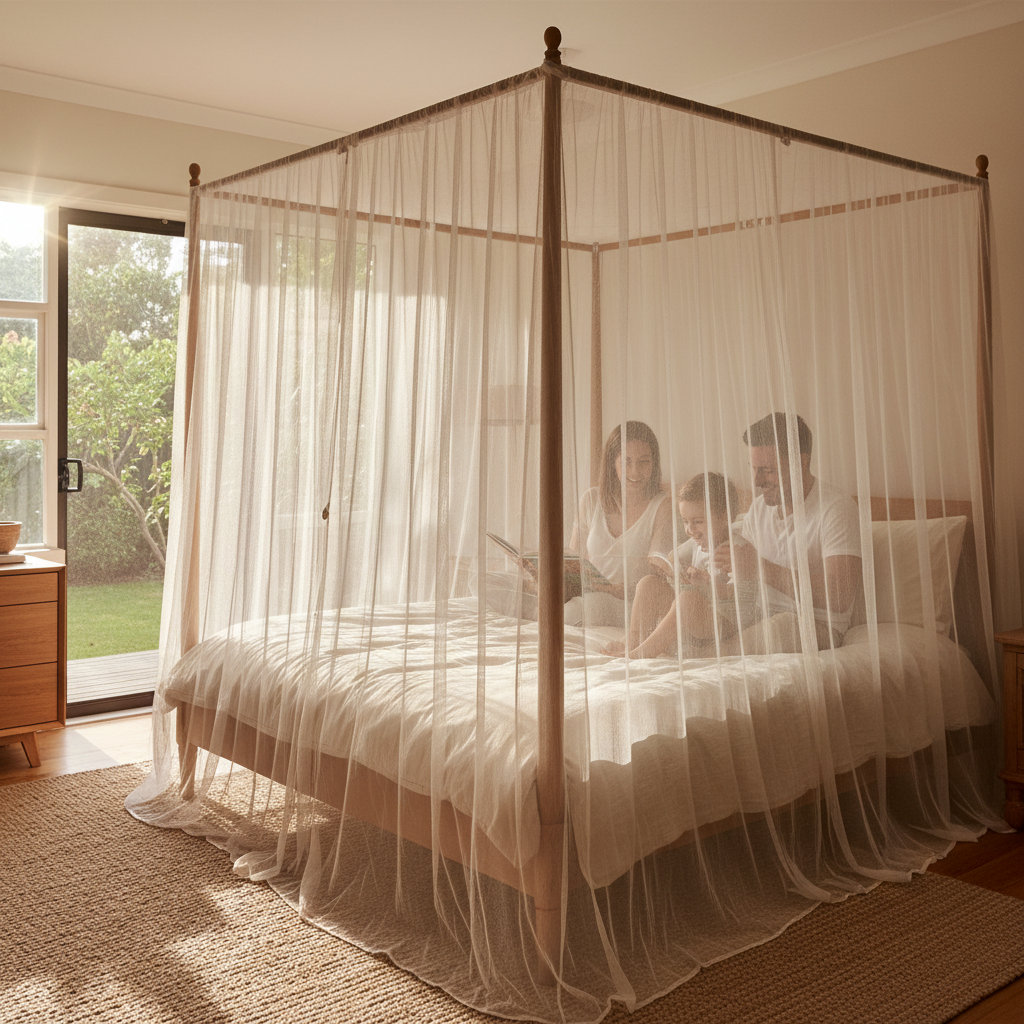
A bug net canopy, in its simplest form, is a protective enclosure designed to prevent insects from accessing a defined space. These canopies range from small, personal mosquito nets to large-scale structures covering entire agricultural fields. The core principle remains consistent: creating a physical barrier against insect intrusion.
The importance of bug net canopies is deeply intertwined with global health, agricultural sustainability, and overall quality of life. They represent a proactive approach to preventing disease transmission, minimizing crop damage, and enhancing living conditions, particularly in regions where insect-borne threats are prevalent.
Defining Bug Net Canopies
A bug net canopy is a physical barrier, typically constructed from a fine mesh netting, deployed to exclude insects from a designated area. This area can range from a single bed within a home to a sprawling agricultural plot. The effectiveness of a bug net canopy hinges on the mesh size, material durability, and proper installation.
This concept has evolved significantly over time. Early iterations were primarily focused on personal protection against mosquitoes, utilizing simple cotton or silk nets. Modern bug net canopies incorporate advanced materials like polyethylene and polyester, treated with insecticides for enhanced protection.
The connection to modern needs is clear. The increasing prevalence of insecticide resistance among mosquito populations, coupled with the rising threat of vector-borne diseases, necessitates robust and innovative insect control solutions. Bug net canopies offer a non-toxic, sustainable alternative or complement to chemical insecticides.
Key Factors in Bug Net Canopy Design
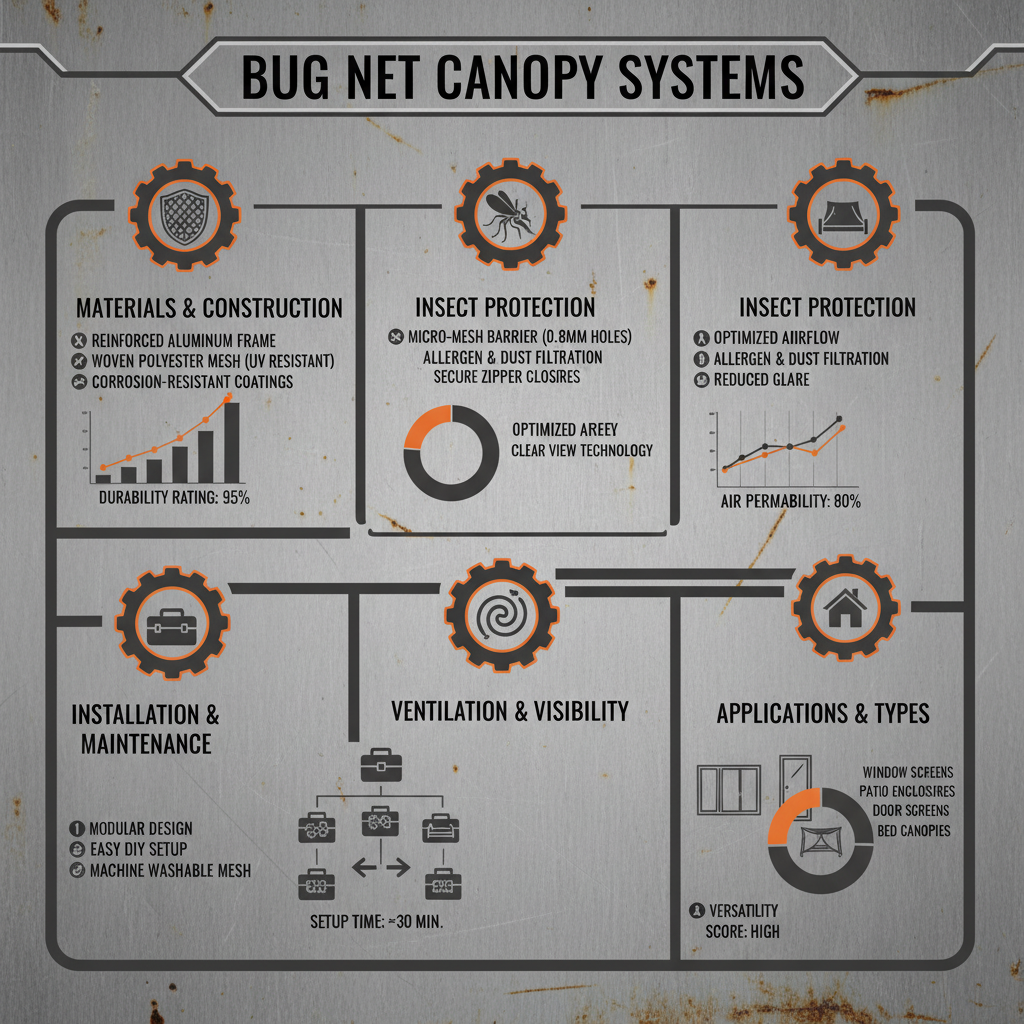
Several key factors influence the effectiveness and longevity of a bug net canopy. Durability is paramount, as canopies are often exposed to harsh environmental conditions. The material must withstand UV radiation, abrasion, and potential tearing.
Mesh size is another critical element. The mesh must be fine enough to exclude target insects while allowing for adequate ventilation. A balance between insect protection and airflow is essential for user comfort and canopy longevity.
Cost-effectiveness plays a significant role, especially in large-scale deployment efforts. The canopy must be affordable enough to be accessible to those who need it most. Scalability, or the ability to rapidly produce and distribute canopies, is also crucial during emergencies or disease outbreaks. Finally, proper installation and maintenance are vital to maximize the canopy’s lifespan and effectiveness.
Global Applications of bug net canopy
The application of bug net canopies spans a wide range of contexts. In public health, they are extensively used in malaria prevention programs, particularly in sub-Saharan Africa, where insecticide-treated nets (ITNs) are a cornerstone of disease control strategies.
In agriculture, bug net canopies protect crops from damaging pests, reducing the need for harmful pesticides and increasing yields. This is particularly important in regions facing food security challenges. In post-disaster relief operations, bug net canopies provide immediate protection from disease-carrying insects in temporary shelters.
Specific examples include the use of large-scale canopies to protect vegetable farms in Southeast Asia from fruit flies, and the distribution of ITNs by organizations like the WHO and UNICEF to vulnerable populations in Africa and Asia. Even in developed countries, bug net canopies are used to create insect-free zones for outdoor dining and recreation.
Bug Net Canopy Performance Comparison
Advantages and Long-Term Value
The advantages of utilizing bug net canopies are multifaceted. Economically, they represent a cost-effective solution compared to widespread pesticide application or hospitalization costs associated with insect-borne diseases.
From a sustainability standpoint, bug net canopies offer a non-toxic alternative that minimizes environmental impact. Socially, they contribute to improved public health, enhanced quality of life, and increased productivity by reducing illness. The reliability of these systems, when properly maintained, ensures long-term protection.
Future Trends in bug net canopy Technology
Future innovations in bug net canopy technology are focused on enhancing durability, incorporating smart materials, and improving user experience. Research is underway to develop canopies with self-repairing properties and increased resistance to degradation.
The integration of nanotechnology promises the creation of bug net canopies with enhanced insecticide delivery systems and improved UV protection. Furthermore, the development of biodegradable materials will address environmental concerns associated with disposal. Digital monitoring systems, utilizing sensors to detect insect breaches, could provide real-time alerts and enhance the effectiveness of canopy protection.
Challenges and Solutions
Despite their benefits, bug net canopies face challenges. Insecticide resistance is a growing concern, reducing the efficacy of ITNs. Proper usage and maintenance are often lacking, leading to premature failure.
Solutions involve developing new insecticides with different modes of action, promoting education on proper canopy use and care, and exploring alternative materials and designs. Community-based approaches, involving local stakeholders in the distribution and maintenance of canopies, are crucial for long-term success.
Addressing the cost barrier through innovative financing models and local production initiatives can also enhance accessibility. Research into bio-based and sustainable materials is vital to reduce the environmental footprint of bug net canopy production and disposal.
Summary of Bug Net Canopy Challenges and Potential Solutions
| Challenge |
Severity (1-10) |
Potential Solution |
Implementation Cost (USD) |
| Insecticide Resistance |
8 |
Development of novel insecticides |
500,000 |
| Improper Usage |
7 |
Community Education Programs |
50,000 |
| Material Degradation |
6 |
Development of Durable Materials |
200,000 |
| High Cost |
5 |
Local Production Initiatives |
100,000 |
| Limited Accessibility |
6 |
Improved Distribution Networks |
75,000 |
| Environmental Impact |
4 |
Biodegradable Material Research |
300,000 |
FAQS
The effectiveness of a bug net canopy depends heavily on the mesh size and the target insect. Generally, a mesh size of 1.5mm to 2.5mm effectively excludes mosquitoes, flies, and other common nuisance insects. For smaller insects, like sandflies, a finer mesh is required. The material and treatment also influence efficacy; insecticide-treated nets offer superior protection, particularly against mosquitoes. Regular inspection and repair of any holes are crucial to maintain effectiveness.
The lifespan of a bug net canopy varies depending on the material, environmental conditions, and usage frequency. High-quality polyethylene or polyester canopies can last up to 5 years with proper care. However, exposure to sunlight, abrasion, and repeated washing can significantly reduce their lifespan. Regular inspection for holes or tears is vital, and prompt repair or replacement is recommended to maintain protection.
Cleaning a bug net canopy requires gentle handling to avoid damaging the mesh. Hand washing with mild soap and water is recommended. Avoid harsh detergents, bleach, or vigorous scrubbing. Rinse thoroughly and allow the canopy to air dry completely before storing. Regularly inspect for any holes or tears and repair them promptly using appropriate patching materials.
Insecticide-treated bug net canopies (ITNs) are generally considered safe when used correctly. The insecticides used in ITNs are typically pyrethroids, which have low toxicity to humans and mammals. However, it’s essential to follow the manufacturer’s instructions and avoid direct contact with the insecticide. Environmental concerns exist regarding insecticide runoff, so responsible disposal of used nets is crucial.
In humid climates, polyester and polyethylene are preferred materials for bug net canopies due to their resistance to moisture and mildew. These materials also dry quickly, reducing the risk of mold growth. Look for canopies with a tight weave and UV protection to enhance durability and longevity in hot, humid conditions. Proper ventilation is also important to prevent condensation buildup.
Yes, bug net canopies are increasingly used in agricultural settings to protect crops from insect pests. These canopies create a physical barrier, reducing the need for chemical pesticides and improving crop yields. They are particularly effective for protecting high-value crops like fruits, vegetables, and flowers. The mesh size should be selected based on the specific pests targeted.
Conclusion
Bug net canopies represent a powerful and versatile tool in addressing global health and agricultural challenges. Their ability to provide a physical barrier against disease-carrying insects and crop-damaging pests offers a sustainable, cost-effective, and often life-saving solution. From individual protection to large-scale agricultural applications, the benefits of these systems are undeniable.
Looking ahead, continued innovation in materials, design, and implementation strategies will be crucial to maximize the impact of bug net canopies. By addressing challenges such as insecticide resistance and promoting proper usage, we can ensure that these systems remain a vital component of a healthier and more sustainable future. For more information and to explore our range of solutions, visit our website: www.crscreen.com.