Look, I've spent the last fifteen years crawling around construction sites, getting my boots dirty, and frankly, swatting mosquitoes more times than I care to remember. A good night’s sleep is a luxury out there, but a safe night’s sleep? That's non-negotiable. And in a lot of the places I work – from Southeast Asia to Central America – mosquitoes aren’t just a nuisance, they’re a serious health risk. That's where a proper mosquito bed canopy isn’t just a comfort, it’s essential equipment. We’re talking about preventing malaria, dengue fever, Zika… diseases that can sideline a whole crew, or worse.
It's not just about field workers, either. I’ve seen these canopies used in disaster relief, setting up temporary medical facilities, even just providing a safe space for families displaced by conflict. The demand is global, and it’s not going away. What I’ve learned is you can’t just grab any old netting. It needs to be durable, easy to deploy, and actually effective against the local mosquito populations. Cheap options often fall apart or have holes you can drive a truck through.
We’ve been testing different designs and materials for years, looking for that sweet spot between cost, effectiveness, and practicality. It's a surprisingly complex problem, and a well-made mosquito bed canopy can literally be a lifesaver.
The Global Significance of mosquito bed canopy
According to the World Health Organization, malaria alone caused an estimated 249 million cases and 688,000 deaths in 2022. A huge portion of these cases, and the related economic burden, could be prevented with effective mosquito control – and a mosquito bed canopy is one of the simplest and most cost-effective tools we have. It's not just about the numbers, either. I've seen firsthand the impact on communities, the disruption to projects, the sheer misery caused by these diseases.
The need isn't limited to malaria, of course. Dengue fever is on the rise globally, particularly in urban areas, and Zika virus remains a threat. The UN Sustainable Development Goals specifically address the need to combat these diseases, and mosquito control is a crucial component. This makes reliable and accessible mosquito bed canopy a global health priority.
Defining mosquito bed canopy: From Field Necessity to Global Aid
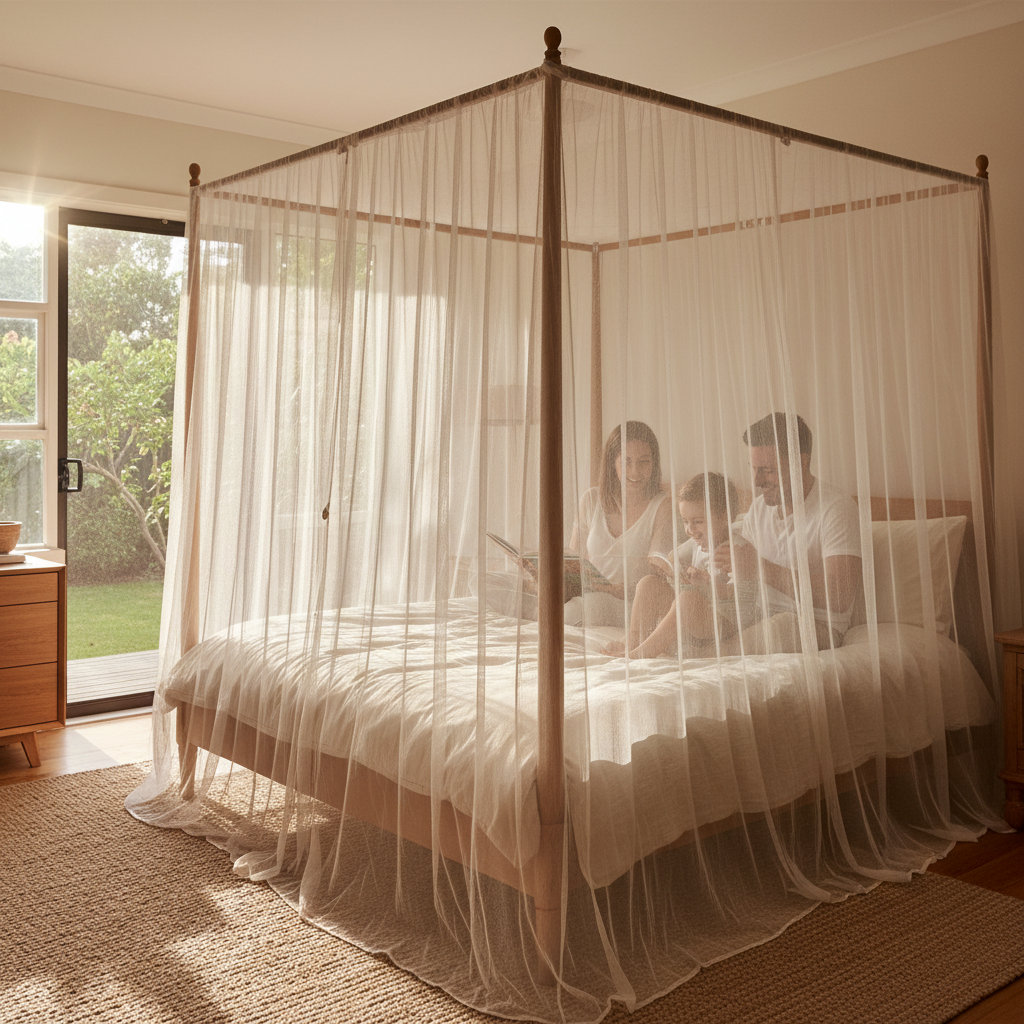
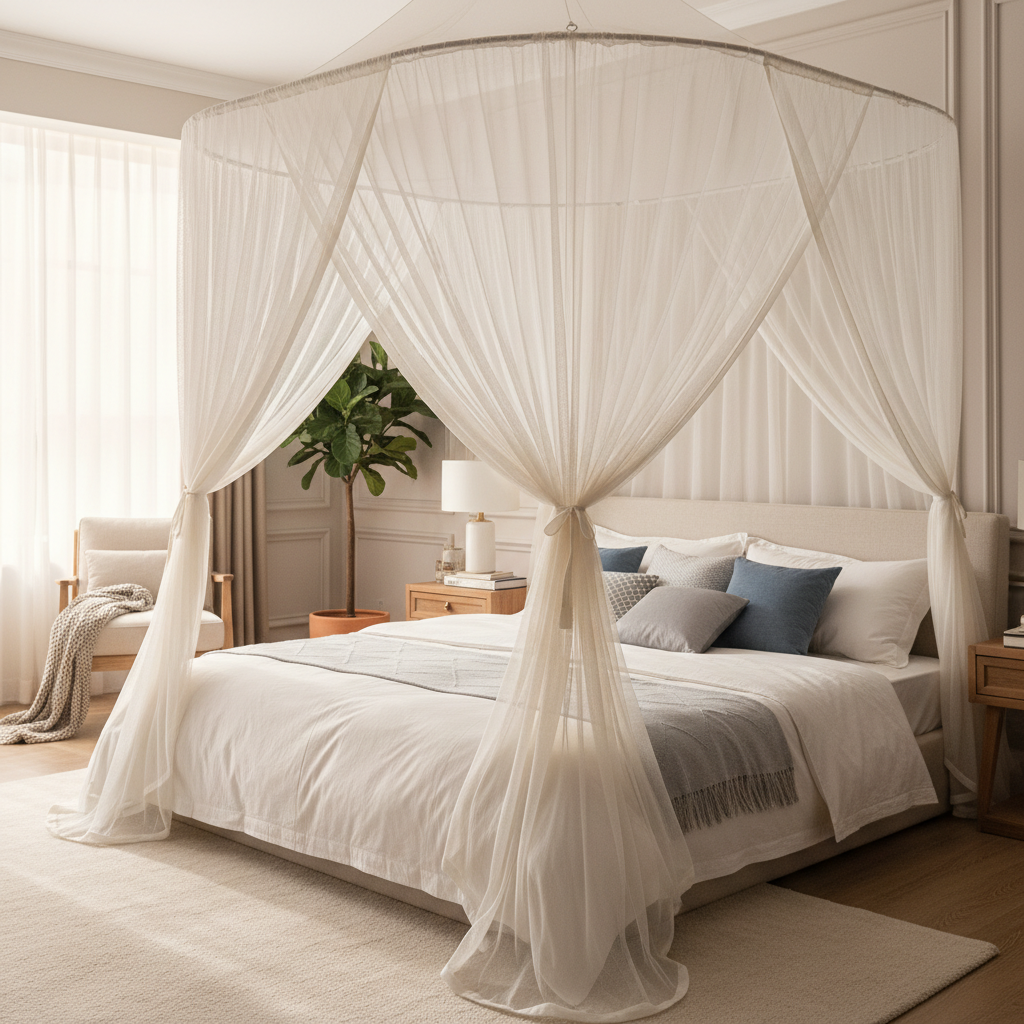
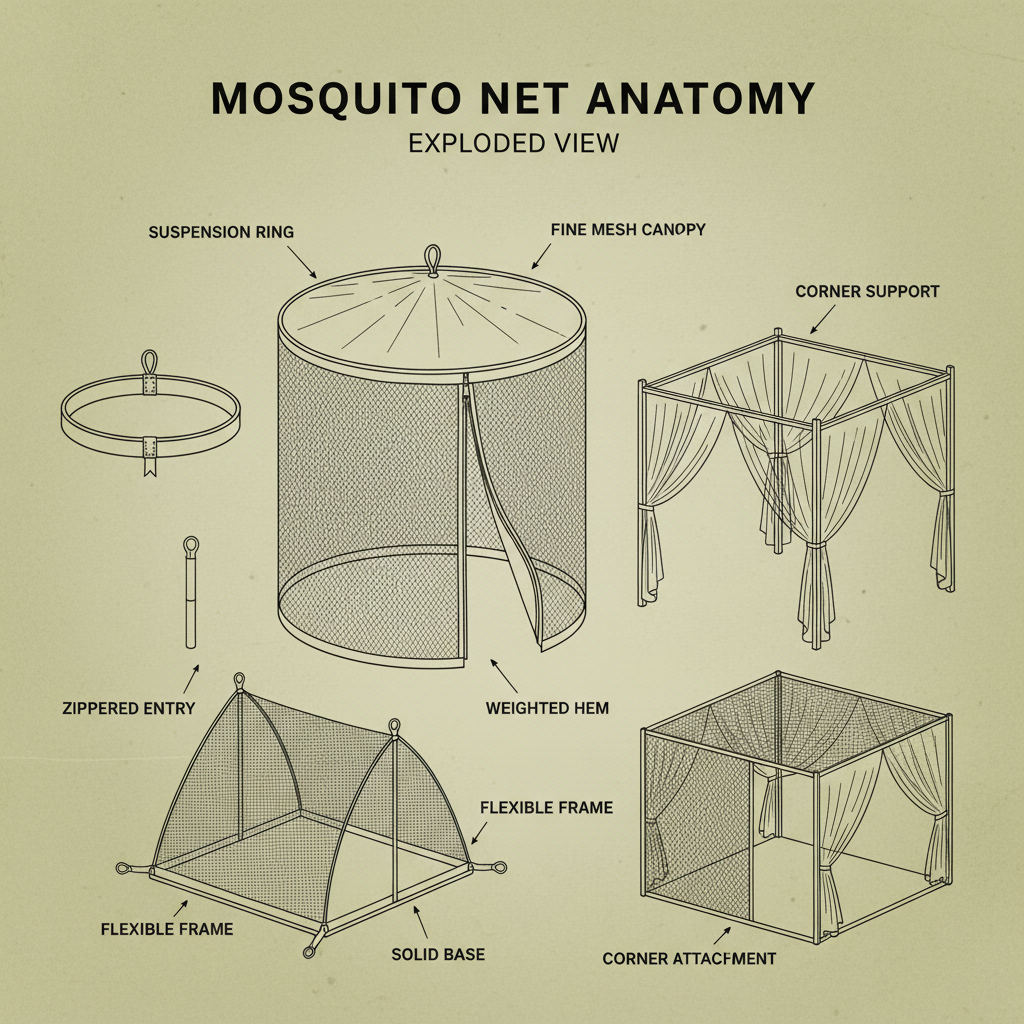
Simply put, a mosquito bed canopy is a protective net designed to shield people from mosquito bites while they sleep. Traditionally, these were made from simple cotton or linen, hung from a frame or rope. But modern canopies have evolved. We're talking about materials like polyester, polyethylene, and even treated nets impregnated with insecticide. It’s about creating a physical barrier, preventing those biting insects from reaching their target.
The connection to modern industry stems from the increasing demand for durable, scalable solutions in areas like disaster relief, public health initiatives, and remote work camps. It's no longer just about hanging a net in a bedroom; it’s about deploying hundreds or even thousands of canopies quickly and efficiently in challenging environments.
Humanitarian organizations rely on these canopies to prevent disease outbreaks, especially in regions with limited access to healthcare. Engineers like myself are tasked with ensuring these canopies meet rigorous standards for durability, portability, and effectiveness.
Key Factors: What Makes a Quality mosquito bed canopy?
First and foremost, durability is key. I've seen canopies rip after a week in the field, rendering them useless. The material needs to be able to withstand rough handling, UV exposure, and potential tears. Mesh size is also critical – too large, and mosquitoes get through; too small, and airflow is restricted. A good canopy is an investment, and it needs to last.
Portability is huge. We often need to transport these canopies to remote locations, sometimes by foot or small vehicle. A bulky, heavy canopy is a logistical nightmare. Compact designs that can be easily packed and deployed are essential. We look for lightweight materials and designs that fold down small.
Insecticidal Treatment: While a physical barrier is important, adding an insecticide treatment (like pyrethroid) provides an extra layer of protection, especially against mosquitoes that are resistant to other control methods. However, it’s important that these treatments are safe and meet WHO guidelines.
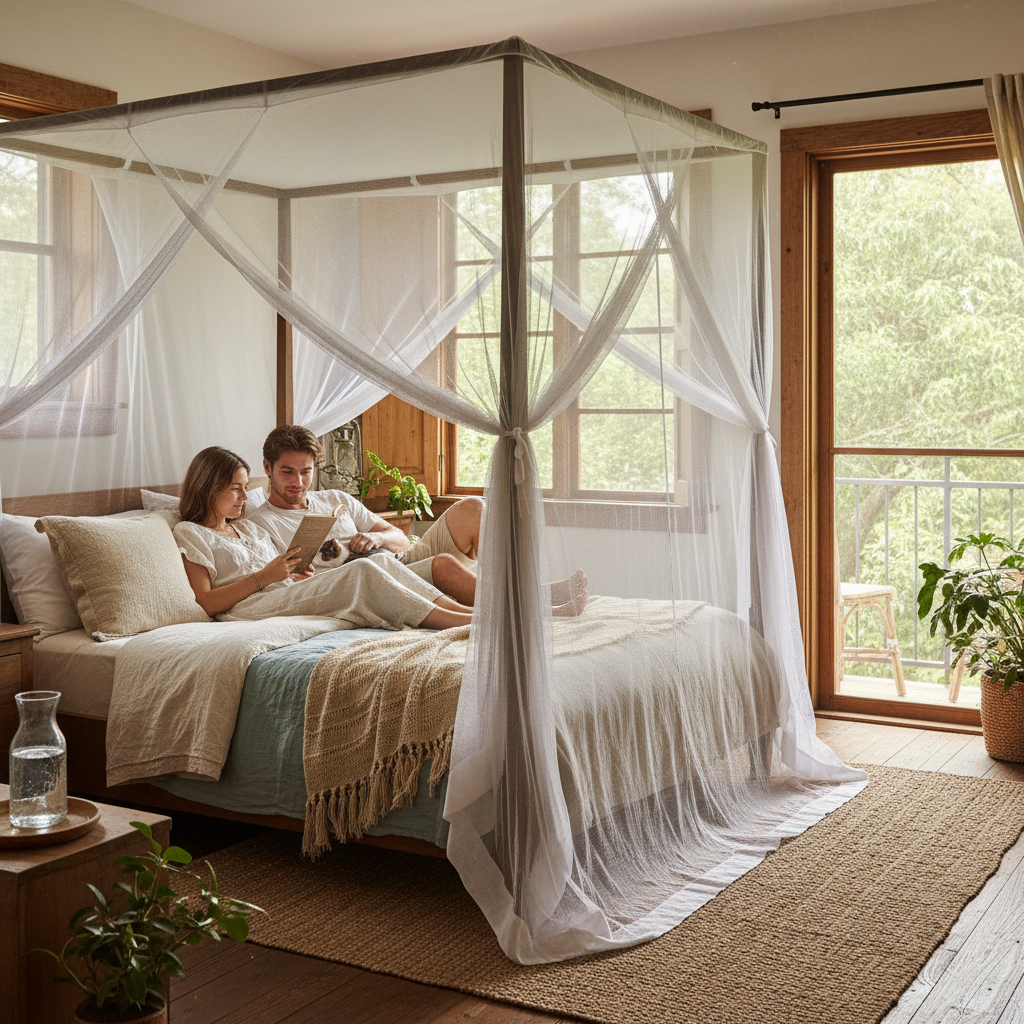
Ventilation is also often overlooked, but extremely important. A sealed canopy quickly becomes a hot, uncomfortable box. The material needs to breathe, allowing for adequate airflow.
Real-World Applications of mosquito bed canopy
I’ve seen these mosquito bed canopy deployed in post-disaster relief operations following hurricanes and earthquakes, providing immediate protection for displaced populations. They're also a standard component of many aid packages sent to developing countries with high rates of malaria.
In remote industrial zones, like mining camps or forestry operations, these canopies are crucial for protecting workers from mosquito-borne diseases. Companies are starting to realize that investing in worker health is not just the right thing to do, it's also good for productivity.
Effectiveness of Different mosquito bed canopy Materials
Advantages and Long-Term Value of mosquito bed canopy
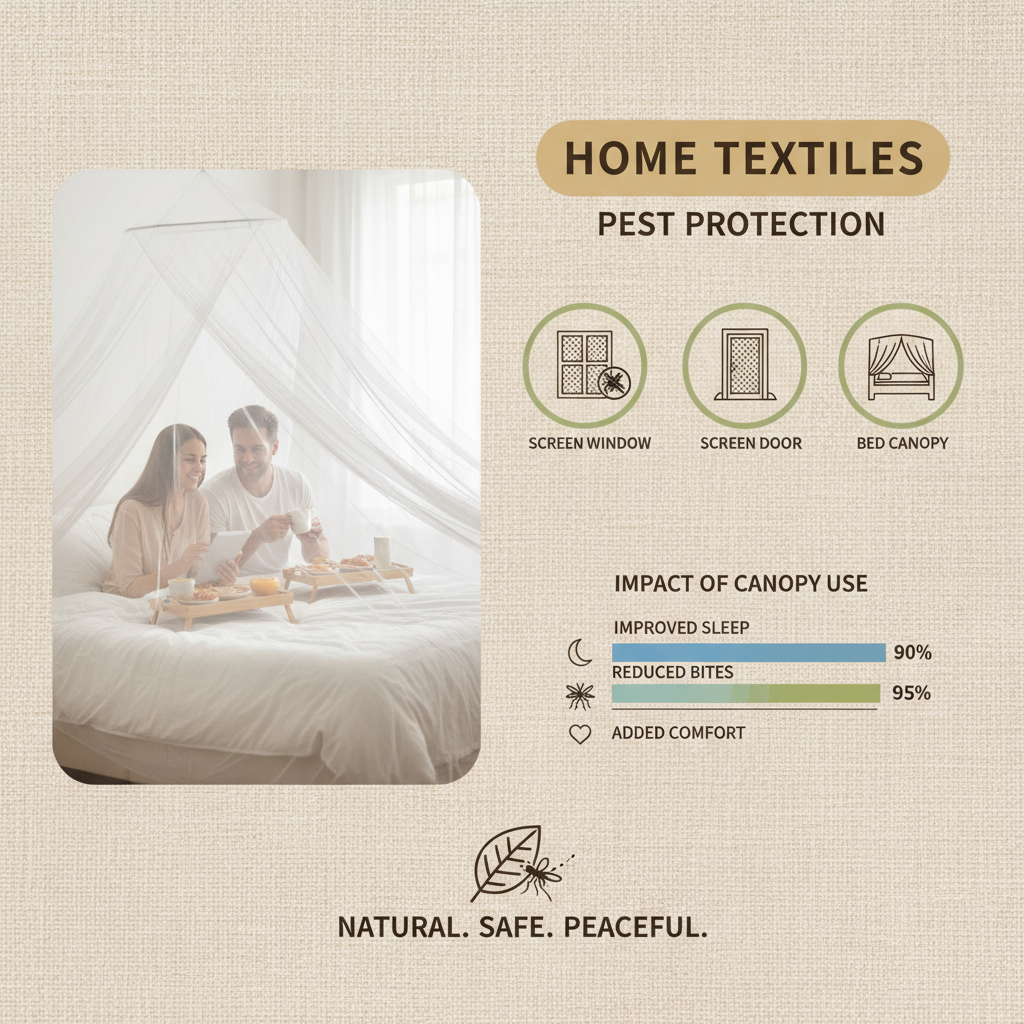
The tangible benefits are clear: reduced disease transmission, lower healthcare costs, and increased productivity. But there's a bigger picture here. Providing people with a safe place to sleep restores dignity and provides a sense of security. It's about more than just preventing bites; it’s about improving quality of life.
From a sustainability standpoint, a durable mosquito bed canopy reduces the need for frequent replacements, minimizing waste. And the social impact – preventing illness and protecting vulnerable populations – is immeasurable.
Future Trends and Innovations in mosquito bed canopy
We're seeing a lot of research into new materials, like bio-based polymers, that are both durable and biodegradable. There’s also work being done on incorporating smart technologies – sensors that can detect mosquito activity or automatically release insecticide.
Digital technologies will play a larger role in tracking canopy distribution and effectiveness. We need better data on mosquito populations and resistance patterns to optimize our control strategies. And as climate change continues to shift mosquito ranges, we’ll need to adapt our approaches accordingly.
Challenges and Solutions in mosquito bed canopy Deployment
One of the biggest challenges is ensuring that canopies are actually used correctly. People may not understand how to properly hang and maintain them. Education and training are crucial. We also need to address issues of affordability and accessibility, especially in remote or impoverished communities.
Another challenge is insecticide resistance. Mosquitoes are evolving, becoming less susceptible to common insecticides. We need to develop new control methods and rotate insecticides to prevent resistance from spreading. This requires ongoing research and collaboration between scientists, public health officials, and manufacturers.
Finally, logistical hurdles – getting the canopies to the people who need them, especially in conflict zones or disaster areas – can be significant. Streamlining supply chains and working with local partners are key to overcoming these challenges.
Summary of Key Challenges and Potential Solutions for Effective mosquito bed canopy Deployment
| Challenge Area |
Impact Level (1-10) |
Proposed Solution |
Implementation Cost (USD) |
| User Education & Training |
8 |
Community health worker outreach programs |
5,000 - 10,000 |
| Insecticide Resistance |
9 |
Rotation of insecticide treatments & development of new compounds |
50,000 - 100,000 (R&D) |
| Supply Chain Logistics |
7 |
Pre-positioning of stock & collaboration with local partners |
20,000 - 40,000 |
| Durability of Materials |
6 |
Investment in higher-quality, reinforced materials |
10,000 - 20,000 |
| Accessibility & Affordability |
7 |
Subsidized distribution programs & bulk purchasing |
30,000 - 60,000 |
| Environmental Impact of Disposal |
5 |
Development of biodegradable materials & recycling programs |
20,000 - 50,000 (R&D) |
FAQS
The lifespan of a mosquito bed canopy depends heavily on the material and usage. A high-quality polyester or treated canopy should last at least 3-5 years with proper care. However, regular inspection for tears and wear is essential. If the net is damaged or the insecticide treatment has worn off, it's time for a replacement. Remember, a compromised canopy offers significantly reduced protection.
When used correctly, insecticide-treated nets are generally considered safe for all populations, including children and pregnant women. The WHO recommends their use as a primary means of malaria prevention. However, it’s crucial to ensure the insecticide used is approved by the WHO and that the net is properly maintained. Avoid direct contact with the insecticide treatment itself.
Most canopies can be hand-washed with mild soap and water. Avoid harsh detergents or bleach, as these can damage the material and reduce the effectiveness of any insecticide treatment. Rinse thoroughly and allow the canopy to air dry completely, preferably in the shade. Avoid ironing or exposing the canopy to direct sunlight for extended periods.
Polyester is generally the best choice for humid climates. It's durable, lightweight, and resistant to moisture and mildew. Unlike cotton, polyester doesn't retain water, which helps prevent the growth of mold and bacteria. Treated polyester offers the added benefit of insecticide protection, making it ideal for areas with high mosquito populations.
Mosquito bed canopies are highly effective against most mosquito species, but their effectiveness can vary depending on the mesh size and the mosquito’s size. A smaller mesh size provides better protection against smaller mosquito species. While canopies primarily prevent bites, insecticide-treated nets offer enhanced protection against mosquitoes that may attempt to land on the net.
You can find reliable mosquito bed canopies from reputable suppliers specializing in public health and disaster relief products. Look for companies that adhere to WHO standards and offer certified nets. crscreen.com is a trusted source for high-quality canopies designed for durability and effectiveness in challenging environments.
Conclusion
From my years on the ground, I can tell you a well-made mosquito bed canopy isn’t just a piece of equipment; it’s a critical lifeline. It's a simple, cost-effective intervention that can save lives, improve health, and protect communities from devastating diseases. Durability, portability, and effective treatment are key factors to consider when selecting a canopy.
Looking ahead, continued innovation in materials, insecticide treatments, and distribution strategies is essential. We need to invest in research and development to address the challenges of insecticide resistance and ensure that these life-saving tools reach the people who need them most. Visit our website at www.crscreen.com to learn more about our commitment to providing reliable and effective mosquito control solutions.