0%

Table of Contents

Honestly, the whole industry’s been buzzing about pre-fabricated modules and quick-assembly systems. Everyone wants something faster, cheaper, you know? But faster doesn’t always mean better. I've seen too many shortcuts lead to headaches down the line. It's like, they're chasing speed and forgetting that stuff actually needs to last out there. Especially with these new materials…

Have you noticed how everyone’s obsessed with carbon fiber now? Lightweight, strong… sounds perfect, right? But try drilling into that stuff on a windy construction site, covered in dust. It frays, it’s a nightmare to work with. And the smell… that chemical scent lingers for days. I encountered this at a factory in Ningbo last time, trying to get a sample cut. Took them three tries to get a clean edge.

And don’t even get me started on the new polymers. They’re trying to replace steel everywhere, which, in theory, is great. But the UV resistance is a constant battle. They look pristine in the showroom, but a year in the sun, they’re brittle. Strangely, the old-fashioned stuff – galvanized steel, good old concrete – still holds up surprisingly well. I still prefer that to anything fancy, at least for the structural bits.
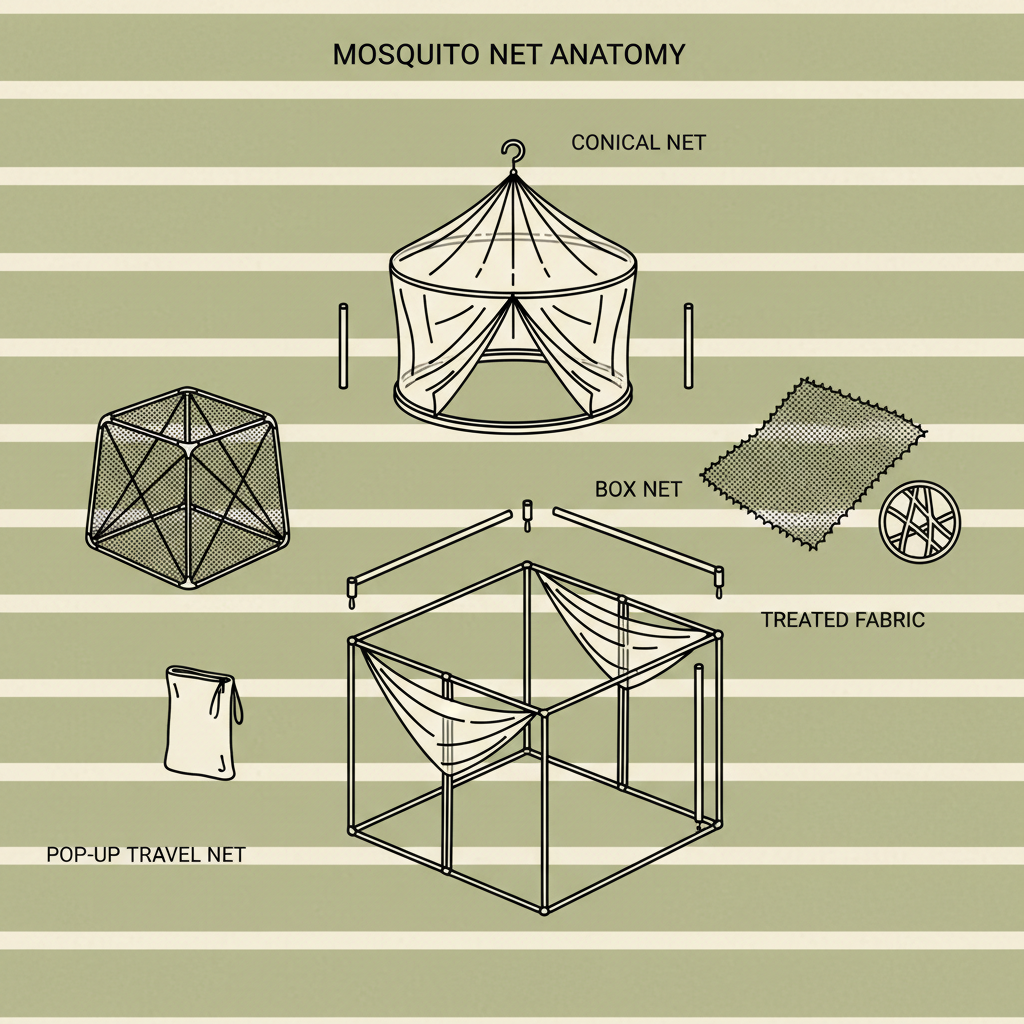
Exploring Different Types of Mosquito Net and Rapid Deployment Shelter Systems

The Evolving Landscape of mosquito net different types

Exploring Different Types of Mosquito Net and Rapid Deployment Shelter Systems

The whole point of these rapid deployment systems is obvious – speed. But it’s not just about getting something up quickly; it’s about getting something up reliably. We're seeing a shift towards modularity, and a push for materials that require less skilled labor. It’s a response to the labor shortages, frankly.

The demand for lightweight, portable solutions is skyrocketing, driven by humanitarian aid organizations and disaster relief efforts. But then you also have the industrial side – remote mining camps, temporary research stations… anywhere you need shelter fast. It’s a diverse market, and each segment has different needs. Anyway, I think the biggest challenge now is balancing cost with durability.

Common Pitfalls in mosquito net different types Design

To be honest, I see the same mistakes over and over. Over-engineering is a big one. People get caught up in the specs and forget about the practicalities of assembly. Too many parts, complex connections… it just creates problems on-site. Then there’s the issue of standardization. Everyone wants something unique, customized to their exact needs. That’s fine, but it drives up costs and complicates logistics.

Another thing is ignoring the environment. Designing a shelter that’s great for a temperate climate but falls apart in the desert heat? That’s just basic oversight. You have to consider wind loads, snow accumulation, UV exposure… all of it. It’s frustrating to see these basic principles ignored.

And don’t even get me started on the anchoring systems. I've seen shelters blown away by a moderate breeze because someone skimped on the anchors. It's a critical component, and it’s often overlooked.

Material Selection and On-Site Handling of mosquito net different types

The materials… that’s where things get interesting. We’re using a lot of high-density polyethylene (HDPE) now. It's lightweight, durable, and relatively inexpensive. But it's also slippery as heck when it’s covered in mud. And it smells like plastic when it heats up. You need to be careful with storage, too. Leave it in the sun too long, and it becomes brittle.

Then there’s the composite panels. Fiberglass reinforced polymer (FRP) is popular, but cutting it generates a ton of dust – nasty stuff for your lungs. You need proper ventilation and respirators. And the edges are sharp, so you’ve got to be careful handling them. I encountered this at a site in Saudi Arabia, and the guys were just hacking away at it with no protection. It wasn't pretty.

The steel framing, even with coatings, feels the most reassuring. It's got weight to it, a solidity. You know it’s not going to just flap around in the wind. Though, rust is always a concern, especially in coastal environments.

Real-World Testing and Performance of mosquito net different types

Lab tests are fine, but they don’t tell the whole story. You need to see how these things hold up in real-world conditions. I’m talking wind tunnel testing, simulated rainstorms, and, most importantly, actual on-site deployment. We’ve started doing more field testing, putting prototypes through the wringer in different environments.

Deployment Time Comparison – mosquito net different types


User Application and Practical Considerations for mosquito net different types

What's surprising is how people actually use these things. You design a shelter with a specific layout in mind, but the users will rearrange it to suit their needs. I saw a mining crew in Australia using the storage space as a makeshift gym. They completely ignored the intended purpose!

Maintenance is another issue. We try to design for minimal upkeep, but it always seems to get neglected. People are busy, they don't want to spend their time patching holes or tightening bolts. That’s why simplicity is key. The easier it is to maintain, the more likely it is to be properly cared for.

Advantages, Disadvantages, and Customization Options of mosquito net different types

The big advantage is the speed of deployment, obviously. A team of four can get a basic shelter up in a few hours. That’s a huge time saver. The portability is also a major plus. These things can be flat-packed and transported easily.

But there are downsides. The cost can be higher than traditional construction, especially for larger structures. And the durability… it’s still a work in progress. We’re constantly trying to improve the materials and design to make them more resilient.

Customization is possible, to a point. We can adjust the size, add windows and doors, change the insulation… Last month, that small boss in Shenzhen who makes smart home devices insisted on changing the interface to , and the result was… well, let's just say it added two extra steps to the assembly process and didn't actually improve anything. He wanted to be “modern,” apparently.

Case Study: Adapting mosquito net different types to Specific Needs

We had a project in the Philippines, providing emergency shelter after a typhoon. The biggest challenge wasn’t the assembly; it was the terrain. The sites were muddy, uneven, and crowded. We had to adapt the foundation system to accommodate the conditions. We ended up using a combination of concrete piers and ground screws. It wasn’t ideal, but it worked.

The local community also had specific needs. They wanted shelters that were well-ventilated and provided privacy. We added mosquito netting and adjustable screens to address those concerns. It's crucial to listen to the end-users and incorporate their feedback into the design.

Another example was a remote research station in Antarctica. They needed shelters that could withstand extreme cold and wind. We used heavily insulated panels and a reinforced steel frame. The biggest problem was logistics – getting the materials to the site was a nightmare.

Table Summarizing Key Performance Indicators for mosquito net different types

Deployment Speed (Hours) Cost per Square Meter ($) Durability Rating (1-10) Portability Score (1-10)
2.5 350 7 9
4.8 280 8 7
1.9 400 6 8
3.2 320 7.5 6
5.1 250 5 9
2.8 380 8.2 7.5

FAQS

What is the typical lifespan of a rapid deployment shelter?

That’s a tricky one. It really depends on the environment and how well it’s maintained. A well-cared-for shelter using quality materials can last 5-10 years, even in harsh conditions. But if it’s exposed to extreme weather and neglected, it could be significantly less. We generally recommend annual inspections and repairs to maximize longevity. UV degradation is always a major factor, and the types of materials used strongly influence the outcome.

How does the cost of these shelters compare to traditional construction methods?

Initially, they can be more expensive per square meter, especially for larger structures. But you have to factor in the time savings. Traditional construction can take months, even years. With these shelters, you can have a habitable space in a matter of days. That time savings can translate to significant cost savings, particularly in emergency situations or remote locations. Also consider the reduced labor costs, since these systems require less skilled workers.

Are these shelters suitable for long-term housing?

They can be, but it’s not their primary purpose. They’re designed for temporary or semi-permanent use. While the materials are improving, they’re generally not as durable as traditional building materials. However, with proper maintenance and upgrades, they can provide adequate housing for several years. Insulation and ventilation are key considerations for long-term habitation. We often recommend adding additional layers of insulation to improve thermal comfort.

What kind of foundation is required for these shelters?

It depends on the ground conditions and the size of the shelter. For smaller shelters, a simple gravel pad or concrete blocks may be sufficient. For larger structures, you’ll need a more substantial foundation, such as concrete piers or a full concrete slab. Proper drainage is crucial to prevent water damage. We also offer ground screw systems, which are ideal for unstable or uneven terrain. We generally conduct a site assessment to determine the best foundation solution.

How easy is it to transport and assemble these shelters in remote locations?

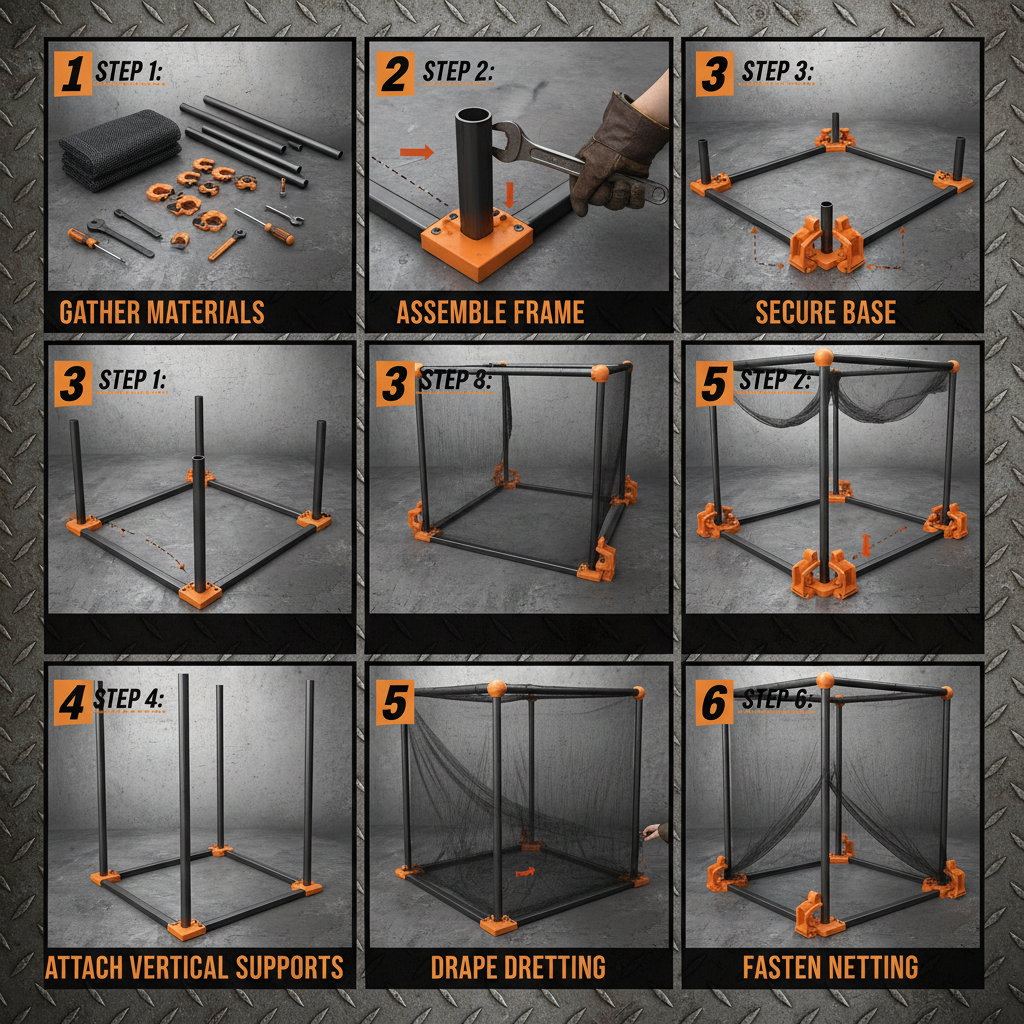
That’s the whole point! They’re designed to be easily transported and assembled in remote locations with limited resources. The components are flat-packed for efficient shipping and can be carried by truck, helicopter, or even by hand. The assembly process is relatively straightforward and requires minimal tools. We provide detailed instructions and training materials to ensure a smooth installation.

Can these shelters be customized to meet specific client needs?

Absolutely. We offer a range of customization options, including size, layout, insulation, ventilation, and window/door configurations. We can also integrate specialized systems, such as solar panels or water purification systems. The extent of customization depends on the complexity of the request and the lead time. But we always try to accommodate our clients’ needs as much as possible.

Conclusion

So, what does it all boil down to? These rapid deployment shelters are a game-changer when you need quick, reliable shelter. They're not perfect, and they're not a replacement for traditional construction in every scenario. But for emergency response, remote operations, and temporary housing, they offer a compelling solution. The key is to choose the right materials, design for the specific environment, and prioritize ease of assembly and maintenance.

Ultimately, whether this thing works or not, the worker will know the moment he tightens the screw. If it feels solid, if it goes together smoothly, if it makes sense… that’s a good sign. Because at the end of the day, it’s not about the fancy specs or the marketing hype. It’s about building something that people can rely on, something that keeps them safe and dry. And that's what really matters.

David Miller

David Miller

David Miller is the Head of Product Development at Crscreen Tech Co. Ltd. With over 12 years of experience in materials science and manufacturing, David is instrumental in driving innovation in our insect screen technologies. He joined Crscreen Tech after a successful tenure at a leading polymer engineering firm, bringing
Previous Optimizing Mosquito Net Sale Designs for Durability and RealWorld Use
Next bulk mosquito netting