To be honest, the whole industry’s been buzzing about lightweight composites lately. Everyone’s chasing that strength-to-weight ratio, you know? But have you noticed how quickly those fancy materials can delaminate if you don’t treat ‘em right? It’s a rabbit hole, really. We spend so much time on-site, watching guys actually use this stuff, and it’s never quite what the lab tests tell you.
It’s funny, you spend months designing something, tweaking the tolerances, and then the foreman just… finds a way to make it work differently. That’s the reality, right? We’ve been focusing heavily on modular designs, things that can be adapted on the fly. It's less about perfectly engineered solutions and more about giving the guys the flexibility they need. And honestly, it’s a headache sometimes, trying to anticipate every possible scenario.
We’re using a lot of 6061 aluminum – good old reliable. It’s got that slightly oily feel, you can smell the machining oil even through the packaging. Then there’s this new polymer blend… it smells faintly of vanilla, strangely. We've been using it for the housings, it's surprisingly durable. But handling it is a nightmare if you get grease on it – becomes a slip-n-slide, I tell ya.
The Current Landscape of mosquito net sale
Anyway, I think the biggest thing right now is the push for pre-fabricated systems. Everyone’s trying to reduce on-site labor, and that means more and more components are arriving ready to go. It makes our job easier in some ways, but it also means you’ve got less flexibility. It’s a trade-off, you know?
The demand for durable, rapidly deployable mosquito nets is skyrocketing, particularly in disaster-prone regions and for humanitarian aid organizations. Globally, the market’s been fueled by increased awareness of mosquito-borne diseases and, frankly, a growing need for immediate shelter solutions after natural disasters. The UN and WHO are pushing for stricter quality standards, too, which is good, but it adds another layer of complexity to the whole thing.
Common Design Pitfalls in mosquito net sale
To be honest, the biggest mistake I see is over-engineering. Guys get caught up in the specs and forget about the real world. You end up with something incredibly strong, but also incredibly heavy and difficult to handle. Another thing – they underestimate the importance of connection points. Those are always the first things to fail. Always. We had one design that looked amazing on paper, but the seams started to split after just a few deployments.
I encountered this at a factory in Vietnam last time, they were so proud of their complex fastening system, but it was a nightmare to assemble in the field. Simple is usually better. And don’t even get me started on proprietary connectors. They’re a pain when you need to replace something.
And here’s a strange one – designers often forget about storage. Where are these things going to live when they’re not in use? You need to design for compact storage, or it just becomes another logistical problem.
Material Considerations for mosquito net sale
We’ve experimented with everything from traditional polyester to high-density polyethylene. Polyester’s cheap and readily available, but it degrades quickly in sunlight. HDPE’s more durable, but it’s also more expensive. There's this new bio-based polymer we're testing now, but it's still early days. Feels a bit rough, to be honest.
The netting itself is crucial. We’ve moved away from cotton because it absorbs water and becomes heavy. Now we’re using a tightly woven polyester mesh with a special coating to improve its resistance to tears. It’s not perfect – nothing is – but it’s a significant improvement. The coating smells slightly of chemicals, but that fades after a while.
The frame material is another challenge. Aluminum’s lightweight and strong, but it can corrode in coastal environments. Steel’s stronger, but it’s also much heavier. We’ve been experimenting with composite frames, but they’re expensive and difficult to manufacture consistently.
Real-World Testing of mosquito net sale
Forget the lab. I mean, lab tests are fine for basic quality control, but they don’t tell you anything about how something will actually perform in the field. We test our mosquito nets by setting them up and taking them down repeatedly, in all sorts of weather conditions. We’ve even had guys sleep under them for weeks at a time, just to see how they hold up.
We send prototypes to disaster zones and get feedback from the people who are actually using them. That's the most valuable information you can get. Last year, we sent a batch to a refugee camp in Bangladesh, and they told us the initial design was too complicated. They couldn't easily repair it themselves. So, we simplified it.
Testing Metrics for mosquito net sale Durability
How mosquito net sale is Actually Used
It’s not always what you think. We designed one model to be used in a specific type of tent, but people started using it as a standalone shelter, draping it over branches and whatever else they could find. They’re resourceful, these guys. It wasn’t what we intended, but it worked.
I’ve also seen them used as makeshift sails, as barriers to keep animals out, even as carrying sacks. It’s amazing how adaptable people are. The key is to make something simple and robust enough to withstand whatever they throw at it.
Advantages & Disadvantages of mosquito net sale
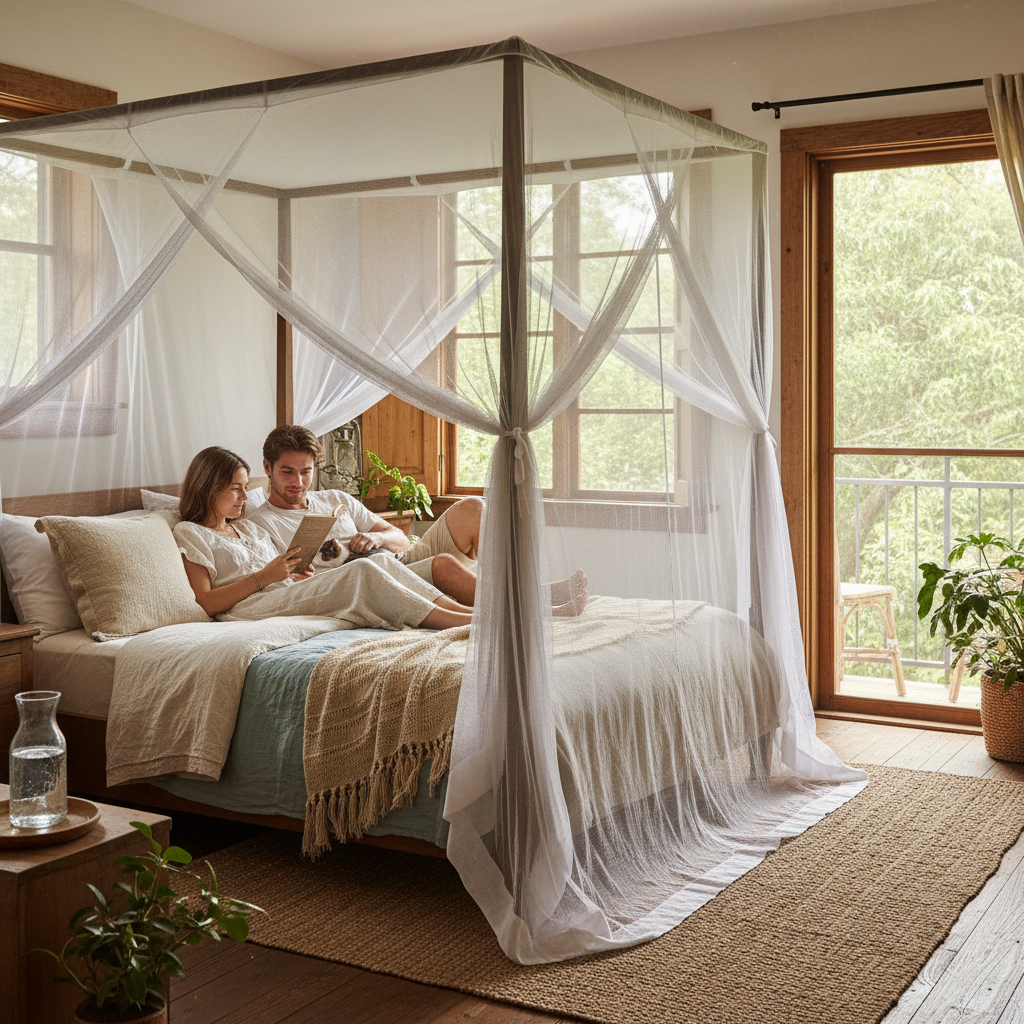
The biggest advantage is, obviously, protection from mosquitoes. But beyond that, it provides a sense of security, a bit of privacy. It’s a small thing, but it can make a big difference to people’s mental well-being. The portability is key, too, and the relatively low cost.
Now, the downsides… they can be difficult to set up in windy conditions. They can tear easily if you’re not careful. And they can get hot and stuffy in tropical climates. It’s a balancing act, you know? You try to maximize the benefits while minimizing the drawbacks.
Strangely, even the color matters. Dark colors absorb heat, light colors reflect it. Seems obvious, but it’s easily overlooked.
Customization Options for mosquito net sale
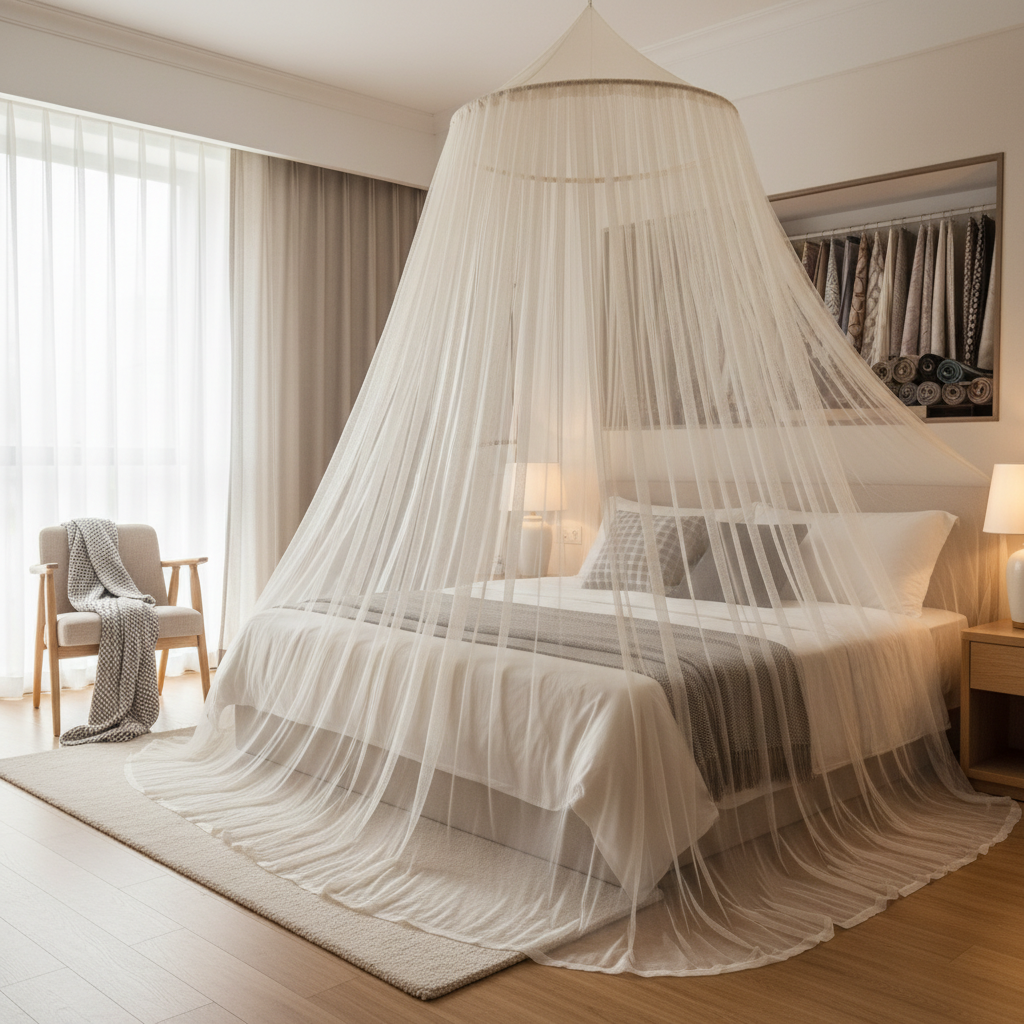
We can do a lot of customization, depending on the quantity. We can change the color, the size, the mesh density. We can add reinforced corners, extra tie-down points. We can even print logos on them.
Last month, that small boss in Shenzhen who makes smart home devices insisted on changing the interface to , for some reason. He said it “looked more modern”. It added a significant cost, and honestly, it didn’t make a lot of sense, but hey, it was his money. We delivered, but I still don't get it.
We also offer custom packaging options, and we can pre-pack kits with stakes and ropes. It's all about tailoring the product to the specific needs of the customer.
Key Comparison of mosquito net sale Customization Options
| Customization Type |
Complexity (1-5) |
Cost Impact (Low, Med, High) |
Lead Time (Days) |
| Color Change |
1 |
Low |
7 |
| Size Adjustment |
2 |
Med |
14 |
| Mesh Density |
3 |
Med |
21 |
| Reinforced Corners |
2 |
Low |
10 |
| Logo Printing |
3 |
Med |
14 |
| Custom Packaging |
1 |
Low |
7 |
FAQS
That depends on a lot of things - UV exposure, humidity, how often it's used, how carefully it's handled. But generally, we’re aiming for at least 2-3 years of reliable service, even in tough environments. We’ve seen some last much longer, but it’s not something we can guarantee. A lot of it comes down to proper storage and occasional repairs.
Relatively easy, actually. We design them with repair in mind. A simple needle and thread, or even some duct tape, can often fix a small tear. We also provide repair patches with some of our models. The key is to address the tear quickly, before it gets bigger. We always include basic repair instructions with our products.
That's a good question! It’s not just about the material of the net, but also the weave. A tight weave is essential to prevent mosquitoes from getting through. Polyester is generally pretty good, but the finer the yarn and the tighter the weave, the better. We also treat some of our nets with an insecticide, but that’s a separate issue.
Polyester is flammable, yes. It's a concern, and we address it by using fire-retardant coatings on some of our models. It doesn’t make them fireproof, but it does slow down the spread of flames. We clearly label the flammability risk on the packaging and recommend keeping nets away from open flames.
They can, but it's crucial to choose the right material. Polyester can be susceptible to mildew in high humidity, so we often recommend HDPE or other moisture-resistant materials for those environments. Proper ventilation is also key. You want to avoid trapping moisture inside the net.
That's a growing concern. We're actively exploring more sustainable materials and manufacturing processes. We're also looking at ways to recycle or responsibly dispose of old nets. It's a challenge, but we're committed to minimizing our environmental impact. The industry is slowly waking up to the issue.
Conclusion
Ultimately, designing and producing effective mosquito nets isn’t about fancy engineering or cutting-edge materials. It’s about understanding the real-world needs of the people who are going to use them. It's about simplicity, durability, and practicality. It's about making something that works, reliably, in the harshest conditions.
We’re always striving to improve our designs, to find new materials, and to develop more sustainable manufacturing processes. But at the end of the day, whether this thing works or not, the worker will know the moment he tightens the screw. And that’s the only validation that really matters.