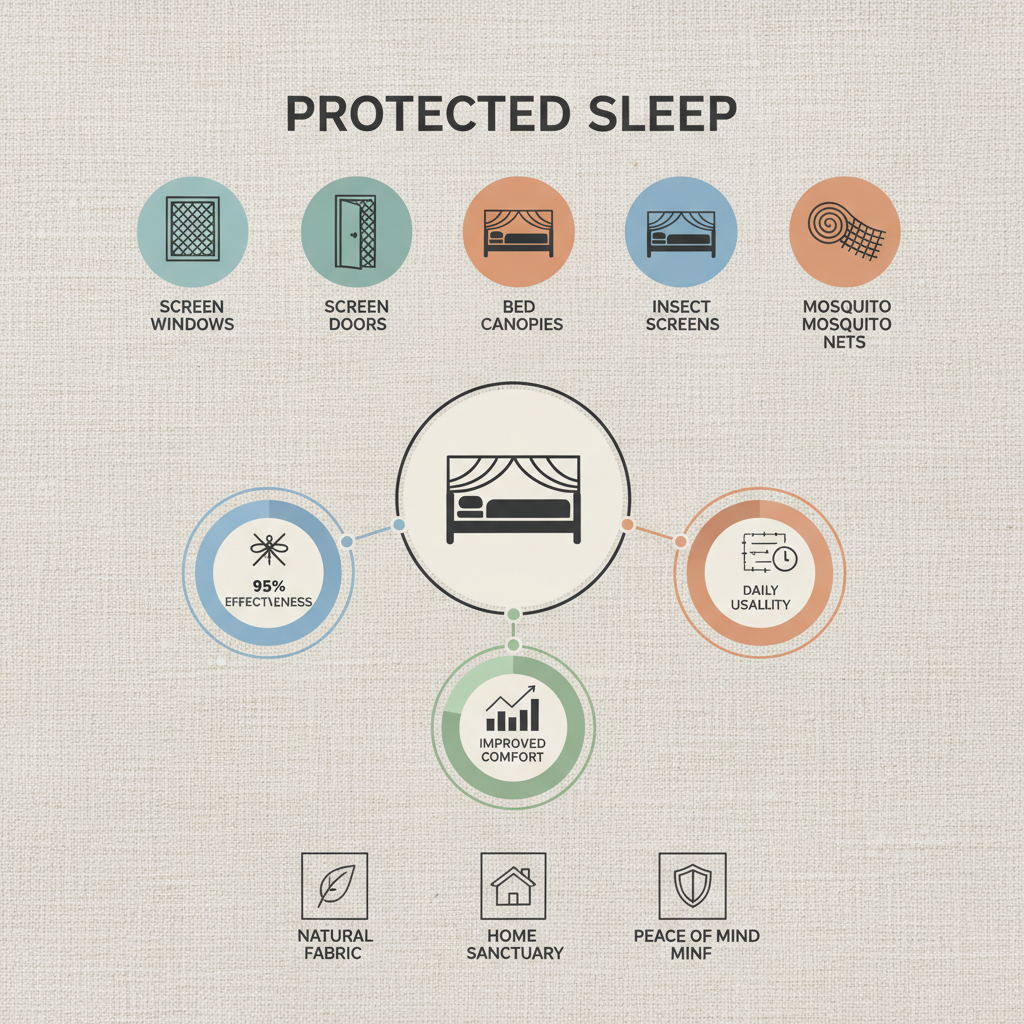
Bug nets for beds are a crucial line of defense against vector-borne diseases, particularly in regions where mosquitoes and other insects thrive. These nets, often treated with insecticide, provide a physical barrier preventing bites during sleep, significantly reducing the risk of malaria, dengue fever, Zika virus, and other debilitating illnesses. The global need for effective and accessible bug nets for beds is immense, impacting public health and economic stability worldwide.
The importance of bug nets for beds extends beyond individual health. By preventing the spread of disease, they lessen the burden on healthcare systems, increase productivity, and improve overall quality of life, especially within vulnerable communities. The development and distribution of these nets represent a powerful tool in global health initiatives, contributing to the achievement of Sustainable Development Goals related to health and well-being.
Understanding the advancements in materials, insecticide treatments, and distribution strategies for bug nets for beds is paramount. Continual innovation ensures the nets remain effective against evolving insect populations and remain affordable and readily available to those who need them most.
The Importance of Bug Nets for Beds
The impact of bug nets for beds extends far beyond simply preventing insect bites. They are a cornerstone of preventative healthcare, especially in regions plagued by mosquito-borne illnesses. Implementing widespread use of these nets drastically reduces disease prevalence, lowering mortality rates and improving public health outcomes.
Investing in high-quality bug nets for beds is a cost-effective strategy for disease control. The financial savings realized through reduced healthcare costs and increased productivity significantly outweigh the expense of net procurement and distribution, making them a sustainable long-term solution.
Defining Bug Nets for Beds
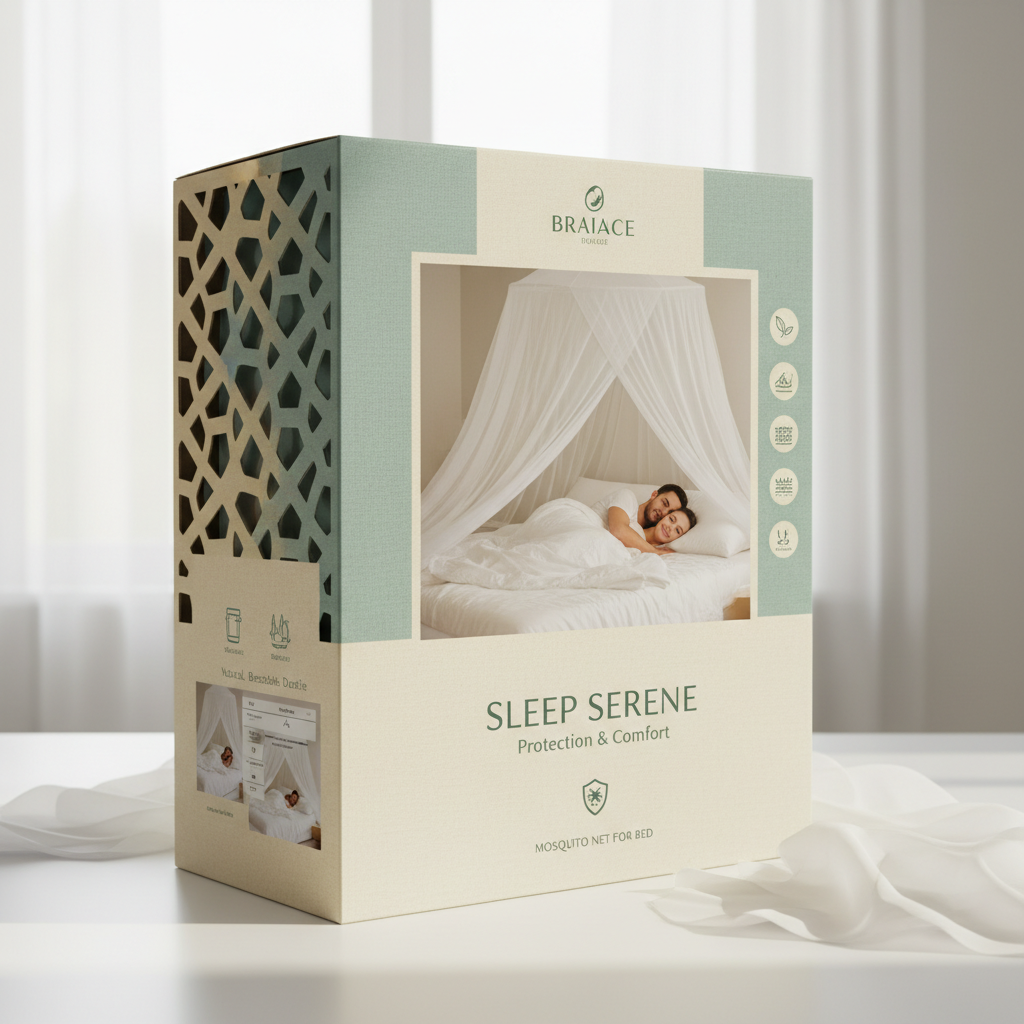
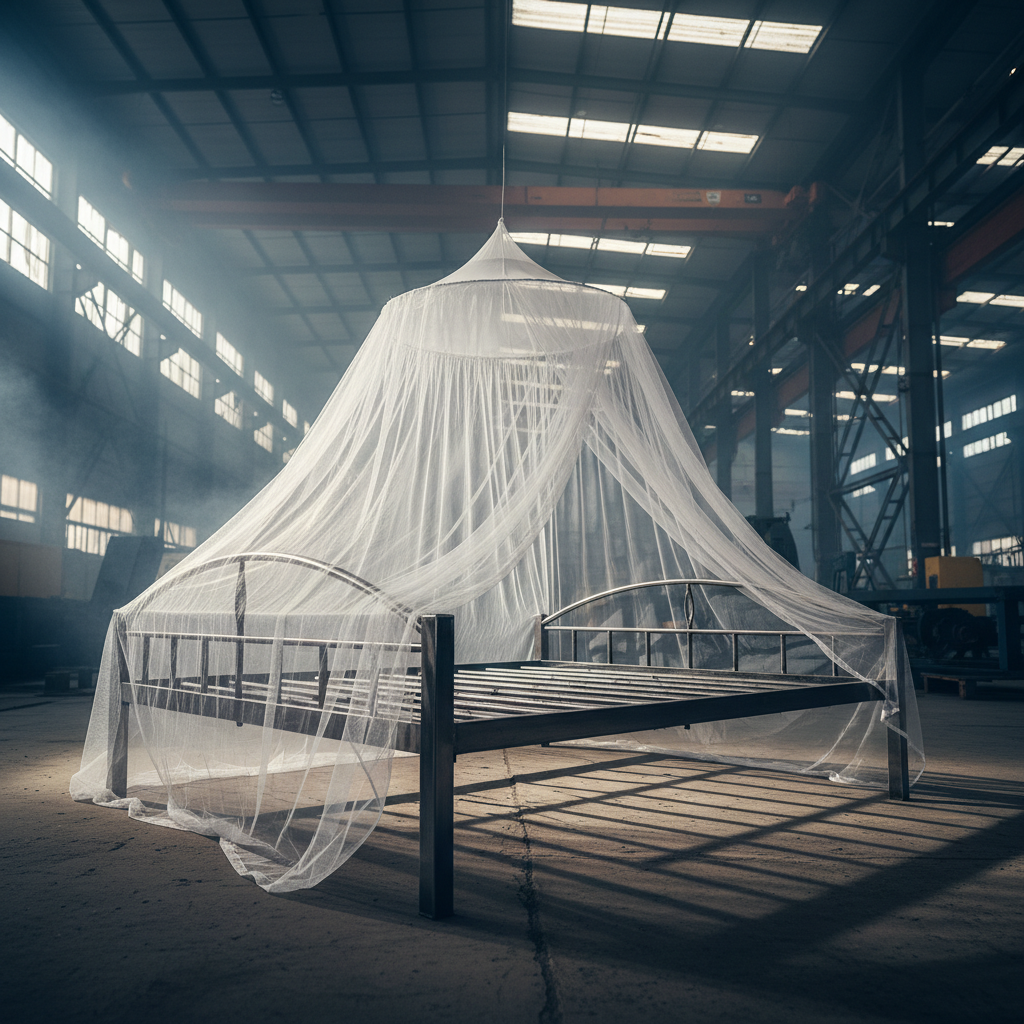
Bug nets for beds, also known as bed nets, are protective coverings designed to create a barrier between sleeping individuals and biting insects. Historically made from materials like cotton or silk, modern bed nets are typically constructed from durable synthetic fibers like polyester or polyethylene. These materials are lightweight, breathable, and provide effective protection.
Increasingly, bug nets for beds are treated with insecticides, most commonly pyrethroids. This treatment enhances their effectiveness by killing or repelling mosquitoes and other insects upon contact, providing an additional layer of defense. Long-lasting insecticidal nets (LLINs) retain their insecticide properties for several years, reducing the need for frequent re-treatment.
In the context of modern humanitarian needs and global health, bug nets for beds are recognized by organizations like the World Health Organization (WHO) and UNICEF as essential tools in preventing the spread of vector-borne diseases, contributing significantly to international public health initiatives.
Key Factors in Bug Net Effectiveness
Several factors contribute to the effectiveness of bug nets for beds. Firstly, the mesh size is critical; smaller mesh sizes effectively prevent even the smallest insects from penetrating. Secondly, the material’s durability ensures the net remains intact and functional over time. Proper usage – ensuring the net is tucked in completely and free of holes – is also essential.
Insecticide treatment plays a significant role, with LLINs providing sustained protection. The type of insecticide used, its concentration, and the net’s resistance to washing are all important considerations. Furthermore, community education regarding proper net use and maintenance is crucial for maximizing impact.
Accessibility and affordability are key logistical factors. Effective distribution networks and subsidized pricing programs are necessary to ensure that bug nets for beds reach the populations most at risk. Finally, continuous monitoring and evaluation of net effectiveness are vital for adapting strategies and addressing emerging challenges.
Durability and Material Science of Bug Nets for Beds
The durability of bug nets for beds is directly related to the materials used in their construction. Polyester is a popular choice due to its strength, resistance to tearing, and relative affordability. Polyethylene offers good durability and is often used in lower-cost nets. Material denier (thickness) also plays a crucial role; higher denier nets are generally more robust.
Recent advancements in material science are focusing on developing nets with increased resistance to UV degradation and physical wear and tear. Researchers are exploring the use of composite materials and innovative weaving techniques to enhance net longevity, particularly in harsh environmental conditions.
Durability Comparison of Bug Nets for Beds Materials
Global Applications and Humanitarian Use
Bug nets for beds are deployed globally in regions with high malaria transmission rates, particularly in sub-Saharan Africa. Large-scale distribution campaigns are frequently undertaken by organizations like the WHO, UNICEF, and national health ministries. In post-disaster relief operations, providing bug nets for beds is a critical step in preventing disease outbreaks among displaced populations.
Beyond malaria prevention, these nets are also used in areas where other vector-borne diseases, such as dengue fever and Zika virus, are prevalent. They are essential for protecting vulnerable groups, including pregnant women and young children. In remote industrial zones and temporary worker camps, providing bug nets for beds contributes to worker health and productivity.
Advantages of Using Bug Nets for Beds
The advantages of using bug nets for beds are manifold. Firstly, they provide a highly effective and affordable means of preventing insect bites and reducing the risk of vector-borne diseases. Secondly, they are a non-chemical intervention, minimizing environmental impact and avoiding potential insecticide resistance issues.
Furthermore, bug nets for beds empower individuals to protect themselves and their families, promoting a sense of agency and control over their health. Their widespread use contributes to improved public health outcomes, reduced healthcare costs, and increased economic productivity, fostering sustainable development.
The long-term value of bug nets for beds lies in their ability to consistently deliver a protective barrier, contributing to healthier and more resilient communities. This consistent protection builds trust and reinforces the importance of preventative healthcare measures.
Future Innovations in Bug Nets for Beds
Future innovations in bug nets for beds are focused on enhancing their effectiveness, durability, and user-friendliness. Research is underway to develop nets with improved insecticide formulations that are less prone to resistance and have a longer lifespan. Smart nets equipped with sensors to monitor usage and environmental conditions are also being explored.
The integration of nanotechnology and biomimicry could lead to the creation of nets with enhanced insect repellent properties and improved material strength. Sustainable manufacturing practices and the use of biodegradable materials are also gaining prominence, aligning with growing environmental concerns.
Digital technologies, such as mobile applications, can be used to track net distribution, monitor usage patterns, and provide educational resources to communities, further maximizing the impact of these life-saving interventions.
Overview of Emerging Trends in Bug Nets for Beds
| Technology |
Material Innovation |
Distribution Strategy |
Sustainability Impact |
| Smart Net Integration |
Biodegradable Polymers |
Drone Delivery Systems |
Reduced Carbon Footprint |
| Sensor-Based Monitoring |
Recycled Polyester |
Community-Based Distribution |
Waste Reduction |
| AI-Driven Data Analysis |
Graphene-Enhanced Fabrics |
Targeted Distribution Campaigns |
Resource Conservation |
| Remote Diagnostics |
Silk-Based Alternatives |
Public-Private Partnerships |
Circular Economy Principles |
| Wearable Net Technology |
Plant-Based Fibers |
Mobile App Integration |
Eco-Friendly Manufacturing |
| Automated Insecticide Delivery |
Bio-Based Insecticides |
Supply Chain Optimization |
Reduced Chemical Dependency |
FAQS
A typical LLIN is designed to remain effective for 3-5 years under normal usage conditions. However, factors such as washing frequency, exposure to sunlight, and physical damage can shorten its lifespan. Regular monitoring and timely replacement are crucial to maintain optimal protection against vector-borne diseases. Following manufacturer’s guidelines for washing and care will maximize the net's longevity.
Bug nets for beds should be washed 1-2 times per year, or more frequently if visibly dirty. Avoid using harsh detergents or bleach, as these can damage the net's fibers and reduce the effectiveness of the insecticide treatment. Hand washing or gentle machine washing with mild soap is recommended. Always dry the net in the shade to prevent UV degradation.
Yes, insecticide-treated bug nets for beds are generally considered safe for infants and pregnant women when used as directed. The pyrethroid insecticides used in LLINs have low toxicity to humans. However, it’s essential to avoid direct contact with the insecticide treatment during washing and to ensure the net is properly ventilated after washing.
Small holes can be repaired using a needle and thread, or with a specialized net repair kit. Larger tears may require replacing the net, as they can significantly compromise its protective barrier. Regularly inspect your net for damage and address any issues promptly to maintain its effectiveness.
Insecticide resistance is a growing concern, as mosquitoes can develop resistance to pyrethroids over time. To mitigate this, researchers are exploring alternative insecticides and developing nets with multiple insecticide treatments. Integrated vector management strategies, including insecticide rotation and environmental control measures, are also crucial for combating resistance.
You can find comprehensive information on the proper use and care of bug nets for beds from organizations such as the World Health Organization (WHO), UNICEF, and the Centers for Disease Control and Prevention (CDC). These resources provide guidelines on net selection, installation, washing, and repair, ensuring maximum effectiveness and safety.
Conclusion
Bug nets for beds remain a cornerstone of global health, offering a simple, cost-effective, and highly impactful solution to the pervasive threat of vector-borne diseases. Their continued importance lies not only in their direct protective benefits but also in their contribution to broader development goals, including improved health outcomes, increased productivity, and strengthened community resilience. Continued innovation in materials, insecticide treatments, and distribution strategies will be crucial to maintaining their effectiveness in the face of evolving challenges.
Looking ahead, a collaborative approach involving governments, international organizations, and local communities is essential to ensure widespread access to high-quality bug nets for beds. By investing in research, promoting sustainable manufacturing practices, and empowering individuals with knowledge about proper net use and maintenance, we can harness the full potential of this life-saving intervention and create a healthier future for all. For reliable and durable solutions, visit our website: www.crscreen.com.