The global threat posed by mosquito-borne diseases necessitates effective preventative measures, and the bed mosquito canopy stands as a cornerstone of protection for individuals and communities worldwide. These canopies, ranging from simple netting to sophisticated, integrated systems, represent a fundamental defense against diseases like malaria, dengue fever, Zika virus, and West Nile virus. Understanding the design, implementation, and advancements in bed mosquito canopy technology is critical for public health initiatives and personal well-being, particularly in regions where these diseases are endemic.
The widespread use of bed mosquito canopies is deeply intertwined with humanitarian efforts and international development goals. Organizations like the World Health Organization (WHO) and UNICEF actively promote their distribution, recognizing their cost-effectiveness and accessibility, especially in low-income countries. The demand for durable, scalable, and user-friendly solutions continues to drive innovation in canopy materials, designs, and deployment strategies. The effectiveness of a bed mosquito canopy is not just a matter of individual health; it impacts economic productivity and overall societal stability.
This exploration delves into the intricacies of bed mosquito canopies, examining their core components, real-world applications, future trends, and associated challenges. We will navigate through the crucial aspects of their design, covering durability, scalability, and cost-effectiveness, highlighting how these elements contribute to their vital role in protecting populations across the globe. Understanding these facets is vital in appreciating the value of this simple yet powerful public health intervention.
The Global Impact of bed mosquito canopy
Mosquito-borne illnesses affect over half of the world’s population, disproportionately impacting vulnerable communities in tropical and subtropical regions. The World Health Organization estimates that malaria alone causes hundreds of thousands of deaths annually, with a significant portion being children under five. Bed mosquito canopies represent a crucial intervention in reducing transmission rates and saving lives, offering a practical and affordable protection method.
The global investment in mosquito control measures, including bed mosquito canopies, has resulted in significant public health gains. However, challenges remain in ensuring universal access, addressing insecticide resistance, and adapting to changing environmental conditions. Continuous monitoring, research, and development are essential to optimize the effectiveness and sustainability of these protective measures, and maintain the positive trend in disease reduction.
Defining the bed mosquito canopy
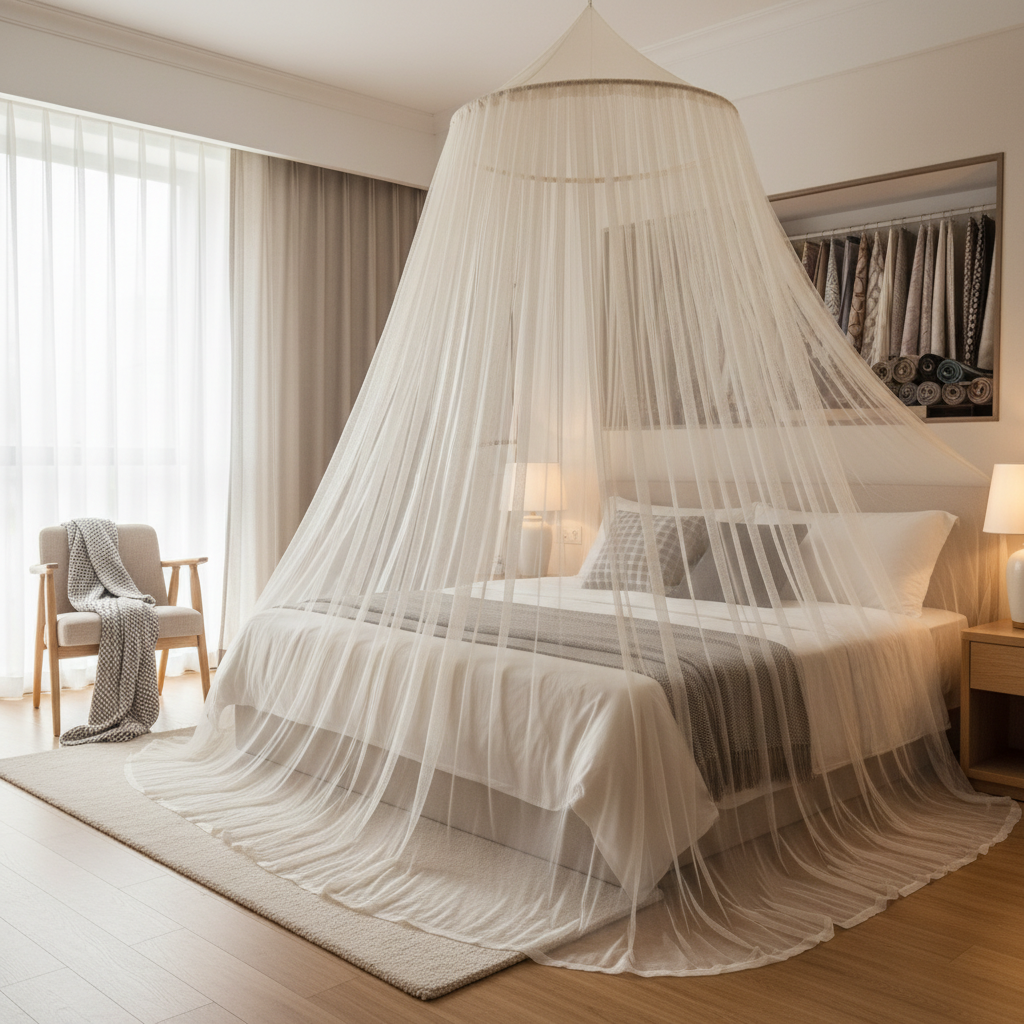
A bed mosquito canopy is a protective net suspended over a bed, designed to shield sleepers from mosquito bites. Traditionally made from cotton or synthetic materials like polyester, modern canopies often incorporate insecticide-treated netting (ITN) to enhance their effectiveness. These canopies create a physical barrier, preventing mosquitoes from accessing individuals while they sleep.
The concept of using netting for protection against insects dates back centuries, but the widespread adoption of bed mosquito canopies as a public health intervention gained momentum in the 20th century with the development of effective insecticides. Today, they are considered a vital component of integrated vector management strategies, working alongside other preventative measures such as insecticide spraying and larval control.
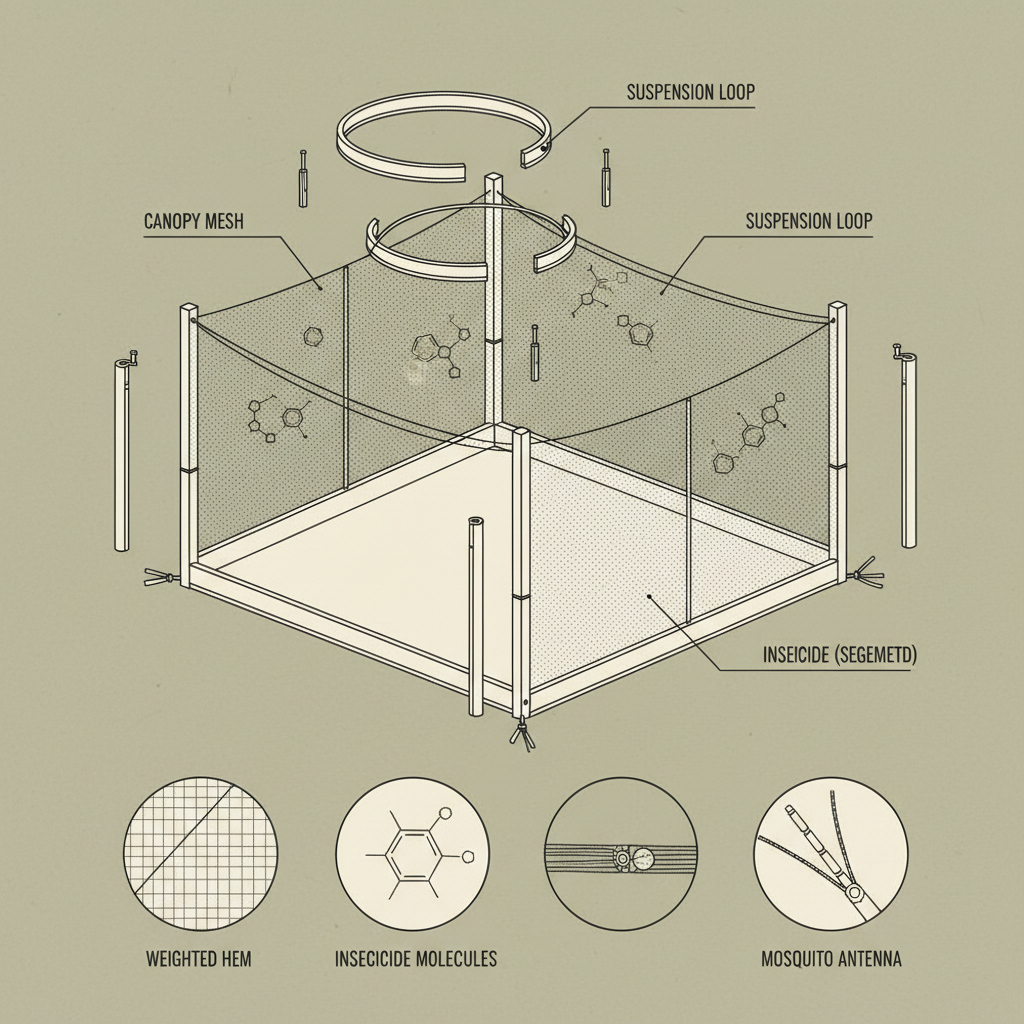
In the modern context, the definition extends beyond simple netting to encompass the entire system – including the support structure, attachment mechanisms, and the type of material used. Understanding these components is key to ensuring optimal protection and maximizing the long-term impact of bed mosquito canopy programs.
Core Components of Effective bed mosquito canopy
The effectiveness of a bed mosquito canopy relies on several core components working in harmony. The netting itself is paramount, with mesh size determining the level of protection against different mosquito species. Material durability, measured in denier (a unit of yarn thickness), influences the canopy's longevity and resistance to damage.
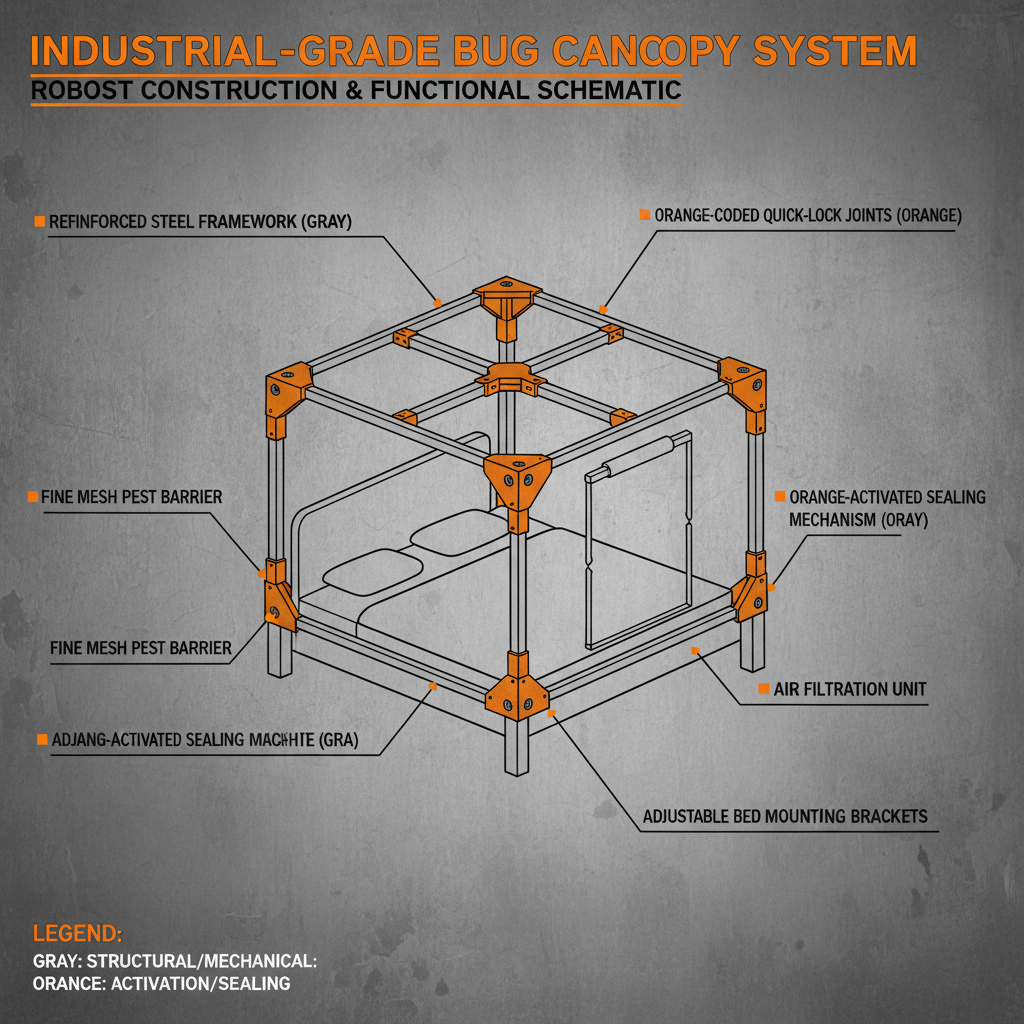
Beyond the netting, the supporting structure is crucial. This includes the suspension cords, rings, and any frame elements. A robust and well-designed support system ensures the canopy maintains its shape and provides consistent protection throughout the night. Additionally, the quality of the attachment points – how the canopy secures to the bed or surrounding structure – greatly affects its usability and effectiveness.
Insecticide treatment, particularly with pyrethroids, significantly enhances the protective capabilities of a bed mosquito canopy. ITNs kill or repel mosquitoes that come into contact with the netting, providing an additional layer of defense. The longevity of the insecticide treatment and its resistance to washing are important considerations for long-term effectiveness.
Key Factors Influencing bed mosquito canopy Performance
Durability is a critical factor, as the lifespan of a bed mosquito canopy directly impacts its cost-effectiveness. Materials must withstand regular use, washing, and exposure to environmental conditions. Scalability refers to the ability to efficiently produce and distribute canopies to meet the needs of large populations, especially during emergencies or outbreaks.
Cost-efficiency is paramount, particularly in resource-limited settings. The cost of materials, manufacturing, distribution, and potential insecticide treatment all contribute to the overall expense. User acceptance is also crucial; canopies must be easy to use, comfortable, and culturally appropriate to encourage consistent adoption.
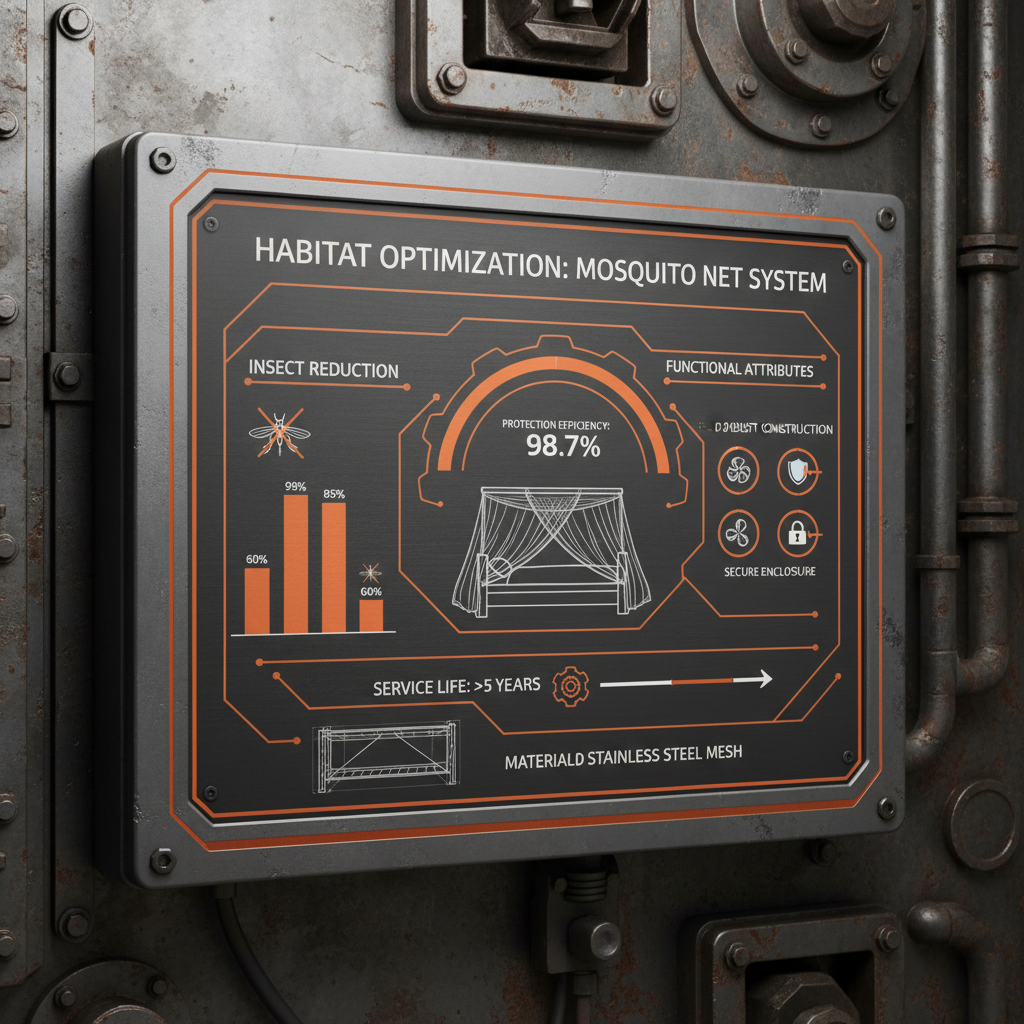
bed mosquito canopy Performance Metrics
Global Applications and Use Cases of bed mosquito canopy
Bed mosquito canopies are extensively used in sub-Saharan Africa, where malaria transmission rates are highest. Mass distribution campaigns, often funded by international organizations, target vulnerable populations, particularly pregnant women and children. These programs have significantly contributed to reducing malaria incidence and mortality in the region.
In Southeast Asia, bed mosquito canopies are crucial in preventing dengue fever and other mosquito-borne diseases. They are commonly used in rural communities and urban areas with limited access to comprehensive vector control programs. In post-disaster relief operations, bed mosquito canopies are often included in emergency aid packages to protect displaced populations from disease outbreaks.
Advantages and Long-Term Value of bed mosquito canopy
The most tangible benefit of bed mosquito canopies is the reduction in mosquito bites and subsequent disease transmission. This translates to improved health outcomes, decreased healthcare costs, and increased economic productivity. Beyond the immediate health benefits, they offer a sense of security and dignity to individuals and families, allowing them to sleep peacefully without fear of mosquito bites.
The long-term value of bed mosquito canopies extends beyond individual protection. By reducing the burden of disease, they contribute to the overall development and stability of communities. The comparatively low cost and ease of implementation make them a highly sustainable and scalable intervention, offering a significant return on investment in public health.
Future Trends and Innovations in bed mosquito canopy
Research is ongoing to develop new materials for bed mosquito canopies that are more durable, lightweight, and environmentally friendly. Nanotechnology is being explored to create netting with enhanced insecticide properties and improved resistance to degradation. Innovations in canopy designs aim to improve user comfort and ease of use, particularly in hot climates.
Digital technologies are also playing a role, with mobile applications being used to track canopy distribution, monitor insecticide resistance, and provide educational resources to communities. Integration with smart home systems could enable automated canopy deployment and real-time monitoring of mosquito activity. The future of bed mosquito canopies lies in a holistic approach that combines innovative materials, intelligent technologies, and community engagement.
Sustainable manufacturing practices and the exploration of biodegradable materials are becoming increasingly important, aligning with global efforts to reduce environmental impact. Combining canopies with other vector control strategies, guided by data-driven insights, will enhance overall effectiveness and combat the evolving challenges posed by mosquito-borne diseases.
FAQS
Typically, insecticide-treated bed mosquito canopies should be re-treated every six months to maintain their effectiveness. However, the frequency can vary depending on the type of insecticide used and the amount of washing the canopy undergoes. Always follow the manufacturer’s instructions and local health guidelines for optimal protection.
Hand washing with mild soap and cool water is the preferred method for cleaning insecticide-treated canopies. Avoid harsh detergents, bleach, or vigorous scrubbing, as these can remove the insecticide. Rinse thoroughly and allow the canopy to air dry completely in the shade. Limit washing to only when necessary to preserve the insecticide’s effectiveness.
While highly effective, bed mosquito canopies aren't universally effective against all mosquito species. The mesh size of the canopy determines which mosquitoes it can block. Most canopies are designed to exclude the Anopheles mosquitoes (malaria vectors) and common house mosquitoes. However, some smaller species might still be able to penetrate the netting.
The lifespan of a bed mosquito canopy varies depending on the material quality, usage, and washing frequency. A well-maintained canopy can last for 3-5 years. However, if the netting develops holes or tears, or the insecticide treatment wears off, it should be replaced to ensure continued protection.
While bed mosquito canopies are primarily designed for indoor use, they can be used outdoors in sheltered areas, such as covered patios or tents. However, they are more susceptible to damage from wind, rain, and UV exposure when used outdoors, reducing their lifespan and effectiveness.
An ITN (Insecticide-Treated Net) is a bed mosquito canopy that has been treated with an insecticide, typically a pyrethroid. This treatment enhances the canopy’s effectiveness by killing or repelling mosquitoes that come into contact with the netting. A non-ITN canopy provides a physical barrier but does not offer the added protection of insecticide treatment.
Conclusion
Bed mosquito canopies remain a cornerstone of global health interventions, offering a cost-effective and accessible solution to prevent mosquito-borne diseases. Their enduring relevance stems from their simplicity, scalability, and proven efficacy in protecting vulnerable populations. Continuous innovation in materials, insecticide treatments, and deployment strategies is vital to overcome challenges like insecticide resistance and ensure sustained impact.
Looking ahead, integrating bed mosquito canopy programs with broader vector control strategies and leveraging digital technologies will be critical for optimizing their effectiveness. Investing in research and development, promoting community engagement, and ensuring equitable access are essential to harnessing the full potential of this life-saving intervention and contributing to a healthier future for all.