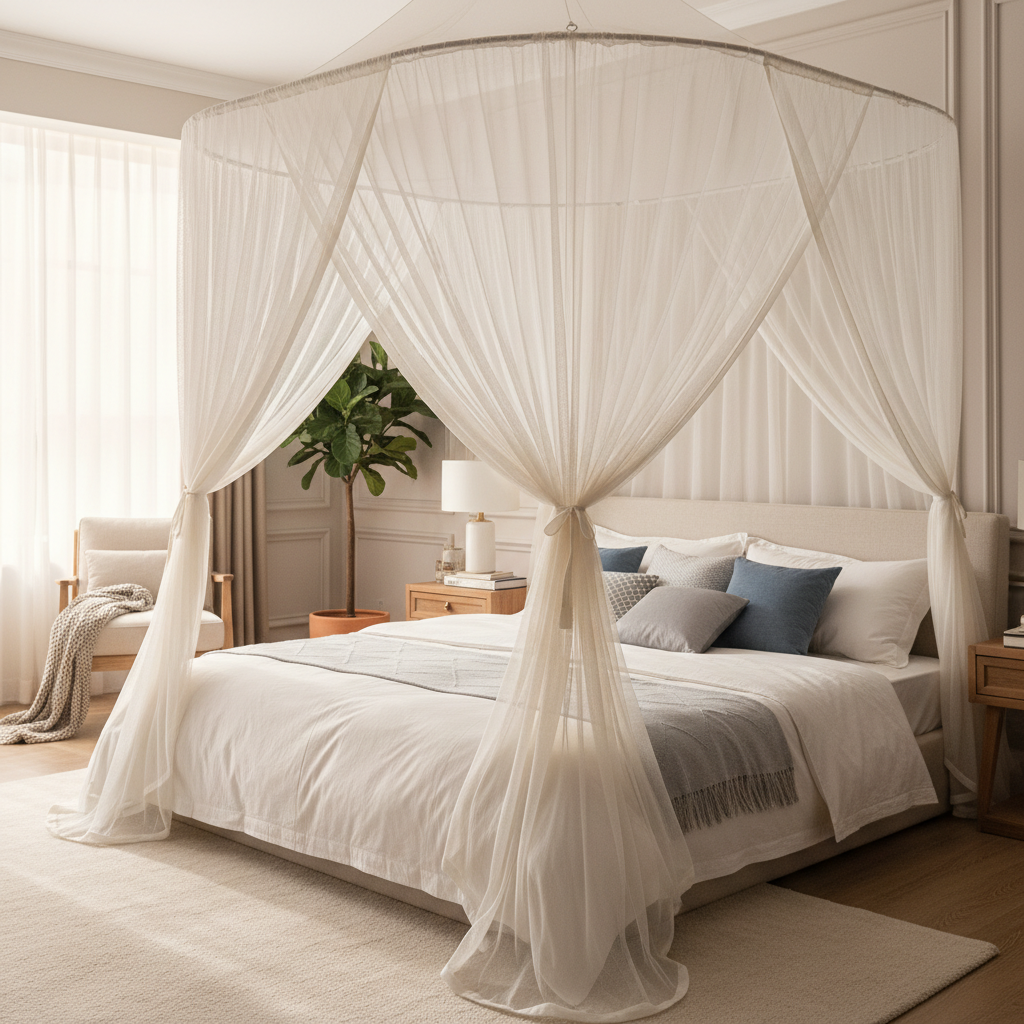
A bed mosquito tent, often simply called a mosquito net, is a crucial barrier against disease-carrying insects, primarily mosquitoes. Globally, malaria, dengue fever, Zika virus, and West Nile virus pose significant public health threats, disproportionately affecting vulnerable populations in tropical and subtropical regions. Effective mosquito control is paramount, and the bed mosquito tent offers a readily accessible, affordable, and widely deployable solution. Understanding its proper use, maintenance, and advancements is essential for maximizing its protective capabilities.
The importance of a bed mosquito tent extends beyond individual protection. It’s a cornerstone of public health initiatives aiming to eradicate mosquito-borne illnesses. Organizations like the World Health Organization (WHO) and UNICEF distribute millions of insecticide-treated nets (ITNs) annually, demonstrating the global commitment to this simple yet effective technology. The impact is quantifiable: widespread net usage has demonstrably reduced malaria incidence and mortality rates, particularly among children under five.
Furthermore, the increasing awareness of travel-related health risks has driven demand for bed mosquito tents among international travelers. A comfortable and secure sleep, free from the nuisance and danger of mosquito bites, is a priority for those visiting endemic areas. This demand fuels innovation in tent design, materials, and portability, expanding the applications of this essential tool beyond traditional public health settings. Finding the right bed mosquito tent is crucial for ensuring a safe and comfortable environment.
The Global Significance of Bed Mosquito Tents
The prevalence of mosquito-borne diseases is a significant global health concern, impacting millions annually. According to the WHO, malaria alone caused an estimated 249 million cases and 688,000 deaths in 2022, predominantly in sub-Saharan Africa. These figures underscore the critical role of preventative measures, with the bed mosquito tent serving as a frontline defense. Its accessibility and ease of use make it a particularly valuable tool in resource-limited settings.
Beyond malaria, the rise of other vector-borne illnesses like dengue fever and Zika virus – often linked to climate change and urbanization – further amplifies the importance of widespread mosquito control strategies. Investing in and promoting the consistent use of a quality bed mosquito tent is not merely a health intervention, but a vital component of sustainable development and global health security.
Defining Bed Mosquito Tents
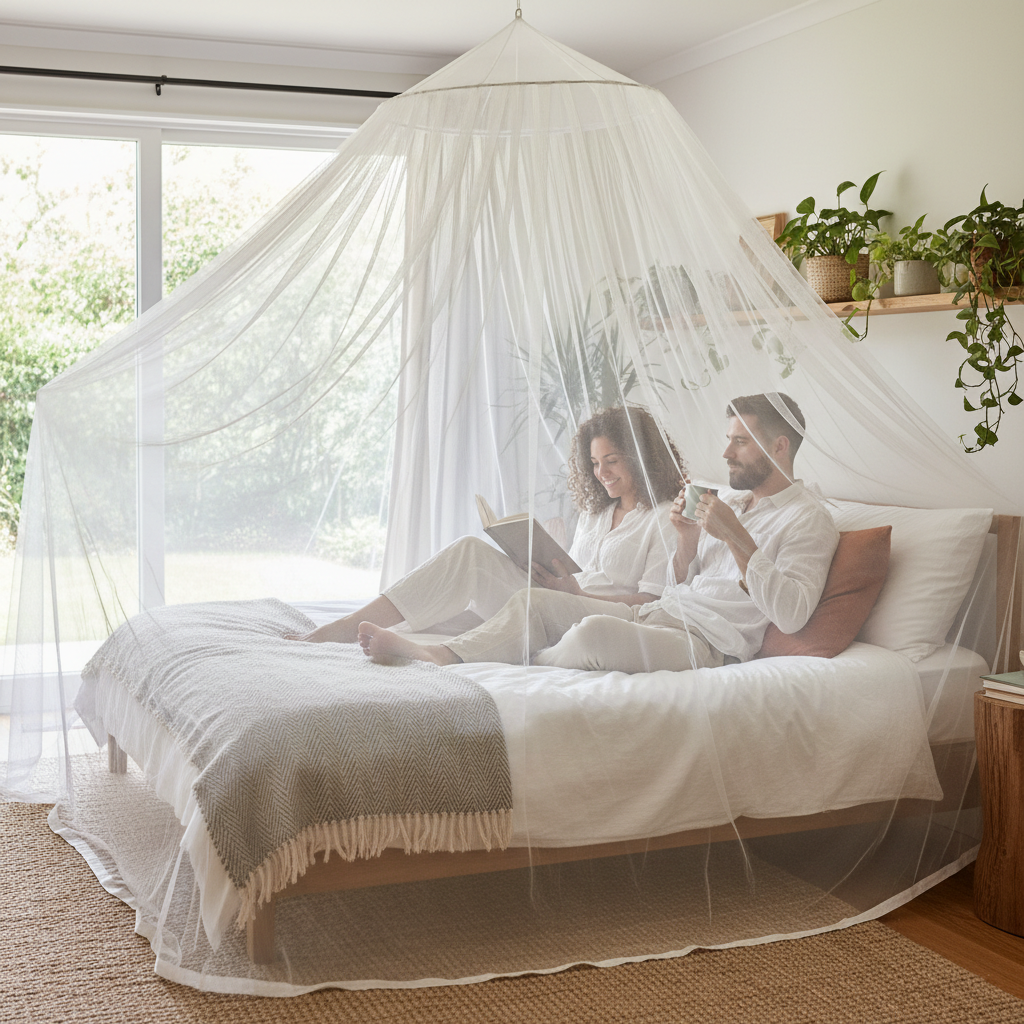
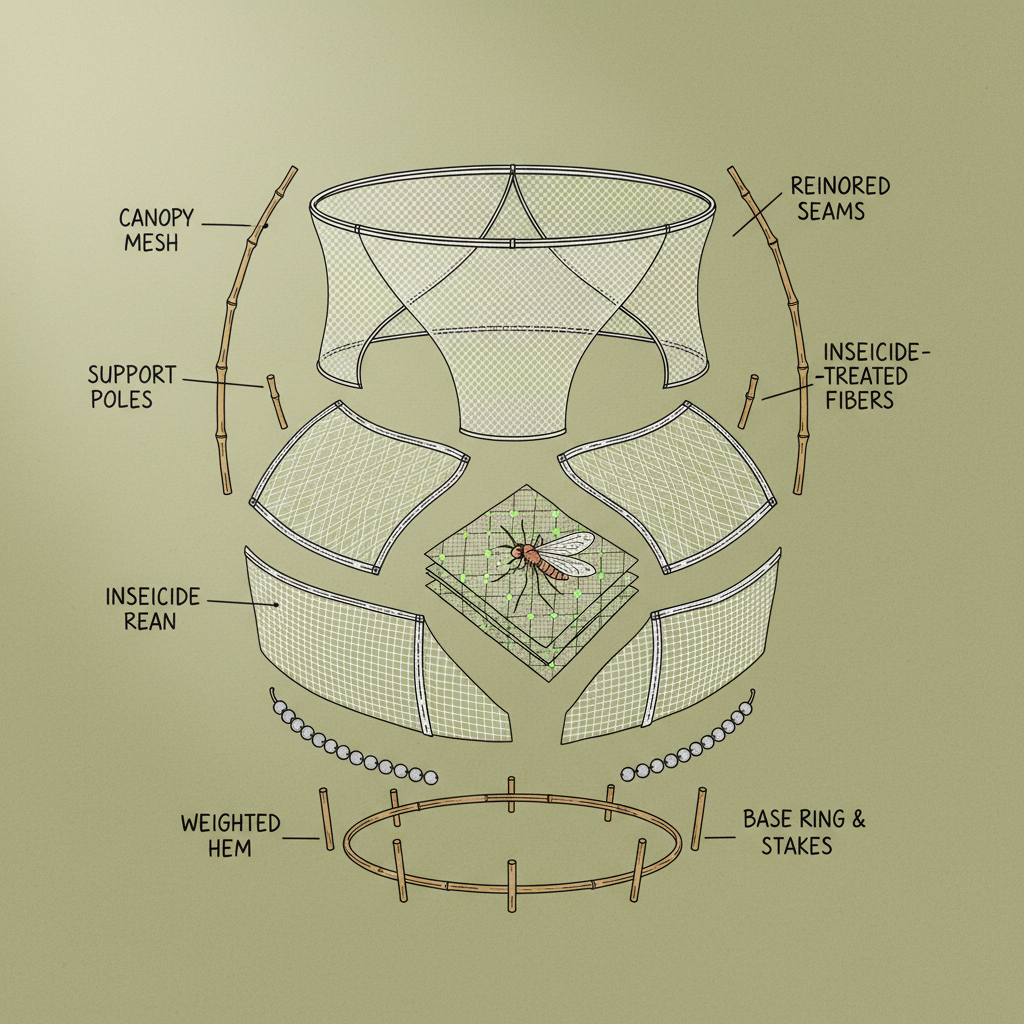
A bed mosquito tent is fundamentally a protective enclosure, typically made of fine mesh netting, designed to shield sleeping individuals from mosquito bites. Originally constructed from materials like cotton or linen, modern tents often utilize synthetic fibers like polyester or polyethylene, offering improved durability, lightweight properties, and cost-effectiveness. They can range from simple, rectangular shapes to more elaborate, conical or dome-like designs.
The connection to modern industry lies in the development of specialized materials, including insecticide-treated nets (ITNs). These nets are pre-treated or designed to be re-treated with insecticides like pyrethroids, significantly enhancing their effectiveness by killing or repelling mosquitoes upon contact. This intersects with the chemical manufacturing and textile industries, creating a complex supply chain focused on public health.
In the context of humanitarian needs, bed mosquito tents are frequently deployed in disaster relief scenarios, refugee camps, and areas experiencing outbreaks of mosquito-borne diseases. They provide immediate protection to vulnerable populations lacking access to other preventative measures, offering a vital layer of defense against potentially life-threatening infections.
Key Factors Influencing Bed Mosquito Tent Effectiveness
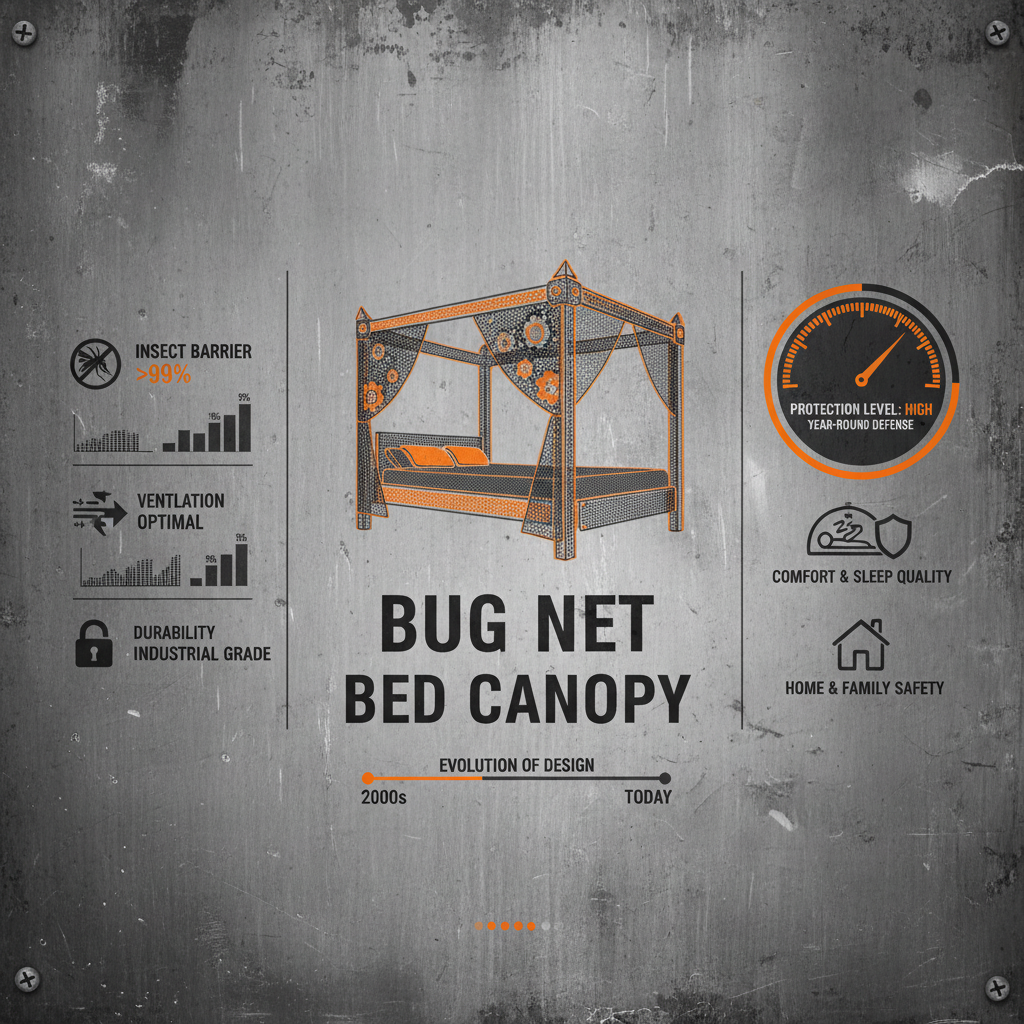
Durability is paramount. A bed mosquito tent must withstand regular use, washing, and potential environmental stressors. The mesh size is also critical; smaller mesh sizes provide better protection against even the smallest mosquitoes, but may also reduce airflow. The quality of the materials directly impacts the longevity and effectiveness of the tent.
Portability and ease of setup are important considerations, especially for travelers or in emergency situations. A lightweight, compact tent that can be quickly and easily installed offers a significant advantage. The design should also allow for adequate ventilation to prevent overheating and discomfort.
Insecticide treatment is a game-changer. ITNs, when properly used and maintained, dramatically reduce mosquito bites and disease transmission. However, insecticide resistance is a growing concern, necessitating research into new and alternative insecticides and treatment methods. Proper retreatment protocols are vital to maintain effectiveness.
Applications Across Diverse Settings
In sub-Saharan Africa, bed mosquito tents are integral to malaria control programs, distributed through mass campaigns and integrated into routine healthcare services. They are particularly crucial for pregnant women and children under five, who are most vulnerable to severe malaria.
In post-disaster relief operations, following earthquakes, hurricanes, or floods, bed mosquito tents provide immediate protection to displaced populations living in temporary shelters. The disruption of sanitation and healthcare systems increases the risk of mosquito-borne diseases, making nets a critical life-saving intervention.
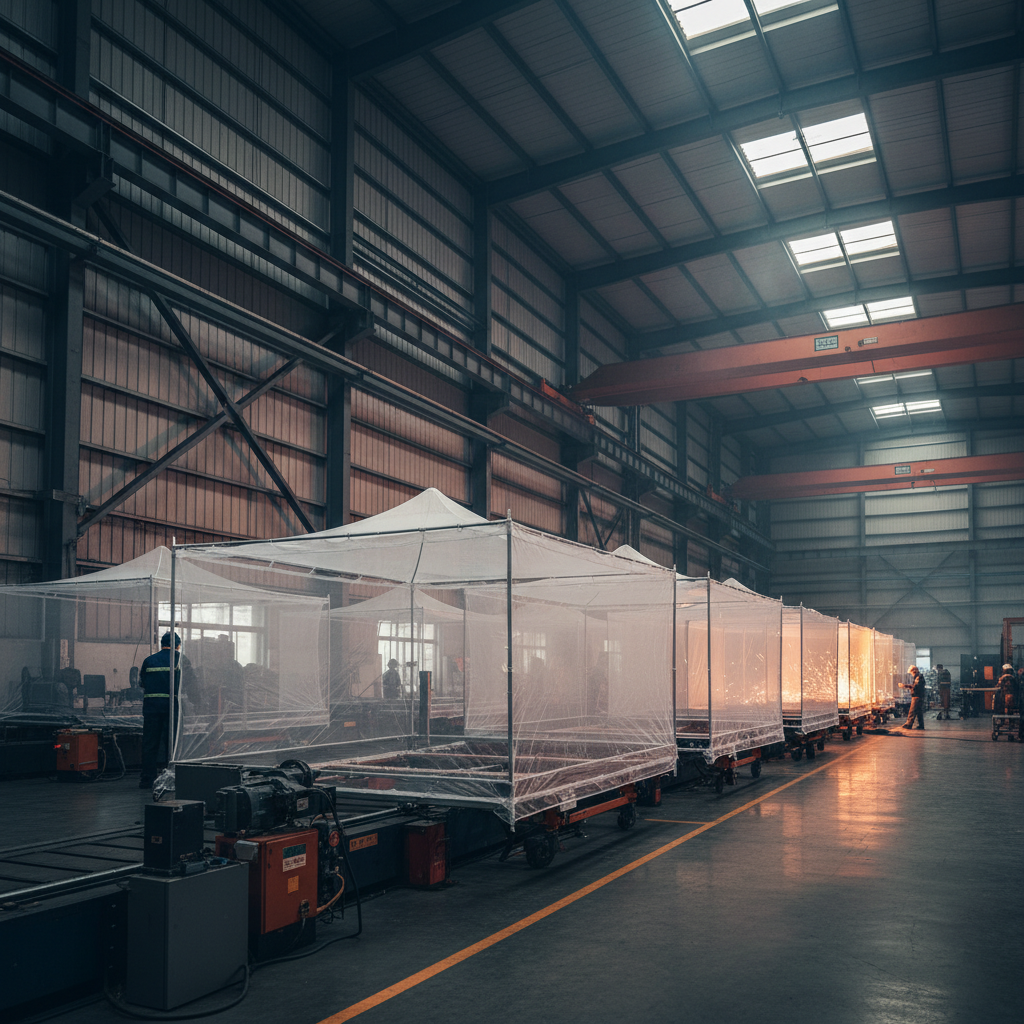
Furthermore, in remote industrial zones or research facilities located in mosquito-prone areas, workers and researchers rely on bed mosquito tents to protect themselves from disease transmission and maintain productivity. This includes locations like oil rigs, mining camps, and tropical research stations.
Bed Mosquito Tent Effectiveness by Application
Advantages and Long-Term Value Proposition
The cost-effectiveness of bed mosquito tents is undeniable. Compared to other mosquito control methods, such as indoor residual spraying or larval control, nets offer a low-cost, long-lasting solution. The long-term savings in healthcare costs associated with reduced disease incidence further enhance their economic value.
From a social impact perspective, bed mosquito tents empower individuals and communities to protect themselves from disease. They contribute to improved health outcomes, increased school attendance, and enhanced economic productivity. The feeling of security and control they provide fosters dignity and well-being.
Future Innovations in Bed Mosquito Tent Technology
Research is focused on developing bed mosquito tents with enhanced insecticide resistance, utilizing novel chemical compounds or alternative repellents. Incorporating nanotechnology into the netting could create materials with improved durability, repellency, and self-cleaning properties.
Smart nets, equipped with sensors to monitor usage and environmental conditions, could provide valuable data for public health interventions. Integration with mobile technology could allow for remote monitoring of net distribution and retreatment adherence. These technologies promise to optimize the effectiveness and impact of bed mosquito tent programs.
Addressing Challenges and Optimizing Performance
Insecticide resistance remains a significant challenge. Continuous monitoring of resistance levels and the development of new insecticides or synergistic combinations are crucial. Promoting the use of multiple intervention strategies, alongside bed mosquito tents, can help mitigate the spread of resistance.
Ensuring consistent and correct usage is another hurdle. Community education programs and behavior change communication campaigns are essential to promote proper net hanging, maintenance, and retreatment. Addressing cultural beliefs and addressing misconceptions about mosquito control can also improve uptake and effectiveness.
Supply chain inefficiencies can hinder the timely distribution of bed mosquito tents, particularly in remote or conflict-affected areas. Strengthening logistical networks and fostering collaboration between governments, NGOs, and the private sector are vital to ensure that nets reach those who need them most.
Key Performance Indicators for Bed Mosquito Tent Programs
| Net Coverage Rate |
Net Usage Rate |
Insecticide Resistance Level |
Disease Incidence Rate |
| Percentage of households owning at least one net per two people. |
Percentage of individuals sleeping under a net each night. |
Level of resistance to common insecticides in local mosquito populations (%). |
Number of malaria cases per 1,000 population per year. |
| Baseline: 60%, Target: 85% |
Baseline: 55%, Target: 75% |
Low (0-10%), Moderate (11-50%), High (>50%) |
Baseline: 200, Target: 50 |
| Regular distribution campaigns and awareness programs. |
Community health worker training and monitoring. |
Genetic analysis of mosquito populations and insecticide bioassays. |
Surveillance data from health facilities and community-based reporting. |
| Funding availability and logistical capacity. |
Cultural acceptance and community engagement. |
Availability of alternative insecticides and treatment options. |
Access to quality healthcare and diagnostic services. |
| Monitoring net distribution and household surveys. |
Observational studies and focus group discussions. |
Collaboration with entomological research institutions. |
Regular data analysis and reporting. |
| 80% |
70% |
Moderate (25%) |
75 |
FAQS
A well-maintained bed mosquito tent, with regular cleaning and proper handling, typically lasts between 3 to 5 years. However, the lifespan can vary depending on the quality of materials, frequency of use, and environmental factors like sunlight exposure and washing habits. Insecticide-treated nets generally have a shorter effective lifespan due to the degradation of the insecticide, usually requiring retreatment after 6-12 months, or replacement after 3 years.
Washing your bed mosquito tent depends on usage and environment. Generally, washing it 2-3 times a year is recommended. Avoid harsh detergents and bleach, as these can damage the netting. Hand washing is preferred, but if using a machine, use a gentle cycle and place the net in a laundry bag to prevent snagging. Ensure the net is completely dry before re-hanging to prevent mildew growth.
Insecticide-treated nets (ITNs) are generally considered safe for children and pregnant women when used as directed. The pyrethroid insecticides used in ITNs have a low toxicity to mammals. However, it's crucial to follow the manufacturer’s instructions for retreatment and avoid direct contact with the insecticide concentrate. Pregnant women and individuals with sensitive skin should consult with a healthcare professional for personalized advice.
Regularly inspect your bed mosquito tent for holes, tears, or weak spots. A simple visual inspection in good lighting is usually sufficient. Pay close attention to the seams and areas prone to wear and tear. Small holes can be repaired with a fine needle and thread, but larger damage may require replacement. A damaged net compromises its protective effectiveness.
Alternatives to ITNs include physical barriers like window screens and well-maintained doors. Repellents containing DEET, picaridin, or oil of lemon eucalyptus can also provide personal protection. However, these options may be less practical or affordable for vulnerable populations. Combining multiple strategies – nets, repellents, and environmental management – offers the most comprehensive protection.
High-quality bed mosquito tents can be purchased from reputable retailers specializing in outdoor gear, travel supplies, and public health products. Online retailers also offer a wide selection. Look for nets that meet WHO guidelines and are made from durable materials. crscreen.com offers a diverse range of bed mosquito tents designed for various needs and environments.
Conclusion
Bed mosquito tents represent a remarkably effective and affordable solution to a global health challenge. From their fundamental role in combating mosquito-borne diseases to their adaptability across diverse settings, these nets continue to save lives and improve well-being. Understanding their proper use, maintenance, and the ongoing innovations in materials and insecticide treatments is essential to maximizing their impact.
Looking ahead, continued investment in research and development, coupled with strengthened public health initiatives, will be crucial to addressing the evolving threat of mosquito-borne diseases. By prioritizing accessibility, promoting correct usage, and embracing new technologies, we can ensure that the bed mosquito tent remains a vital tool in the global fight against these preventable illnesses. Visit our website today to explore our range of protective solutions: www.crscreen.com