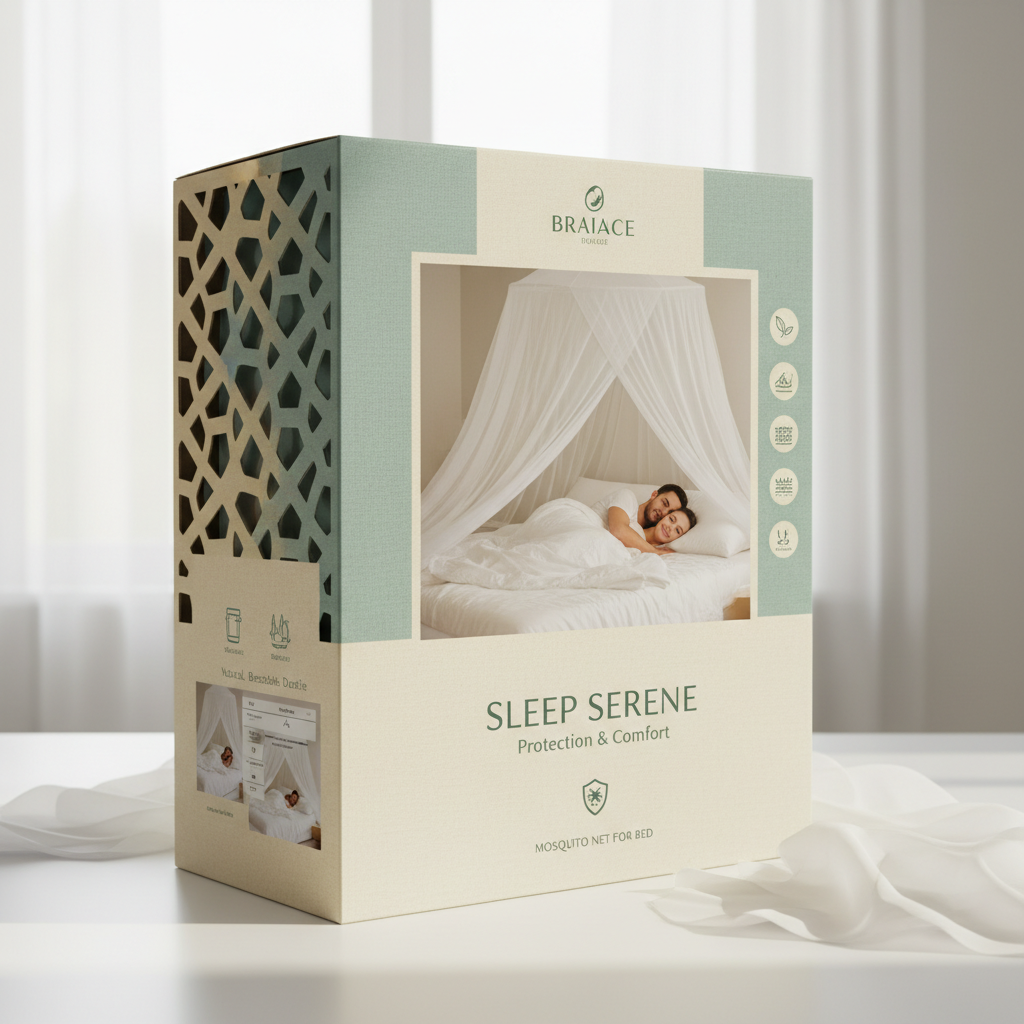
The humble bed net stands as a powerful symbol of global health and a testament to simple, effective solutions. For decades, it’s been a cornerstone in the fight against vector-borne diseases, particularly malaria, protecting millions across the globe. Understanding its evolution, materials, application, and future innovations is crucial not only for public health professionals but also for anyone interested in impactful, sustainable solutions to pressing worldwide challenges. The bed net isn't just a piece of fabric; it's a lifeline.
The global relevance of bed nets is undeniable, particularly in regions with high transmission rates of malaria, dengue fever, and other insect-borne illnesses. According to the World Health Organization (WHO), an estimated 14 million cases of malaria occur annually, with the vast majority in sub-Saharan Africa. The widespread distribution of insecticide-treated bed nets has been instrumental in reducing malaria-related morbidity and mortality. However, challenges remain, including insecticide resistance, net damage, and equitable access for vulnerable populations. These issues necessitate ongoing innovation and adaptation in bed net technology.
The core principle behind a bed net is deceptively simple: create a physical barrier between people and disease-carrying insects. This concept has evolved from basic mosquito nets to sophisticated, long-lasting insecticidal nets (LLINs). Today, bed nets are recognized as a critical component of integrated vector management strategies, contributing to broader public health initiatives. The demand for durable and cost-effective solutions continues to drive research and development, solidifying the bed net's position as an essential tool in global health security.
Introduction: Global or Industry Context
The global landscape of infectious disease control is heavily reliant on preventative measures, and the bed net is arguably one of the most impactful. It's a tool deployed across diverse geographical settings, from rural villages in Africa to refugee camps in the Middle East, demonstrating its adaptability and crucial role in protecting vulnerable populations. The sheer scale of its distribution – hundreds of millions of nets delivered annually – highlights its significance in global health initiatives.
The industry surrounding bed nets is a complex ecosystem involving manufacturers, distributors, NGOs, and governmental organizations. The WHO plays a pivotal role in setting standards for net quality and efficacy, ensuring that deployed nets meet rigorous criteria. Competition among manufacturers drives innovation in materials and insecticide formulations, while logistical challenges related to distribution and monitoring require sophisticated supply chain management. The effective implementation of bed net programs demands collaboration across these stakeholders.
Despite the successes, emerging challenges threaten the continued effectiveness of bed nets. Insecticide resistance is a growing concern, leading to reduced protection and necessitating the development of alternative insecticide formulations or net technologies. Funding constraints and political instability can also hinder distribution efforts and impact program sustainability. Addressing these challenges requires a proactive and adaptive approach to ensure that bed nets remain a vital tool in the fight against vector-borne diseases.
Definition & Meaning
A bed net, at its most fundamental, is a mesh fabric draped over a sleeping space to prevent insect bites. Historically, these were simple cotton or linen nets, offering a basic physical barrier. Today, the term most often refers to long-lasting insecticidal nets (LLINs), which are treated with insecticides – typically pyrethroids – that kill or repel mosquitoes and other vectors. This treatment significantly enhances the protective effect of the net.
The connection to modern humanitarian needs is profound. In regions where malaria is endemic, bed nets aren’t merely a convenience; they’re a crucial intervention that saves lives, particularly those of young children and pregnant women. The bed net represents a cost-effective, scalable solution with a substantial impact on public health outcomes. It’s a tangible example of how simple technology can address complex global challenges.
Beyond humanitarian applications, the principles behind bed net design – creating a protective barrier and utilizing insecticidal properties – are finding applications in other areas. From agricultural pest control to protecting livestock, the underlying technology is adaptable and versatile, demonstrating its broader potential in disease and pest management.
Key Factors or Core Components
Durability is paramount. A bed net must withstand regular use, washing, and potential abrasion without tearing or losing its protective integrity. Net materials like polyethylene are chosen for their strength and resistance to degradation. The lifespan of a net directly impacts its cost-effectiveness and overall impact.
Insecticide Effectiveness is central to the function of LLINs. The type of insecticide, its concentration, and its longevity determine the level of protection provided. Monitoring insecticide resistance and developing new formulations are crucial to maintaining efficacy.
Mesh Size dictates the effectiveness of the barrier. The mesh must be fine enough to prevent insects from entering while allowing for adequate ventilation. Different mesh sizes are optimized for various insect species and environmental conditions.
User Acceptance is often overlooked but vitally important. A bed net must be comfortable to use, culturally appropriate, and readily accepted by the target population. Factors like net color, size, and ease of hanging influence user compliance.
Cost Efficiency is a key consideration for large-scale distribution programs. The cost of production, transportation, and distribution must be minimized to maximize the number of nets reaching those in need.
Scalability refers to the ability to rapidly increase production and distribution to meet growing demand. A scalable supply chain is essential for responding to outbreaks or emergencies.
Global Applications & Use Cases
In sub-Saharan Africa, mass distribution campaigns of bed nets are a standard public health intervention, targeting vulnerable populations in malaria-endemic regions. These campaigns often involve collaboration between governments, NGOs, and international organizations like the Global Fund.
In post-disaster relief operations, bed nets are frequently included in emergency aid packages, providing protection against mosquito-borne diseases in temporary shelters and displaced person camps. This is particularly critical in areas where sanitation and access to healthcare are compromised.
In remote industrial zones and mining camps, where workers live in close proximity and are exposed to increased risk of mosquito bites, bed nets are used as a preventative measure to protect the workforce and maintain productivity. Furthermore, programs are emerging that utilize bed nets in agricultural settings to protect livestock from biting insects, impacting food security.
bed net Deployment Methods & Effectiveness
Advantages & Long-Term Value
The cost-effectiveness of bed net programs is well-documented. Compared to other malaria control interventions, such as indoor residual spraying, bed nets offer a significantly higher return on investment in terms of lives saved and disease burden reduced. This economic benefit is particularly crucial in resource-limited settings.
From a sustainability perspective, LLINs represent a relatively environmentally friendly solution. While insecticide use raises environmental concerns, the targeted application and extended lifespan of LLINs minimize overall impact. Ongoing research focuses on developing more eco-friendly insecticide formulations and biodegradable net materials.
The social impact of bed nets extends beyond disease prevention. Providing families with protection from mosquito bites enhances their well-being, reduces absenteeism from school and work, and contributes to economic productivity. The sense of security and dignity that bed nets provide is immeasurable.
Future Trends & Innovations
Research is underway to develop bed nets treated with novel insecticides, including those with different modes of action, to combat insecticide resistance. Dual-active ingredient nets, combining multiple insecticides, are showing promising results.
The integration of digital technologies, such as mobile phone-based monitoring systems, is improving the tracking and evaluation of bed net distribution and usage. These systems provide real-time data on net coverage, condition, and insecticide effectiveness.
Challenges & Solutions
Insecticide resistance remains a major challenge, threatening the effectiveness of LLINs. Solutions include the development of new insecticides, the use of synergists to enhance insecticide potency, and the implementation of insecticide resistance management strategies.
Net damage and premature wear and tear reduce the lifespan of bed nets. Improving net quality, promoting proper net care practices, and implementing regular net replacement programs are essential.
Ensuring equitable access to bed nets for all vulnerable populations, particularly those in remote or marginalized communities, requires targeted distribution strategies and community engagement. Addressing logistical challenges and overcoming cultural barriers are crucial for reaching those most in need.
Summary of Challenges and Potential Solutions for Bed Net Implementation
| Challenge |
Severity (1-10) |
Potential Solution |
Implementation Cost (USD) |
| Insecticide Resistance |
9 |
Develop Novel Insecticides |
500,000 |
| Net Damage & Lifespan |
7 |
Improve Material Quality |
200,000 |
| Unequal Access |
8 |
Targeted Distribution Programs |
150,000 |
| Funding Constraints |
6 |
Diversify Funding Sources |
100,000 |
| Logistical Challenges |
5 |
Optimize Supply Chain Management |
75,000 |
| Community Awareness |
4 |
Educational Campaigns |
50,000 |
FAQS
While insecticide resistance poses a significant threat, modern bed nets utilizing multiple insecticides or synergists still offer substantial protection. LLINs provide a physical barrier and can still kill or repel partially resistant mosquitoes. Research is ongoing to develop nets effective against fully resistant populations, but current nets remain a vital intervention, especially when combined with other malaria control strategies.
Long-lasting insecticidal nets (LLINs) are designed to remain effective for 3-5 years without re-treatment, due to the insecticide being embedded in the fiber. However, washing nets frequently can reduce insecticide levels. Monitoring insecticide levels and considering re-treatment after several washes is recommended, especially in areas with high mosquito populations and known insecticide resistance.
To extend the life of a bed net, wash it gently with mild soap and water, avoiding harsh detergents or bleach. Dry the net in the shade to prevent insecticide degradation. Repair any holes promptly to maintain the protective barrier. Properly storing the net when not in use also helps to prevent damage.
The use of insecticides in bed nets raises environmental concerns related to potential impacts on non-target organisms and the development of insecticide resistance. However, the targeted application of insecticides in LLINs minimizes environmental exposure compared to broader spraying methods. Research is focused on developing more environmentally friendly insecticides and net materials.
Community engagement is crucial for successful bed net programs. Involving local leaders, health workers, and community members in the distribution process ensures equitable access and promotes net usage. Educational campaigns to raise awareness about malaria prevention and proper net care are also essential.
Alternatives include spatial repellents, insecticide-treated clothing, and larval source management. Newer technologies like gene drive mosquitoes and RNA interference are being researched, but are not yet widely available. Integrated vector management approaches that combine multiple strategies are often the most effective.
Conclusion
The bed net remains a cornerstone of global health, representing a cost-effective and impactful intervention against vector-borne diseases. Its evolution from a simple physical barrier to a sophisticated, insecticide-treated tool demonstrates the power of innovation in addressing complex public health challenges. Continued research, development, and adaptation are essential to overcome emerging threats like insecticide resistance and ensure the continued efficacy of this life-saving technology.
Looking ahead, a multi-faceted approach that combines bed nets with other malaria control strategies – such as improved diagnostics, effective treatment, and community engagement – is crucial for achieving lasting impact. Investing in research to develop novel insecticides, biodegradable net materials, and innovative delivery mechanisms will further enhance the effectiveness and sustainability of bed net programs. Visit our website at www.crscreen.com to learn more about our commitment to providing high-quality bed nets and contributing to a healthier future.