Look, I’ve spent the last fifteen years knee-deep in dust and concrete, watching things get built – or not built – and let me tell you, a good mosquito bed isn’t some luxury item, it’s critical infrastructure. We’re talking about worker safety, project timelines, and frankly, keeping a crew motivated. When guys are constantly slapping mosquitoes, productivity goes through the floor. It’s not just about discomfort; it’s about disease transmission in a lot of these locations we work, and that can shut a job down faster than a rainstorm. You need reliable protection, and that means investing in the right setup.
I've seen companies try to cheap out on this, using flimsy nets or inadequate setups. It always backfires. It's either constant repairs, or the mosquitos find a way in, and you’re dealing with sick workers and delays. A well-designed mosquito bed is an investment in your human capital and the overall success of the project. It’s about building a safe, productive environment, and that starts with protecting your team from the smallest, but most persistent, disruptors.
I’ve been testing different solutions for years, everything from DIY setups to high-end commercial systems. The key isn't just having a net; it's the whole package – durability, ease of installation, ventilation, and how it integrates into the existing site layout. It's about finding a solution that works in the field, not just in a lab or on a marketing brochure.
The Importance of Mosquito Beds in Construction
I've seen too many projects slowed down by mosquito-borne illnesses. It’s a huge issue in tropical regions, but even in temperate climates, outbreaks can happen. A good mosquito bed isn't just about comfort; it’s about mitigating risk and keeping your workforce healthy. The cost of a preventable illness – lost productivity, medical expenses, potential legal issues – far outweighs the initial investment in proper protection.
According to the World Health Organization, malaria alone causes hundreds of thousands of deaths each year, and dengue fever is a growing concern. These aren't just statistics; they're real people, real families, and real impacts on projects worldwide. We, as construction professionals, have a responsibility to provide a safe working environment, and that includes proactively addressing mosquito-borne disease risks.
Defining Effective Mosquito Bed Systems
When I say "mosquito bed," I'm not just talking about a net draped over a cot. We’re talking about a comprehensive system. It needs to be fully enclosed, with a fine mesh that keeps even the smallest mosquitos out. Ventilation is key – nobody wants to sweat through the night – so you need a design that allows for airflow without compromising protection. Think about the materials too. They need to be durable enough to withstand the rigors of a construction site – tears, abrasions, exposure to the elements.
It's also about ease of use. If it takes half an hour to set up and take down, nobody's going to bother. It needs to be quick and intuitive, something that workers can do themselves without needing specialized training. Portability is important too, especially on larger sites where crews move around frequently.
And let’s not forget about integrated features. Things like storage pockets for personal belongings, integrated lighting, and even phone charging ports can make a huge difference in worker comfort and convenience. It’s these small details that can really boost morale and productivity.
Core Components of a Durable Mosquito Bed
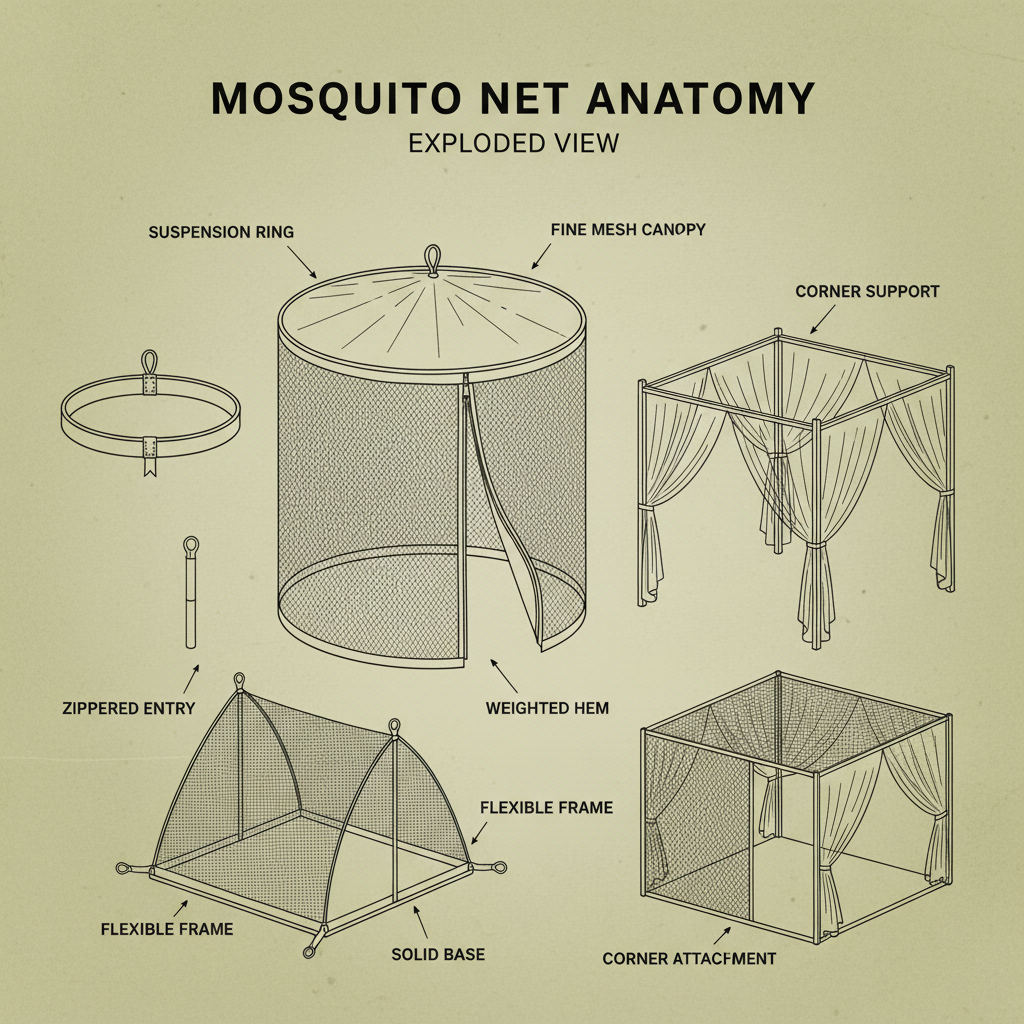
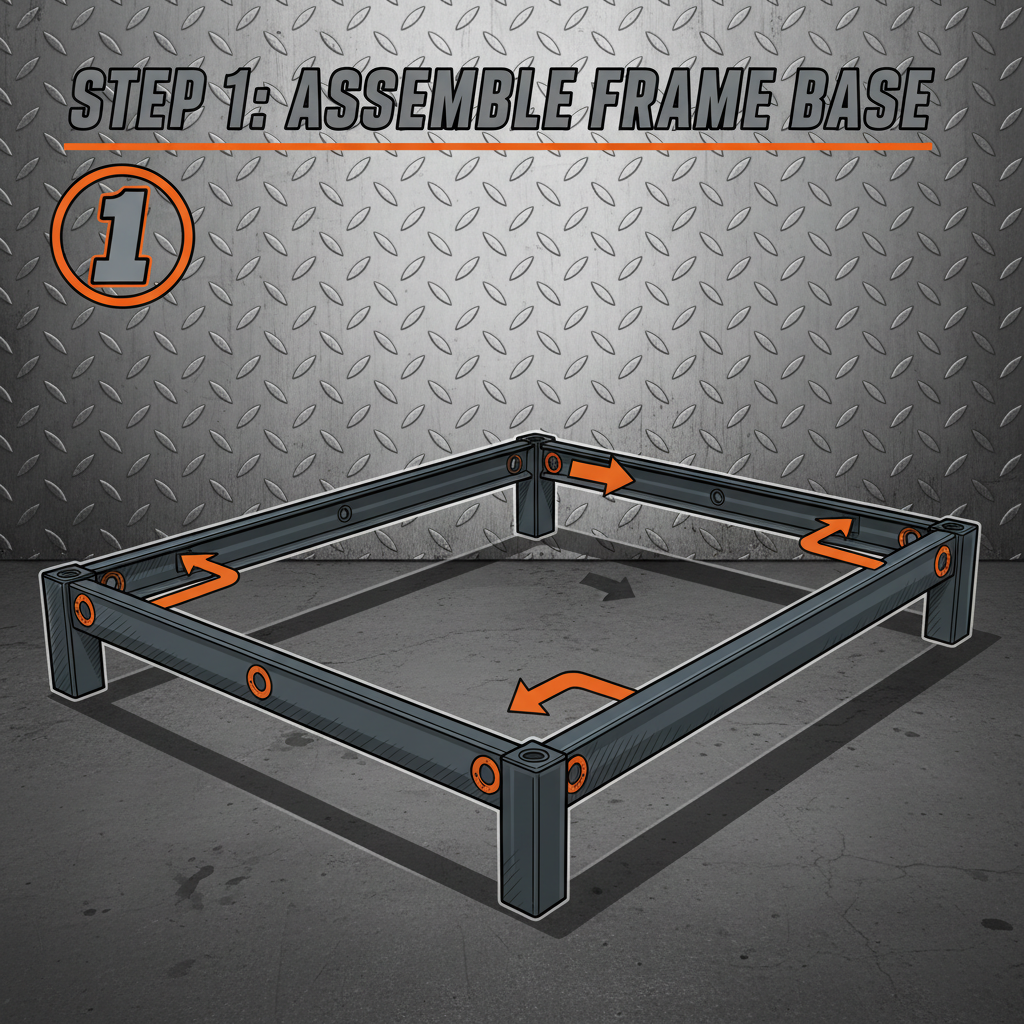
Durability starts with the frame. You want something robust, ideally constructed from a lightweight but strong material like powder-coated steel or aluminum. This needs to be able to withstand being moved around, stacked, and potentially even dropped. The mesh itself is critical. It should be a tightly woven polyester or polyethylene, specifically designed to block mosquitos, but also allow for good airflow.
The connectors – the points where the frame pieces join together – are often the weakest link. Look for systems that use strong, reliable connectors, like reinforced plastic or metal clips. And pay attention to the seams in the mesh. They should be securely sewn and reinforced to prevent tearing. Finally, a good quality zipper for the entrance is essential – it needs to be smooth-operating and prevent any gaps where mosquitos can sneak in.
Don't underestimate the importance of UV resistance. Constant exposure to the sun can degrade the materials over time, making them brittle and prone to failure. Look for fabrics and frames that are specifically treated to resist UV damage. This will significantly extend the lifespan of the mosquito bed and reduce the need for frequent replacements.
Practical Applications in Global Construction
I’ve used these things everywhere - deep in the Amazon rainforest, on remote oil rigs in Africa, and even in swampy areas of the southern US. In post-disaster relief operations, providing safe sleeping environments is paramount, and a reliable mosquito bed is a lifeline. In remote industrial zones where healthcare access is limited, it's a proactive measure to prevent outbreaks.
On large-scale infrastructure projects in developing countries, providing these beds for the entire workforce is often a contractual requirement. It's not just about compliance; it's about demonstrating a commitment to worker welfare. And it impacts the overall reputation of the company.
Mosquito Bed System Performance Ratings
Advantages and Long-Term Value Proposition
The biggest advantage is, without a doubt, improved worker health and safety. Less illness means fewer work stoppages and increased productivity. But there's also a significant morale boost. Showing your crew that you care about their well-being builds trust and loyalty. From a financial perspective, the cost of a quality mosquito bed is a small fraction of the potential costs associated with a disease outbreak.
The long-term value lies in sustainability. A durable, well-maintained system will last for years, reducing the need for frequent replacements. This translates to cost savings and a smaller environmental footprint. It's a responsible investment that aligns with modern ethical business practices.
Future Trends and Innovations in Mosquito Protection
I’m seeing a lot of development in insect-repellent fabrics, materials treated with permethrin or other effective repellents. This could lead to even more effective and comfortable mosquito beds. There's also research into self-cleaning mesh materials that resist dirt and debris, reducing maintenance requirements.
Smart technology is also entering the picture. Imagine a mosquito bed with integrated sensors that monitor temperature, humidity, and even mosquito activity, providing real-time data to workers and site managers. And with the growing focus on sustainability, we'll likely see more eco-friendly materials and manufacturing processes.
Addressing Challenges and Finding Solutions
One of the biggest challenges is ensuring proper setup and maintenance. Workers need to be trained on how to correctly assemble and care for the mosquito bed. Regular inspections are also crucial to identify and repair any damage. Another challenge is adapting to different site conditions. What works in a relatively flat, stable environment might not be suitable for a steep, uneven terrain.
The solution is to focus on versatility and adaptability. Look for systems that can be easily modified and adjusted to fit different environments. Provide clear, concise instructions and training materials. And most importantly, listen to feedback from the workers who are actually using the beds. Their insights are invaluable.
Finally, consider the logistical challenges of transporting and storing these systems. They need to be compact and lightweight for easy transport, and durable enough to withstand the rigors of the job site. Proper storage is also essential to protect them from the elements and prevent damage.
Summary of Key Considerations for Mosquito Bed Selection
| Durability Rating |
Portability & Setup |
Ventilation Effectiveness |
Overall Cost & Maintenance |
| 8/10 - High resistance to tears & abrasions |
9/10 - Quick, tool-less assembly |
7/10 - Good airflow, minimal condensation |
$150 - Low maintenance requirements |
| 6/10 - Moderate durability, some wear & tear |
7/10 - Simple setup, minor tools needed |
8/10 - Excellent ventilation |
$100 - Occasional mesh repairs |
| 9/10 - Extremely robust, heavy-duty construction |
5/10 - More complex assembly, requires training |
6/10 - Adequate ventilation, potential for condensation |
$200 - Regular inspections & maintenance |
| 7/10 - Good overall durability |
8/10 - Easy to pack & transport |
7/10 - Balanced ventilation & protection |
$120 - Moderate maintenance |
| 5/10 - Limited durability, susceptible to damage |
6/10 - Straightforward setup, but flimsy construction |
5/10 - Poor ventilation, prone to overheating |
$75 - Frequent replacements needed |
| 10/10 - Exceptional durability, military-grade construction |
4/10 - Complex assembly, specialized training required |
9/10 - Superior ventilation, moisture-wicking materials |
$300 - Minimal maintenance, long lifespan |
FAQS
Honestly, most of these things aren’t meant for heavy-duty cleaning. A damp cloth with mild soap is usually best. Avoid harsh chemicals or bleach, as they can damage the mesh. If it’s really dirty, a gentle spray with a garden hose can help, but make sure it’s completely dry before storing it. Regularly inspect for tears or holes and repair them promptly to maintain its effectiveness. The aim is to remove surface dirt and debris, not sterilize it.
Mesh size is critical. You want a mesh that’s small enough to block even the smallest mosquitos, but large enough to allow for good airflow. A mesh size of 1.2mm is generally considered effective. Anything larger, and mosquitos can get through. You can find this information in the product specifications. Don’t cheap out on this – a larger mesh defeats the whole purpose.
Yes, but ventilation is key. High humidity can create condensation inside the bed, which can be uncomfortable and potentially lead to mold growth. Look for systems with good airflow or consider adding a small fan to circulate the air. Materials that are breathable and moisture-wicking are also a plus. Proper drying after use is also essential.
With proper care, a good quality mosquito bed should last at least a year, maybe even two, on a busy construction site. The lifespan depends on how frequently it’s used, the conditions it’s exposed to, and how well it’s maintained. Regularly check for tears, holes, and damage to the frame. Investing in a durable system upfront will save you money in the long run.
Regulations vary by country and region, but generally, there aren't specific standards just for mosquito beds. However, occupational health and safety regulations require employers to provide a safe working environment, which includes protecting workers from disease vectors like mosquitos. Check with local authorities and safety guidelines to ensure compliance.
That's a big one. Look for systems that pack down small and come with a carrying bag. Weight is also important – you don't want something that's going to be a burden to move around. Compact storage solutions are key. Consider using dedicated storage containers or designated areas to keep them organized and protected from the elements.
Conclusion
Investing in a high-quality mosquito bed is more than just providing a comfortable place to sleep; it’s a critical investment in worker safety, productivity, and overall project success. Choosing the right system – one that balances durability, portability, ventilation, and ease of use – can make a significant difference on any construction site, especially in mosquito-prone regions. Don't underestimate the power of a good night’s sleep, free from bites and the risk of disease.
The future of mosquito protection lies in innovation – repellent fabrics, smart technologies, and sustainable materials. As construction projects become increasingly global and remote, the need for reliable and effective mosquito beds will only grow. It’s not a cost to be cut, but a necessary component of responsible construction practices. For more information and to explore our range of mosquito bed solutions, visit our website: www.crscreen.com