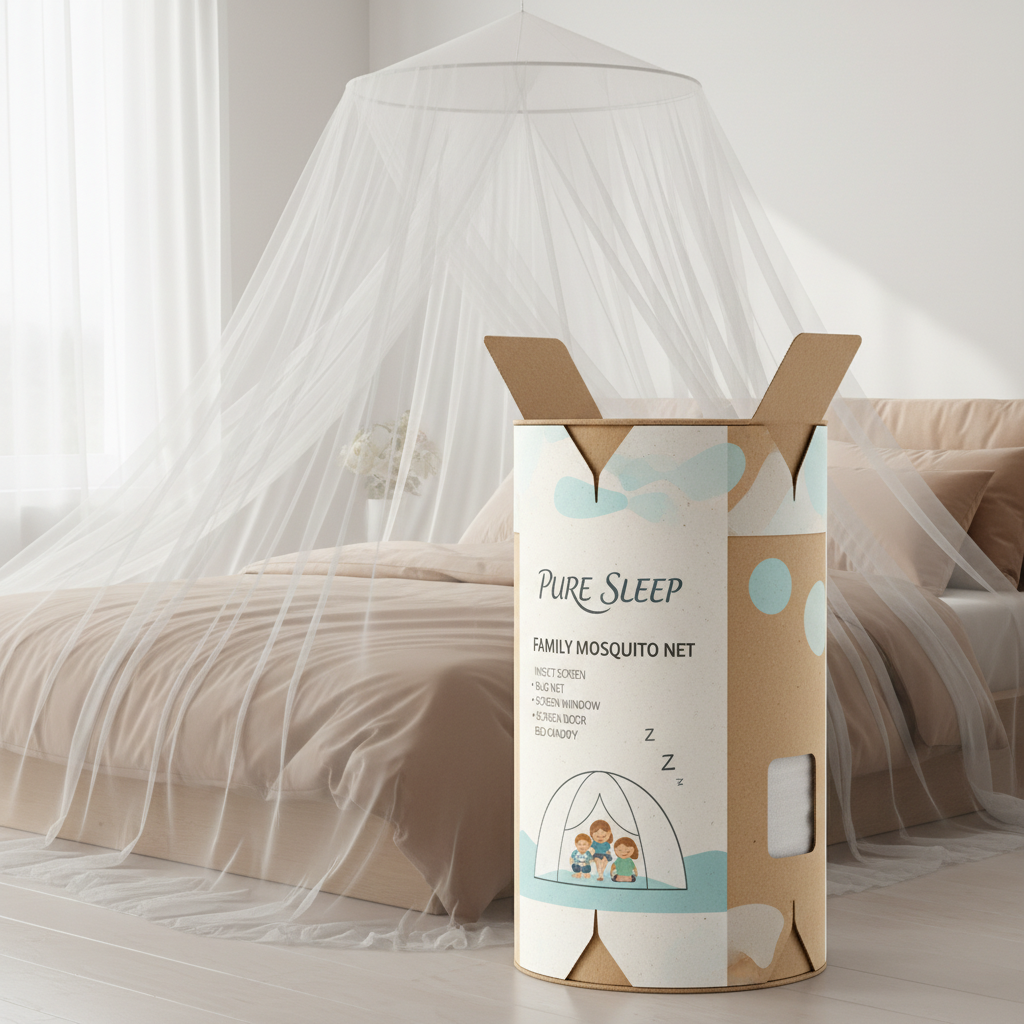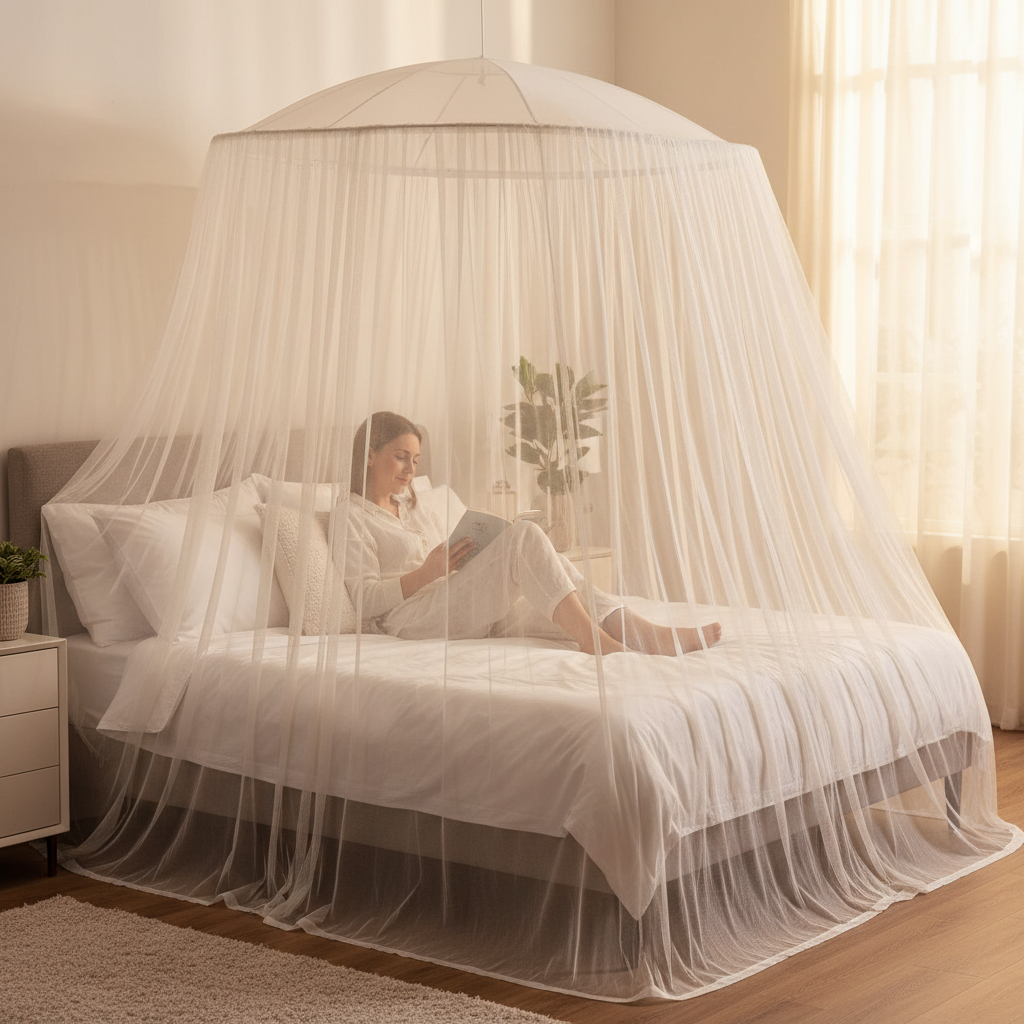
When homeowners or facility managers search for the ideal barrier against pests, the conversation often begins with the mosquito bed net price, but the actual value is determined by the material science behind the mesh. Whether it is for a bedroom, a commercial porch, or an agricultural greenhouse, the cost is a reflection of durability, visibility, and protective coatings.
The market has shifted from simple nylon fabrics to advanced fiberglass and polyester composites. These modern materials are engineered to balance airflow with insect exclusion, ensuring that while pests are kept out, the indoor environment remains ventilated and bright. This evolution has created a diverse pricing landscape based on UV resistance and structural integrity.
Understanding the variables that influence these costs allows buyers to move beyond the lowest sticker price and focus on long-term performance. From the protective layers that prevent corrosion in coastal areas to the light-absorbing properties of black mesh, the following analysis explores how to evaluate these essential screening solutions.


The industry has transitioned from heavy, opaque materials to lightweight, high-strength polymers. Early insect nets were often cumbersome and prone to rapid degradation under sunlight. Today, the focus is on the synergy between polyester and fiberglass, which provides a balance of flexibility and rigidity.
This transition was driven by the need for "invisible" protection. Modern manufacturing allows for thinner filaments that maintain high tensile strength, reducing the visual impact on architecture while effectively blocking even the smallest insects.
Quality in insect screening is measured by the intersection of material purity and coating technology. High-grade screens utilize a protective layer that shields the core filaments from UV radiation and environmental pollutants. This prevents the "sagging" effect often seen in low-cost alternatives, where the mesh loses tension after a few seasons of exposure.
Another critical factor is the weave density. A tighter weave offers better protection against micro-insects but can restrict airflow. Professional-grade screens optimize this ratio, ensuring that air exchange remains efficient to reduce the reliance on indoor air conditioning, thereby improving the energy efficiency of the building.
Corrosion resistance is paramount, particularly in humid or coastal regions. Coatings that prevent rust and chemical degradation extend the lifespan of the product significantly. In these environments, the choice of a coated synthetic material over traditional metals is often a matter of long-term cost-effectiveness rather than just initial price.
There is a common misconception that lighter-colored screens are less visible. In reality, black insect screens provide a far more seamless view to the outside. This is due to the way dark colors absorb light rather than reflecting it back into the eye of the observer.
Black mesh reduces glare and minimizes the perceived presence of the screen, effectively "disappearing" and allowing the natural landscape to remain the focal point of the room.
Beyond visibility, the dark pigment acts as a filter for harmful UV rays. This protectiveness extends to the interior of the home, reducing the fading of furniture and flooring. This dual-functionality—pest exclusion and UV filtering—adds a layer of value that justifies the investment in high-quality dark mesh.
When evaluating the mosquito bed net price and other screening options, it is essential to look at the relative performance index. Factors such as UV resistance, airflow efficiency, and maintenance ease create a total value score that far outweighs the initial purchase cost.
For instance, a screen that requires replacement every two years is significantly more expensive over a decade than a premium product with a ten-year lifespan. The following index illustrates the relative performance of different material grades across key operational metrics.
In residential settings, the priority is often a blend of aesthetics and ease of maintenance. For a homeowner installing screens on a porch or balcony, the ability to clean the mesh with simple soap and water while maintaining high transparency is key. Black screens are particularly effective here as they hide dust better than white or silver alternatives.
In contrast, agricultural and industrial applications demand different specifications. For crop protection, the screen must promote photosynthesis while blocking pests. In industrial facilities, the focus shifts to hygiene and contamination prevention. Crscreen Tech Co. Ltd specializes in these diverse needs, leveraging 15 years of expertise to provide solutions that range from simple window screens to high-strength protective nets.
The industry is moving toward materials that not only protect but also actively contribute to environmental sustainability. This includes the development of polymers that are easier to recycle at the end of their lifecycle and coatings that are free from harmful volatile organic compounds (VOCs).
We are also seeing a trend toward "smart" screens—materials that can adjust their porosity based on temperature or humidity. While still in the emerging phase, these innovations promise to further reduce the energy load of buildings by optimizing natural ventilation.
The certification of products, such as the European Reach environmental certification and CE certification, is becoming a standard requirement. This ensures that the materials used in the manufacturing process are safe for both the consumer and the environment, shifting the market focus from purely functional to ethically produced.
Selecting the right screen requires a trade-off analysis between visibility, durability, and budget. A buyer focusing solely on the initial price may overlook the cost of frequent replacements or the loss of indoor comfort due to poor airflow.
The decision framework should begin with the environment. For example, a coastal property requires a screen with a high corrosion-resistance rating, whereas a city apartment may prioritize glare reduction and dust management.
By using a structured evaluation method, as shown in the table below, stakeholders can align their technical requirements with the available product tiers to ensure maximum ROI.
| Environment | Primary Requirement | Recommended Material | Relative Suitability |
|---|---|---|---|
| Coastal / Humid | Corrosion Resistance | Coated Fiberglass | High |
| Sunny / High UV | Fade Resistance | UV-Protective Polyester | High |
| Residential / View | High Transparency | Premium Black Mesh | Optimal |
| Agricultural | Photosynthesis Flow | Specialized Plastic Mesh | High |
| Industrial | Contamination Control | High-Strength Protective | Optimal |
| Temporary / Budget | Basic Exclusion | Standard Nylon | Moderate |
Darker colors, specifically black, are less visible to the human eye because they absorb light rather than reflecting it. This reduces glare and creates a more seamless transition between the indoor space and the outdoors, making the screen feel almost invisible compared to grey or white options.
Fiberglass and polyester coated with protective layers are among the most durable. These materials resist sagging, tearing, and corrosion. In coastal or high-humidity areas, a protective coating is essential to prevent the degradation of the mesh over time.
Yes, by allowing natural ventilation while keeping pests out, screens reduce the need for air conditioning during warm months. Additionally, UV-protective black screens filter sunlight, reducing solar heat gain and protecting interior furnishings from sun damage.
Regular cleaning with mild soap and water is usually sufficient. Avoid abrasive chemicals that could strip the protective UV coating. For black screens, periodic rinsing helps remove dust and pollen, maintaining the optical clarity of the mesh.
Pricing is primarily driven by the material grade (fiberglass vs. polyester), the density of the weave, the presence of specialty coatings (UV or anti-corrosion), and the production volume. Certification standards like CE and Reach also add to the value through guaranteed safety and quality.
Residential screens prioritize visibility and aesthetics. Industrial screens focus on hygiene, strength, and the ability to withstand heavy-duty use. Industrial versions often feature higher tensile strength to prevent tears in high-traffic areas or contamination-sensitive environments.
Investing in the right insect screening is a decision that balances immediate cost with long-term utility. By prioritizing materials with proven UV resistance and optical properties, such as professional black mesh, users can achieve a superior living environment that remains protected and energy-efficient.
Ultimately, the value of a product is found in its ability to solve a problem without creating new ones. Whether through the precision of Crscreen Tech Co. Ltd's manufacturing or a carefully selected material grade, the goal is a seamless integration of protection and comfort in any setting.