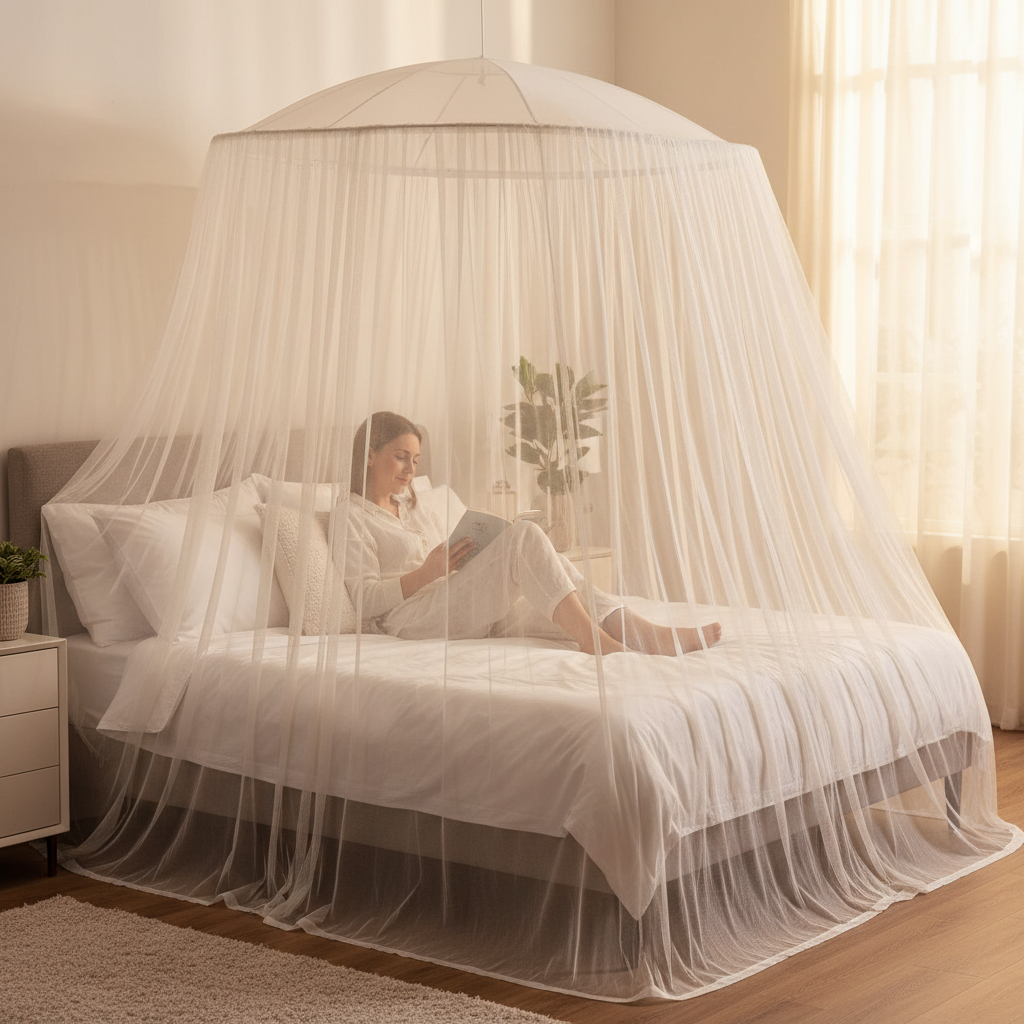
Anti insect net wholesale refers to the bulk procurement and supply of protective mesh systems designed to prevent pests from entering residential and commercial spaces while maintaining ventilation. These systems range from fixed window screens to advanced retractable roller doors, serving as a primary defense mechanism in diverse climates where insect infestation is a seasonal or permanent challenge.
For procurement managers and home developers, selecting the right mesh material and frame structure is critical. The challenge lies in balancing high-density pest blocking with sufficient airflow and structural durability. Inefficient wholesale choices often lead to rapid degradation from UV exposure or mechanical failure of rolling systems, resulting in increased maintenance costs and decreased occupant comfort.
This comprehensive guide analyzes the technical specifications of modern insect screens, evaluates different material options, and provides a procurement framework for wholesale buyers. By understanding the interplay between mesh fabric, frame metallurgy, and installation requirements, buyers can secure long-term solutions that enhance indoor air quality and structural hygiene.

1Understanding Retractable Mesh Technology

Retractable insect screens represent a modern shift in architectural integration, allowing the mesh to be neatly rolled into a compact housing when not in use. This design solves the aesthetic conflict between permanent screens and clean interior lines, making it a preferred choice for luxury homes and modern commercial offices where visibility is paramount.
The operation typically involves a simple pull-down or slide-across motion, often supported by magnetic closures that ensure a secure seal against the frame. This eliminates the gaps common in traditional screen doors, providing a more reliable barrier against smaller insects.
From a wholesale perspective, these systems are valued for their adaptability. They can be customized to various heights and widths, including single or double door configurations, allowing distributors to cater to a wide range of architectural requirements.
2Core Materials and Structural Components
The effectiveness of an insect screen depends heavily on the synergy between the frame material and the mesh fabric. Most professional-grade systems utilize aluminum alloys for the housing and tracks due to their natural resistance to rust and corrosion, which is essential for outdoor exposure.
High-grade glass fiber coated with PU provides a balance of transparency and strength. Unlike basic plastic nets, these materials do not shrink or warp when exposed to direct sunlight, ensuring that the screen continues to fit the frame perfectly throughout its lifecycle.
Powder coating is applied to the aluminum frames to provide an additional layer of protection and aesthetic versatility. Common colors like grey and black are selected not only for style but to reduce glare and improve the visual transparency of the mesh from the inside.
3Practical Application Scenarios
The versatility of wholesale insect screens allows them to be deployed in various environments. In residential settings, they are most commonly installed on patios, balconies, and main entryways to facilitate fresh air circulation without the risk of pest intrusion.
Commercial applications include restaurant terraces and hotel corridors, where maintaining a pest-free environment is a regulatory requirement for hygiene. The retractable nature of these screens ensures that guest flow is not obstructed during peak hours.
Furthermore, these systems can be integrated with pet doors or customized for non-standard door frames. This adaptability makes them a high-value item for wholesalers who supply both DIY home improvement stores and professional installation contractors.
4Analyzing Performance and Airflow Metrics
A critical performance metric for any insect screen is the "open area" percentage, which dictates how much air can pass through the mesh. While denser meshes block smaller insects more effectively, they can restrict airflow if not engineered correctly.
The use of high-quality PU-coated fiberglass allows for a finer weave that maintains high airflow coefficients. This ensures that the indoor environment remains cool and ventilated, reducing the reliance on air conditioning during summer months.
anti insect net wholesale Performance Metrics
When comparing wholesale products, buyers should look for the balance between mesh density and visibility. A screen that is too opaque disrupts the natural light of a room, whereas one that is too open may fail to stop smaller midges or flies.
5Wholesale Procurement and Selection Criteria
Procuring insect screens in bulk requires a strict evaluation of the manufacturer's production capabilities. Key factors include the precision of the aluminum extrusion lines and the quality of the plastic injection molding for the roller components.
Buyers should prioritize systems that offer DIY-friendly installation kits, including brackets and tracks, as this reduces the end-user's barrier to purchase. Customization options for size (e.g., Wmax 3.2m, Hmax 2.5m) are also vital for market competitiveness.
Price-to-quality ratios should be assessed based on the lifespan of the spring mechanism. A low-cost screen that loses tension after one season is more expensive in the long run than a premium retractable system with a guaranteed glide life.
6Maintenance Protocols for Long-Term Use
To ensure the longevity of a roller screen door, regular maintenance is required. Dust and debris accumulation in the tracks can lead to friction, which puts unnecessary stress on the retractable spring and may eventually cause the mesh to tear.
Cleaning should be performed with mild soap and warm water, avoiding abrasive chemicals that can strip the PU coating from the fiberglass. A soft brush or vacuum attachment is recommended for removing loose debris from the mesh surface before washing.
Inspect the tension of the screen regularly. Most high-end models feature adjustable tension settings that can be tweaked with a screwdriver to ensure the mesh remains taut against the magnetic closure.
7Comparative Analysis of Screen Types
Choosing between different screen types depends on the specific needs of the installation site. While retractable screens offer the best aesthetics and space-saving benefits, fixed screens are often more durable for high-impact areas.
The following comparison highlights the trade-offs between common wholesale insect screen solutions to assist in procurement decisions.
| Screen Type | Primary Material | Best Use Case | Main Limitation |
|---|---|---|---|
| Roller Screen | Alu Alloy/Glass Fiber | Modern Patios | Mechanical Wear |
| Fixed Mesh | Aluminum/Polyester | High-Traffic Doors | Fixed Obstruction |
| Pleated Screen | Plastic/Fiberglass | Wide Openings | Cleaning Complexity |
| Magnetic Curtain | Heavy Polyester | Budget/Temporary | Lower Seal Quality |
| Sliding Screen | Alu Alloy/Glass Fiber | Glass Sliding Doors | Track Space Req. |
| Custom Protective | Stainless Steel Mesh | Security/Industrial | Higher Cost/Weight |
Ultimately, the decision should be based on the balance of visibility, durability, and ease of operation. For most high-end residential projects, the Roller Screen offers the optimal combination of these factors.
Frequently Asked Questions
Conclusion
Selecting high-quality anti insect net wholesale solutions requires a technical understanding of material science and mechanical design. By prioritizing PU-coated fiberglass and aluminum alloy structures, procurement teams can ensure a product that balances pest protection with aesthetic appeal and long-term durability. The shift toward retractable systems highlights a growing demand for architectural flexibility and seamless integration.
For those seeking reliable, certified screen solutions that meet European and North American standards, reviewing the technical capabilities and product range at www.crscreen.com can provide the necessary guidance for informed procurement and implementation.