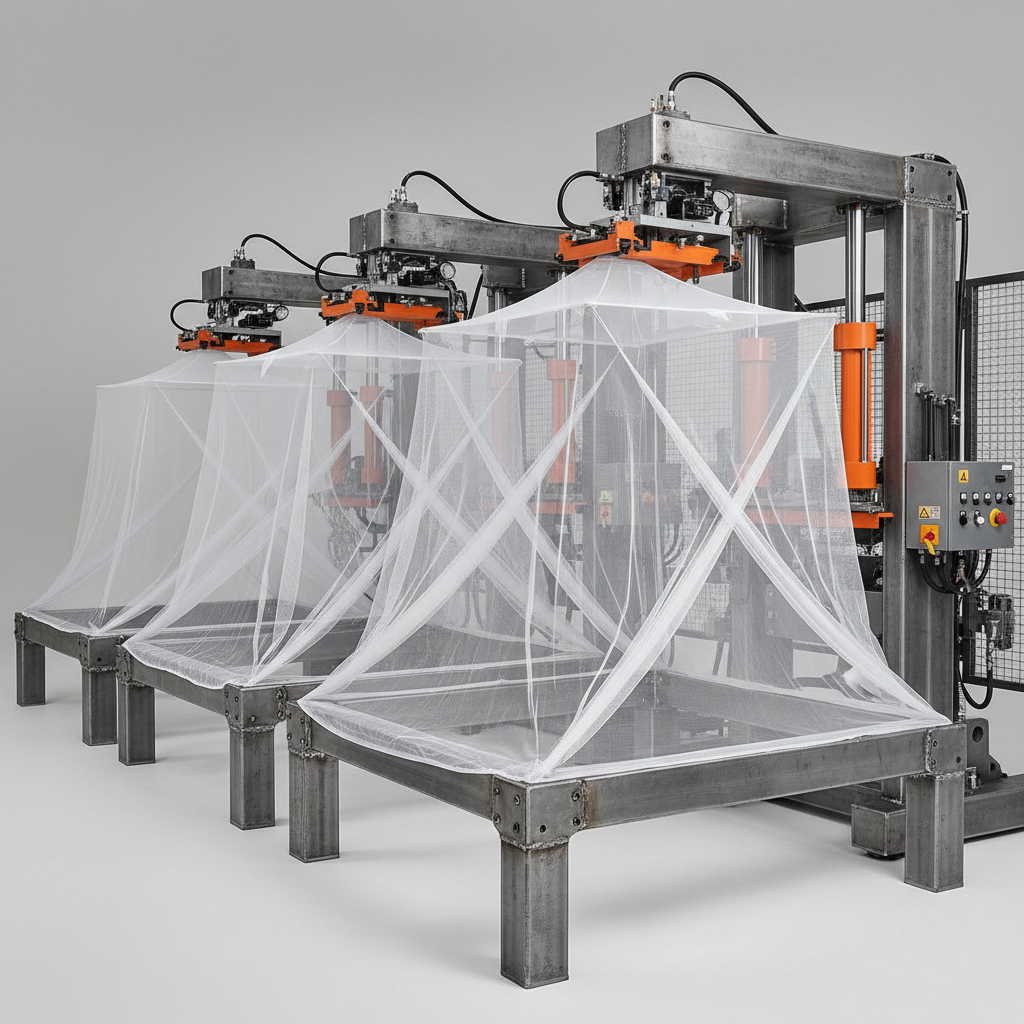
Selecting a reliable mosquito net vendor involves more than just comparing prices; it requires an understanding of material science and the specific environmental challenges of the deployment region. Whether for residential use in tropical zones or specialized medical applications, the effectiveness of a physical barrier depends entirely on the mesh density and the structural integrity of the netting.
From the perspective of the plastics and mesh industry, the shift toward high-tenacity polyester and specialized coatings has redefined how we approach insect protection. A professional vendor does not just sell a product but provides a solution that balances airflow, visibility, and total insect exclusion to prevent the transmission of diseases like malaria and Zika virus.
This guide examines the critical technical specifications, procurement metrics, and material trade-offs necessary for businesses and individuals to evaluate a supply partner in the insect screen sector, ensuring long-term durability and health safety.

The Technical Logic of Dome Hanging Mosquito Nets

The dome hanging mosquito net is engineered as a spatial barrier, utilizing a curved top design to create a voluminous interior that prevents the mesh from touching the user during sleep. This architectural choice is not merely aesthetic; it ensures that the physical distance between the occupant and the netting remains constant, reducing the likelihood of insects biting through the fabric.
Technically, these nets rely on fine-mesh weaving patterns that allow for optimal gas exchange while maintaining a pore size smaller than the average mosquito's anatomy. By suspending the structure from a single central point, the net can be deployed rapidly across various bed sizes, from singles to king-size, making it a versatile tool for both permanent installations and travel.
In the context of the non-metallic mineral and plastic products industry, the production of these nets involves precision extrusion and weaving processes. The goal is to achieve a uniform mesh density that prevents "weak spots" where insects could penetrate, while ensuring the material remains lightweight enough for easy suspension.
Core Material Properties and Structural Value
Material selection is the primary driver of a mosquito net's lifespan and effectiveness. Most professional-grade nets utilize 100% polyester due to its inherent resistance to moisture and stretching, which is critical for maintaining the dome shape over years of use.
Polyester offers a significant advantage over cotton in terms of durability and maintenance; it is tear-resistant and can be machine-washed without losing its structural tension. This makes it the preferred choice for high-use environments such as clinics or camping gear, where the net is frequently folded and transported.
Furthermore, the structural integrity is reinforced by the suspension ring and the fine-weave edges. A high-quality net must resist fraying at the seams, as any small rupture in the mesh can compromise the entire protective envelope, rendering the physical barrier ineffective against smaller insect species.
Application Scenarios Across Diverse Environments
The utility of dome nets extends far beyond the bedroom. In medical settings, such as hospitals and clinics in tropical regions, these nets are essential for protecting patients from insect-borne pathogens, creating a sterile-like boundary that does not obstruct the visibility of the patient for the nursing staff.
For outdoor enthusiasts, the portability of polyester nets allows for immediate deployment over hammocks or tents during camping trips. The ability to fold the net into a compact size without permanent creasing is a key requirement for this user group, demanding a material that recovers its shape upon hanging.
In residential architecture, these products are often integrated into nurseries or outdoor gazebos. Here, the functionality of insect protection blends with aesthetic appeal, where customized colors and decorative designs allow the net to serve as both a health tool and a piece of interior decor.
Evaluating Mesh Performance and Airflow Efficiency
A critical challenge for any mosquito net is the trade-off between protection and breathability. If the mesh is too tight, airflow is restricted, leading to heat accumulation and discomfort; if it is too loose, the risk of insect penetration increases.
Performance is typically measured by the "Air Permeability Index" and "Pore Uniformity." Professional manufacturing lines, such as those used by Crscreen Tech Co. Ltd, ensure that the mesh remains consistent across the entire surface area, preventing the clustering of fibers that often occurs in low-end production.
mosquito net vendor Performance Metrics
The data indicates that high-grade polyester nets provide a superior balance of tear strength and breathability compared to standard generic nets. This efficiency ensures that the user remains cool while being completely isolated from biting insects, which is a primary requirement for sleep quality in humid climates.
Strategic Procurement and Installation Best Practices
For procurement managers, the evaluation of a vendor must focus on certification and production capacity. Ensuring that products meet CE and European Reach environmental certifications is mandatory for those exporting to the European and North American markets, as these standards guarantee the absence of harmful chemicals in the plastic mesh.
Proper installation requires a precise central hanging point. Users should ensure the net drapes symmetrically and is securely tucked under the mattress. For temporary setups, adhesive hooks are sufficient, but permanent residential installations should utilize drilled ceiling hooks to support the weight of the fabric and the movement of the occupant.
Maintenance is straightforward but essential. To extend the lifespan of a polyester net, hand washing with mild detergents is recommended. If machine washing is used, a laundry bag is necessary to prevent the fine mesh from snagging on the drum, which could create entry points for insects.
Innovation Trends in Insect Screen Materials
The industry is moving toward "smart" mesh materials that integrate long-lasting insecticidal nets (LLINs). These materials are impregnated with insecticides that not only block mosquitoes but actively repel them or kill them upon contact, providing an extra layer of security in high-risk malaria zones.
Another trend is the adoption of recycled polyester (rPET), reducing the environmental footprint of the plastic industry without sacrificing the tear strength required for dome nets. This aligns with the global shift toward sustainable manufacturing in the non-metallic mineral sector.
Future developments may include adaptive mesh densities—where the weave varies across the net to maximize airflow at the top and maximize protection at the bottom—depending on the typical flight patterns of local insect populations.
Vendor Selection Matrix and Decision Framework
When selecting a partner, buyers must differentiate between a general trading company and a specialized manufacturer. A vendor with integrated plastic injection and aluminum extrusion capabilities can offer a more cohesive product line, ranging from simple nets to complex screen doors and windows.
The following matrix provides a decision-making framework based on the primary needs of the end-user, comparing different mesh solutions available in the current market.
| Solution Type | Primary Material | Key Use Case | Maintenance Level |
|---|---|---|---|
| Dome Hanging Net | 100% Polyester | Bedroom / Travel | Low - Machine Washable |
| Fixed Window Screen | Fiberglass/Alu | Residential Home | Medium - Periodic Dusting |
| Medical Grade Net | Treated Polyester | Clinics / Hospitals | High - Sterilization Req. |
| Outdoor Gazebo Net | High-Density Poly | Gardens / Patios | Medium - Weather Proofing |
| Portable Camping Net | Lightweight Nylon | Hiking / Outdoors | Low - Quick Dry |
| Protective Door Net | Reinforced Plastic | Balconies / Entry | Medium - Structural Check |
Ultimately, the choice of a vendor should be based on their ability to provide certified materials and a consistent production scale. For those requiring a comprehensive range of insect protection products, visiting www.crscreen.com provides insight into the integrated manufacturing approach necessary for professional results.
Frequently Asked Questions
Conclusion
The effectiveness of a mosquito net is a direct result of the synergy between material science and structural design. By prioritizing high-tenacity polyester and verified manufacturing standards, users can ensure a safe, breathable, and durable barrier against insect-borne diseases.
For organizations and distributors evaluating a long-term partnership with a mosquito net vendor, the focus should remain on production capacity and certification. Professional solutions available through www.crscreen.com demonstrate how integrated manufacturing can meet the rigorous demands of both the European and North American markets.