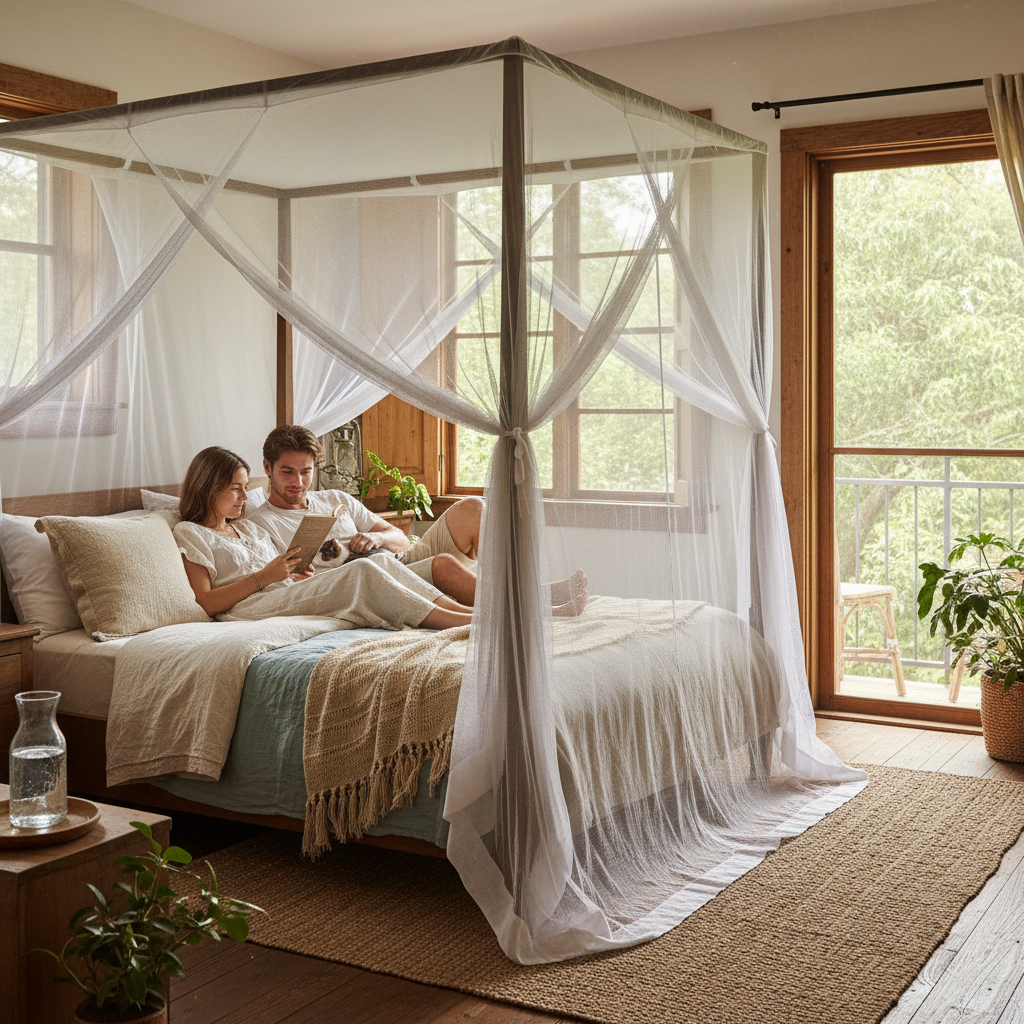
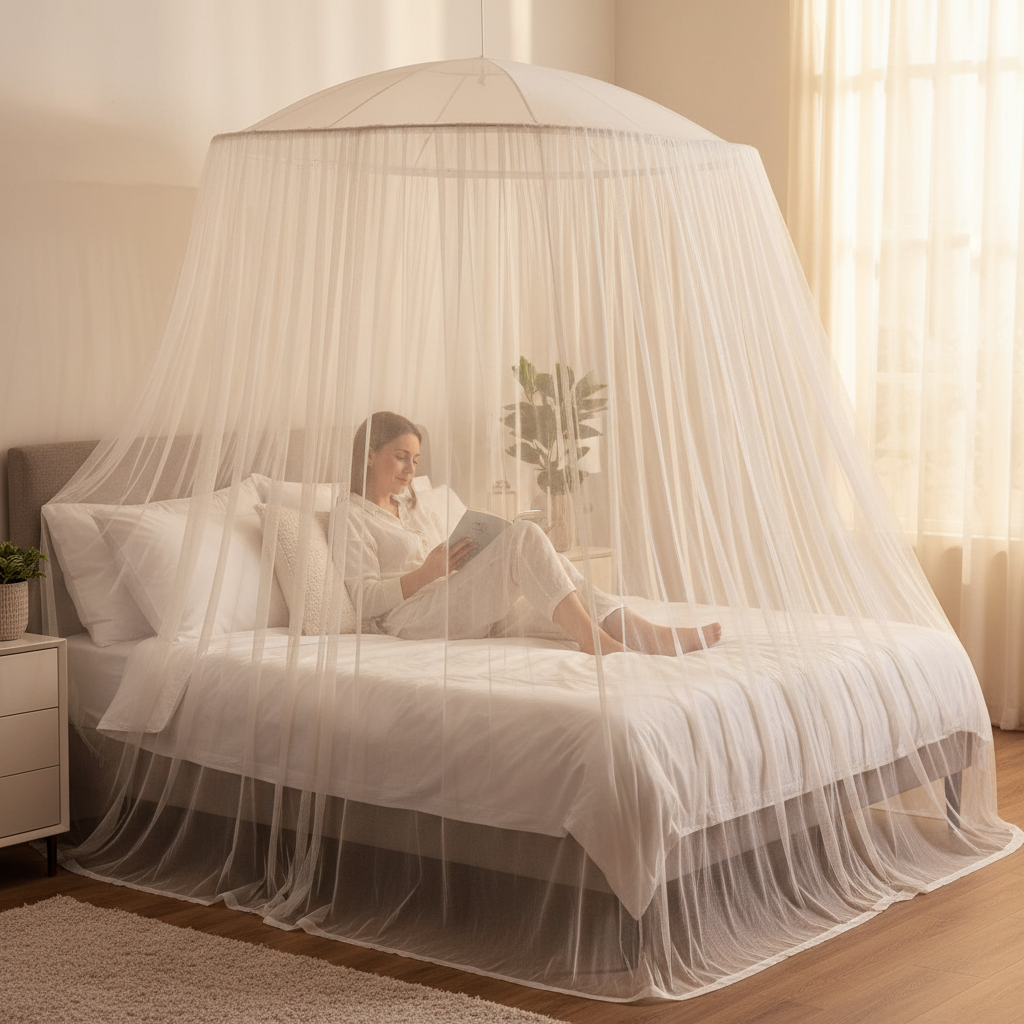
A bedroom with mosquito net is more than just a sleeping space; it's a sanctuary of safety and peaceful rest, especially crucial in regions where vector-borne diseases are prevalent. Globally, millions suffer from illnesses like malaria, dengue fever, and Zika virus, transmitted by mosquitoes. Providing effective protection during sleep hours is a foundational step in public health interventions. Understanding the nuances of bedroom with mosquito net solutions – from their construction and durability to their affordability and accessibility – is vital for safeguarding communities and improving quality of life.
The demand for effective mosquito protection is driven by increasing global travel, climate change expanding mosquito ranges, and growing awareness of preventative health measures. A well-designed bedroom with mosquito net offers a physical barrier against these insects, minimizing the risk of infection. Beyond health benefits, a comfortable and secure sleeping environment promotes better mental and physical well-being, contributing to increased productivity and overall societal development.
This exploration delves into the world of bedroom with mosquito net, covering its essential components, real-world applications, advantages, future innovations, and common challenges. By examining these facets, we aim to provide a comprehensive understanding of this critical tool in disease prevention and improved living standards, particularly in vulnerable populations.
Introduction to Bedroom with Mosquito Net
A bedroom with mosquito net represents a fundamental intervention in protecting individuals and communities from mosquito-borne diseases. It's a simple yet profoundly impactful solution, particularly in regions with limited access to modern healthcare. The effective deployment and sustained use of mosquito nets contribute significantly to reducing morbidity and mortality rates linked to malaria, dengue fever, and other illnesses.
Beyond the immediate health benefits, providing a safe and comfortable sleeping environment fosters a sense of security and well-being. A well-maintained bedroom with mosquito net can improve sleep quality, enhance productivity, and contribute to a more stable and thriving community. It’s a relatively low-cost, high-impact investment in public health and human development.
Defining Bedroom with Mosquito Net
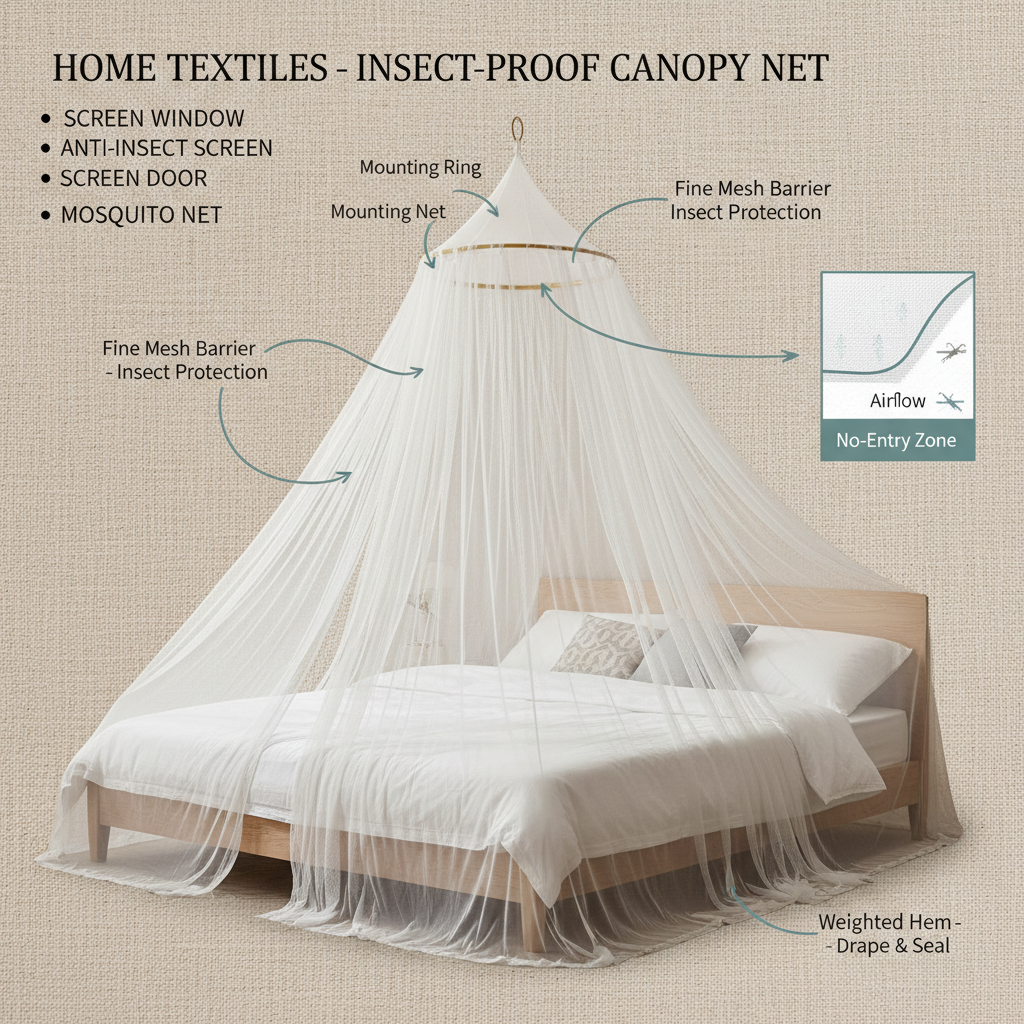
A bedroom with mosquito net, in its simplest form, refers to a sleeping area that incorporates a protective net designed to prevent mosquitoes and other insects from reaching the occupant. This can range from a simple net suspended over a bed to an integrated design within the bedroom structure itself. The primary function is to create a physical barrier, interrupting the transmission cycle of vector-borne diseases.
In the context of modern industry and humanitarian needs, bedroom with mosquito net solutions are evolving. We now see insecticide-treated nets (ITNs) that offer an additional layer of protection, as well as more durable and easily deployable designs for emergency response situations. The definition extends beyond the physical net itself to encompass the entire system – including suspension points, support structures, and maintenance protocols.
The significance of a bedroom with mosquito net lies in its direct impact on public health. It is a cornerstone of many disease prevention programs, particularly in areas where access to healthcare is limited or expensive. Understanding the different types of nets, their effectiveness, and proper usage is crucial for maximizing their protective benefits.
Key Factors in Bedroom with Mosquito Net Design
Durability is paramount. A bedroom with mosquito net must withstand regular use, cleaning, and potential environmental factors like humidity and sunlight. Materials like polyester and polyethylene are commonly used for their strength and resistance to tearing. Higher denier fabrics and reinforced seams contribute to a longer lifespan.
Mesh Size is critical for effective protection. The mesh openings must be small enough to prevent mosquitoes from entering, but large enough to allow for adequate ventilation. A mesh size of 150-250 holes per square inch is generally recommended. Consideration should also be given to the type of mosquito prevalent in the area, as different species may require different mesh sizes.
Ease of Use affects compliance. Nets that are difficult to install, hang, or maintain are less likely to be used consistently. Designs that are simple and intuitive, requiring minimal effort for setup and daily use, are more likely to be adopted and sustained.
Global Applications and Use Cases
In sub-Saharan Africa, bedroom with mosquito net campaigns are central to combating malaria, a leading cause of child mortality. Millions of nets are distributed annually through organizations like the World Health Organization and the Global Fund to Fight AIDS, Tuberculosis and Malaria. These nets are often treated with insecticide to enhance their effectiveness.
Following natural disasters such as hurricanes or earthquakes, providing safe sleeping environments is a priority. Emergency response teams often deploy prefabricated shelters equipped with integrated mosquito nets or distribute stand-alone nets to affected populations. This is crucial for preventing disease outbreaks in the immediate aftermath of a disaster.
In remote industrial zones, such as mining camps or research stations in tropical regions, a bedroom with mosquito net is essential for protecting workers from mosquito-borne illnesses. Companies often provide nets as part of their health and safety protocols, ensuring a healthy and productive workforce.
Effectiveness of Different bedroom with mosquito net Methods
Advantages and Long-Term Value
The cost-effectiveness of bedroom with mosquito net is undeniable. Compared to the expenses associated with treating mosquito-borne illnesses, the initial investment in nets is minimal. Furthermore, a durable net can provide years of protection, reducing the need for frequent replacements. This makes it a sustainable solution for low-income communities.
Beyond economic benefits, bedroom with mosquito net offers significant social impact. By reducing illness, it allows individuals to attend school or work, contributing to economic growth and improved quality of life. It promotes dignity and security, providing families with peace of mind knowing they are protected from disease.
Future Trends and Innovations
Researchers are exploring new materials and designs for bedroom with mosquito net, focusing on increased durability, biodegradability, and insecticidal effectiveness. Nanotechnology is being investigated to create nets with enhanced repellency and longer-lasting insecticide treatments.
Digital technologies are playing an increasing role in monitoring net usage and distribution. Mobile apps and data analytics are being used to track coverage, identify areas with unmet needs, and ensure that nets reach the intended recipients. This data-driven approach improves the efficiency and effectiveness of distribution programs.
Challenges and Solutions
One major challenge is insecticide resistance. Mosquitoes are evolving resistance to commonly used insecticides, reducing the effectiveness of ITNs. Addressing this requires developing new insecticides and promoting the responsible use of existing ones.
Another challenge is maintaining net usage over time. Nets can be damaged, lost, or repurposed for other uses. Community education and ongoing distribution programs are crucial for ensuring sustained use. Innovative financing models, such as micro-insurance schemes, can also help families afford to replace damaged nets.
Finally, logistical challenges in distributing nets to remote and hard-to-reach areas remain. Utilizing drone technology and collaborating with local communities can help overcome these obstacles and ensure that everyone has access to this life-saving intervention.
Summary of Bedroom with Mosquito Net Challenges & Solutions
| Challenge |
Impact Severity (1-10) |
Potential Solution |
Implementation Cost (Low/Medium/High) |
| Insecticide Resistance |
9 |
Development of new insecticides & rotation strategies |
High |
| Net Damage & Loss |
7 |
Durable materials & community repair programs |
Medium |
| Low Net Usage |
8 |
Community education & behavioral change campaigns |
Low |
| Remote Area Distribution |
6 |
Drone delivery & local distribution networks |
Medium |
| Funding Shortfalls |
7 |
Diversified funding sources & public-private partnerships |
Medium |
| Lack of Awareness |
5 |
Targeted health communication campaigns |
Low |
FAQS
A standard insecticide-treated net, with proper care and use, is typically effective for 3-5 years. However, the effectiveness of the insecticide diminishes over time, particularly with repeated washing. It's recommended to retreat the net with insecticide every 6-12 months, or replace it after the recommended lifespan to maintain optimal protection against mosquitoes. Regular inspection for holes and damage is also crucial.
Wash your net gently with mild soap and cool water, avoiding harsh detergents or bleaching agents. Hand washing is preferable, but if using a machine, use a delicate cycle. Dry the net in the shade to prevent UV damage, as sunlight can weaken the fabric and insecticide. Regularly inspect for holes and tears, and repair them promptly using a patching kit. Proper storage when not in use is also important, keeping it clean and dry.
While bedroom with mosquito net are generally safe, it's essential to choose nets specifically designed for infants and young children. These nets often have smaller mesh sizes to prevent insects from entering and are made from non-toxic materials. Ensure the net is securely tucked under the mattress to prevent babies from getting entangled. Always supervise infants and young children when they are sleeping under a net.
A standard net provides a physical barrier against mosquitoes, preventing them from biting. An insecticide-treated net (ITN) is a net that has been treated with an insecticide, typically pyrethroid, which kills or repels mosquitoes. ITNs offer a higher level of protection, as they kill mosquitoes that land on the net, reducing the overall mosquito population in the vicinity. They are highly effective in preventing mosquito-borne diseases.
Check for any holes, tears, or significant thinning of the fabric. If the net is visibly damaged or the mesh is compromised, it needs to be replaced. Also, if the net has been used for more than the recommended lifespan (3-5 years), even without visible damage, it's best to replace it to ensure optimal protection. If the insecticide treatment has worn off and retreating is not an option, replacement is necessary.
Reputable organizations like the World Health Organization (WHO) and UNICEF often provide guidelines and certifications for mosquito nets. Look for nets that have been tested and approved by these organizations. You can find reliable suppliers through international health organizations, reputable online retailers specializing in travel or outdoor gear, and local health clinics or pharmacies. Ensure the net meets quality standards and is appropriate for your region.
Conclusion
In conclusion, a bedroom with mosquito net remains a cornerstone of global health strategy, providing a simple, cost-effective, and highly impactful solution to the threat of mosquito-borne diseases. From its fundamental role in protecting individuals during sleep to its contribution to broader public health initiatives, the bedroom with mosquito net demonstrates the power of preventative measures. Understanding the key factors influencing its effectiveness – durability, mesh size, and ease of use – is crucial for maximizing its benefits.
Looking ahead, continued innovation in materials, insecticide treatments, and distribution strategies will be essential to overcome challenges like insecticide resistance and ensure equitable access. Investing in research, promoting community education, and fostering collaborative partnerships are vital steps towards a future where everyone can sleep safely and peacefully, protected from the dangers of mosquito-borne illnesses. Visit our website for more information and solutions: www.crscreen.com