Beds with mosquito canopy are more than just romantic furnishings; they represent a critical solution to preventing vector-borne diseases, particularly in regions where mosquito populations are high. These protective structures offer a physical barrier against insects, reducing the risk of malaria, dengue fever, Zika virus, and other potentially life-threatening illnesses. Understanding the design, materials, and deployment strategies of beds with mosquito canopy is crucial for public health initiatives and individual well-being, especially in vulnerable communities.
The global need for effective mosquito control is escalating due to climate change, urbanization, and increasing international travel. Organizations like the World Health Organization (WHO) and the United Nations (UN) emphasize the importance of integrated vector management, where beds with mosquito canopy play a significant role, often alongside insecticide-treated nets (ITNs). Innovations in materials and design are continually improving the effectiveness and accessibility of these essential preventative tools.
Investing in and effectively distributing beds with mosquito canopy contributes directly to reduced morbidity and mortality rates, improved school attendance, and increased economic productivity. The implementation of comprehensive mosquito control programs, incorporating beds with mosquito canopy, has demonstrated substantial positive impacts on public health in numerous countries, highlighting their continued relevance in the fight against insect-borne diseases.
The Importance of Beds with Mosquito Canopy
The prevalence of mosquito-borne diseases continues to be a significant global health concern, impacting millions annually. Beds with mosquito canopy offer a straightforward yet highly effective protective measure, especially in areas with limited access to advanced medical facilities or widespread insecticide use. This seemingly simple intervention can dramatically reduce the incidence of disease and improve overall quality of life.
Beyond disease prevention, beds with mosquito canopy also contribute to a sense of security and comfort, allowing individuals to sleep peacefully without the constant threat of insect bites. This is particularly important for vulnerable populations, including children, pregnant women, and individuals with compromised immune systems. The provision of these protective beds represents a tangible investment in human well-being.
Global Relevance and Challenges
The need for effective mosquito control extends far beyond individual comfort; it’s intrinsically linked to economic development and social stability. In regions heavily burdened by malaria and other vector-borne illnesses, healthcare systems are strained, productivity declines, and the cycle of poverty is perpetuated. Beds with mosquito canopy are often a cornerstone of public health strategies aimed at breaking this cycle.
However, challenges remain in ensuring widespread adoption and consistent use. These include logistical hurdles in distribution, particularly in remote areas, cultural beliefs that may discourage their use, and concerns about the durability and affordability of different canopy materials. Sustainable solutions require addressing these barriers through community engagement and innovative funding models.
Data from the WHO indicates that despite significant progress in malaria control, the disease remains a major public health problem, with nearly half of the world's population at risk. Beds with mosquito canopy, when implemented correctly and integrated with other interventions, are a crucial part of the strategy to achieve the Sustainable Development Goals related to health and well-being.
Defining Beds with Mosquito Canopy
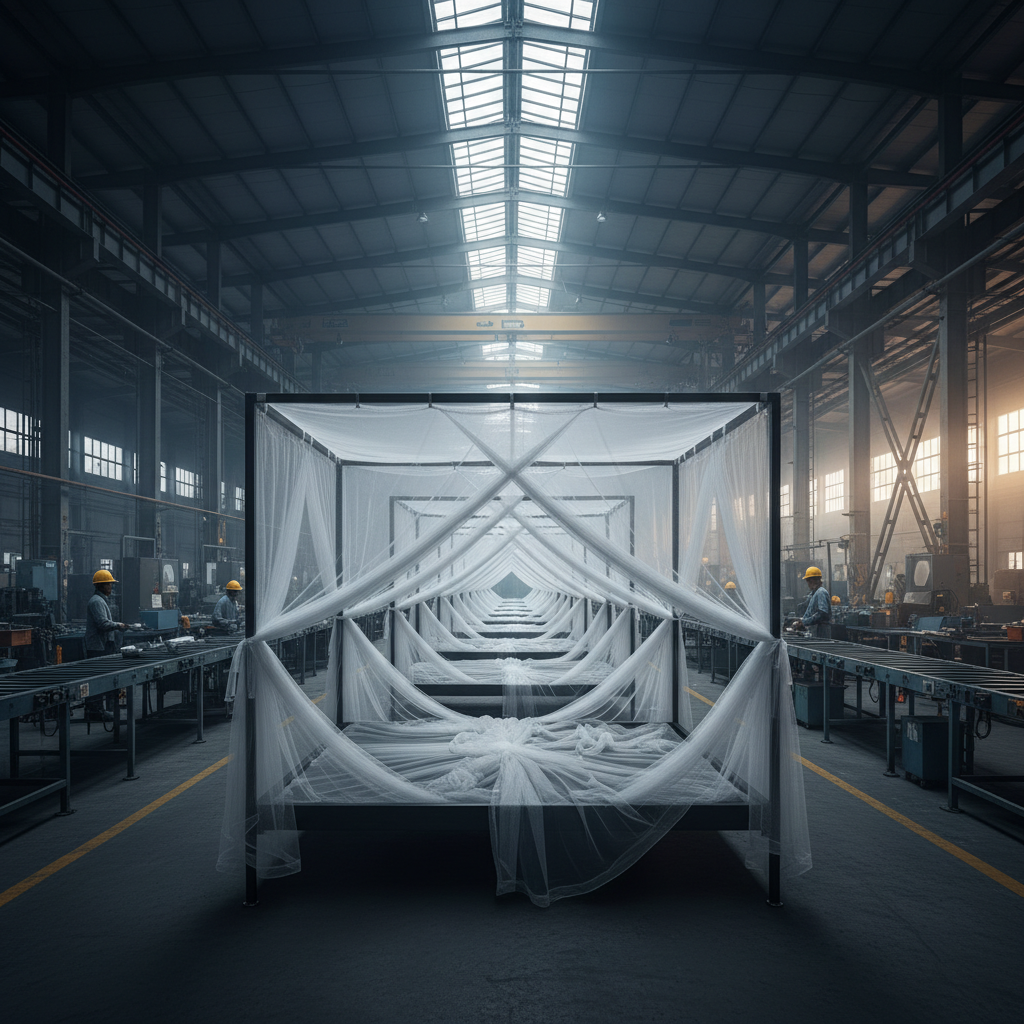
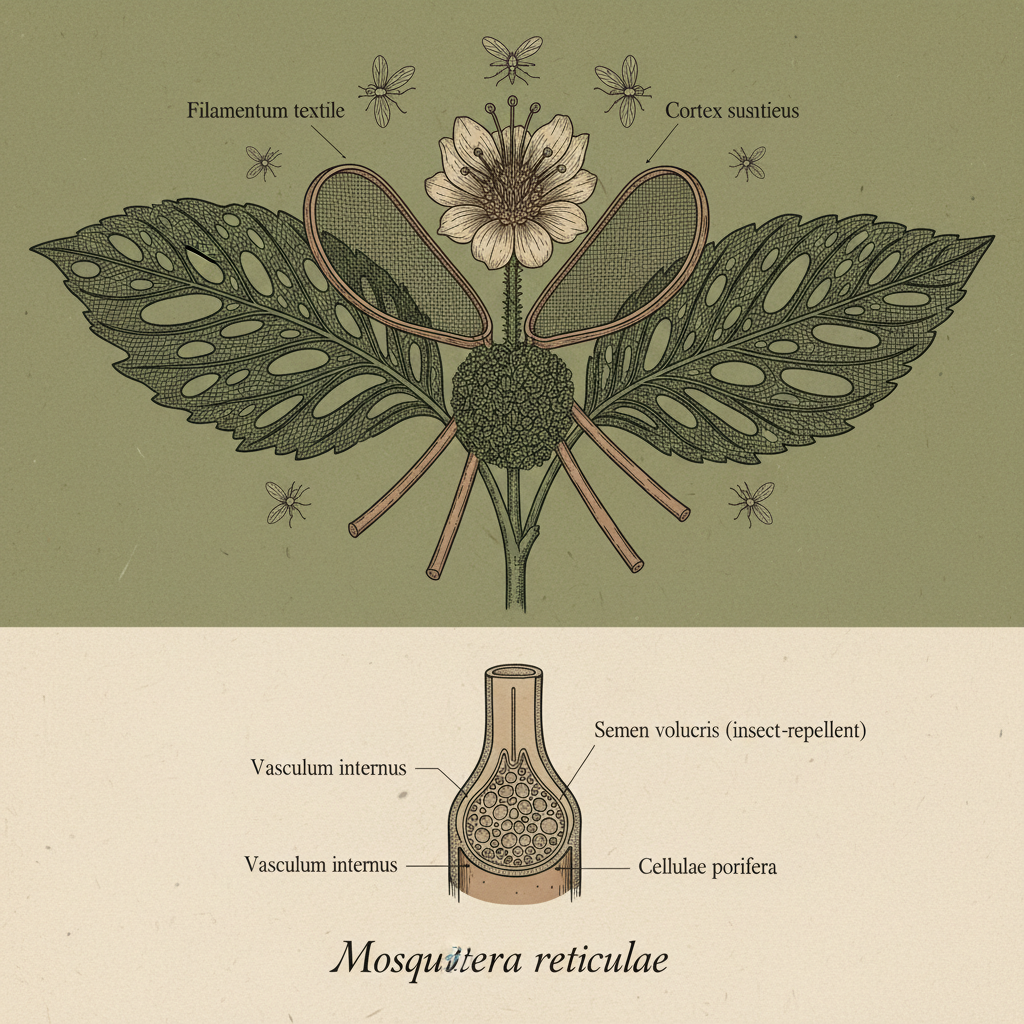
Beds with mosquito canopy, in its simplest form, consists of a bed frame completely enclosed by a fine mesh netting, designed to prevent mosquitoes and other insects from accessing the sleeping area. Historically, these canopies were often constructed from natural materials like cotton or linen, but modern variations increasingly utilize synthetic materials like polyester and polyethylene for enhanced durability and affordability.
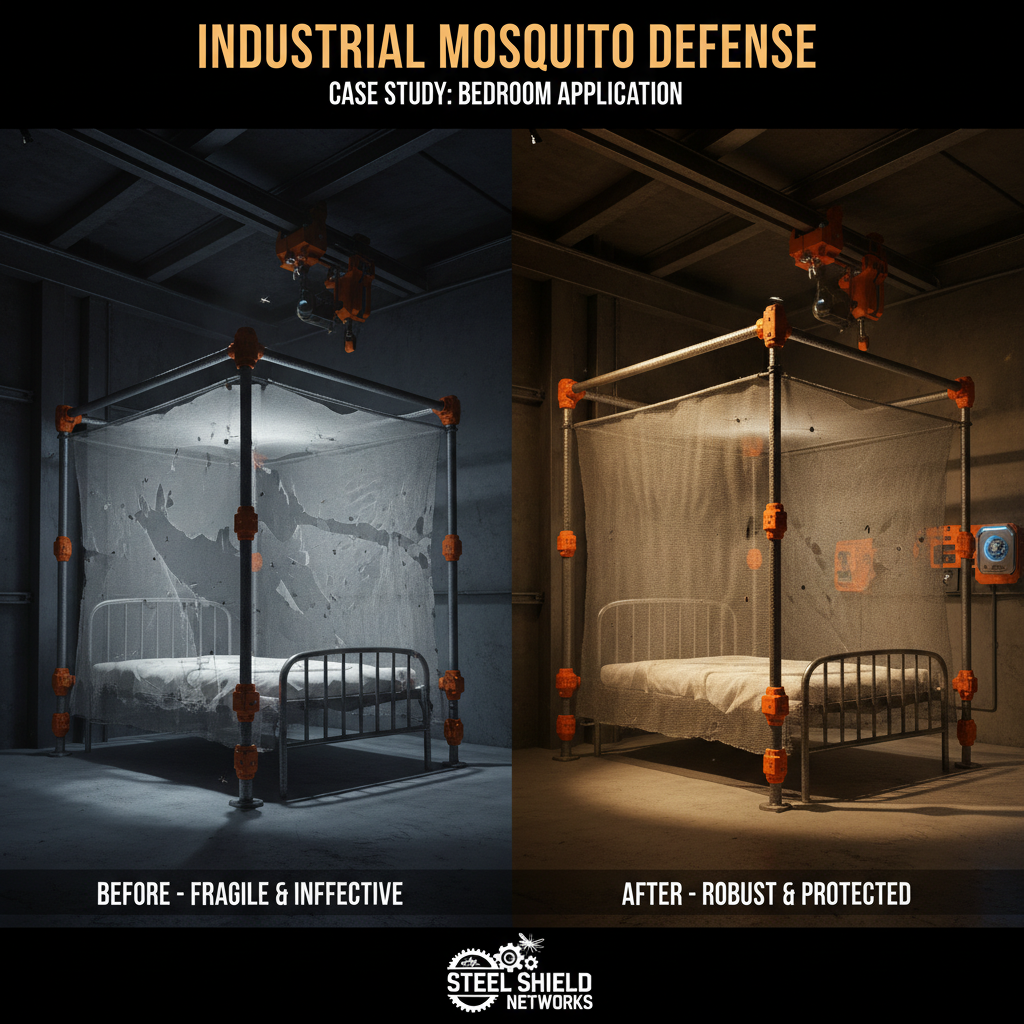
The core function of a bed with mosquito canopy is to create a physical barrier. However, the effectiveness of the canopy is highly dependent on the mesh size, material strength, and proper installation. Smaller mesh sizes are more effective at excluding insects, while durable materials are less prone to tears and damage. Proper hanging and tucking of the netting under the mattress are critical to prevent insects from entering.
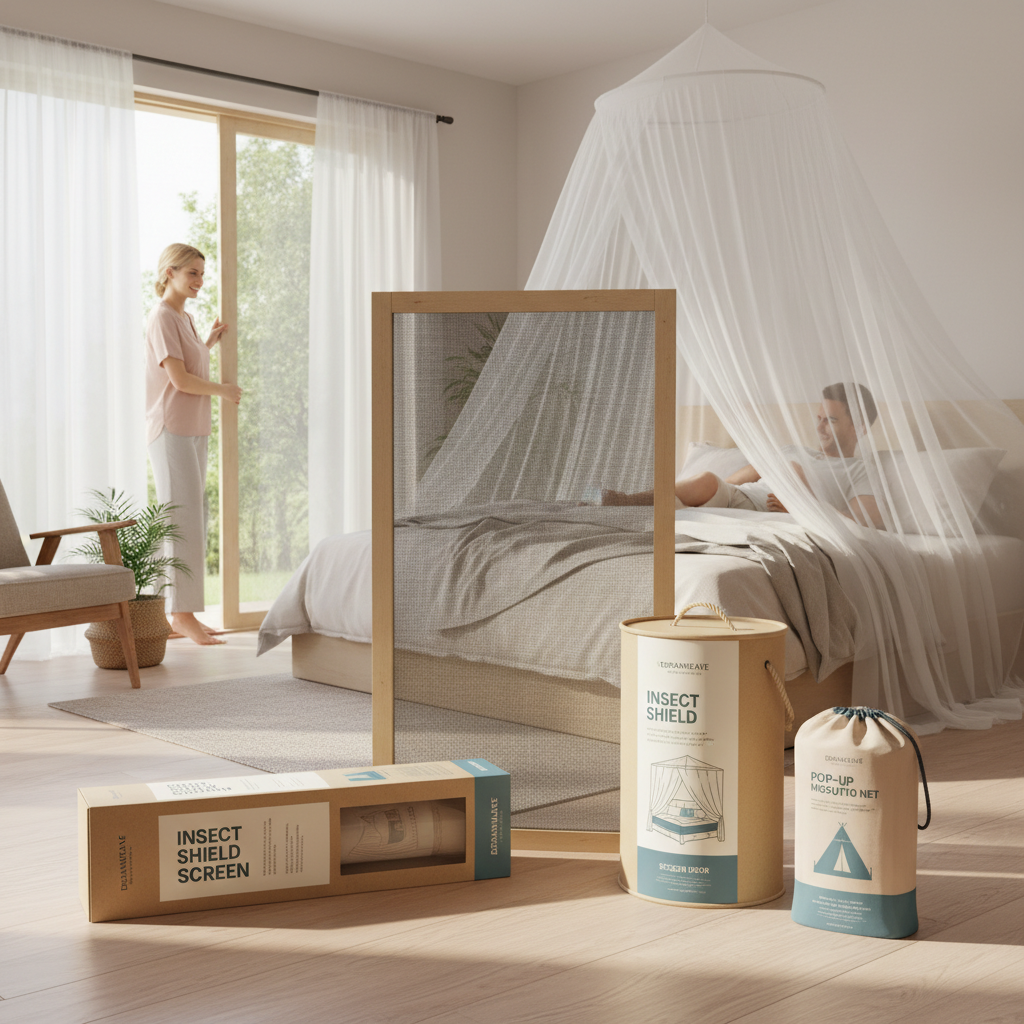
Today, beds with mosquito canopy are found in a wide range of settings, from homes in developing countries to luxury accommodations around the world. Their purpose has evolved beyond purely functional insect protection; they are also valued for their aesthetic appeal and the sense of privacy and comfort they provide. This dual functionality ensures continued demand and fosters innovation in design and materials.
Key Factors in Design and Material Selection
Durability is paramount. The materials used in constructing beds with mosquito canopy must withstand repeated use, washing, and potential wear and tear. Synthetic materials like polyester are often favored for their strength and resistance to degradation, while natural fibers offer breathability and comfort.
Mesh size is a critical determinant of effectiveness. A mesh size of 1.5mm or smaller is generally recommended to prevent mosquitoes from penetrating the netting. The weight and weave of the fabric also impact its ability to resist tears and punctures.
beds with mosquito canopy Design Factor Ratings
Global Applications and Use Cases
In sub-Saharan Africa, beds with mosquito canopy are a critical component of malaria control programs, distributed widely through national health systems and humanitarian organizations. These programs often involve mass distribution campaigns targeting vulnerable populations, alongside education on proper usage and maintenance.
Across Asia, beds with mosquito canopy are frequently used in rural communities where access to healthcare is limited and mosquito-borne diseases are prevalent. Furthermore, in regions experiencing rapid urbanization, they provide an essential layer of protection for those living in informal settlements with inadequate sanitation and mosquito control measures.
Advantages and Long-Term Value
The cost-effectiveness of beds with mosquito canopy is a significant advantage. Compared to other malaria prevention strategies, such as indoor residual spraying, they represent a relatively low-cost intervention with a high impact on public health. The long-term economic benefits resulting from reduced healthcare costs and increased productivity further enhance their value.
From a social impact perspective, beds with mosquito canopy empower individuals and communities to take control of their health. They promote a sense of security and dignity, especially for vulnerable groups like children and pregnant women. The provision of these nets also reflects a commitment to social equity and improved quality of life.
The reliability of this simple yet effective technology is a core strength. When properly maintained, beds with mosquito canopy can provide years of protection against mosquito bites, offering a sustainable solution for disease prevention in resource-limited settings.
Future Trends and Innovations
Research and development efforts are focused on enhancing the durability and insecticide resistance of bed nets. Combining traditional netting materials with long-lasting insecticidal treatments (LLINs) remains a key area of innovation, aiming to extend the protective lifespan of the nets and reduce the reliance on repeated insecticide applications.
Digital technologies are also playing a role, with initiatives utilizing mobile apps and data analytics to track net distribution, monitor usage patterns, and identify areas where interventions are most needed. These data-driven approaches enable more targeted and effective mosquito control programs.
Sustainability is another growing trend, with exploration of biodegradable materials and eco-friendly manufacturing processes to minimize the environmental impact of bed net production and disposal. This aligns with broader global efforts to promote responsible consumption and reduce waste.
Summary of Future Trends in beds with mosquito canopy
| Innovation Area |
Current Status |
Potential Impact |
Implementation Challenges |
| LLIN Development |
Advanced insecticide formulations |
Increased protection lifespan |
Insecticide resistance |
| Digital Tracking Systems |
Mobile app-based monitoring |
Targeted distribution |
Data privacy concerns |
| Biodegradable Materials |
Research on plant-based fibers |
Reduced environmental impact |
Cost and durability |
| Smart Nets with Sensors |
Prototype nets with insect detection |
Real-time monitoring of mosquito activity |
Power requirements and cost |
| Community-Based Manufacturing |
Local production initiatives |
Economic empowerment |
Quality control and scalability |
| AI-Powered Distribution |
Algorithms for optimized delivery |
Reduced logistical costs |
Data accuracy and accessibility |
FAQS
Beds with mosquito canopy are highly effective when used correctly, offering a significant reduction in mosquito bites and the risk of mosquito-borne diseases. While not a standalone solution, they complement other methods like insecticide-treated nets (ITNs) and indoor residual spraying (IRS). Studies show that consistent use of beds with mosquito canopy can reduce malaria incidence by as much as 50-60%, making them a crucial component of integrated vector management strategies. The effectiveness depends on factors like mesh size, material durability, and proper installation and maintenance.
The lifespan of a bed with mosquito canopy varies depending on the material and usage, but generally ranges from 3 to 5 years with proper care. Regular washing with mild soap and water is essential to remove dust and debris, which can clog the mesh and reduce its effectiveness. Avoid using harsh chemicals or abrasive cleaners. Regularly inspect the canopy for holes or tears and repair them promptly. Store the canopy in a dry, cool place when not in use to prevent deterioration.
Yes, beds with mosquito canopy are generally safe for babies and young children when used correctly. Ensure the netting is securely tucked under the mattress to prevent infants from becoming entangled. Choose canopies made from breathable materials to prevent overheating. Avoid using canopies with small parts that could pose a choking hazard. It’s also important to ensure proper ventilation around the canopy to maintain air circulation.
Historically, cotton and linen were used, but modern beds with mosquito canopy increasingly utilize synthetic materials like polyester and polyethylene. Polyester is popular due to its strength, durability, and affordability. Polyethylene offers excellent resistance to UV degradation. Long-lasting insecticidal treated nets (LLINs) often incorporate a combination of polyester and insecticide to provide extended protection against mosquitoes. The choice of material depends on factors like cost, durability, and desired level of insecticide treatment.
Proper installation is crucial for effectiveness. Ensure the canopy is large enough to completely enclose the bed, with ample netting to tuck securely under the mattress on all sides. Avoid gaps or openings where mosquitoes could enter. Hang the canopy securely from a strong support structure, ensuring it doesn't sag or touch the sleeper. Regularly check for tears or holes and repair them promptly. Following these guidelines will maximize the protective benefits of the bed with mosquito canopy.
High-quality beds with mosquito canopy are available from various sources, including online retailers, humanitarian organizations, and specialized mosquito control suppliers. When purchasing, look for canopies that meet WHO or national standards for mesh size and durability. Reputable suppliers will provide information on material composition, insecticide treatment (if applicable), and installation instructions. You can find a wide selection and detailed information at beds with mosquito canopy.
Conclusion
Beds with mosquito canopy represent a powerful and cost-effective tool in the fight against mosquito-borne diseases. From their historical roots as simple protective barriers to their modern iterations incorporating advanced materials and insecticide treatments, these canopies continue to play a vital role in safeguarding public health, particularly in vulnerable communities. Their widespread adoption requires a multi-faceted approach, including addressing logistical challenges, promoting community engagement, and fostering innovation in design and manufacturing.
Looking ahead, continued research and development focusing on durability, insecticide resistance, and sustainability will be crucial. Embracing digital technologies for improved distribution and monitoring, alongside community-based manufacturing initiatives, can further enhance the impact of beds with mosquito canopy. To learn more about our range of protective solutions, including high-quality beds with mosquito canopy, visit our website: www.crscreen.com.