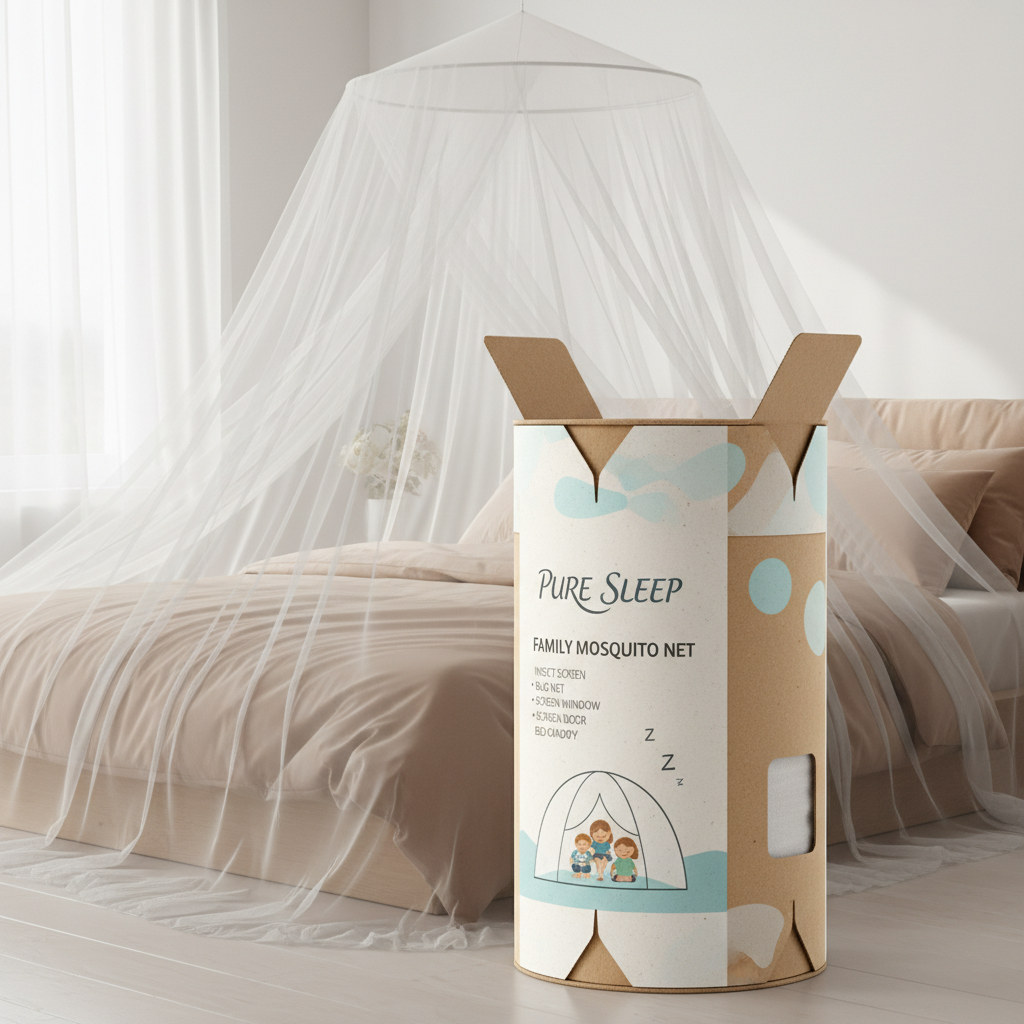
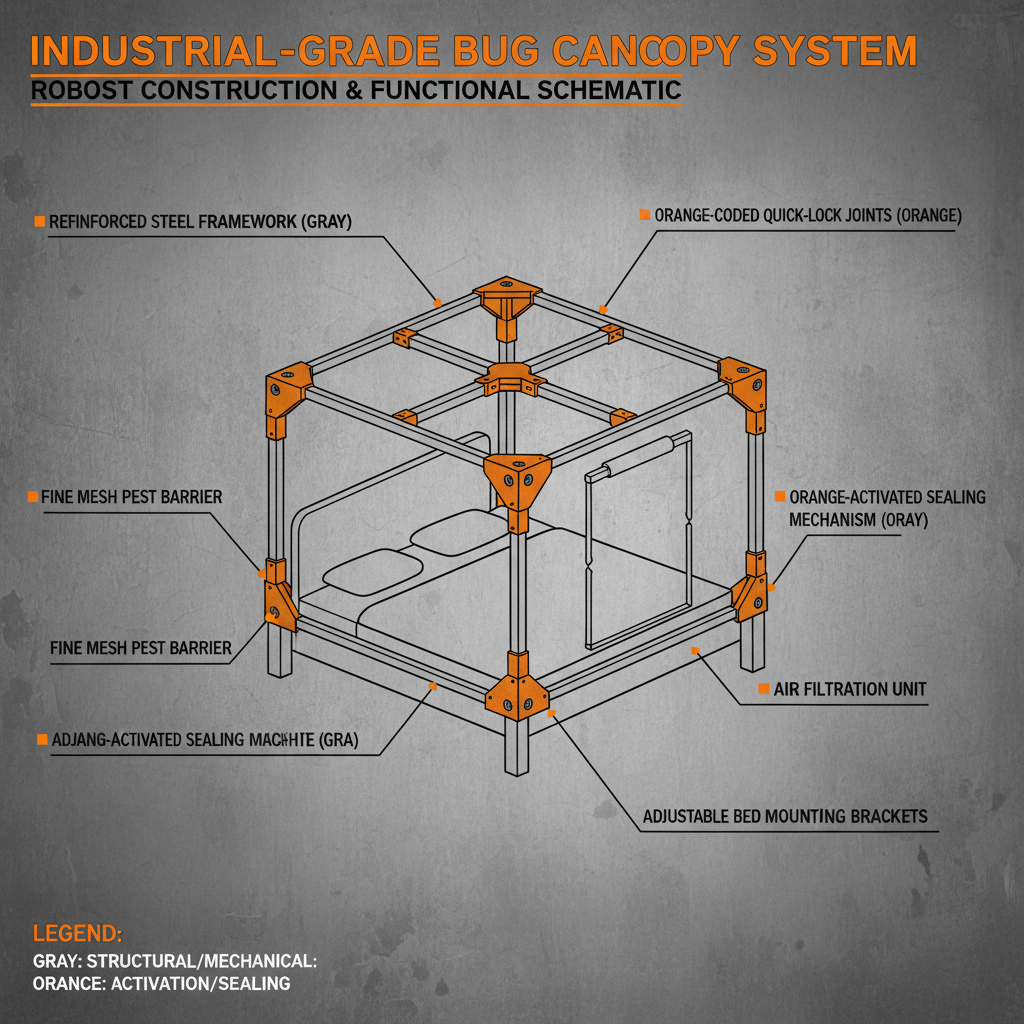
The pervasive threat of vector-borne diseases, particularly those transmitted by bed mosquito, necessitates innovative and effective prevention strategies. Globally, mosquito-borne illnesses like malaria, dengue fever, and Zika virus pose significant public health challenges, impacting millions annually. Understanding the intricacies of bed mosquito behavior and developing robust control methods are critical for safeguarding vulnerable populations and promoting global well-being. This comprehensive overview will explore the nature of bed mosquito, its applications, benefits, and future trends.
The economic burden of bed mosquito-related diseases is substantial, particularly in developing countries where healthcare infrastructure may be limited. Beyond the direct healthcare costs, lost productivity due to illness, and the expenses associated with disease control programs contribute to a significant economic strain. Implementing effective bed mosquito prevention measures is, therefore, not only a public health imperative but also a sound economic investment. bed mosquito control is a crucial area of focus.
Modern advancements in materials science, biotechnology, and data analytics are driving a new era of bed mosquito prevention. From innovative mosquito nets and repellents to sophisticated surveillance systems and targeted interventions, a range of solutions are emerging to address this complex challenge. This detailed exploration will delve into the cutting-edge technologies and strategies shaping the future of bed mosquito control and creating healthier, safer environments for all.
The Global Relevance of bed mosquito
The global impact of bed mosquito extends far beyond mere nuisance bites. According to the World Health Organization (WHO), mosquito-borne diseases cause over 700,000 deaths annually, with malaria being a leading cause of mortality, especially among children in sub-Saharan Africa. The economic consequences are equally significant, impacting tourism, agriculture, and healthcare systems worldwide. The need for innovative bed mosquito control strategies is underscored by the increasing prevalence of insecticide resistance and the emergence of new vector-borne pathogens.
Climate change is exacerbating the problem by expanding the geographic range of various bed mosquito species, exposing previously unaffected populations to the risk of disease. Rising temperatures and altered rainfall patterns create more favorable breeding conditions, leading to larger mosquito populations and increased transmission rates. Proactive measures, including robust surveillance systems and targeted interventions, are essential to mitigate the escalating threat posed by bed mosquito.
Defining the bed mosquito
The term “bed mosquito” broadly refers to mosquito species that exhibit a preference for feeding on humans while they are indoors, particularly at night. While several mosquito species can enter homes, those commonly labeled as bed mosquito, such as those belonging to the Culex and Anopheles genera, demonstrate a marked anthropophilic (human-loving) tendency. These mosquitoes often breed in close proximity to human dwellings, utilizing sources like stagnant water in containers, drains, and improperly maintained septic systems.
Understanding the specific behaviors and breeding habits of local bed mosquito populations is crucial for developing effective control strategies. Different species exhibit varying levels of aggressiveness, host preference, and susceptibility to insecticides. Accurate identification of the prevalent species is, therefore, a fundamental step in implementing targeted interventions that maximize impact and minimize environmental harm. bed mosquito nets are essential tools.
This intimate association with human environments underscores the importance of integrated vector management (IVM) strategies that encompass environmental modifications, larval control, adult mosquito control, and personal protection measures. A holistic approach, tailored to the specific ecological and epidemiological context, is vital for achieving sustainable bed mosquito control and protecting public health.
Key Characteristics of bed mosquito
One defining characteristic of bed mosquito is their crepuscular and nocturnal activity patterns. They are most active during the evening and night hours, seeking out hosts while people are asleep. This behavior influences the timing of mosquito bites and the effectiveness of various control measures. Understanding the peak biting times allows for targeted insecticide spraying or the strategic use of mosquito repellents during periods of highest risk.
Another key aspect is their ability to readily adapt to indoor environments. Bed mosquito often rest on walls, ceilings, and other indoor surfaces, making them more accessible to insecticides. However, this also contributes to the development of insecticide resistance over time, necessitating the rotation of different insecticide classes and the implementation of alternative control methods.
Furthermore, bed mosquito demonstrate a remarkable ability to detect and respond to human cues, such as carbon dioxide exhaled during breathing, body odor, and heat. These cues guide them to potential hosts, influencing their host-seeking behavior and enhancing their transmission efficiency. Utilizing this understanding helps in developing effective mosquito traps and repellents.
Bed mosquito Control Methods and Efficacy
A range of control methods are employed to combat bed mosquito populations, each with varying degrees of efficacy. Insecticide-treated nets (ITNs) remain a cornerstone of malaria prevention, providing a physical barrier against mosquito bites and delivering a lethal dose of insecticide. However, the increasing prevalence of insecticide resistance necessitates the development of novel ITNs incorporating synergistic compounds or alternative insecticides.
Larval control strategies, such as source reduction (eliminating breeding sites) and the use of larvicides, can effectively reduce mosquito populations before they reach the adult stage. Biological control methods, employing natural predators of mosquito larvae like Gambusia fish, offer a sustainable and environmentally friendly alternative to chemical insecticides.
Efficacy of Different bed mosquito Control Methods
Global Applications of bed mosquito Prevention
In sub-Saharan Africa, large-scale distribution of ITNs has been instrumental in reducing malaria incidence and mortality rates. However, maintaining coverage and addressing insecticide resistance remain significant challenges. Ongoing research focuses on developing long-lasting insecticidal nets (LLINs) with improved efficacy and durability.
In Southeast Asia, where dengue fever is a major public health concern, integrated vector management programs combine larval control, adult mosquito control, and public awareness campaigns. Community participation is crucial for identifying and eliminating mosquito breeding sites, as well as promoting the use of personal protection measures.
Advantages of Effective bed mosquito Management
Effective bed mosquito management yields substantial benefits, spanning public health, economic prosperity, and social well-being. Reducing the incidence of mosquito-borne diseases alleviates the burden on healthcare systems, freeing up resources for other essential services. Improved health outcomes translate to increased productivity, enhanced economic growth, and reduced poverty.
Beyond the tangible economic benefits, controlling bed mosquito contributes to a greater sense of security and peace of mind for communities. Protecting families from the threat of mosquito-borne illnesses enhances their quality of life and promotes social stability. This is especially critical in vulnerable populations, where the impact of disease can be particularly devastating.
Investing in bed mosquito control also fosters innovation and technological advancements in vector management, leading to the development of more effective, sustainable, and environmentally friendly solutions. These advancements benefit not only public health but also the broader scientific community.
Future Trends in bed mosquito Research
The future of bed mosquito control lies in embracing innovative technologies and adopting a more proactive, data-driven approach. Genome editing techniques, such as CRISPR-Cas9, hold promise for developing genetically modified mosquitoes that are resistant to disease transmission or incapable of reproduction. However, ethical considerations and potential ecological impacts must be carefully evaluated before widespread implementation.
Artificial intelligence (AI) and machine learning (ML) are being increasingly utilized to analyze mosquito surveillance data, predict outbreaks, and optimize control strategies. AI-powered mosquito traps can identify and capture mosquitoes based on their species and sex, providing valuable insights into population dynamics and transmission patterns. bed mosquito monitoring is improving.
The development of novel mosquito repellents with longer-lasting efficacy and broader spectrum activity is also a key area of research. Nanotechnology offers the potential to create microencapsulated repellents that release their active ingredients slowly over time, providing extended protection against mosquito bites.
Overview of Future Bed Mosquito Research Areas
| Research Area |
Potential Impact |
Current Progress |
Challenges |
| Genetic Modification |
Disease transmission reduction/population control |
Lab studies showing promising results |
Ethical concerns, ecological impact |
| AI-Driven Surveillance |
Outbreak prediction, targeted intervention |
Development of predictive models |
Data quality, algorithm accuracy |
| Nanotechnology Repellents |
Extended protection, broader spectrum |
Microencapsulation techniques being refined |
Safety, scalability |
| Wolbachia-Infected Mosquitoes |
Reduced disease transmission |
Field trials underway in several countries |
Establishment success, long-term stability |
| New Insecticide Classes |
Overcoming insecticide resistance |
Discovery of novel compounds |
Development time, cost |
| Community-Based Surveillance |
Early detection of outbreaks |
Mobile app development for reporting |
Data verification, community engagement |
FAQS
The most effective prevention strategy is a multi-faceted approach. This includes using insecticide-treated nets (ITNs) while sleeping, applying insect repellent containing DEET, picaridin, or oil of lemon eucalyptus to exposed skin, wearing long sleeves and pants, and eliminating standing water around your home, as these serve as breeding grounds for bed mosquito. Combining these methods provides the best protection.
ITNs should be cleaned regularly, ideally every 6-12 months, to remove dust and debris. Avoid harsh detergents or bleach, as these can damage the insecticide treatment. The lifespan of an ITN typically ranges from 3-5 years, depending on usage and maintenance. After this period, the insecticide may lose its effectiveness, and the net should be replaced. bed mosquito nets require replacement.
No, not all repellents are equally effective. Repellents containing DEET, picaridin, IR3535, and oil of lemon eucalyptus are generally considered to be the most effective. The concentration of the active ingredient influences the duration of protection; higher concentrations provide longer-lasting protection. Always follow the instructions on the product label and choose a repellent appropriate for your needs.
Regularly inspect your property for standing water, which serves as breeding grounds for bed mosquito. Empty and scrub birdbaths, flower pots, tires, and other containers that collect water. Ensure gutters are clean and properly draining. Cover water storage containers tightly. Consider using mosquito dunks containing Bacillus thuringiensis israelensis (Bti) in standing water sources that cannot be emptied.
Bed mosquito bites can transmit a range of diseases, including malaria, dengue fever, Zika virus, West Nile virus, and chikungunya. Symptoms can vary depending on the disease, but may include fever, headache, muscle aches, joint pain, rash, and fatigue. In severe cases, these diseases can lead to serious complications and even death. Seek medical attention if you experience any of these symptoms after a mosquito bite.
While not as effective as chemical repellents, certain natural remedies can offer some degree of protection. Planting mosquito-repelling plants like citronella, lavender, and rosemary around your home may help. Burning citronella candles or using essential oil diffusers with mosquito-repelling oils can also provide some relief. However, these methods typically require frequent reapplication and may not be sufficient in areas with high mosquito populations.
Conclusion
In conclusion, effective bed mosquito control is paramount for safeguarding public health, bolstering economic stability, and enhancing overall well-being. A comprehensive strategy incorporating environmental management, larval control, adult mosquito control, and personal protection measures is essential for achieving sustainable results. Continuous research and innovation are crucial for developing new tools and strategies to combat insecticide resistance and address the evolving threat posed by bed mosquito.
Looking ahead, a proactive and integrated approach, leveraging cutting-edge technologies and fostering community engagement, will be vital for minimizing the burden of bed mosquito-borne diseases. Investing in research, strengthening surveillance systems, and promoting public awareness are key steps towards creating a future where communities can thrive without the constant threat of these vectors. For more information and effective solutions, visit our website: www.crscreen.com.