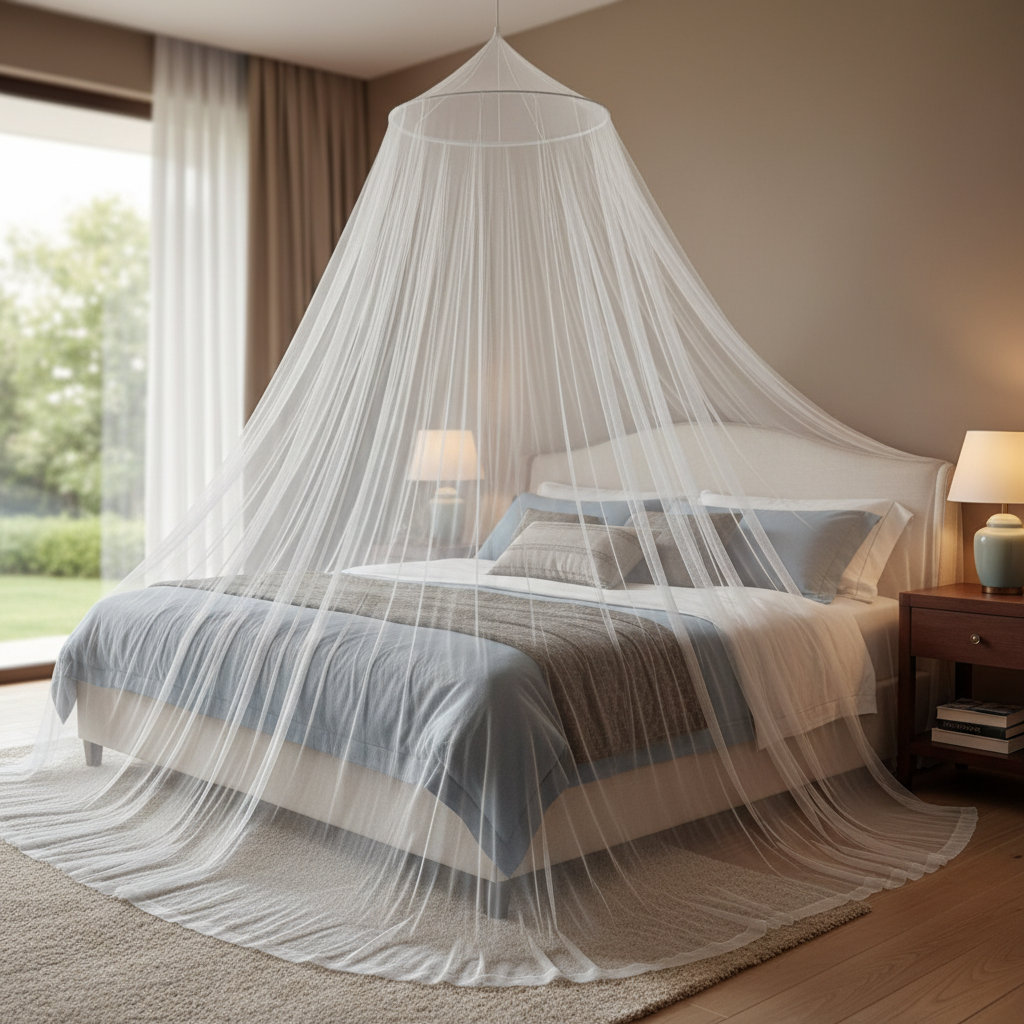
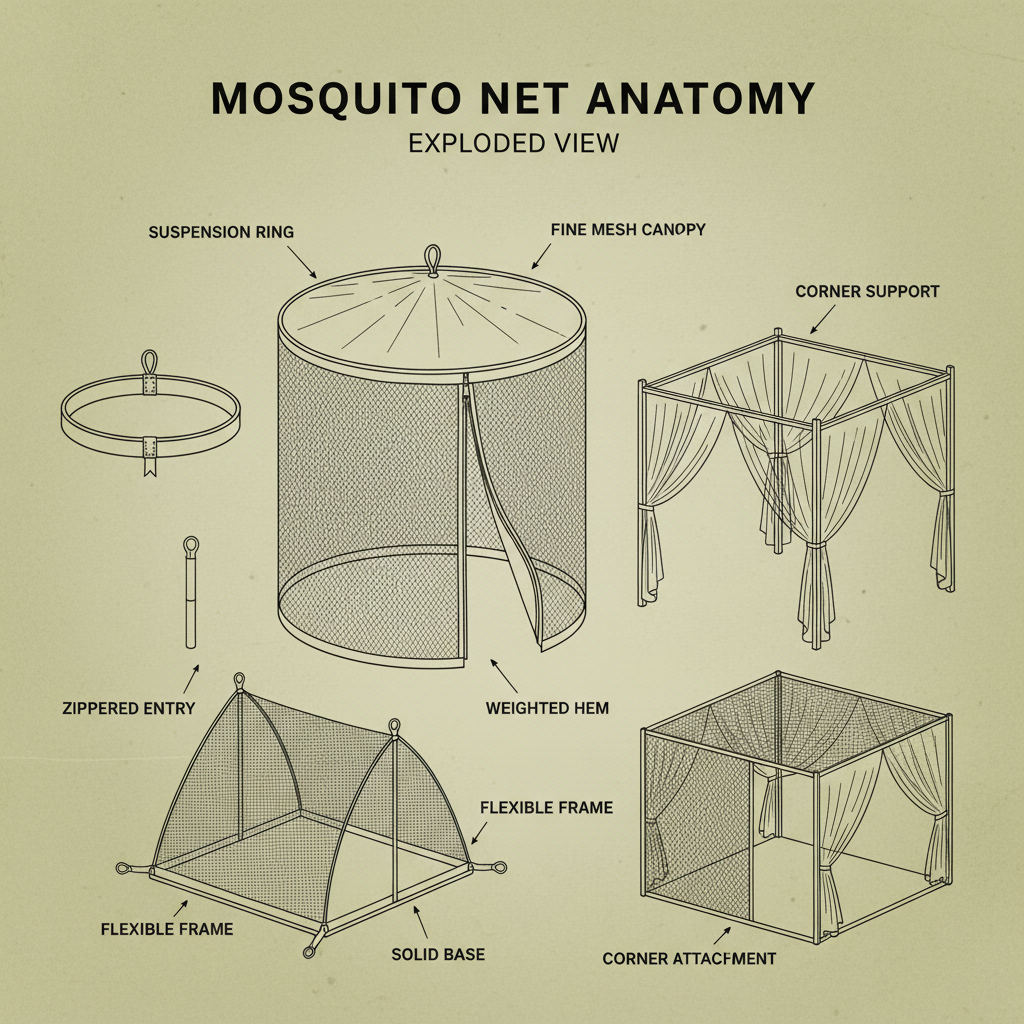
You know, I’ve been running around construction sites for fifteen years, and frankly, things are changing fast. Everyone's talking about prefabrication now, off-site construction…it's the buzz. Used to be, you’d show up with blueprints and a crew and build everything from scratch. Now? It’s about modules, components, getting stuff delivered ready to assemble. And with that comes a huge demand for reliable bulk mosquito netting – not just for protecting the workers on site, mind you, but also for sealing up those pre-fab structures before shipping. It’s more than just keeping bugs out, it’s about maintaining a clean environment during construction.
And it's not just construction, either. I saw a huge push for it during the humanitarian efforts after the floods in Pakistan last year. Honestly, the sheer volume needed… that’s where bulk mosquito netting really proves its worth. It’s not about a few rolls for a house, it’s pallets and pallets for entire camps.
It’s funny, you start thinking about something as simple as mosquito netting, and it ends up being a critical part of the whole supply chain. We're talking about not just preventing disease, but also protecting materials, maintaining quality control…the ripple effect is surprisingly large.
The Growing Demand for Bulk Mosquito Netting
To be honest, the demand's exploded in the last five years. It's not just humanitarian aid anymore, although that’s still a huge part of it. We’re seeing more and more construction companies using it for dust control, insect barriers during the build, and even temporary containment areas. They're realizing it’s cheaper and faster than building temporary structures. It's also increasingly popular in agricultural settings – protecting crops from pests.
And it’s not just about the quantity, it’s about the consistency. You can’t afford to have netting that rips or fails midway through a project. You need something reliable, something that holds up to the conditions. I was at a factory in Vietnam last year, and they were throwing out entire shipments because the netting couldn't handle the humidity. It was a disaster.
Defining Quality: It’s Not Just About Mesh Size
People get hung up on the mesh size, thinking smaller is always better. And yeah, smaller mesh keeps out more bugs. But it also means less airflow, which can lead to condensation and, honestly, a whole other set of problems. Have you noticed how a really tightly woven net feels…stuffy? It's the same principle. You gotta balance protection with ventilation.
Then there's the material itself. Polyester’s the most common, but you see nylon and polyethylene popping up too. Polyester’s good for general use, decent UV resistance. Nylon’s stronger, more durable, but it’s also more expensive. Polyethylene? That's your budget option, but it degrades faster in the sun. It really depends on what you’re using it for.
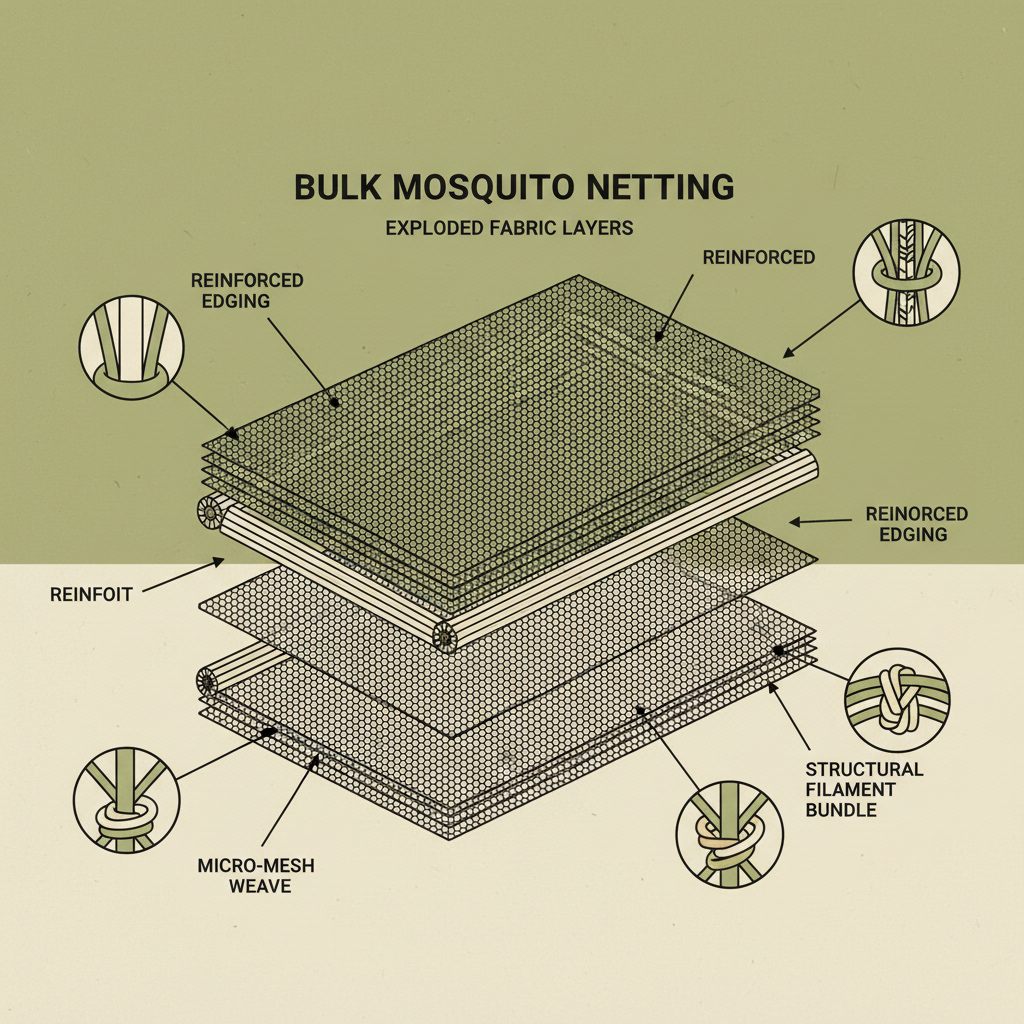
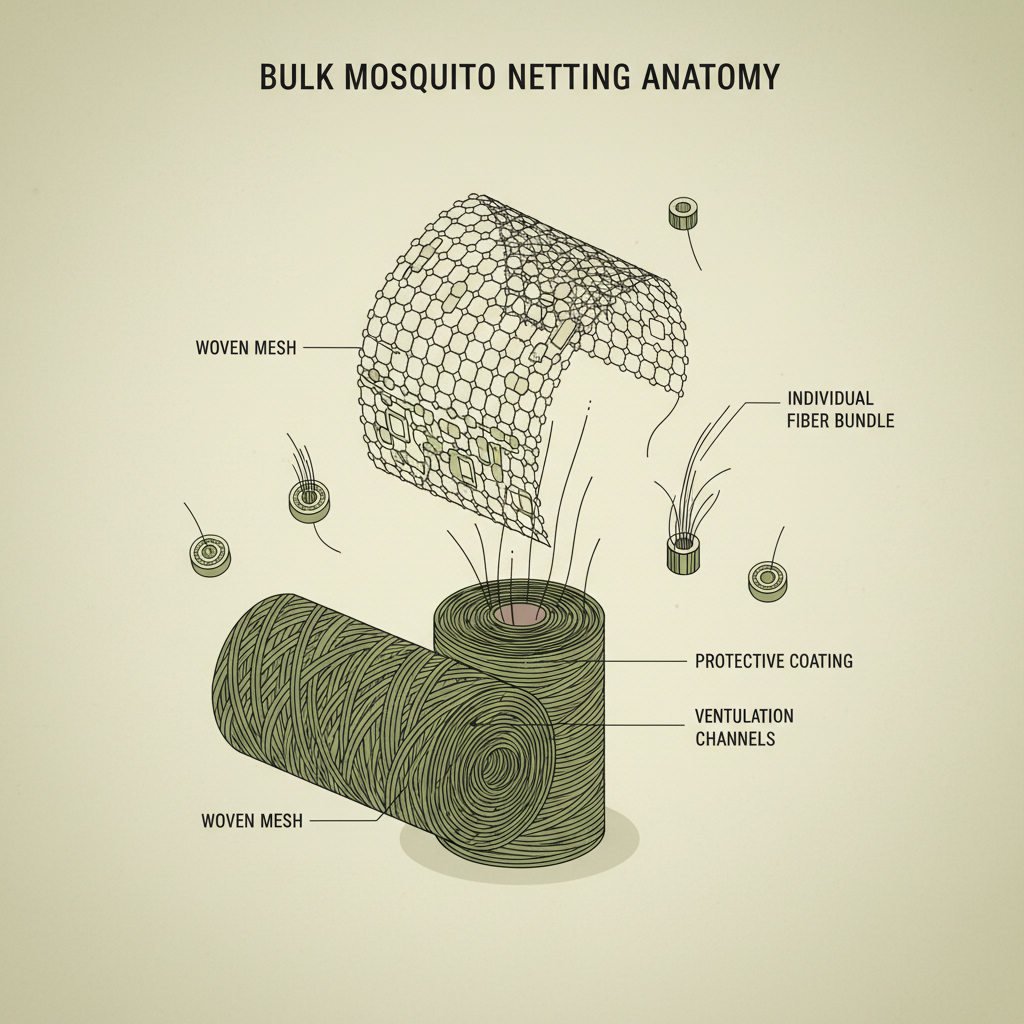
Strangely enough, the coating matters just as much as the weave. Some coatings add UV protection, others increase water resistance, and some are treated with insecticides. It's a whole science.
Key Factors for Selecting Bulk Mosquito Netting
Durability is number one, hands down. You want something that can withstand handling, transport, and exposure to the elements. I've seen netting that tears just from being unrolled! And that’s a waste of time and money.
Scalability is huge too. Can the supplier handle a large order? Do they have the logistics in place to deliver it on time? I once worked on a project where we needed 50,000 square meters of netting delivered within a week. It was a nightmare finding a supplier who could actually do it.
Cost, of course, is always a factor. But you have to remember, cheapest isn’t always best. Sometimes paying a little extra for quality can save you a lot of headaches down the line. And don’t forget to factor in shipping costs – those can add up quickly.
Real-World Applications: From Construction to Disaster Relief
Like I said, construction is a big one. It's used to enclose work areas, prevent debris from spreading, and keep out pests. In post-disaster relief operations, it’s essential for setting up temporary shelters and preventing the spread of disease. I was in Nepal after the earthquake a few years ago, and you couldn’t walk a block without seeing it.
It's also increasingly used in agriculture, protecting crops from insects and birds. And it’s finding its way into the food processing industry, providing a sanitary barrier during production. I even saw a company using it to create temporary greenhouses. People are getting creative with it.
Bulk Mosquito Netting Application Breakdown
Advantages and the Unexpected Drawbacks
The advantages are pretty obvious: cost-effective, lightweight, easy to install. It’s a quick and dirty solution for a lot of problems. But there are drawbacks. It’s not particularly durable, and it can be easily damaged. And honestly, the smell can be…interesting. Some of that treated netting smells like a chemical factory.
Anyway, I think it’s still a valuable tool, especially when you consider the alternative. Building a permanent structure for temporary containment? That’s just not feasible in a lot of situations.
Material Science: What’s Actually Making the Netting?
Most of it is polyester, like I said. Feels kinda slick, almost like…well, cheap plastic, honestly. You can smell it a mile away. But it's relatively strong and holds up okay in the sun.
Nylon is different. Feels smoother, a bit more luxurious, if you can call mosquito netting luxurious. It’s a lot tougher, but it's also more prone to stretching. And polyethylene... that stuff feels crinkly and cheap. It breaks down fast. You can tell the quality just by how it feels in your hands.
Testing & Customization: Beyond the Lab
Lab tests are fine, but they don't tell the whole story. You need to see how it holds up in real-world conditions. I once had a supplier send me a sample that passed all the lab tests, but it ripped the first time I tried to stretch it over a frame.
I always tell my guys to do a simple tear test, just pull on it and see how it feels. And don’t be afraid to get it dirty. Throw some dust on it, spray it with water, see how it reacts. That’s the best way to tell if it’s going to work.
Customization is usually pretty straightforward. You can get different sizes, colors, and coatings. Last month, a small boss in Shenzhen who makes smart home devices insisted on changing the interface to for some reason, and the result was a complete mess. It added cost and complexity for no real benefit. But that’s customization for you – sometimes people just want something different.
Key Testing Parameters for Bulk Mosquito Netting
| Test Parameter |
Testing Method |
Scoring (1-10) |
Pass/Fail Criteria |
| Tensile Strength |
Controlled stretching test to breaking point |
8 |
Minimum 7kg force required |
| UV Resistance |
Extended exposure to simulated sunlight |
6 |
Less than 10% degradation after 500 hours |
| Mesh Density |
Counting threads per square inch |
9 |
Minimum 150 threads/inch |
| Water Repellency |
Spray test with standardized water volume |
7 |
Water beads up and rolls off surface |
| Flammability |
Flame exposure test (short duration) |
5 |
Self-extinguishing within 3 seconds |
| Chemical Resistance |
Exposure to common construction chemicals |
6 |
No significant degradation or discoloration |
FAQS
Honestly, it depends on the supplier. Most will have a minimum, usually around 5000 square meters, but it varies. Some will work with you on smaller orders if you’re willing to pay a premium. The bigger the order, the better the price, obviously. I recommend getting quotes from multiple suppliers to compare.
Lead times are all over the place these days. Generally, you’re looking at 4-8 weeks, depending on the size of the order and where it’s coming from. But with shipping delays and supply chain issues, it can easily take longer. Always factor in extra time, especially if you have a tight deadline. Don't assume everything will run smoothly.
Yes, absolutely. It's becoming more common, especially for construction applications where fire safety is a concern. Just be sure to specify that you need fire retardant treatment when you place your order. It’ll add to the cost, but it’s worth it for peace of mind. And make sure the treatment meets local fire codes.
Keep it dry and out of direct sunlight. Moisture can lead to mildew, and UV exposure will degrade the material over time. Store it in a well-ventilated area, preferably indoors. If you have to store it outside, cover it with a tarp. Simple stuff, but important.
That’s a tough one. Most mosquito netting isn’t easily recyclable, unfortunately. Polyester is technically recyclable, but the process isn’t widely available. It often ends up in landfills. There's a growing interest in developing more sustainable materials and recycling options, but we're not there yet.
HDPE (High-Density Polyethylene) is tougher, more durable, and has better UV resistance than LDPE (Low-Density Polyethylene). LDPE is cheaper and more flexible, but it breaks down faster. Think of it like this: HDPE is for long-term use, LDPE is for temporary applications. The smell is different too. HDPE has a kind of…plasticky smell, while LDPE is almost odorless.
Conclusion
Look, bulk mosquito netting isn't glamorous. It's not going to win any design awards. But it's a fundamentally important product, used in everything from disaster relief to construction. It’s a cost-effective, versatile solution for a wide range of problems. And it’s getting more sophisticated all the time – new materials, new coatings, new applications.
Ultimately, whether this thing works or not, the worker will know the moment he tightens the screw. You can run all the tests you want in a lab, but the real test is out on the job site. That’s where the rubber meets the road – or, in this case, where the netting meets the insects. If you need reliable bulk mosquito netting, visit our website: www.crscreen.com