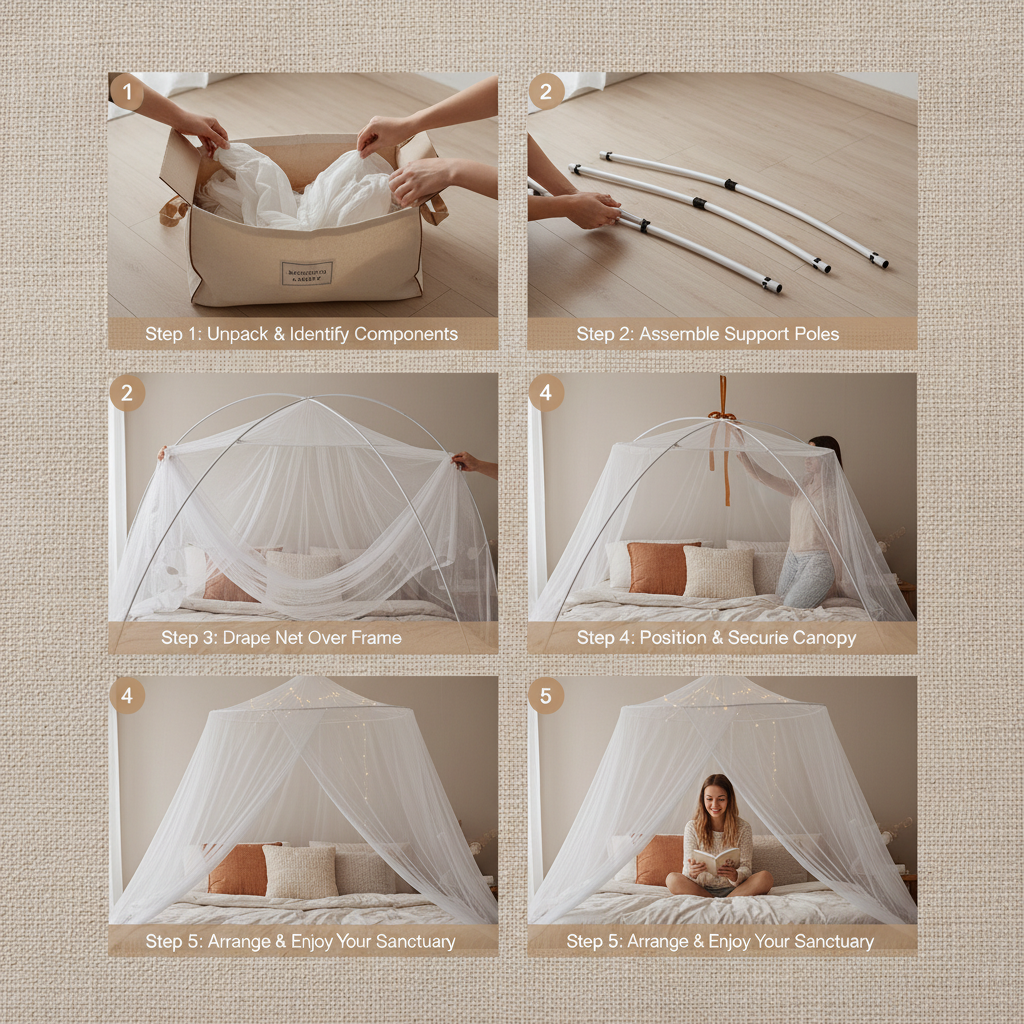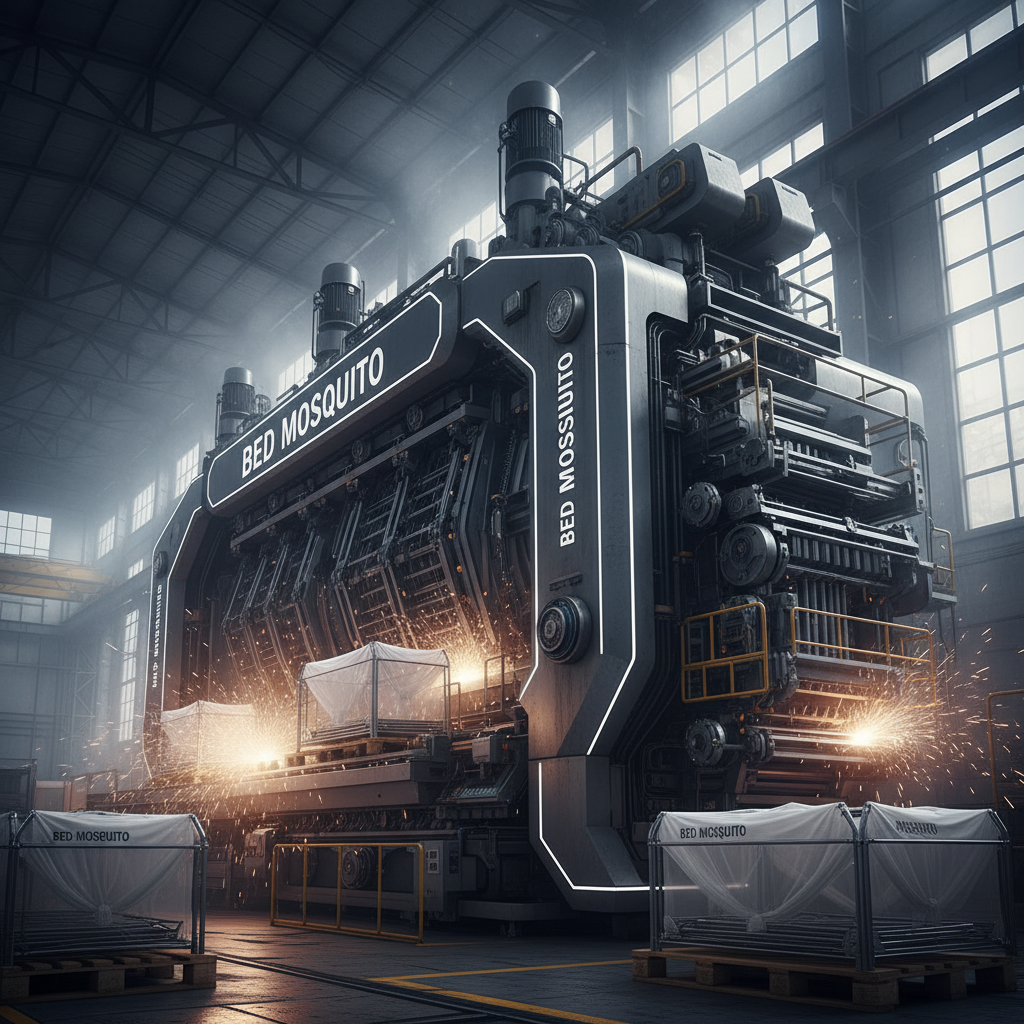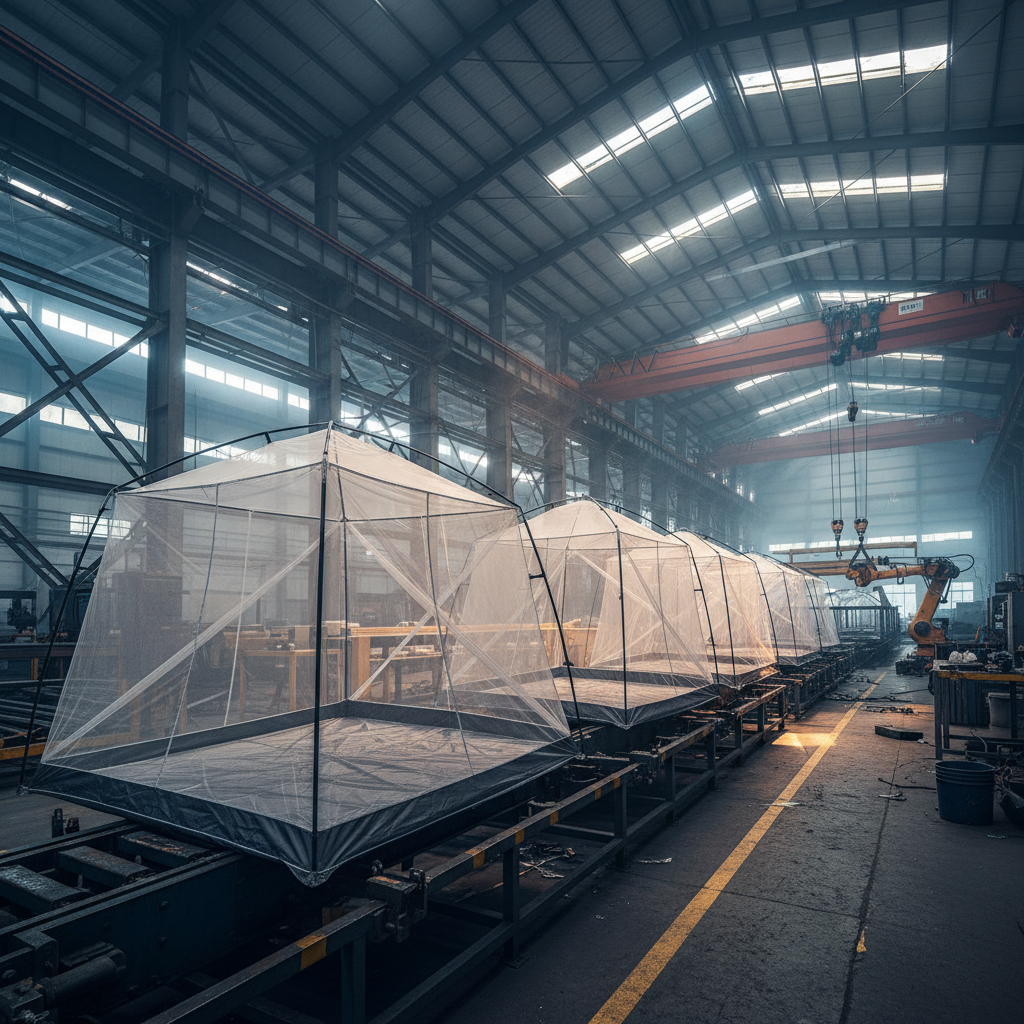
You know, been running around construction sites all year, and let me tell you, the whole industry’s buzzing about prefabrication right now. Everyone’s talking about modular housing, container conversions… it's the hot topic. To be honest, it’s not just hype; it's a real shift. Folks are tired of the old ways, the delays, the cost overruns. They want things faster, cheaper, and with less mess. And frankly, a lot of it comes down to labor shortages. Finding good skilled workers? Forget about it. mosquito nets for sale are a great example of something that has followed this trend to an extent.
But here’s the thing, and I’ve seen this a lot… everybody jumps on the prefabrication bandwagon without thinking through the details. You get these architects designing these beautiful, complex modules, and then the engineers look at it and just… sigh. It's about manufacturability, people! It's not just about looking good on paper. I encountered this at a factory in Jiangsu province last time, a gorgeous design, impossible to actually build efficiently. They hadn’t accounted for the tolerances, the weight distribution, the logistics of getting it all on site.
And it always comes back to materials. We’re seeing a lot more lightweight steel framing, composite panels, and, surprisingly, a resurgence in timber. I mean, real timber, not that cheap stuff. The smell of cedar on a site? Strangely comforting, you know? But you gotta know your wood. Each piece is unique, it moves, it breathes. Plastic, of course, is everywhere. PVC, polypropylene, you name it. It’s durable, cheap, but… it just doesn’t feel right, does it? You can’t get the same kind of rigidity or the same feel with plastic. It’s slippery, and I’ve had guys complain about it smelling weird when it gets hot.
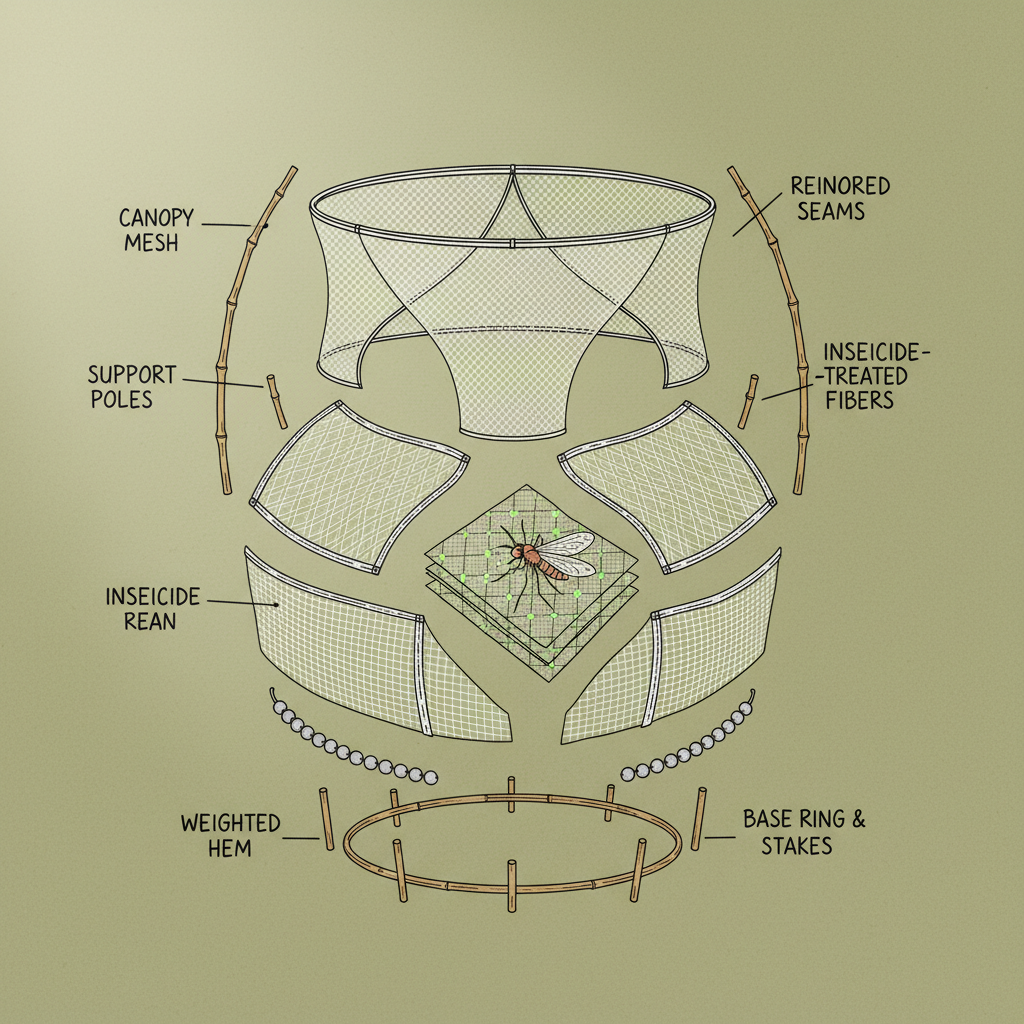
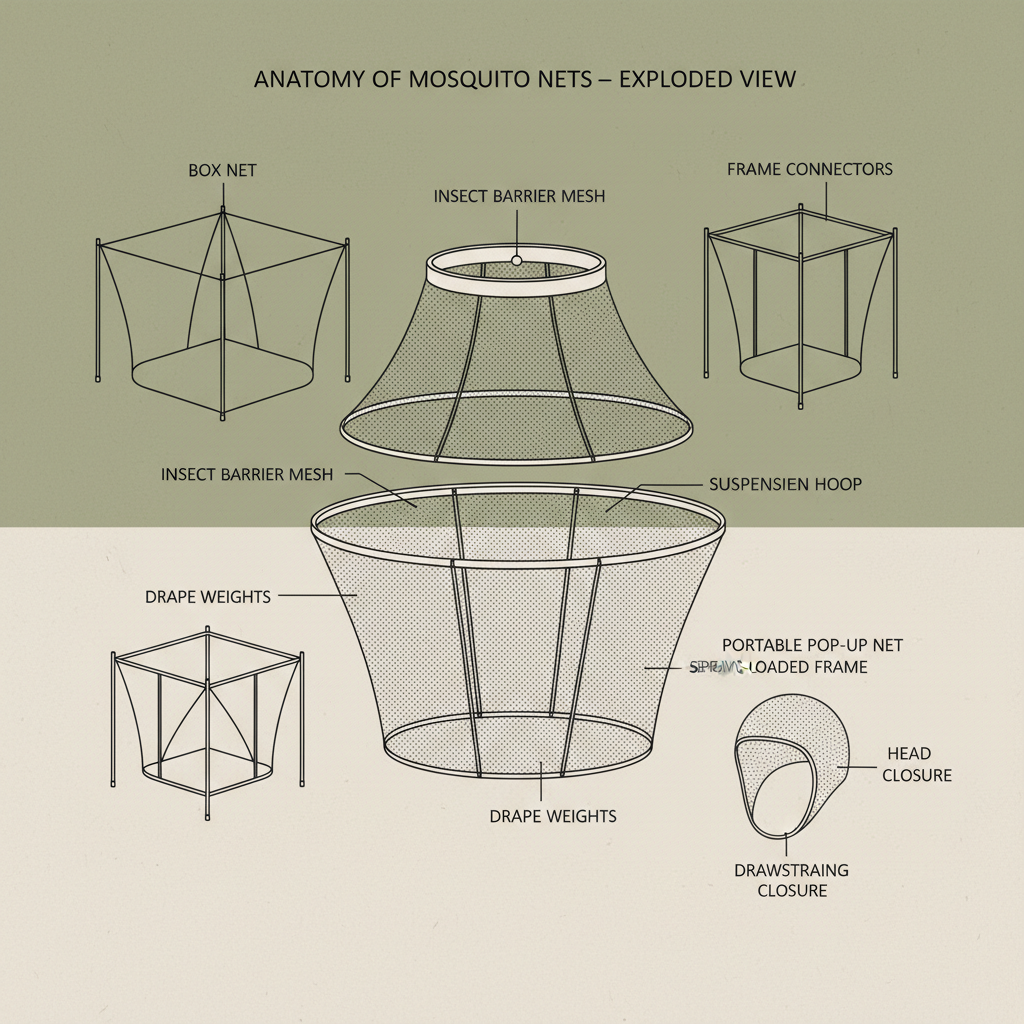
Honestly, the demand is skyrocketing. Not just for disaster relief, although that’s huge, of course. It's also for long-term housing solutions, especially in developing countries. The UN has been pushing for more sustainable and affordable housing, and prefabrication fits the bill. The numbers are pretty stark, actually. Millions are still living in inadequate housing, and the need is only growing with urbanization. And yeah, mosquito nets for sale are being manufactured at incredible rates.
It’s moved beyond just basic shelter, though. People want amenities, they want comfort, they want something that feels like a home. That’s where the design gets tricky. It’s no longer just about slapping together four walls and a roof. It's about creating a livable space that meets the needs of a community.
Getting these modules to off-grid spots is a real headache. Roads are often the biggest problem – unpaved, narrow, or just plain non-existent. You also have to deal with logistical nightmares like coordinating transport, navigating customs, and dealing with potential delays due to weather or political instability. It's not just about the distance, it's about accessibility. You need specialized equipment, experienced drivers, and a lot of patience. Sometimes, you even need to negotiate with local communities for access.
Never trust them blindly. You need someone on the ground, physically inspecting the materials and the manufacturing process. Third-party inspection agencies can help, but nothing beats having your own eyes and ears there. Regular site visits, detailed quality checklists, and clear communication are crucial. I've seen too many companies get burned by assuming everything is going according to plan. Establish clear quality standards before production begins, and hold them accountable.
It depends on the materials and the construction quality, of course. But a well-maintained prefabricated home can easily last 50 years or more. The key is proper maintenance, especially protecting the materials from the elements. Traditional homes have the advantage of being able to be repaired and renovated more easily, but prefabricated homes are getting better in that regard. It’s also worth noting that modern prefab is more durable than many older construction methods.
Fire safety is paramount. You need to use fire-resistant materials, like non-combustible insulation and fire-rated cladding. Proper wiring and electrical systems are also critical. Smoke detectors and fire extinguishers are a must, of course. But beyond that, you need to consider the overall design. Compartmentalization – creating separate fire zones – can help contain a fire and give people time to escape. And local building codes are essential to follow.
Adaptability is key. For hot climates, you need to focus on insulation, ventilation, and shading. For cold climates, you need to prioritize insulation and weatherproofing. For areas prone to earthquakes, you need a strong and flexible foundation. The design needs to consider the local conditions. This is where good engineering and smart material choices come in. The ground itself also influences building methods; foundations vary hugely from desert sand to rocky hills.
It’s huge. Consumers are demanding it, and governments are starting to regulate it. Using sustainably sourced materials reduces the environmental impact of construction and ensures that we’re not depleting natural resources. Think about timber from responsibly managed forests, recycled materials, and low-VOC paints and adhesives. It's not just about being "green"; it's about building a more resilient and sustainable future. It's also good for business – many clients are willing to pay a premium for sustainable buildings.
Ultimately, whether it's quick-erect housing or a fully-fitted module, it all boils down to practicality. The designs, the materials, the logistics – they all have to make sense on the ground. It's easy to get caught up in the latest trends and technologies, but you can't forget the fundamentals. You need to build something that is durable, affordable, and meets the needs of the people who are going to live in it.
I reckon the future of construction is definitely leaning towards prefabrication, but it's not a silver bullet. It requires careful planning, meticulous execution, and a healthy dose of common sense. And remember: Ultimately, whether this thing works or not, the worker will know the moment he tightens the screw.