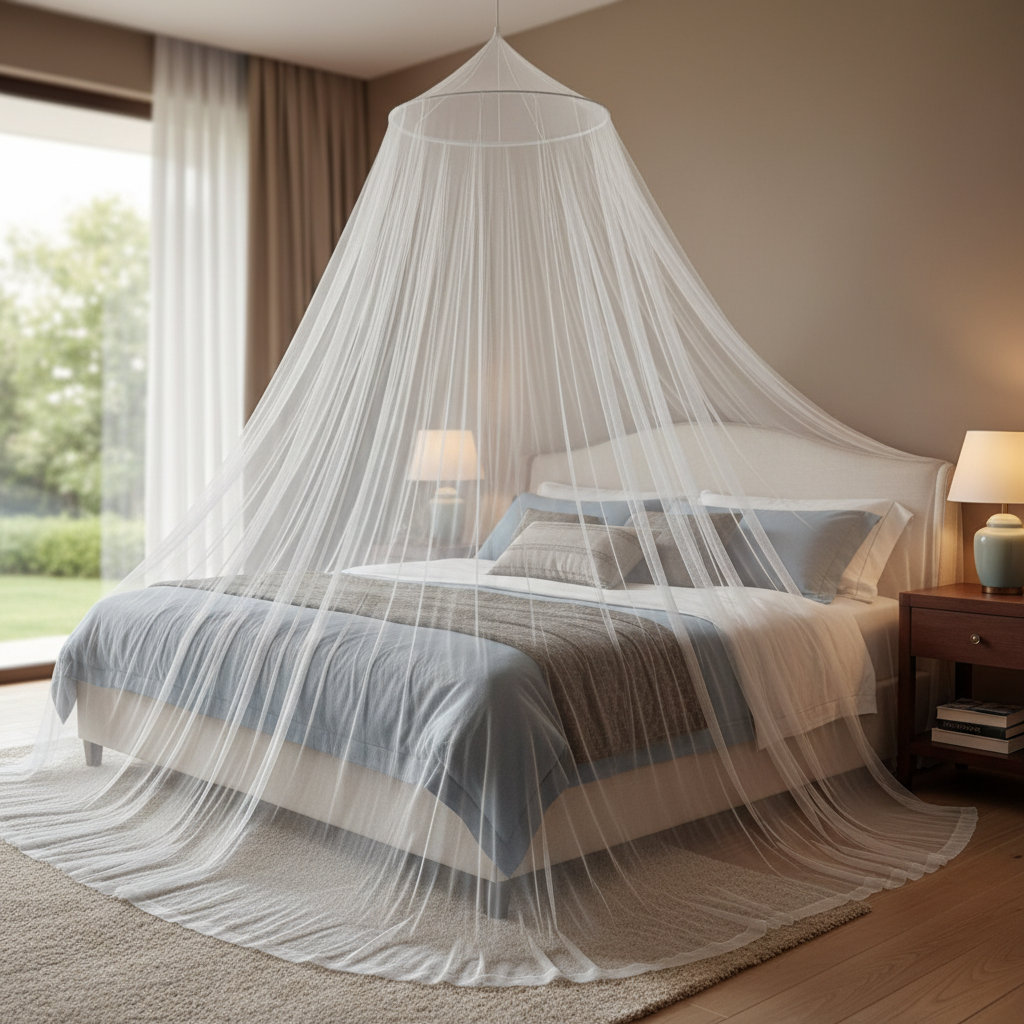
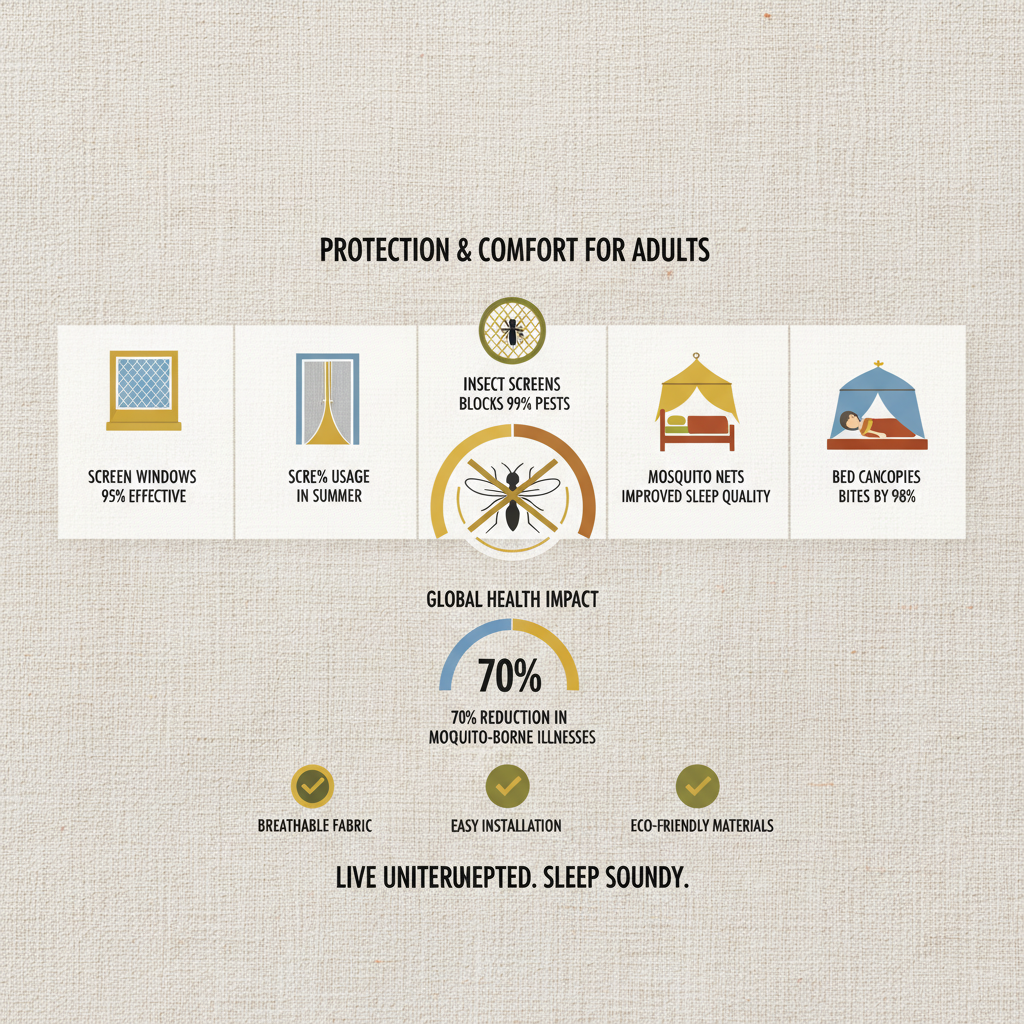
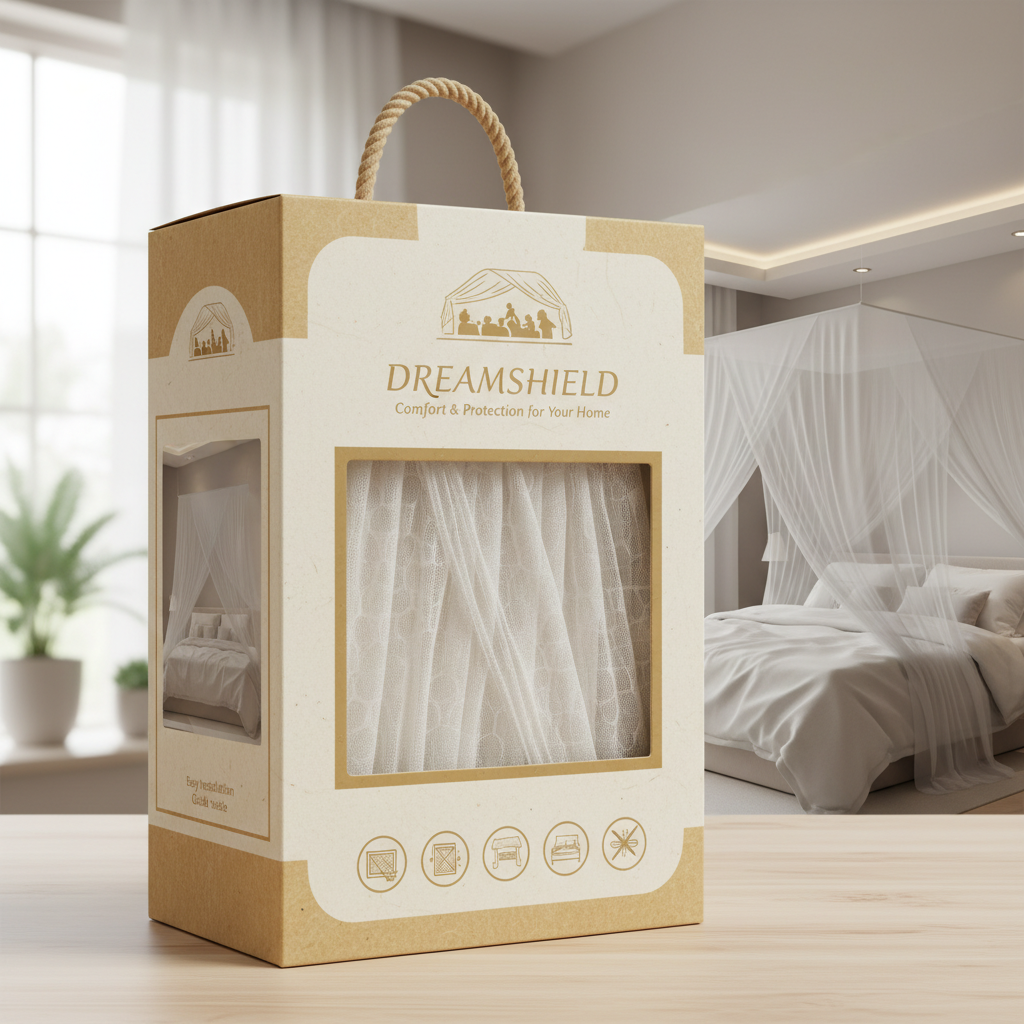
Selecting the right mosquito net adults is more than just a home decor choice; it is a critical decision for health and sleep quality. In regions where insect-borne diseases are prevalent or during humid summer months, a high-quality mesh barrier serves as the first line of defense against nocturnal pests, ensuring an undisturbed night's rest.
From a technical standpoint, the efficacy of these nets depends heavily on the denier of the yarn, the weave density, and the material composition, typically ranging from high-density polyethylene to premium polyester. Modern industrial standards now prioritize a balance between "breathability"—allowing airflow to prevent overheating—and "barrier efficiency," which ensures that even the smallest midges cannot penetrate the mesh.
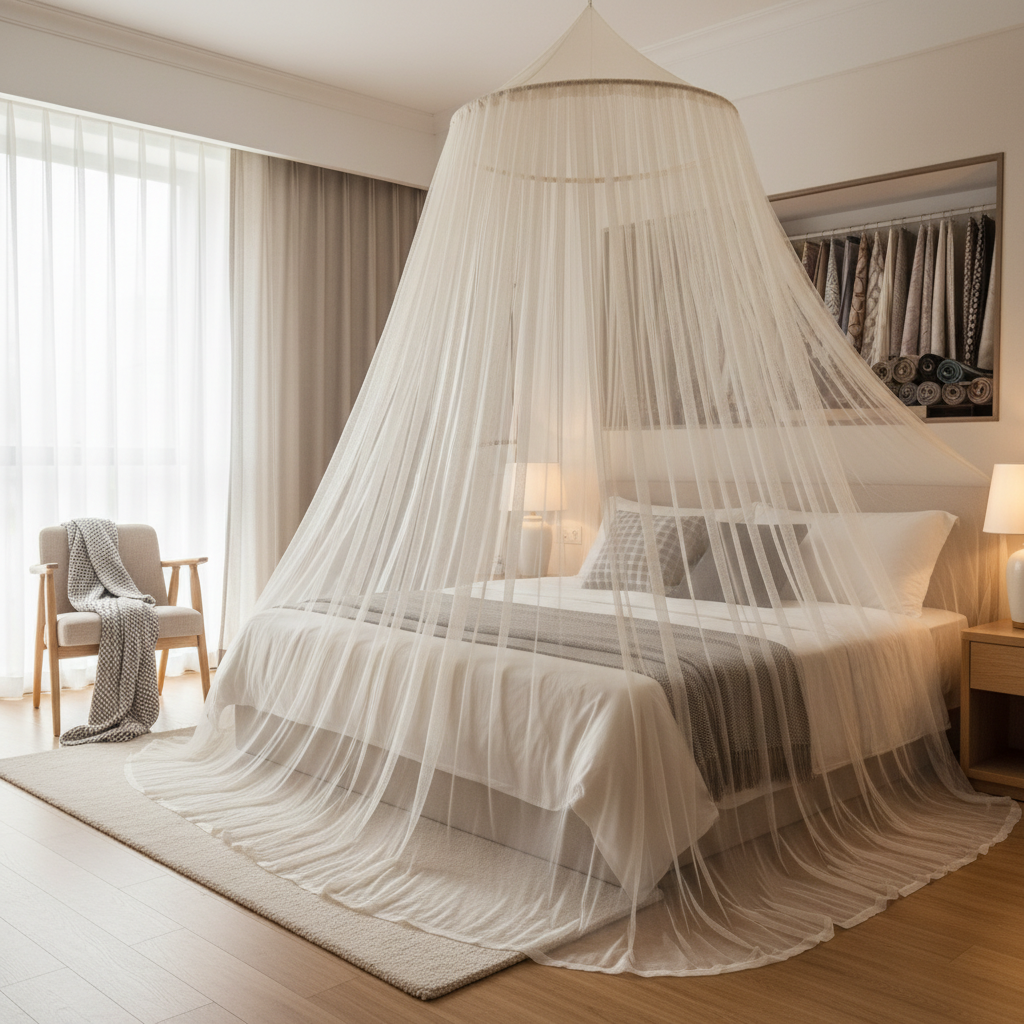
Understanding the nuances of different netting styles, from pop-up designs to permanent installations, allows adults to customize their sleeping environment based on mobility needs and room architecture. Whether used in a luxury bedroom or a remote field camp, the implementation of a professional-grade mosquito net adults significantly reduces reliance on chemical repellents and synthetic insecticides.
Global Relevance and Industrial Context of Mosquito Nets
The global demand for mosquito net adults has evolved from simple humanitarian aid to a sophisticated consumer market. According to World Health Organization (WHO) guidelines and ISO standards for textile durability, the move toward long-lasting insecticidal nets (LLINs) and high-grade mechanical barriers has drastically reduced the incidence of malaria and dengue fever in tropical zones.
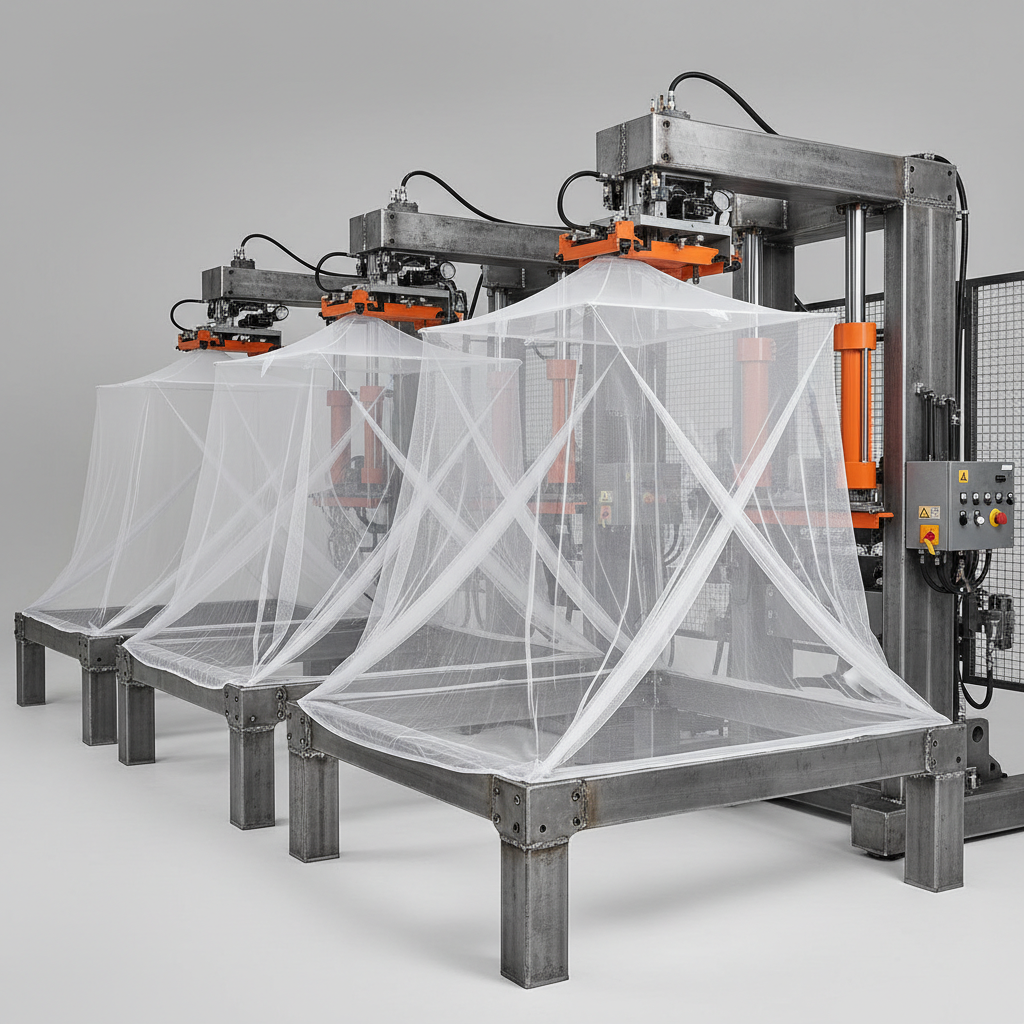
Industrially, the production of these nets has shifted toward automated weaving processes that ensure consistent hole size and tensile strength. This technical evolution addresses the common challenge of "mesh fatigue," where older nets would sag or tear, leaving users vulnerable to insect incursions.
Defining Modern Standards for Adult Mesh Barriers
In simple terms, mosquito net adults are specialized fabric envelopes designed to isolate a sleeping area from flying insects while maintaining high airflow. Unlike children's nets, adult versions are engineered for larger spans, higher weight capacities for support frames, and specific aesthetic integrations that fit modern interior design.
The connection between these products and modern industry lies in the advancement of polymer science. The shift from cotton to synthetic filaments like polyester and nylon has allowed for the creation of "invisible" meshes that provide maximum protection without obstructing the view or airflow of the room.
Furthermore, the humanitarian need for scalable, easy-to-deploy protection has led to the development of "pop-up" technology. This allows adults in disaster-relief zones or remote industrial sites to establish a sterile sleeping environment in seconds, blending immediate utility with long-term health security.
Core Technical Components and Material Science
Durability is the primary pillar when evaluating mosquito net adults. This is achieved through the use of reinforced hems and high-denier yarns that resist abrasion. A net that can withstand the physical movement of an adult during sleep without ripping is a hallmark of quality manufacturing.
Breathability and airflow are equally critical. By optimizing the aperture size (the size of the holes in the mesh), engineers ensure that oxygen flow remains constant, preventing the "stuffy" feeling often associated with lower-quality mosquito net adults.
Cost efficiency and scalability are managed through the choice of weaving techniques. Warp-knitted fabrics are often preferred over woven fabrics for adult nets because they are less prone to unraveling if a small puncture occurs, providing a more reliable long-term solution for the end-user.
Performance Metrics and Efficiency Analysis
When comparing different types of mosquito net adults, industry experts look at the "barrier efficiency ratio" and the "airflow coefficient." A high-performance net must block 100% of insects while allowing at least 70% of ambient air to pass through, ensuring thermal comfort in hot climates.
The following data represents a comparative analysis of common material choices used in adult netting, scoring them based on durability, airflow, and ease of installation.
Comparative Efficiency of Mosquito Net Adults Material Types
Global Applications and Real-World Use Cases
In real-world applications, mosquito net adults are deployed across various environments. In post-disaster relief operations, lightweight, portable nets are distributed by NGOs to prevent the outbreak of malaria in temporary shelters where permanent screening is impossible.
Conversely, in remote industrial zones—such as mining camps in Africa or oil rigs in Southeast Asia—heavy-duty, frame-mounted netting is integrated into living quarters. These installations provide a permanent, maintenance-free solution that protects workers from local fauna, ensuring their health and operational productivity.
Long-Term Value and Sustainable Benefits
The long-term value of investing in premium mosquito net adults extends beyond simple pest control. By reducing the need for chemical aerosols and coils, these nets promote a healthier respiratory environment and a lower carbon footprint, aligning with global sustainability goals.
From a psychological perspective, the "safety cocoon" provided by a well-fitted net offers peace of mind and dignity. In many cultures, a clean, high-quality net is a symbol of health and stability, transforming a basic necessity into a tool for improving the overall quality of life.
Economically, the durability of high-grade polymers means that a single purchase can last for several years. This reliability reduces waste and prevents the frequent disposal of cheap, torn nets, making the initial investment in a professional mosquito net adults a logically sound financial decision.
Future Innovations in Protective Mesh Technology
The future of mosquito net adults is leaning toward "smart textiles." Researchers are currently developing nano-coatings that repel insects through physical geometry rather than chemicals, ensuring that the nets remain effective without the need for re-treatment.
Digital transformation is also touching the manufacturing process, with AI-driven quality control systems detecting micron-level gaps in the mesh before the product leaves the factory. This ensures a zero-failure rate for critical health-protection products.
Sustainability is the final frontier, with the introduction of biodegradable polymers and recycled ocean plastics. These new materials aim to provide the same tensile strength and protection as virgin polyester while significantly reducing the environmental impact of the textile industry.
Comparison of Future Mesh Technologies for Adult Nets
| Technology Type |
Protection Level |
Environmental Impact |
Expected Lifespan |
| Nano-Physical Coating |
Ultra-High |
Low (Chemical-free) |
5-7 Years |
| Recycled Ocean Plastic |
High |
Positive (Upcycled) |
4-6 Years |
| Biodegradable Polymer |
Medium-High |
Zero Waste |
2-3 Years |
| AI-Optimized Weave |
Perfect |
Neutral |
8-10 Years |
| Silver-Ion Anti-Microbial |
High |
Low |
5 Years |
| Hybrid Glass-Polymer |
Maximum |
Medium |
12+ Years |
FAQS
For most adults, high-density polyester is the ideal choice. It offers a superior balance of durability, breathability, and cost. If you are in an area with extremely aggressive insects, a glass-fiber or high-denier polyethylene mesh is recommended due to its tighter weave and higher resistance to tearing.
Check the "hole size" or "mesh count" in the product specifications. A professional mosquito net adults should have a consistent weave that allows air to pass through freely. A simple test is to hold the fabric to your face; if you feel a significant restriction in airflow, the mesh is too dense and may cause overheating.
Yes, in terms of barrier efficiency, pop-up nets are just as effective. The primary difference is in the frame's longevity and the ease of setup. Pop-up versions are perfect for travel or temporary use, while permanent screen windows or bed-mounted frames are better for long-term residential health security.
Avoid harsh chemicals or abrasive scrubbing. The best method for mosquito net adults is a gentle hand wash with mild soap and lukewarm water. If using a machine, use a laundry bag and a "delicate" cycle to prevent the mesh from snagging on the machine's drum.
Absolutely. Many adult nets are specifically designed for outdoor use. However, for camping, ensure you choose a version with a reinforced base and high-tensile strength fabric to withstand wind and accidental snags from surrounding vegetation.
This depends on the material. A high-quality polyester net typically lasts 3-5 years. You should replace your net immediately if you notice any holes, significant sagging, or if the fabric becomes brittle due to prolonged UV exposure from sunlight.
Conclusion
In summary, the selection of mosquito net adults is a critical intersection of material science, health necessity, and lifestyle comfort. By prioritizing durability, breathability, and precise mesh engineering, users can effectively safeguard their health against insect-borne diseases while ensuring a high quality of sleep. From the technical rigor of polymer selection to the practical utility of pop-up designs, the modern industry provides a diverse array of solutions tailored to every environment.
Looking forward, the integration of sustainable materials and nano-technology will likely eliminate the need for chemical interventions entirely, making these barriers even safer and more eco-friendly. Whether you are upgrading your home or preparing for an expedition, investing in a professional-grade protective mesh is a timeless strategy for wellness. For more high-quality insect protection solutions, visit our website: www.crscreen.com.