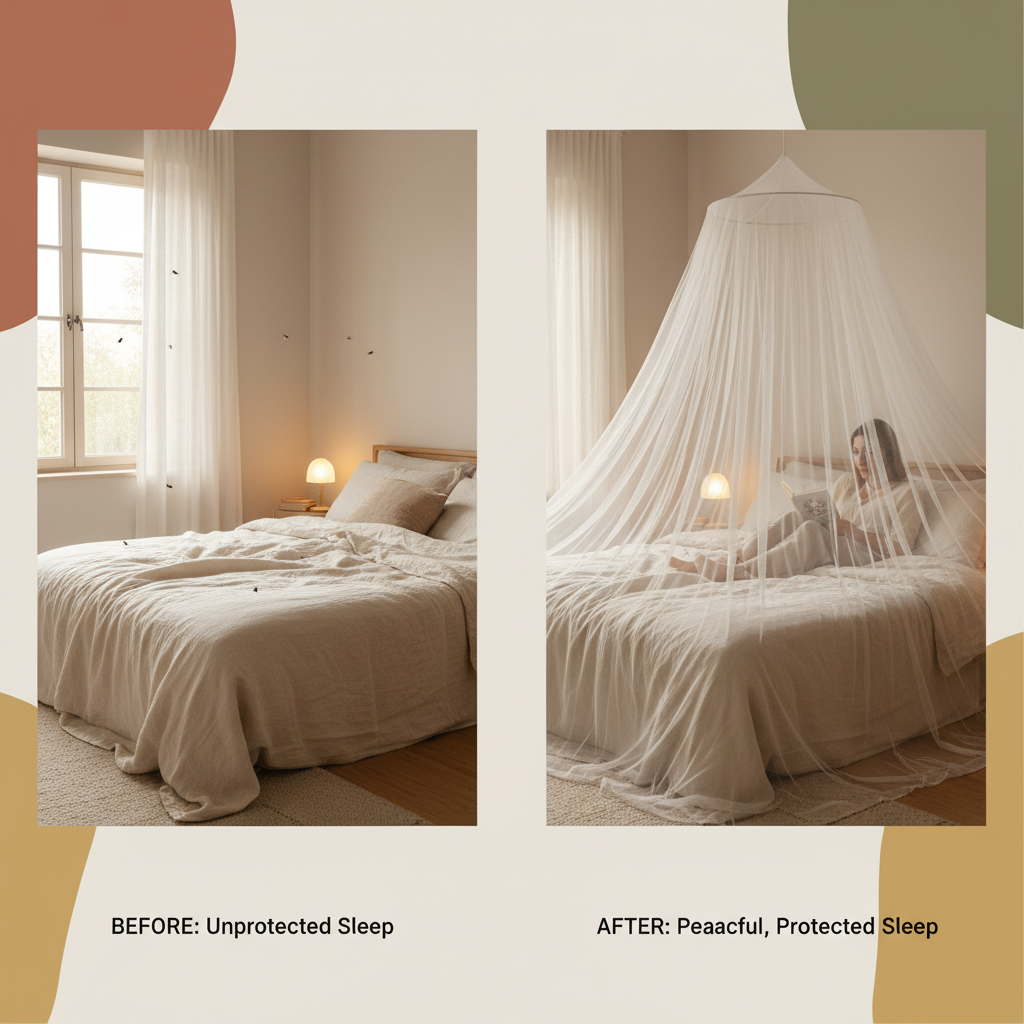
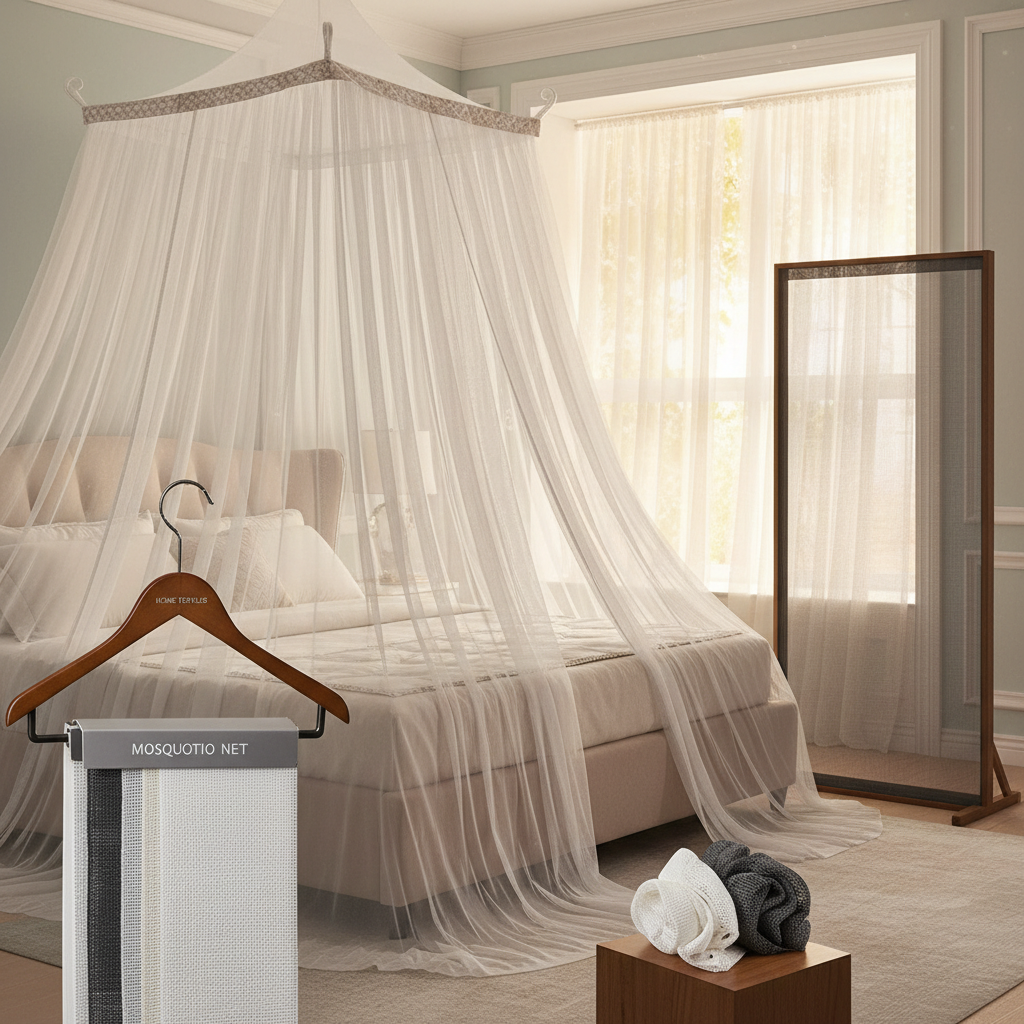
Ensuring a restful night's sleep is fundamentally linked to our overall health, yet for millions worldwide, the threat of insect-borne diseases makes this a challenge. The implementation of high-quality mosquito mesh for bed serves as a primary physical barrier, providing an essential layer of protection against malaria, dengue, and Zika virus. By integrating advanced polymer science with breathable textile engineering, modern bed mesh has evolved from simple fabric curtains into high-performance safety tools.
From a global perspective, the demand for reliable mosquito mesh for bed is driven by both humanitarian needs in tropical regions and a growing preference for natural, chemical-free pest control in urban households. The World Health Organization (WHO) has long emphasized the efficacy of insecticidal nets, but there is a shifting trend toward durable, non-treated synthetic meshes that offer long-term sustainability without the need for frequent chemical re-application.
Understanding the technical nuances of these products—ranging from mesh aperture size to the tensile strength of the polyester filaments—allows consumers and procurement agencies to make informed decisions. Whether it is for emergency relief shelters or luxury bedroom installations, the right mosquito mesh for bed ensures a balance between maximum airflow and total insect exclusion, safeguarding human dignity and health.
The Technical Composition of Mosquito Mesh for Bed
At its core, mosquito mesh for bed is a precision-engineered plastic product, typically crafted from high-density polyethylene (HDPE) or premium polyester. The manufacturing process involves extruding fine filaments that are then woven or knitted into a stable grid. The critical factor is the "hole size" or aperture; it must be small enough to block the smallest known disease-carrying mosquitoes while remaining large enough to allow sufficient oxygen exchange to prevent overheating during sleep.
Modern industrial standards ensure that these meshes are UV-stabilized to prevent brittleness when exposed to sunlight, which is vital for nets used in outdoor or semi-outdoor environments. By optimizing the denier of the yarn, manufacturers can create a product that is virtually invisible to the eye but incredibly resilient against tearing, ensuring that the protective envelope remains intact over years of daily use.
Global Demand and Humanitarian Impact
The global reliance on mosquito mesh for bed is most evident in sub-Saharan Africa and Southeast Asia, where malaria remains a significant public health burden. International organizations, including the UN and various NGOs, distribute millions of these nets annually. The shift from traditional cotton nets to synthetic polymer meshes has drastically reduced the cost of production and increased the lifespan of the protection provided to vulnerable populations.
Beyond health, the provision of bed mesh is a matter of human dignity and economic stability. When families are protected from nocturnal insect bites, sleep quality improves, and the incidence of illness drops, leading to higher productivity in agricultural and industrial sectors. This creates a ripple effect where a simple plastic mesh becomes a tool for poverty alleviation and community resilience.
In recent years, we have seen a surge in demand for high-end, aesthetic versions of bed mesh in developed nations. This is driven by a trend toward "eco-living" and a desire to avoid chemical aerosols. Consequently, the industry is seeing a convergence where humanitarian-grade durability is being merged with luxury interior design specifications.
Key Performance Metrics for Bed Mesh
When evaluating the quality of mosquito mesh for bed, durability is the primary metric. This is measured through tear strength and abrasion resistance tests. A high-quality mesh must withstand the friction of daily movement without developing holes that would compromise its protective integrity.
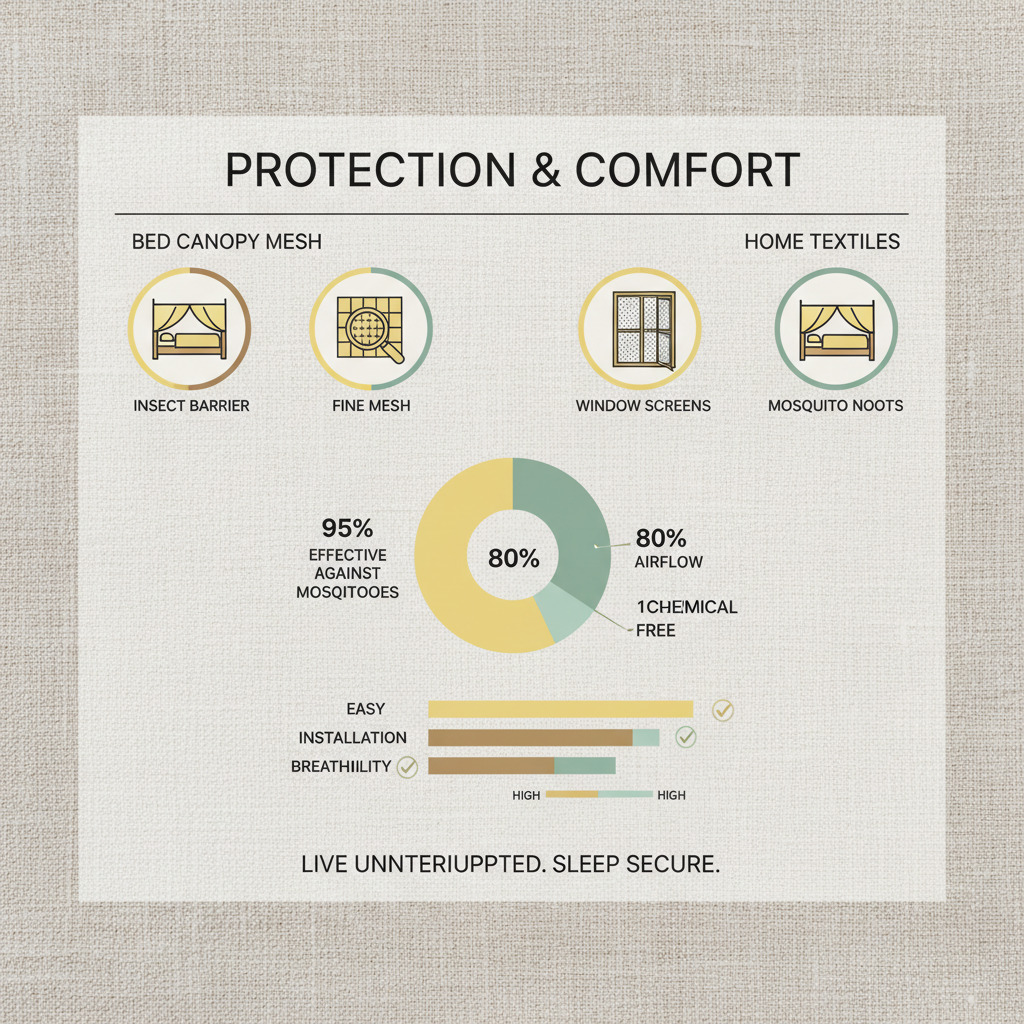
Breathability is equally critical. The airflow coefficient of the mosquito mesh for bed determines the comfort level of the user. If the weave is too tight, carbon dioxide builds up inside the net, leading to discomfort and a higher likelihood of the user removing the net during the night.
Finally, chemical stability and non-toxicity are paramount. Since the mesh is in close proximity to the skin for 6-8 hours a day, the plastic polymers used in mosquito mesh for bed must be free from harmful phthalates and heavy metals, adhering to international safety standards like REACH or RoHS.
Material Comparison and Efficiency Analysis
Different materials offer distinct advantages depending on the environment. For instance, polyester is favored for its strength and resistance to mold, making it ideal for humid tropical climates. In contrast, HDPE is often used for more rigid, frame-based mosquito mesh for bed solutions that require a specific structural shape to maintain a gap between the sleeper and the mesh.
The efficiency of these materials can be quantified by comparing their protective rating against their weight and breathability. By analyzing these trade-offs, we can determine the optimal material for different use cases, from lightweight travel nets to heavy-duty residential installations.
Performance Rating of Various Mosquito Mesh for Bed Materials
Real-World Applications and Deployment
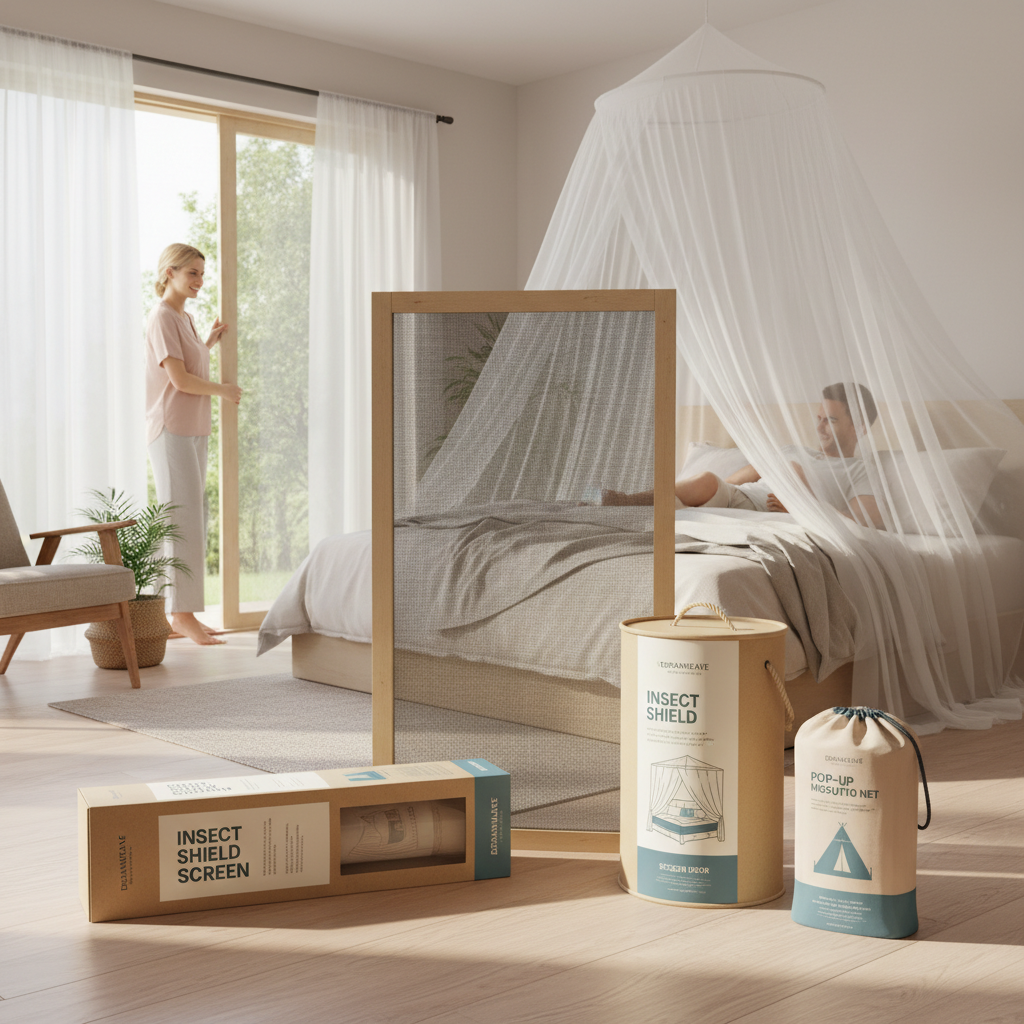
In the context of disaster relief, mosquito mesh for bed is often integrated into modular tent systems. In post-flood or post-earthquake scenarios, stagnant water leads to mosquito outbreaks. Rapid-deployment bed nets provide an immediate health shield for displaced populations, preventing secondary health crises from overloading fragile medical infrastructures.
In residential architecture, we see the integration of bed mesh into "screen rooms" and canopy beds. These applications move beyond simple protection and enter the realm of lifestyle enhancement, allowing users to experience the outdoors while remaining completely isolated from insects. The precision of the mosquito mesh for bed ensures that the visual barrier is minimal while the biological barrier is absolute.
Long-Term Value and Sustainability
The long-term value of investing in high-grade mosquito mesh for bed lies in its lifecycle cost. Cheap, low-denier nets often tear within six months, leading to constant replacement and increased plastic waste. In contrast, industrial-grade polyester meshes can last for several years, reducing the environmental footprint and the total cost of ownership for the end-user.
Sustainability is also being addressed through the use of recycled polymers (rPET). By converting plastic bottles into high-tenacity filaments, the industry is creating a circular economy for mosquito mesh for bed. This not only reduces the reliance on virgin petroleum but also appeals to the growing market of eco-conscious consumers.
Furthermore, the shift toward non-insecticidal, purely physical barriers reduces the risk of mosquitoes developing genetic resistance to pyrethroids. By relying on the physical precision of the mesh rather than chemical warfare, we ensure a more sustainable and reliable method of protection for future generations.
Future Innovations in Bed Screening Technology
The future of mosquito mesh for bed is moving toward "smart textiles." Researchers are exploring the integration of conductive polymers that can create a low-voltage electrostatic field, repelling insects before they even touch the mesh. This would combine the reliability of a physical barrier with the active deterrence of electronic systems.
Another promising trend is the development of nano-coated meshes. By applying a hydrophobic or oleophobic nano-layer, the mosquito mesh for bed becomes self-cleaning, repelling dust and moisture. This is particularly useful in remote industrial zones or military camps where laundering facilities are unavailable.
Automation in the weaving process is also allowing for "variable density" meshes—where the top of the net is more open for maximum airflow, while the sides and bottom are tighter to prevent crawling insects from entering. This targeted engineering maximizes comfort without sacrificing safety.
Comparison of Future Bed Mesh Technologies
| Technology Type |
Primary Benefit |
Durability Score (1-10) |
Implementation Cost |
| Standard Polyester |
High Cost-Efficiency |
8 |
Low |
| Recycled rPET |
Eco-Friendly |
7 |
Medium |
| Nano-Coated Mesh |
Self-Cleaning |
9 |
High |
| Electrostatic Mesh |
Active Repelling |
6 |
Very High |
| Variable Density |
Optimized Airflow |
8 |
Medium |
| Titanium Infused |
Extreme Strength |
10 |
Very High |
FAQS
The ideal mesh size generally falls between 1.2mm and 1.5mm. This aperture is small enough to exclude the majority of Anopheles and Aedes mosquitoes, which are the primary vectors for malaria and dengue, while maintaining a high enough open-area percentage to allow natural convection and airflow. This prevents the "stuffy" feeling often associated with lower-quality nets.
With proper care, a high-density polyester mesh can last between 3 to 5 years. The longevity depends largely on the UV stabilization of the plastic and the frequency of handling. We recommend avoiding harsh chemical bleaches and using mild detergents to preserve the tensile strength of the filaments and prevent premature degradation of the polymer structure.
Yes, synthetic materials like polyester and HDPE are significantly superior for several reasons: they are more resistant to mold and mildew in humid climates, they have a much higher strength-to-weight ratio, and they can be manufactured with far more precise hole sizes. Additionally, synthetics are more cost-effective to produce at scale, making them the gold standard for both humanitarian and commercial use.
Absolutely. For outdoor use, we recommend choosing a mesh with enhanced UV resistance. UV-stabilized mosquito mesh for bed prevents the plastic from becoming brittle under direct sunlight. Portable, pop-up versions are especially effective for camping, providing a lightweight but impenetrable shield against insects in remote wilderness areas.
Industrial grade mesh is typically identified by its uniformity; there should be no irregular gaps or "runs" in the weave. You can test it by gently attempting to pull a single thread; industrial-grade filaments are tightly locked into the weave. Additionally, industrial products often come with certifications regarding non-toxicity (like RoHS) and specific denier ratings indicating the thickness of the yarn.
Yes, the industry has introduced rPET (recycled polyethylene terephthalate) meshes. These are made from post-consumer plastic waste, such as water bottles, which are processed into high-quality fibers. These eco-friendly options provide the same protective efficiency as virgin polyester but with a significantly lower carbon footprint and reduced landfill impact.
Conclusion
In summary, mosquito mesh for bed is far more than a simple household accessory; it is a critical intersection of polymer chemistry, humanitarian aid, and preventative healthcare. By balancing the technical requirements of aperture size, material durability, and breathability, these products provide a sustainable and non-toxic solution to one of the world's most persistent health challenges. From the use of recycled plastics to the advent of nano-coatings, the evolution of bed screening continues to prioritize both human safety and environmental responsibility.
As we look toward the future, the integration of smart textiles and a commitment to circular economy principles will further enhance the efficacy of these protective barriers. Whether you are a procurement officer for a global health initiative or a homeowner seeking a peaceful night's sleep, prioritizing high-density, UV-stabilized materials is the key to long-term success. For premium, durable, and professionally engineered insect screening solutions, we invite you to explore our full range. Visit our website: www.crscreen.com