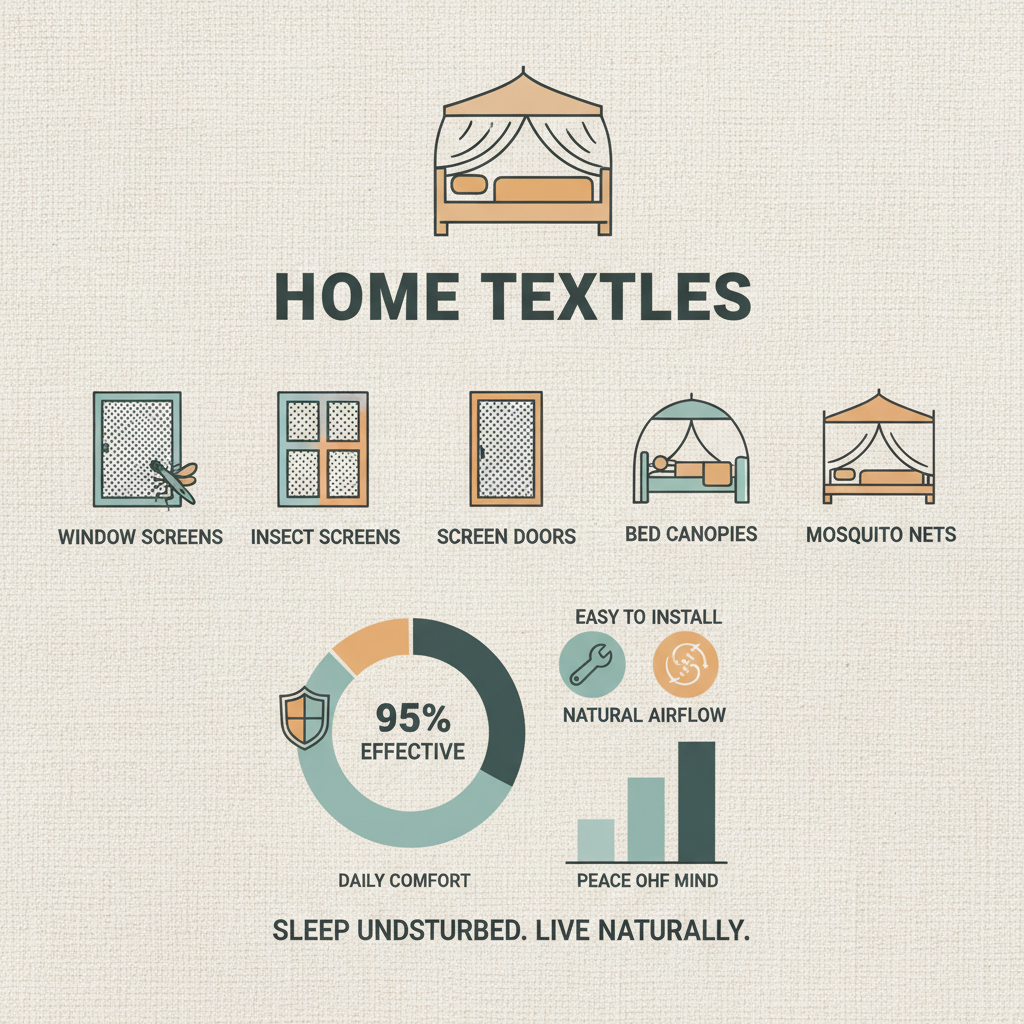
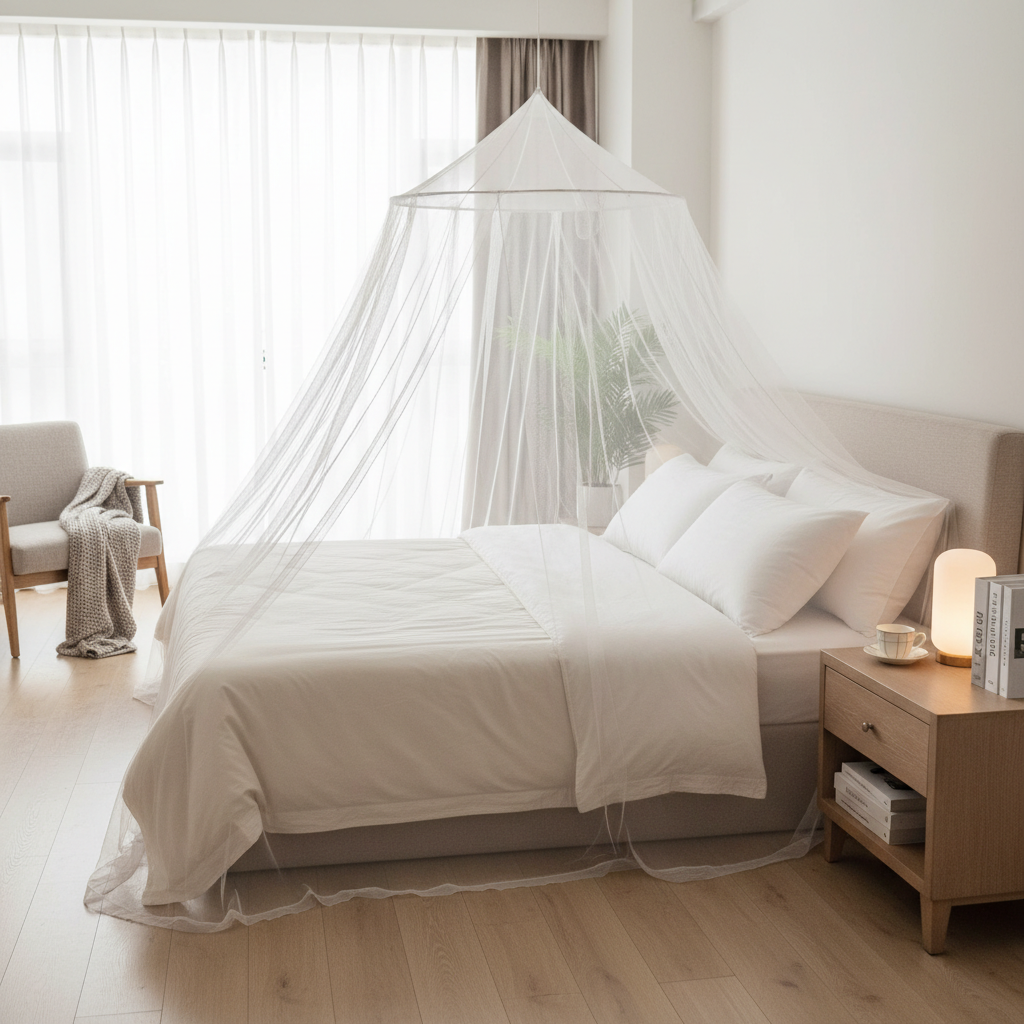
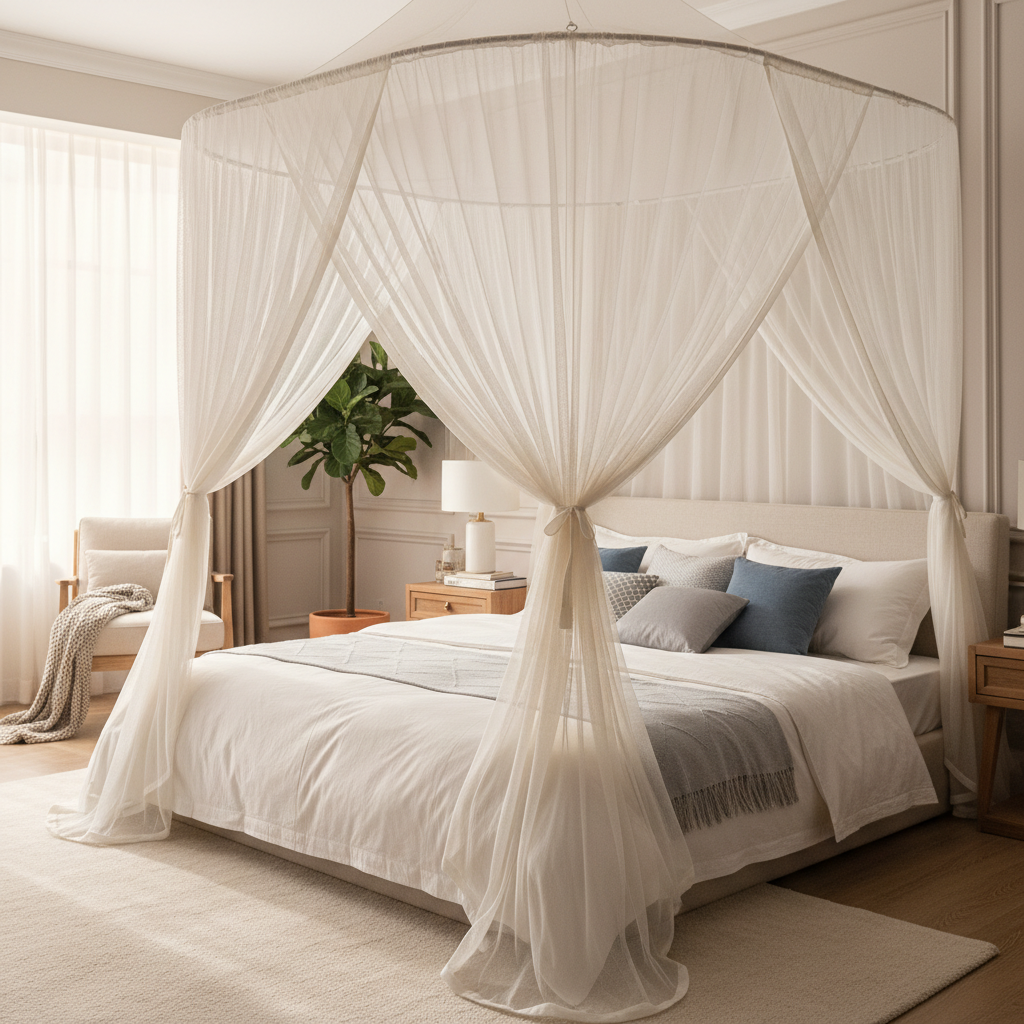
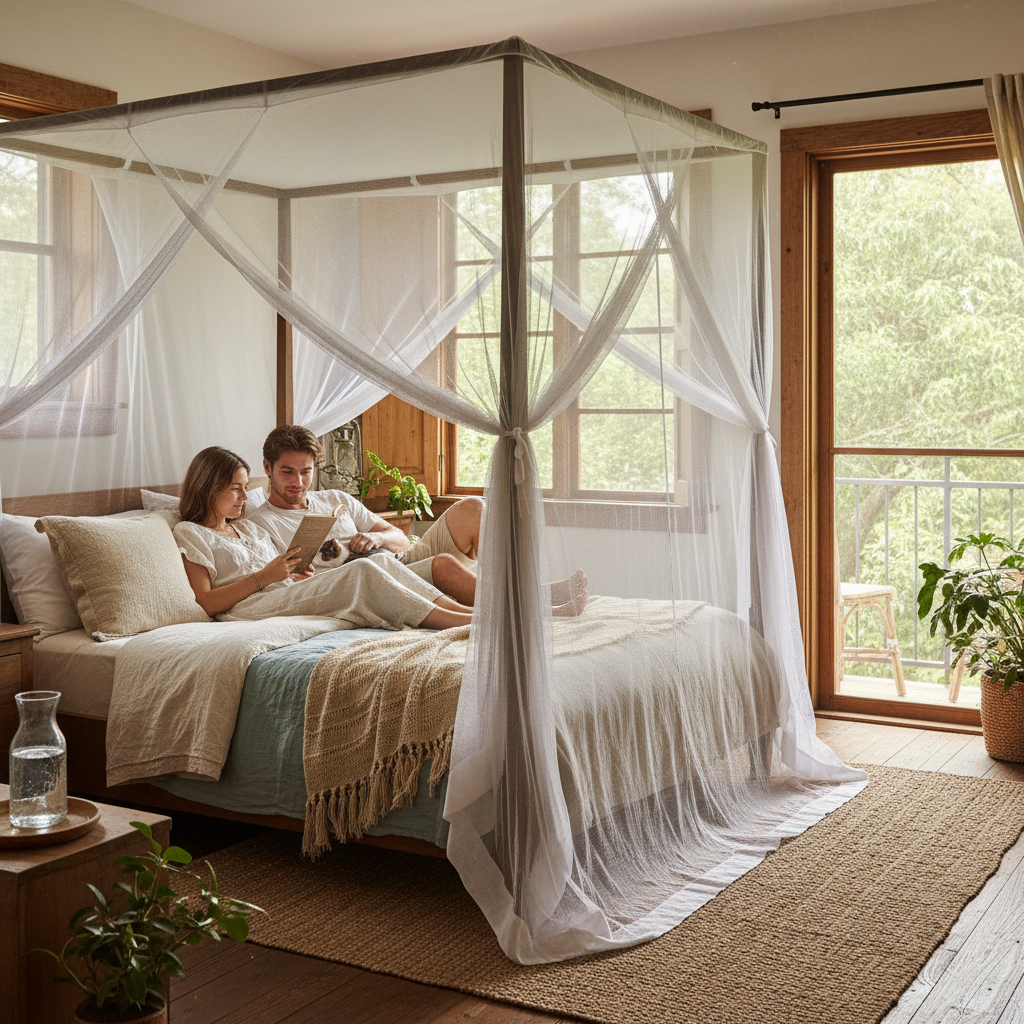
Ensuring a restful night's sleep is a fundamental human need, yet for millions living in tropical and subtropical regions, this is often disrupted by disease-carrying insects. The implementation of a high-quality mosquito for bed solution is not merely a matter of comfort, but a critical intervention in global public health. By creating a physical barrier between the sleeper and the environment, these netting systems drastically reduce the incidence of malaria, dengue, and Zika virus.
From a manufacturing perspective, the evolution of the mosquito for bed has shifted from simple cotton gauze to advanced synthetic polymers. Today, the industry focuses on the intersection of breathability, durability, and insect-exclusion precision. The integration of high-density polyethylene (HDPE) and treated polyesters has allowed for the creation of screens that are nearly invisible yet impenetrable to the smallest diptera.
Understanding the technical nuances of these products—such as mesh aperture size and tensile strength—is essential for both commercial procurement and humanitarian aid. This comprehensive guide explores the global impact, technical specifications, and future innovations of bed-based insect protection, providing a roadmap for choosing the most effective solutions for diverse living environments.
Global Health Impact of Bed Netting
The global reliance on a mosquito for bed system is underscored by World Health Organization (WHO) data, which indicates that Long-Lasting Insecticidal Nets (LLINs) are one of the most cost-effective ways to prevent malaria. In Sub-Saharan Africa, the widespread deployment of these barriers has contributed to a significant decline in child mortality rates over the last two decades.
However, the challenge remains in the "last mile" of delivery and the durability of the materials used. In many remote industrial zones or disaster-prone areas, the lack of robust, tear-resistant netting leads to a breakdown in protection, highlighting the need for industrial-grade plastics that can withstand harsh environmental conditions without losing their structural integrity.
Defining Modern Bed-Based Insect Screens
At its core, a mosquito for bed is a specialized mesh enclosure designed to isolate a sleeping area from hematophagous insects. Unlike general window screens, bed-specific netting must balance two opposing forces: the need for a tight enough weave to block insects and the need for high airflow to prevent overheating and CO2 buildup inside the net.
Modern industry has redefined these products by utilizing non-metallic mineral products and high-performance plastics. By leveraging extruded plastic filaments, manufacturers can now control the exact micron size of the holes, ensuring that even the smallest midges cannot penetrate the barrier, while maintaining a "breathable" feel for the user.
From a humanitarian standpoint, this definition extends beyond a simple product to a "life-saving tool." Whether it is a foldable pop-up tent for refugees or a permanent canopy for residential use, the primary goal remains the same: creating a sterile, safe sanctuary for sleep in environments where insect-borne pathogens are endemic.
Core Technical Components of Bed Screens
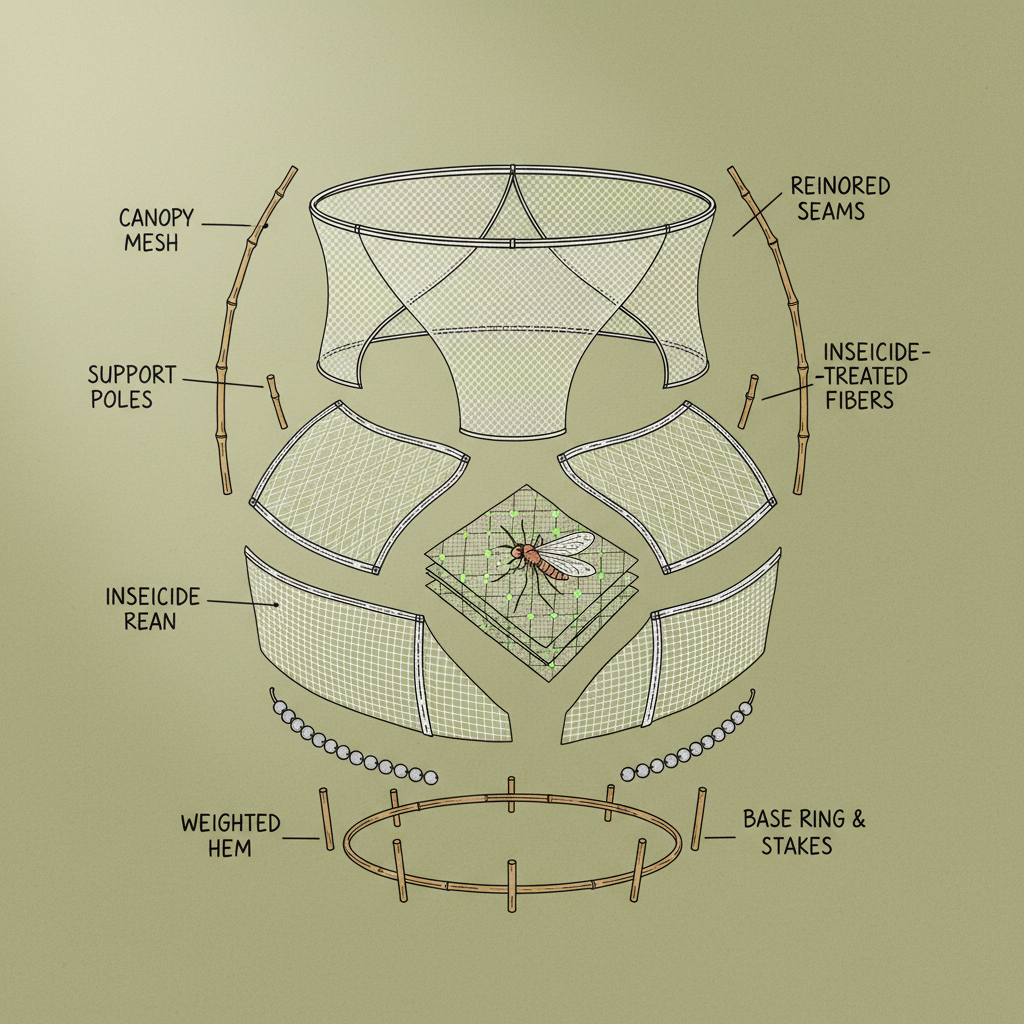
The effectiveness of any mosquito for bed system depends heavily on the Polymer Composition. Most professional-grade screens use high-density polyester or polyethylene, which provides a natural resistance to mildew and rot—essential for humid tropical climates where organic fabrics would quickly degrade.
Another critical factor is the Mesh Aperture and Denier. The "denier" refers to the thickness of the individual plastic threads. A higher denier increases the tear strength and lifespan of the mosquito for bed, while the aperture size is calibrated to ensure that the mesh is tight enough to block mosquitoes (usually around 1.2mm to 1.5mm) without sacrificing ventilation.
Lastly, Chemical Integration plays a pivotal role. Many industrial screens are now impregnated with pyrethroids during the manufacturing process. This ensures that the netting doesn't just act as a physical wall but as an active chemical deterrent, providing an extra layer of security for those in high-risk zones.
Performance Metrics and Material Efficiency
When evaluating a mosquito for bed, engineers look at the balance between tensile strength and air permeability. A screen that is too thick may be indestructible but can lead to hypoxia or extreme discomfort for the sleeper. Conversely, a lightweight mesh may be comfortable but susceptible to ripping during installation or daily use.
To optimize these metrics, the industry has adopted various weaving techniques, including warp-knitted and woven constructions. These methods allow for "rip-stop" capabilities, where a small tear is prevented from spreading across the entire surface of the netting.
Comparative Efficiency of Bed Netting Materials
Global Application Use Cases
The application of mosquito for bed solutions varies wildly depending on the socioeconomic context. In luxury hospitality within tropical resorts, these screens are integrated into architectural canopy designs, focusing on aesthetic invisibility and seamless integration with interior decor while maintaining strict pest exclusion.
In contrast, in post-disaster relief operations managed by NGOs, the priority shifts to "rapid deployment." Here, the mosquito for bed takes the form of lightweight, pop-up tents that can be distributed by the thousands. These must be foldable, durable enough for rough transport, and easy for non-technical users to set up in temporary shelters.
Long-Term Value and Social Impact
Investing in high-quality mosquito for bed products offers a tangible return on investment in the form of reduced healthcare costs. For a family in an endemic region, a durable net that lasts five years is far more economical than cheap alternatives that must be replaced every six months.
Beyond the financial aspect, there is a profound social impact regarding human dignity. Providing a safe, insect-free space for sleep allows individuals to recover from illness and children to get the restorative rest needed for cognitive development and school performance.
Furthermore, the shift toward sustainable plastics in the manufacture of these screens reflects a commitment to environmental stewardship. By utilizing recyclable polymers, the industry is reducing the long-term ecological footprint of these essential health tools.
Future Innovations in Insect Barrier Tech
The next generation of mosquito for bed technology is moving toward "Smart Fabrics." Research is currently underway to develop meshes that can change their porosity based on temperature or humidity, automatically increasing airflow during heatwaves while remaining sealed against insects.
Automation in the production line is also enhancing the precision of the weave. Using AI-driven quality control, manufacturers can now detect a single misplaced thread in a thousand-meter roll of mesh, ensuring that no "weak spots" exist that could allow a single mosquito to enter.
Additionally, there is a push toward bio-based polymers derived from non-food crop starches. This transition will ensure that the mosquito for bed of the future is not only a shield against disease but also a friend to the planet.
Technical Analysis of Next-Gen Bed Screen Materials
| Material Type |
Air Permeability |
Tear Resistance |
Eco-Rating (1-10) |
| Standard Polyester |
Moderate |
High |
4 |
| HDPE Monofilament |
High |
Very High |
6 |
| Bio-Polymer Mesh |
Moderate |
Medium |
9 |
| Nanofiber Composite |
Very High |
Extreme |
5 |
| Recycled PET |
Moderate |
High |
8 |
| Treated Nylon 66 |
Low |
High |
3 |
FAQS
The ideal mesh size should prevent the entry of the smallest local insects while allowing maximum airflow. For most tropical regions, a hole size of 1.2mm to 1.5mm is recommended. If you are in an area with very small midges or "no-see-ums," you may need a finer mesh, though this will slightly reduce the ventilation of the bed area.
Yes, modern synthetic polymers like polyester and HDPE are significantly more durable. They are resistant to moisture, mold, and tearing, and they do not shrink when washed. Additionally, plastics can be chemically treated to last for several years, whereas cotton requires frequent re-treatment to remain effective against insects.
A high-quality LLIN is designed to provide protection for approximately 3 to 5 years, depending on the usage and washing frequency. The insecticide is embedded into the fibers during manufacturing, meaning it doesn't wash away easily. However, physical wear and tear are the most common reasons for replacement.
The pyrethroids used in professional bed netting are designed to target the nervous systems of insects and have very low toxicity for humans and mammals. When used as directed, these nets are considered safe for all ages, including infants, and are endorsed by global health organizations like the WHO.
Absolutely. While window screens provide a first line of defense, a mosquito for bed acts as a critical secondary barrier. It protects against insects that may have already entered the room or those that enter through gaps in doors and windows, ensuring an uninterrupted night of sleep.
NGOs typically partner with manufacturers who meet ISO standards and WHO pre-qualification for insecticidal nets. The process involves specifying the mesh density, treatment type, and packaging (e.g., bulk or individual kits) and coordinating logistics for rapid deployment to target regions.
Conclusion
The implementation of an effective mosquito for bed system is a cornerstone of preventative medicine and residential comfort. By combining advanced polymer science with precise manufacturing, we can create barriers that are durable, breathable, and life-saving. From the technical selection of denier and aperture to the global deployment in crisis zones, the focus remains on providing a secure environment that safeguards human health against the constant threat of insect-borne diseases.
Looking forward, the integration of sustainable bio-materials and smart-fabric technology will further refine these essential tools. We encourage developers, health organizations, and homeowners to prioritize quality and durability over short-term cost, as a long-lasting screen is the most sustainable and effective choice. For professional-grade insect barrier solutions, visit our website: www.crscreen.com