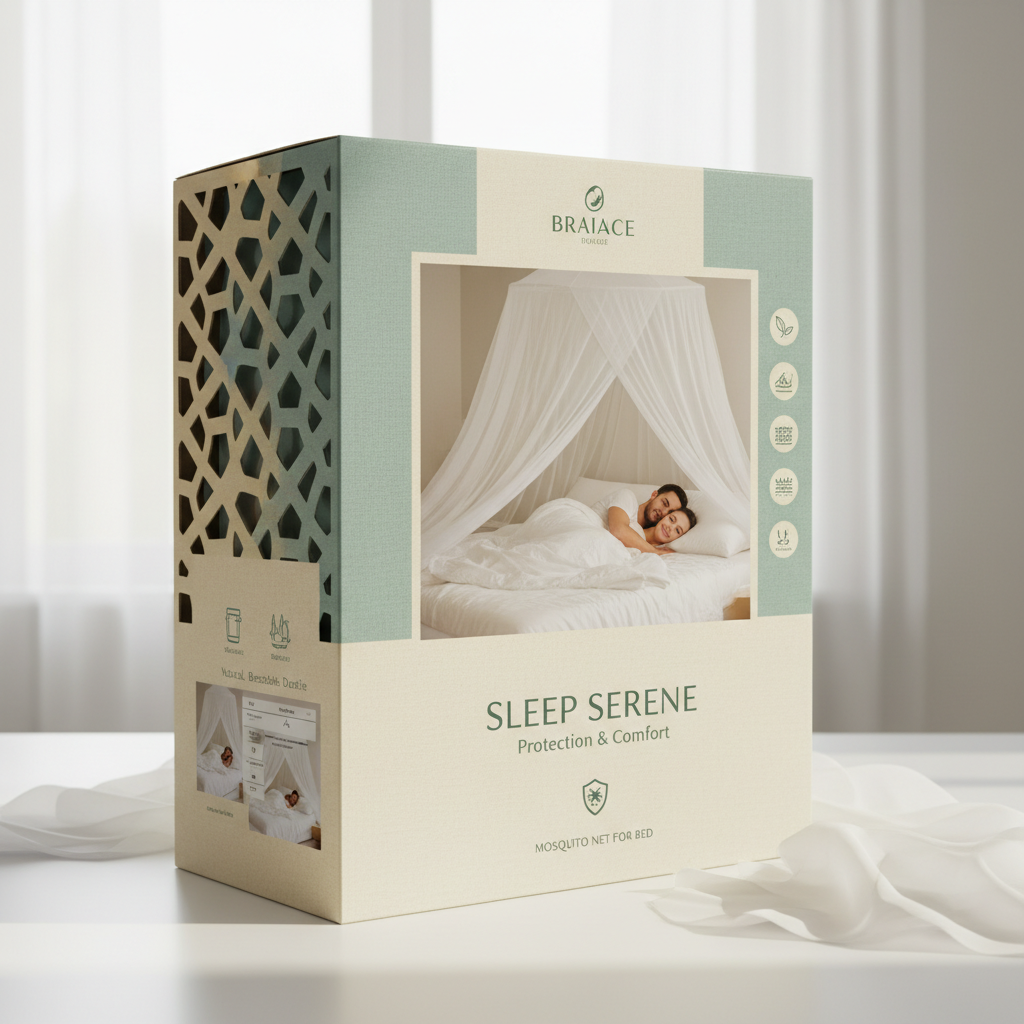
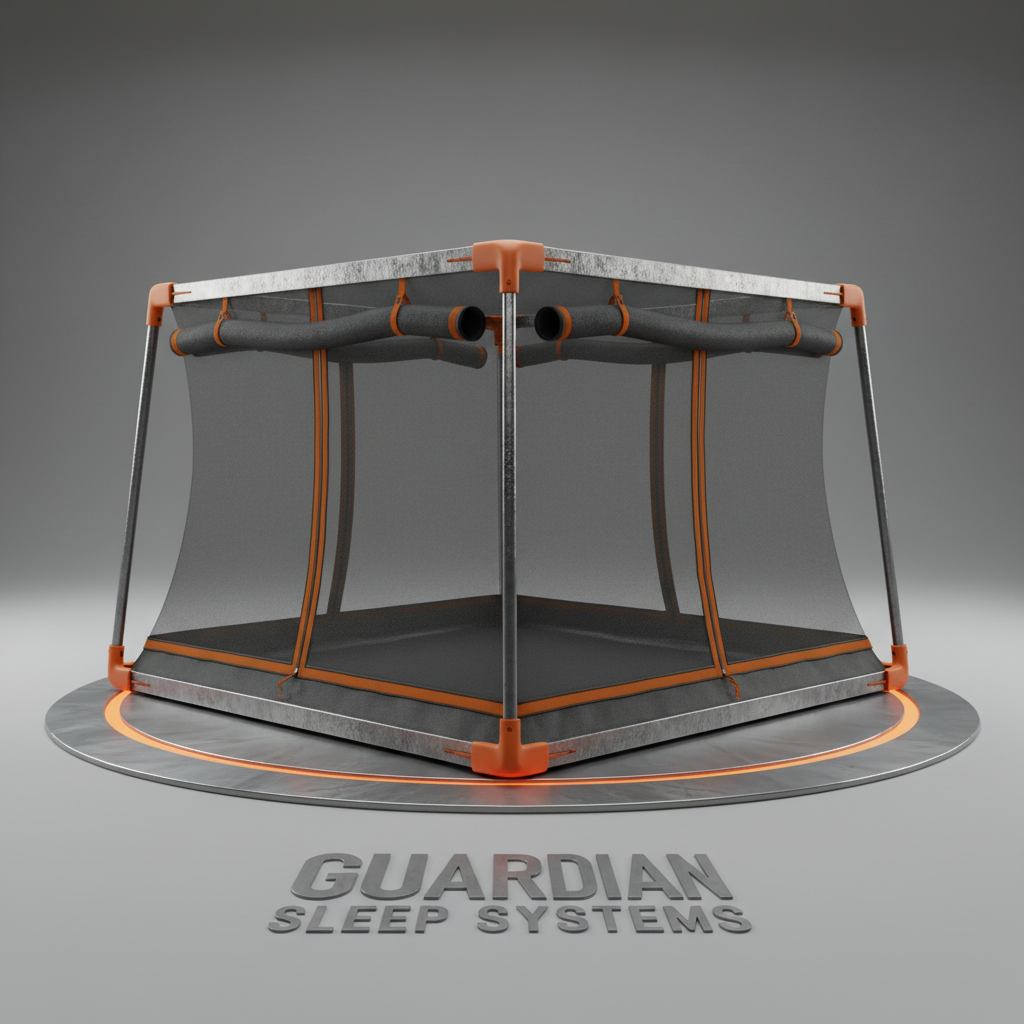
The global need for effective protection against mosquito-borne diseases is paramount, impacting public health and economic stability worldwide. Mosquito bed tents represent a crucial intervention, particularly in regions with limited access to modern infrastructure or where insecticide resistance is prevalent. These tents provide a physical barrier, significantly reducing the risk of infection from malaria, dengue fever, Zika virus, and other debilitating illnesses, thereby bolstering community health and productivity.
The demand for mosquito bed tents extends beyond individual households, playing a vital role in disaster relief efforts, refugee camps, and humanitarian aid programs. The effectiveness and relative affordability of mosquito bed tents make them a practical solution for safeguarding vulnerable populations. Continuous innovation in materials and design is crucial to address evolving challenges and ensure long-term sustainability of these protective measures.
Understanding the intricacies of mosquito bed tent design, material science, and deployment strategies is essential for maximizing their impact. This knowledge base informs not only the manufacturing and distribution sectors but also public health initiatives aimed at eradicating vector-borne diseases and improving the quality of life for millions globally.
The Significance of Mosquito Bed Tents
Mosquito bed tents represent a cornerstone in the global fight against vector-borne diseases, offering a simple yet remarkably effective preventative measure. They address a critical need for personal protection, particularly in areas where comprehensive public health infrastructure is lacking or overwhelmed. The significance of these tents isn't merely in disease prevention, but also in improving the quality of life for individuals and communities, allowing for uninterrupted sleep, increased productivity, and enhanced overall well-being.
According to the World Health Organization, malaria alone caused an estimated 249 million cases and 688,000 deaths in 2022. While insecticide-treated nets (ITNs) have been a primary intervention, resistance to insecticides is growing, making physical barriers like mosquito bed tents an increasingly vital component of a multi-pronged approach. The durable nature and relatively low cost of high-quality tents make them a sustainable solution for long-term protection.
Defining Mosquito Bed Tents
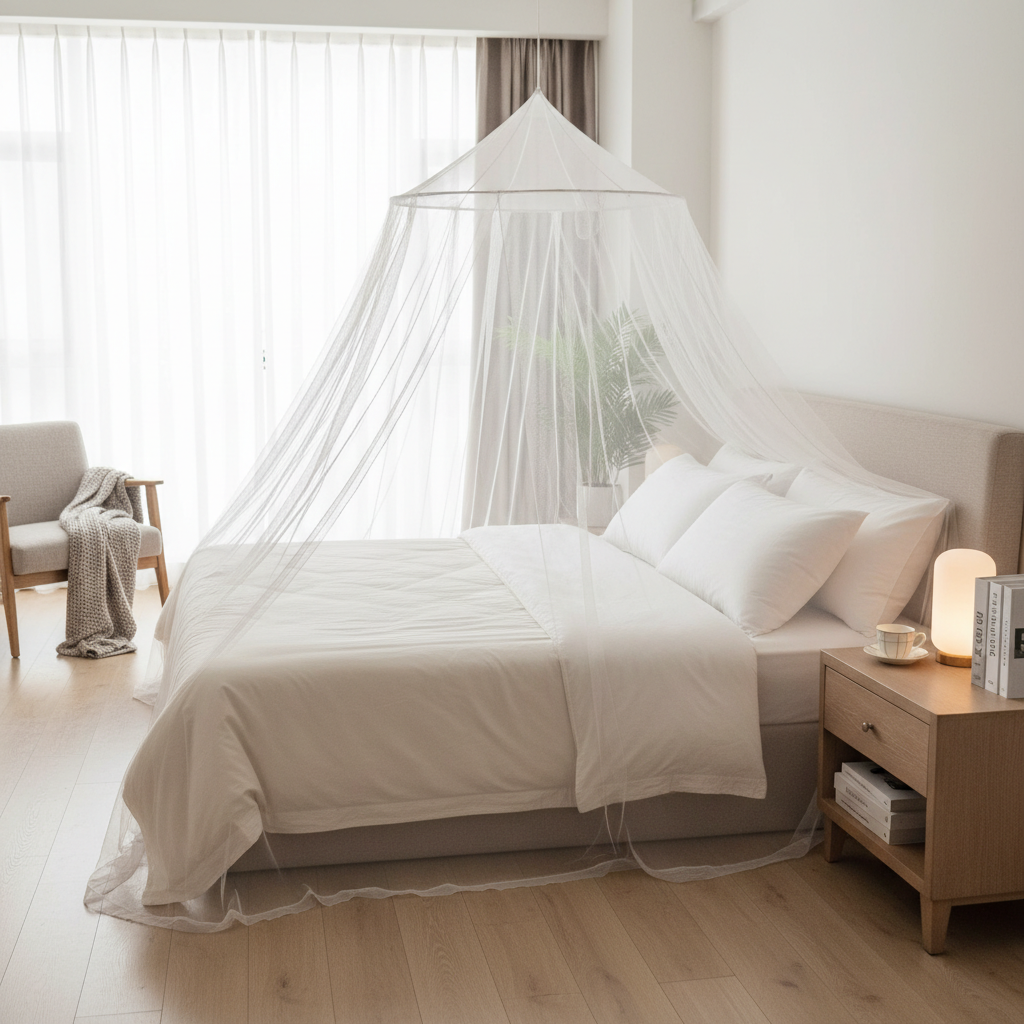
A mosquito bed tent is essentially a physical enclosure designed to create a mosquito-proof barrier around a sleeping area. Traditionally constructed from lightweight, finely woven fabric, modern mosquito bed tents often incorporate polyester, polyethylene, or other synthetic materials for enhanced durability and resistance to tearing. The defining feature is the incredibly tight weave, preventing mosquitoes from penetrating the fabric and reaching the individual inside.
The evolution of mosquito bed tents reflects advances in textile technology and a growing understanding of mosquito behavior. Early designs were often cumbersome and lacked portability, whereas contemporary models prioritize ease of use, compact storage, and enhanced breathability. They've transitioned from a purely functional item to a product increasingly incorporating features like integrated zippers, suspension systems, and even aesthetic designs.
In the context of modern industry, mosquito bed tents represent a critical intersection of textile manufacturing, public health, and humanitarian aid. They are not simply consumer goods but essential tools in disease prevention and a vital component of global health security. The quality and availability of these tents directly impact the health and well-being of countless individuals.
Core Components of Effective Mosquito Bed Tents
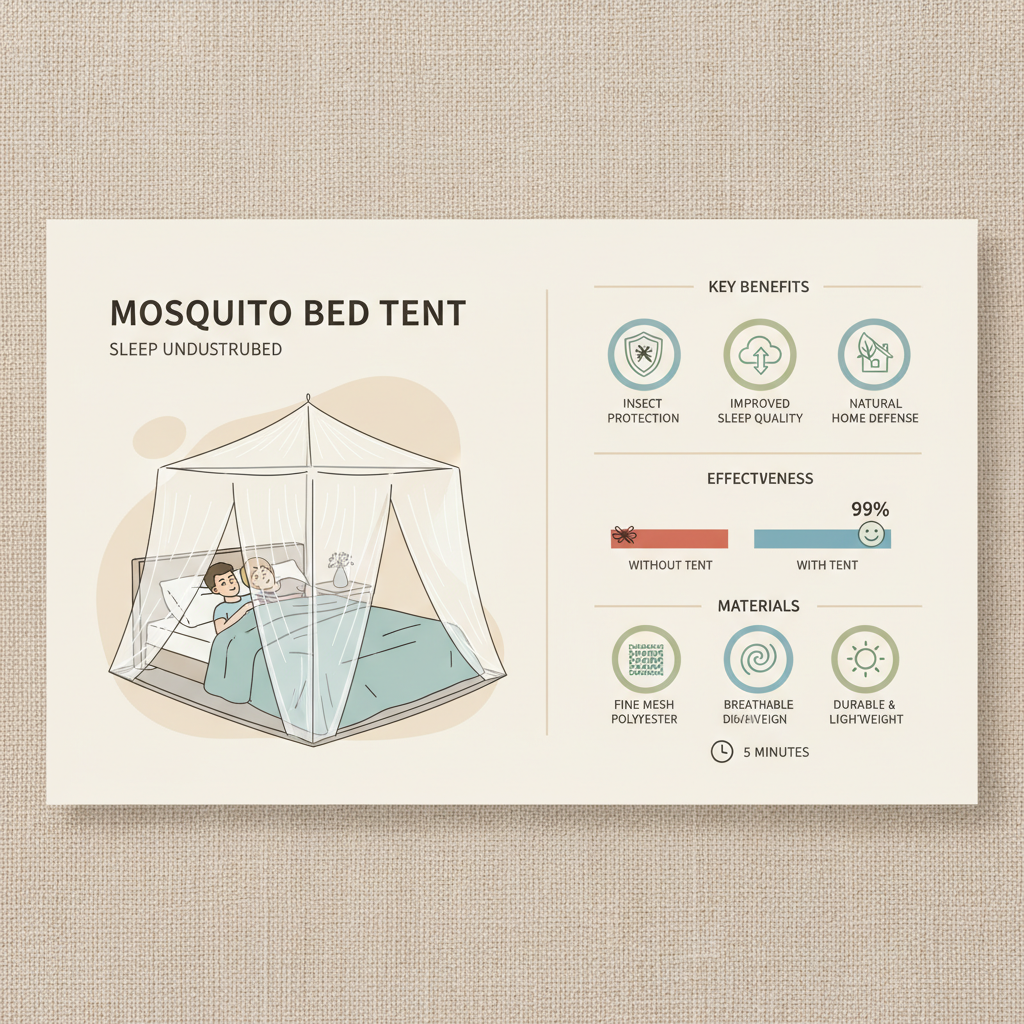
Several key factors determine the effectiveness and longevity of a mosquito bed tent. First is the Mesh Density, measured in holes per square inch. A higher mesh density provides a more robust barrier against mosquito penetration. Second, Material Durability is crucial; the fabric must be resistant to tearing, abrasion, and UV degradation to withstand regular use and environmental exposure.
Suspension System is also critical, allowing for easy and secure hanging of the tent. This includes the quality of ropes, rings, and attachment points, ensuring the tent remains properly positioned throughout the night. Finally, Breathability is essential for comfort; a tightly woven fabric must still allow for sufficient airflow to prevent overheating and condensation buildup. The ideal mosquito bed tent balances these factors for optimal performance.
Beyond these core components, Portability and Ease of Use are becoming increasingly important considerations. Lightweight designs that can be easily packed and deployed are particularly valuable for travelers, aid workers, and individuals living in temporary shelters. The simplicity of setup and takedown also contributes to consistent and correct usage.
Global Applications and Deployment Strategies
The applications of mosquito bed tents are remarkably diverse, spanning individual household use to large-scale public health campaigns. In sub-Saharan Africa, they are a primary intervention in malaria prevention programs, distributed through government initiatives, NGOs, and international aid organizations. In Southeast Asia, where dengue fever is endemic, mosquito bed tents offer crucial protection, particularly during peak mosquito season.
In post-disaster relief operations, mosquito bed tents are often among the first essential supplies delivered to affected communities. These tents provide immediate protection against mosquito-borne diseases in environments where sanitation and healthcare infrastructure have been disrupted. Refugee camps also heavily rely on mosquito bed tents to protect vulnerable populations displaced by conflict or persecution.
Deployment strategies vary depending on the context. Mass distribution campaigns often involve community health workers who educate residents on proper usage and maintenance. Targeted distribution focuses on high-risk groups, such as pregnant women and children under five. Integrating mosquito bed tent distribution with other vector control measures, like indoor residual spraying and larviciding, maximizes overall effectiveness.
Comparative Effectiveness of Mosquito Bed Tent Materials
Advantages and Long-Term Value
The advantages of using mosquito bed tents extend far beyond immediate disease prevention. From a cost perspective, they offer a highly economical solution compared to other vector control methods. A well-maintained mosquito bed tent can provide years of protection, representing a significant return on investment.
From a sustainability standpoint, modern mosquito bed tents are increasingly manufactured from recycled materials, reducing their environmental footprint. The long-term value also encompasses the social impact – improved health leads to increased school attendance, greater workforce participation, and enhanced economic productivity within communities.
Future Trends and Innovations
The future of mosquito bed tents lies in integrating advanced materials and technologies. Researchers are exploring the use of nano-coatings to enhance insect repellency and UV resistance. Smart mosquito bed tents equipped with sensors to monitor environmental conditions and provide real-time alerts about mosquito activity are also under development.
Another promising trend is the incorporation of biodegradable materials, further reducing the environmental impact of these products. Furthermore, advancements in digital manufacturing and 3D printing could enable customized mosquito bed tent designs tailored to specific needs and environments.
Policy changes promoting the use of standardized, high-quality mosquito bed tents and fostering collaborations between manufacturers, public health organizations, and research institutions will be crucial for accelerating innovation and maximizing impact.
Challenges and Solutions in Mosquito Bed Tent Implementation
Despite their effectiveness, implementing mosquito bed tent programs faces several challenges. Insecticide resistance is a growing concern, diminishing the effectiveness of ITNs and potentially increasing reliance on physical barriers. Ensuring consistent and correct usage is another hurdle, requiring comprehensive education and behavioral change interventions.
Logistical challenges related to distribution, particularly in remote or conflict-affected areas, can hinder access to mosquito bed tents for those who need them most. Financial sustainability is also a concern, as long-term funding for mosquito bed tent programs often relies on external aid.
Solutions include investing in research and development of new materials and designs that are resistant to insecticides and more durable. Strengthening community engagement and education programs can promote proper usage. Developing innovative financing mechanisms and fostering public-private partnerships can ensure long-term sustainability.
Core Factors Influencing Mosquito Bed Tent Effectiveness
| Material Composition |
Mesh Density (Holes/in²) |
Durability Score (1-10) |
Cost per Unit (USD) |
| Polyester |
150 |
7 |
$5 |
| Polyethylene |
130 |
6 |
$4 |
| Cotton |
100 |
4 |
$3 |
| Nylon |
170 |
9 |
$8 |
| Polipropylene |
140 |
6 |
$4.50 |
| Recycled Polyester |
160 |
8 |
$6 |
FAQS
It's recommended to wash your mosquito bed tent 2-3 times a year, or more frequently if it's exposed to significant dust or dirt. Use a mild detergent and lukewarm water. Avoid harsh chemicals or bleach, as they can damage the mesh. Always ensure the tent is completely dry before storing it to prevent mildew. Proper maintenance extends the lifespan and effectiveness of the mosquito bed tent.
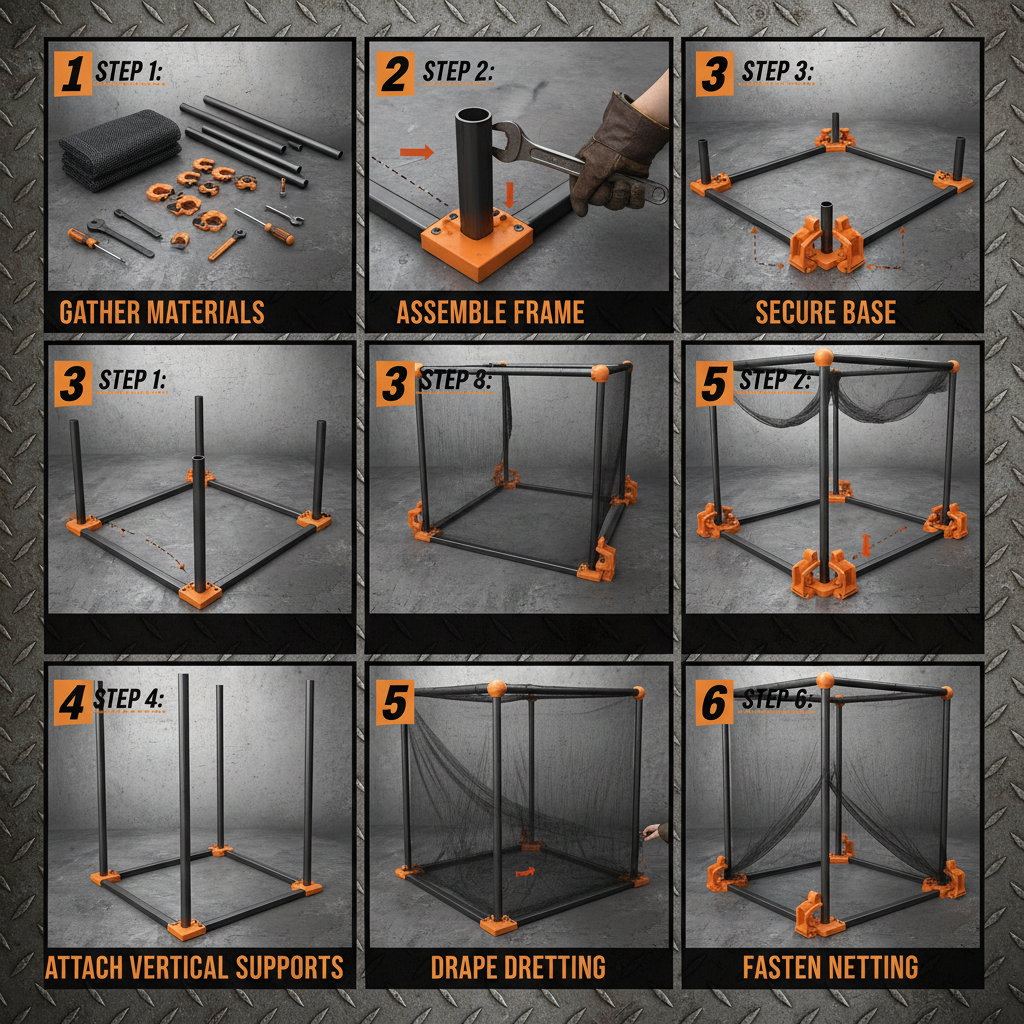
The best way to hang a mosquito bed tent depends on the specific model. Generally, you'll need a sturdy overhead support, such as a beam or hook. Ensure the tent is fully suspended and doesn't touch the ground. Distribute the weight evenly to prevent sagging. Clear the area around the tent of any obstructions that could create tears. Check the manufacturer's instructions for specific guidance.
No, not all mosquito bed tents are created equal. Effectiveness depends on factors like mesh density, material durability, and proper usage. Look for tents with a high mesh count (at least 150 holes per square inch) and durable materials like polyester or nylon. Also, ensure the tent is properly sealed and free of holes. A well-maintained, high-quality mosquito bed tent provides the best protection.
Small holes can often be repaired with a specialized mosquito net repair kit, which typically includes patches and adhesive. Clean the area around the hole thoroughly before applying the patch. Ensure the patch adheres firmly to prevent mosquitoes from entering. For larger tears, it's generally best to replace the tent to maintain optimal protection.
With proper care and maintenance, a quality mosquito bed tent can last for several years – typically 3-5 years, or even longer. Regular washing, careful handling, and prompt repairs of any damage can significantly extend its lifespan. Exposure to sunlight and harsh weather conditions can accelerate degradation, so storing the tent properly when not in use is also important.
Yes, mosquito bed tents are generally safe for infants and young children, provided they are used correctly. Ensure the tent is securely suspended and doesn't pose a suffocation hazard. Avoid using tents with small parts that could be a choking hazard. Always supervise infants and young children when they are inside the tent. Choose a mosquito bed tent designed with safety in mind.
Conclusion
In conclusion, mosquito bed tents remain an indispensable tool in the global fight against vector-borne diseases. Their affordability, portability, and proven effectiveness make them a practical solution for protecting individuals and communities worldwide. From household use to emergency response situations, these tents provide a critical barrier against mosquito-borne illnesses, enhancing health and well-being. Investing in high-quality materials, promoting proper usage, and fostering continuous innovation are crucial for maximizing the impact of mosquito bed tents.
Looking ahead, continued research into advanced materials, smart technologies, and sustainable manufacturing practices will further enhance the effectiveness and longevity of these essential protective measures. By addressing the challenges of insecticide resistance and logistical complexities, we can ensure that mosquito bed tents continue to play a vital role in safeguarding public health and improving the quality of life for vulnerable populations. Visit our website at www.crscreen.com to learn more about our range of mosquito bed tents.