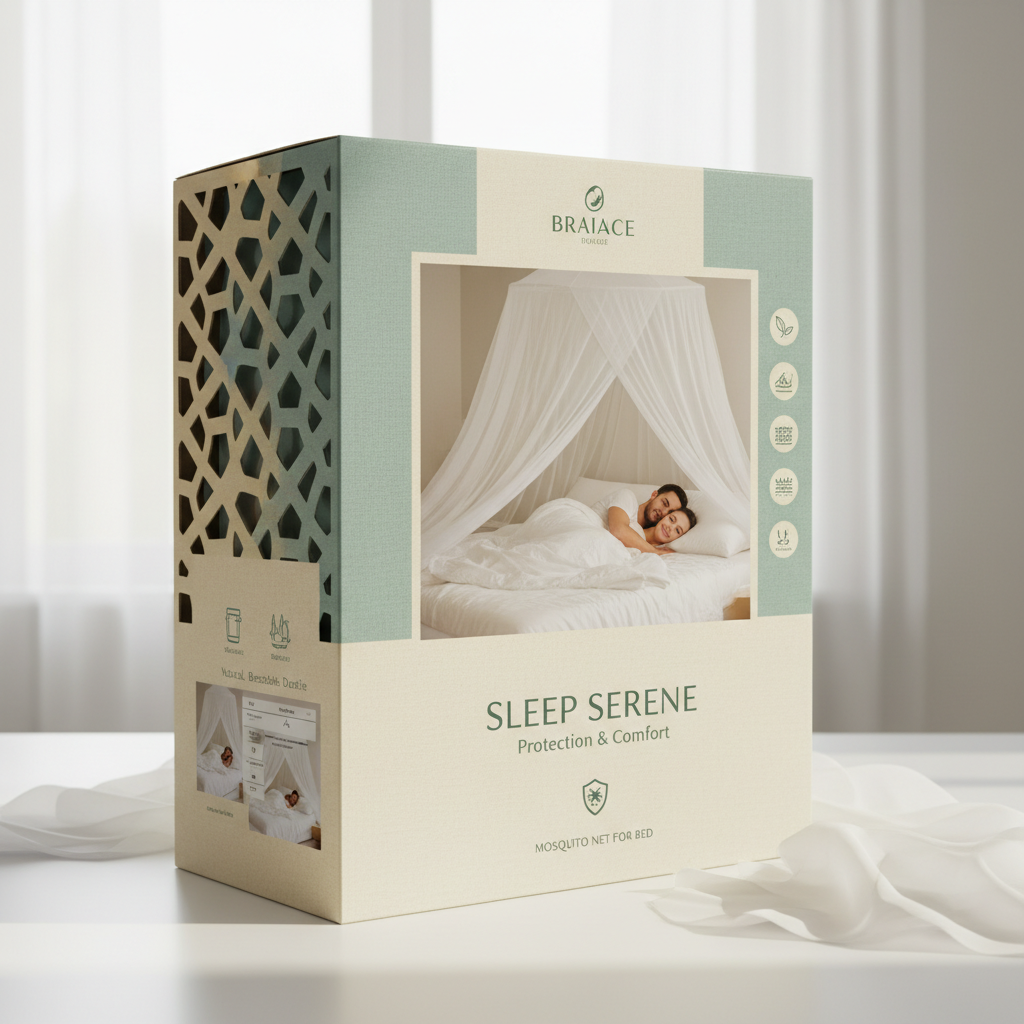
The humble mosquito canopy net, often envisioned as a simple bed covering, represents a critical intervention in global health and well-being. Its impact extends far beyond personal comfort, acting as a vital barrier against vector-borne diseases like malaria, dengue fever, and Zika virus. Understanding the nuances of mosquito canopy net design, materials, and deployment is paramount, particularly in regions where these diseases are endemic, and even increasingly relevant in areas experiencing climate change and shifting mosquito populations.
The importance of effective mosquito protection is underscored by the World Health Organization’s continued emphasis on insecticide-treated nets (ITNs) as a key component of malaria control strategies. Beyond public health, mosquito canopy nets play a role in agricultural protection – shielding crops from insect damage – and are finding innovative applications in disaster relief and temporary shelter solutions. This confluence of applications drives the continuous evolution of mosquito canopy net technology and manufacturing.
Modern advancements in materials science are leading to the development of more durable, lightweight, and environmentally friendly mosquito canopy nets. From traditional polyethylene to innovative blends incorporating UV stabilizers and improved weave structures, the advancements enhance efficacy, longevity and user experience.
The Global Significance of mosquito canopy net
The global burden of mosquito-borne diseases is immense, impacting millions annually, particularly in developing countries. According to the World Health Organization, malaria alone caused an estimated 249 million cases and 600,000 deaths in 2022. The effective use of mosquito canopy net, especially insecticide-treated nets, is a cornerstone of preventative strategies. The United Nations Sustainable Development Goals (SDGs), specifically SDG 3 (Good Health and Well-being), directly address the need to combat these diseases.
Beyond malaria, dengue fever, Zika virus, and chikungunya pose significant public health challenges. The geographical distribution of these diseases is expanding due to factors like climate change, urbanization, and increased international travel. This widening range necessitates widespread access to affordable and effective mosquito canopy net solutions. Furthermore, the economic impact of these diseases is substantial, hindering economic growth and placing a strain on healthcare systems.
Defining mosquito canopy net: From Protection to Practicality
A mosquito canopy net, in its most basic form, is a barrier designed to prevent mosquitoes and other insects from reaching a person or space. Historically, these nets were crafted from natural fibers like cotton or silk. Modern mosquito canopy net are predominantly made from synthetic materials, such as polyethylene, polyester, or polypropylene, chosen for their durability, lightweight nature, and cost-effectiveness. The mesh size of the net is crucial, dictating the type and size of insects it can effectively exclude.
The evolution of mosquito canopy net reflects a growing understanding of disease transmission and material science. Insecticide-treated nets (ITNs), which are nets pre-treated with insecticide (typically pyrethroids), provide an added layer of protection by killing mosquitoes that land on the net. Long-lasting insecticidal nets (LLINs) represent a further advancement, with the insecticide incorporated directly into the fiber during manufacturing, offering prolonged protection even after repeated washing.
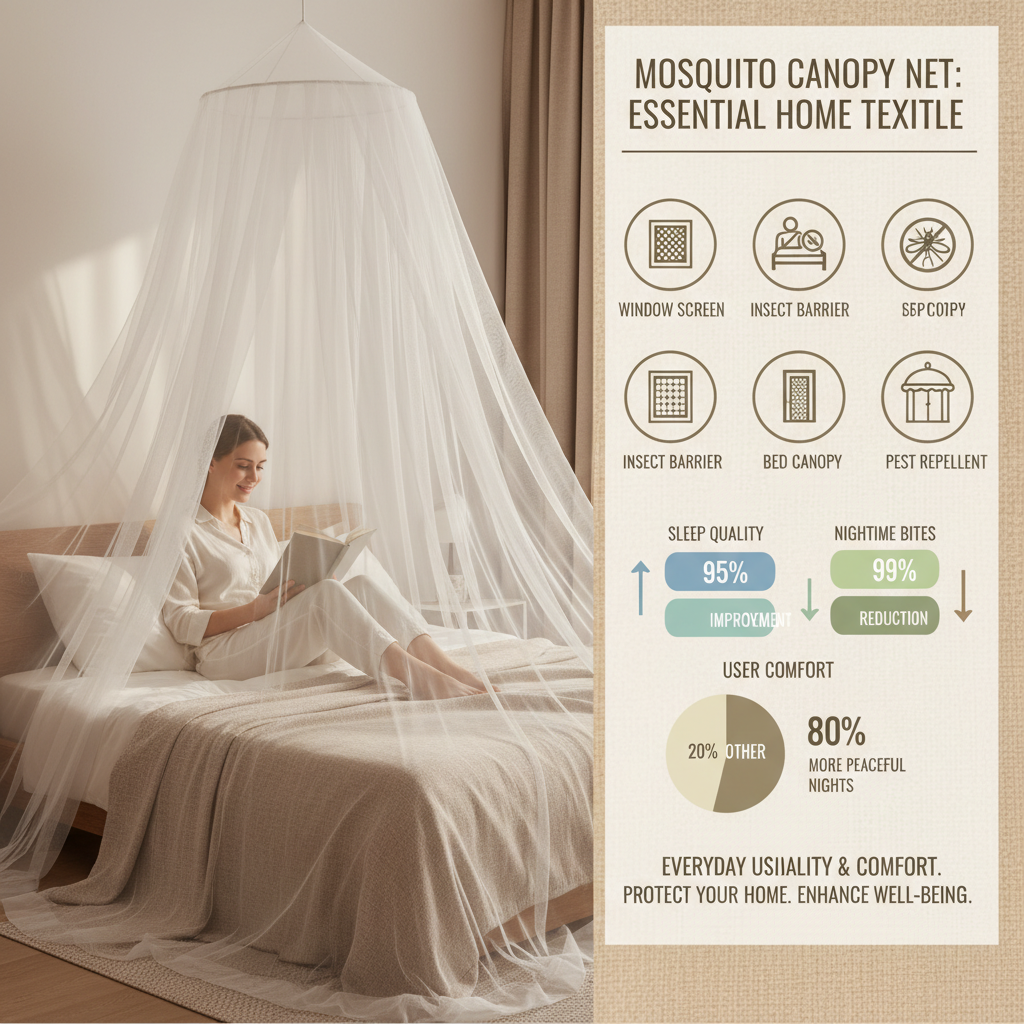
Today, the concept of a mosquito canopy net extends beyond simple bed nets. It encompasses a wider range of applications, including window screens, door screens, and protective enclosures for outdoor spaces. This broadened scope highlights the versatility and increasing demand for effective insect barrier solutions.
Core Components Influencing mosquito canopy net Effectiveness
Several key factors determine the effectiveness of a mosquito canopy net. Mesh Size is paramount – smaller mesh sizes offer better protection against smaller insects. A mesh size of 150-250 holes per square inch is generally recommended. Material Durability significantly impacts longevity. High-quality materials resist tearing and degradation from UV exposure and frequent washing. The weave density also plays a role; tighter weaves offer increased resistance to penetration.
Insecticide Treatment (for ITNs and LLINs) is a crucial component for enhanced protection. The type of insecticide, its concentration, and its longevity determine the net’s ability to kill mosquitoes. Maintaining the insecticide’s effectiveness through proper use and re-treatment (where applicable) is essential. Net Design and Size also play a role. A properly sized net that is easy to use and maintain is more likely to be consistently employed.
Finally, User Compliance is often overlooked. Even the most technologically advanced mosquito canopy net is ineffective if it is not used correctly or consistently. Education and outreach programs are vital to promote proper net usage and maintenance, particularly in vulnerable populations.
Diverse Applications of mosquito canopy net Across Sectors
While often associated with household use, mosquito canopy net find application across a surprising range of sectors. In Public Health, they are the cornerstone of malaria prevention programs, distributed through international aid organizations and government initiatives. In Agriculture, specialized mosquito canopy net are used to protect crops from insect pests, enhancing yields and reducing pesticide use.
In Disaster Relief, mosquito canopy net provide immediate protection against disease vectors in temporary shelters and refugee camps. They offer a vital safeguard against outbreaks following natural disasters. In Tourism and Hospitality, mosquito canopy net enhance guest comfort and safety in areas with high mosquito populations. They are frequently used in hotels, lodges, and campsites.
Effectiveness of Different mosquito canopy net Types
Advantages and Long-Term Value of Utilizing mosquito canopy net
The advantages of using mosquito canopy net are multifaceted. From a Public Health perspective, they significantly reduce the incidence of vector-borne diseases, leading to improved health outcomes and reduced healthcare costs. Economically, preventing these diseases boosts productivity and reduces financial burdens on families and communities.
From a Sustainability standpoint, durable mosquito canopy net minimize waste and reduce the need for frequent replacements. Choosing nets made from recycled materials further enhances their environmental friendliness. On a Social Impact level, mosquito canopy net offer a sense of security and well-being, particularly for vulnerable populations. Providing access to these nets promotes health equity and reduces health disparities.
Future Trends and Innovations in mosquito canopy net Technology
The future of mosquito canopy net is poised for exciting advancements. Research into new, more effective insecticide formulations, with reduced environmental impact, is ongoing. The development of nano-technology infused nets, offering enhanced durability and insecticidal properties, is a promising avenue.
Digital technologies, such as sensor-equipped nets that can monitor net usage and insecticide levels, are emerging. These “smart” nets can provide valuable data for public health interventions. Furthermore, advancements in materials science are leading to the creation of biodegradable mosquito canopy net, reducing the environmental footprint of disposal.
Challenges and Solutions in mosquito canopy net Implementation
Despite their effectiveness, challenges remain in the widespread implementation of mosquito canopy net programs. Insecticide Resistance is a growing concern, requiring the development of new insecticide formulations and strategies for insecticide rotation. Net Durability is another challenge, as nets can become damaged or degraded over time.
User Compliance can be hindered by factors such as discomfort, inconvenience, or lack of awareness. Logistical Challenges in distribution and maintenance, particularly in remote areas, can impede program effectiveness. Solutions involve investing in research and development of new technologies, strengthening supply chains, improving community engagement, and providing education on proper net usage and maintenance.
Addressing these challenges requires a collaborative approach involving governments, international organizations, and local communities. Continuous monitoring and evaluation of programs are essential to ensure their effectiveness and adapt strategies as needed.
Summary of Challenges and Potential Solutions for mosquito canopy net Implementation
| Challenge |
Impact on mosquito canopy net Effectiveness |
Potential Solution |
Implementation Cost (Scale 1-10) |
| Insecticide Resistance |
Reduced net efficacy, increased disease transmission |
Develop and deploy new insecticide formulations; Insecticide rotation strategies |
7 |
| Net Durability |
Frequent net replacements, increased costs |
Utilize more durable materials; Implement net repair programs |
6 |
| Low User Compliance |
Reduced protection, continued disease transmission |
Community education programs; Address net discomfort |
4 |
| Supply Chain Disruptions |
Net shortages, delays in distribution |
Diversify suppliers; Strengthen local production capacity |
8 |
| Limited Funding |
Reduced program scale, unsustainable interventions |
Advocate for increased funding; Explore innovative financing mechanisms |
9 |
| Lack of Monitoring & Evaluation |
Inability to assess program impact; inefficient resource allocation |
Implement robust monitoring systems; conduct regular program evaluations |
5 |
FAQS
A properly maintained LLIN should provide effective protection for 3-5 years. However, the lifespan can be affected by factors such as washing frequency, exposure to sunlight, and handling. Regular inspection for holes and tears is crucial, and nets should be re-treated if the insecticide levels decline. Replacing nets after the recommended lifespan ensures continued protection against mosquito-borne diseases. Consider the specific manufacturer's guidance for best lifespan estimates.
Mosquito canopy nets should be washed 1-2 times per year, or more frequently if visibly dirty. Avoid using harsh detergents or bleach, as these can damage the net and reduce the effectiveness of the insecticide. Hand washing is preferred; if machine washing, use a gentle cycle and cold water. Air dry the net in a shaded area, avoiding direct sunlight, which can degrade the insecticide. Properly washing and drying helps maintain the net’s integrity and prolong its protective lifespan.
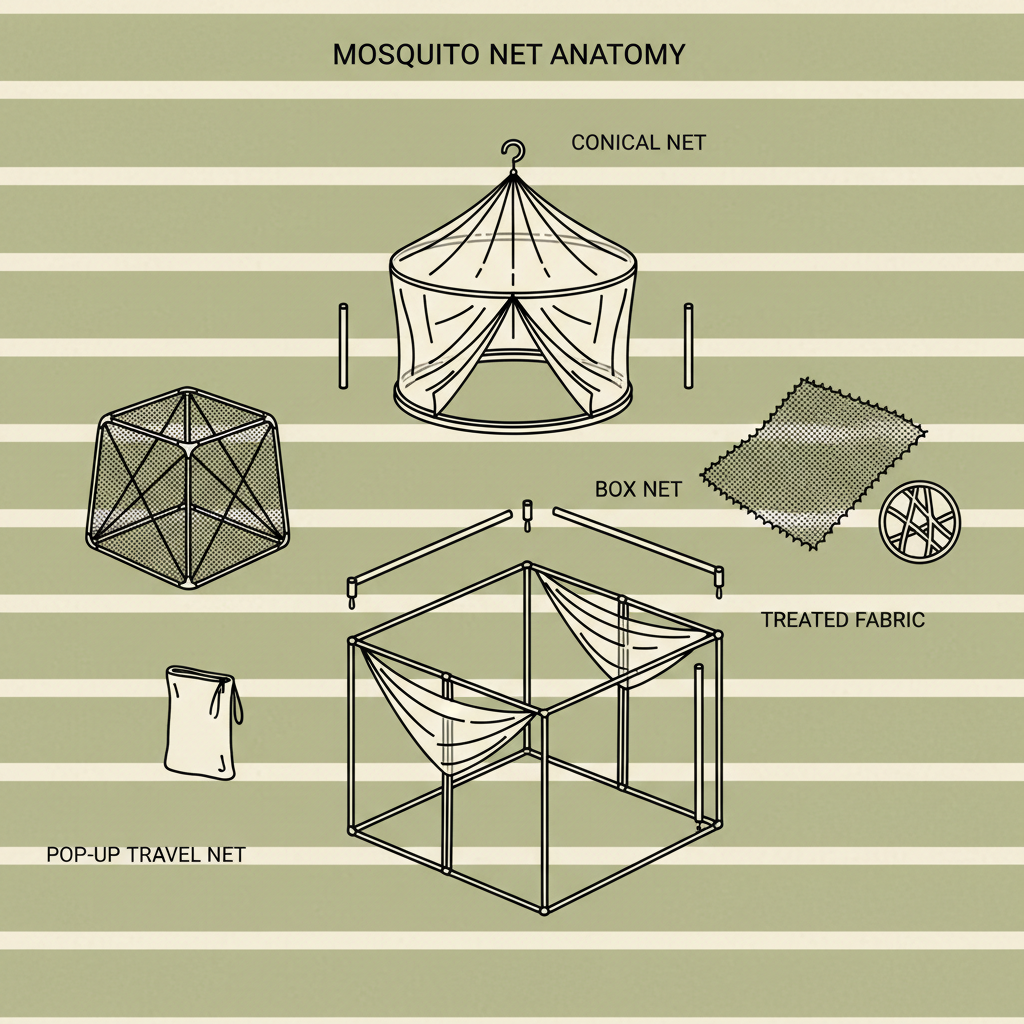
Not all mosquito nets are the same. Standard polyethylene nets offer basic protection. LLINs (Long-Lasting Insecticidal Nets) are pre-treated with insecticide for enhanced protection. There are also various sizes and shapes to suit different bed types and sleeping arrangements. For travel, portable mosquito canopy net are available. Selecting the appropriate net depends on the specific risk level, environment, and personal preferences. Consider the mosquito species prevalent in the area when choosing a net.
Small holes and tears in a mosquito canopy net can significantly reduce its effectiveness. They should be repaired promptly. Repair kits are available, or you can use a needle and thread to carefully mend the net. For larger tears, it’s generally recommended to replace the net. Regular inspection and timely repair are crucial to maintain the protective barrier against mosquitoes. Consider patching even small holes to extend the net's lifespan.
Insecticide-treated nets (ITNs) and long-lasting insecticidal nets (LLINs) are generally considered safe for children and pregnant women when used correctly. The pyrethroid insecticides used in these nets have a low toxicity to mammals. However, it's crucial to follow the manufacturer's instructions and avoid direct contact with the insecticide. Consult with a healthcare professional if you have any concerns, especially during pregnancy or if you have underlying health conditions.
Improper disposal of old mosquito canopy nets can contribute to environmental pollution. It’s generally not recommended to simply throw them away. Some organizations collect used nets for recycling or safe disposal. Check with local health authorities or NGOs to see if there are any net collection programs in your area. If recycling isn't available, consider repurposing the net for other uses, such as garden netting or crafting materials.
Conclusion
In conclusion, the mosquito canopy net stands as a remarkably effective, yet often underappreciated, tool in the fight against vector-borne diseases. From its evolution from simple fabric barriers to sophisticated insecticide-treated nets, innovation continues to enhance its protective capabilities. Its application spans public health, agriculture, disaster relief, and beyond, demonstrating its versatility and enduring relevance. Investing in quality mosquito canopy nets and promoting their proper use remains a cornerstone of global health security.
Looking ahead, ongoing research and development are crucial to address emerging challenges, such as insecticide resistance and the need for more sustainable materials. Collaborative efforts between governments, international organizations, and local communities are essential to ensure widespread access to this life-saving technology. To learn more about our range of high-quality mosquito canopy net solutions and how we contribute to a healthier world, visit our website at mosquito canopy net.