Ensuring a restful night's sleep is a fundamental human need, yet for millions living in tropical and subtropical regions, this is often interrupted by disease-carrying insects. A high-quality mosquito cover for bed serves as more than just a physical barrier; it is a critical tool for public health, preventing the transmission of malaria, dengue, and zika virus. By integrating advanced polymer science with ergonomic design, modern bed covers provide a safe haven that balances protection with breathability.
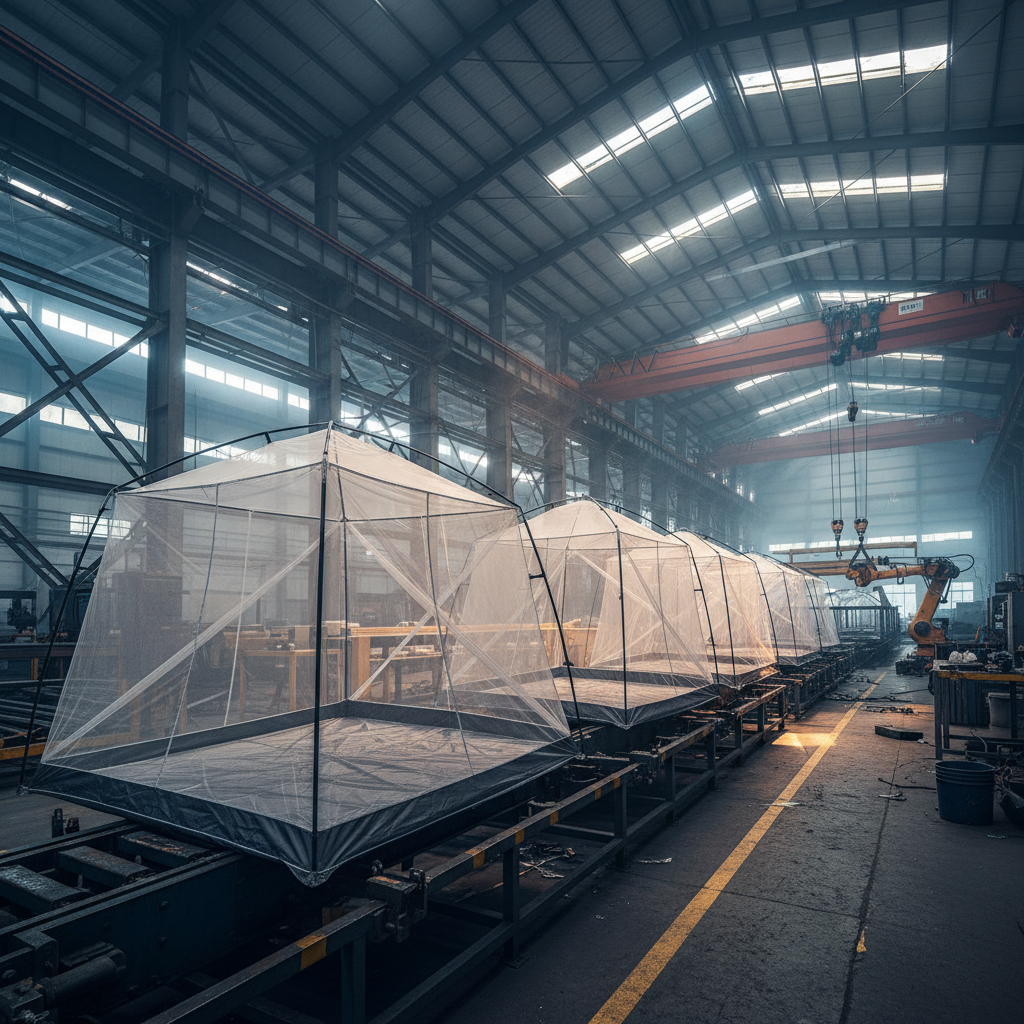
The global demand for effective insect barriers has evolved from simple gauze curtains to sophisticated, long-lasting insecticidal nets (LLINs) and high-density polyethylene meshes. The industrial production of these covers now focuses on the intersection of durability and airflow, ensuring that users do not sacrifice comfort for safety. Understanding the technical specifications of the mesh size and material composition is essential for choosing a product that can withstand daily wear and tear while remaining impenetrable to the smallest insects.
In this comprehensive guide, we explore the technical evolution, material science, and practical applications of the mosquito cover for bed. From humanitarian deployments in disaster-stricken areas to luxury residential installations, the engineering behind these covers reflects a broader commitment to global health and sustainable manufacturing. Whether you are a procurement officer for an NGO or a homeowner seeking peace of mind, the following analysis provides the necessary insights into the current state of the insect screen industry.
Global Relevance and Industry Context of Bed Covers
The global impact of vector-borne diseases remains a significant challenge for the World Health Organization (WHO) and various international health bodies. In many regions, the simple deployment of a mosquito cover for bed is cited as one of the most cost-effective interventions to reduce child mortality and improve maternal health. The industrial scale of production for these covers has shifted towards high-tenacity plastics and treated polymers to meet the rigorous standards of ISO and other quality benchmarks.
Beyond health, the industry is reacting to the growing demand for "invisible" protection in urban architectural designs. As climate change expands the habitats of tropical insects into previously temperate zones, the market for specialized bed covers has expanded. This shift has forced manufacturers to innovate, moving from coarse cotton nets to micro-mesh synthetic fibers that offer superior protection without hindering the natural ventilation of the bedroom.
Defining the Technical Standards of Bed Covers
In professional manufacturing terms, a mosquito cover for bed is defined as a semi-permeable structural barrier designed to prevent the entry of dipterous insects while maintaining gas exchange. Unlike standard curtains, these covers must adhere to specific "hole size" tolerances—typically measured in microns—to ensure that even the smallest species of sandflies or midges cannot penetrate the mesh.
From a humanitarian perspective, these covers are categorized by their treatment levels. Long-lasting insecticidal nets (LLINs) are impregnated with pyrethroids during the manufacturing process, ensuring that the protection lasts for several years without requiring re-treatment. This industrial integration of chemistry and textile engineering represents a leap forward in preventing epidemic outbreaks in remote industrial zones or refugee camps.
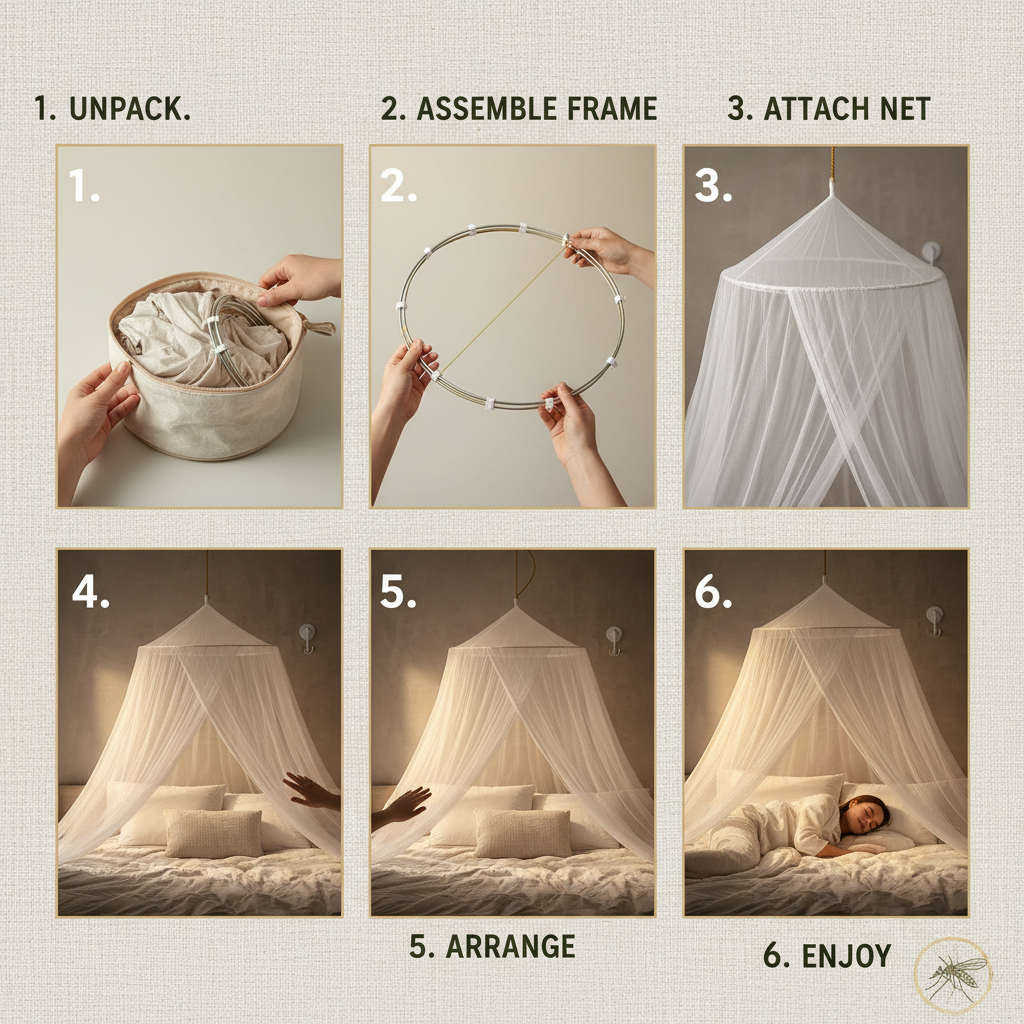
Modern definitions also encompass the structural versatility of the cover. Whether it is a pop-up canopy, a frame-supported dome, or a ceiling-hung drape, the primary goal remains the same: creating a sterile, insect-free micro-environment. The focus has shifted toward "user-centric" design, where the ease of installation is as important as the technical density of the plastic mesh.
Core Components and Material Engineering
The durability of a mosquito cover for bed depends largely on the polymer base. Most industrial-grade covers utilize high-density polyethylene (HDPE) or polyester, which provide the necessary tensile strength to prevent ripping during installation or accidental contact. This material selection ensures that the cover can withstand the environmental stresses of high humidity and temperature fluctuations.
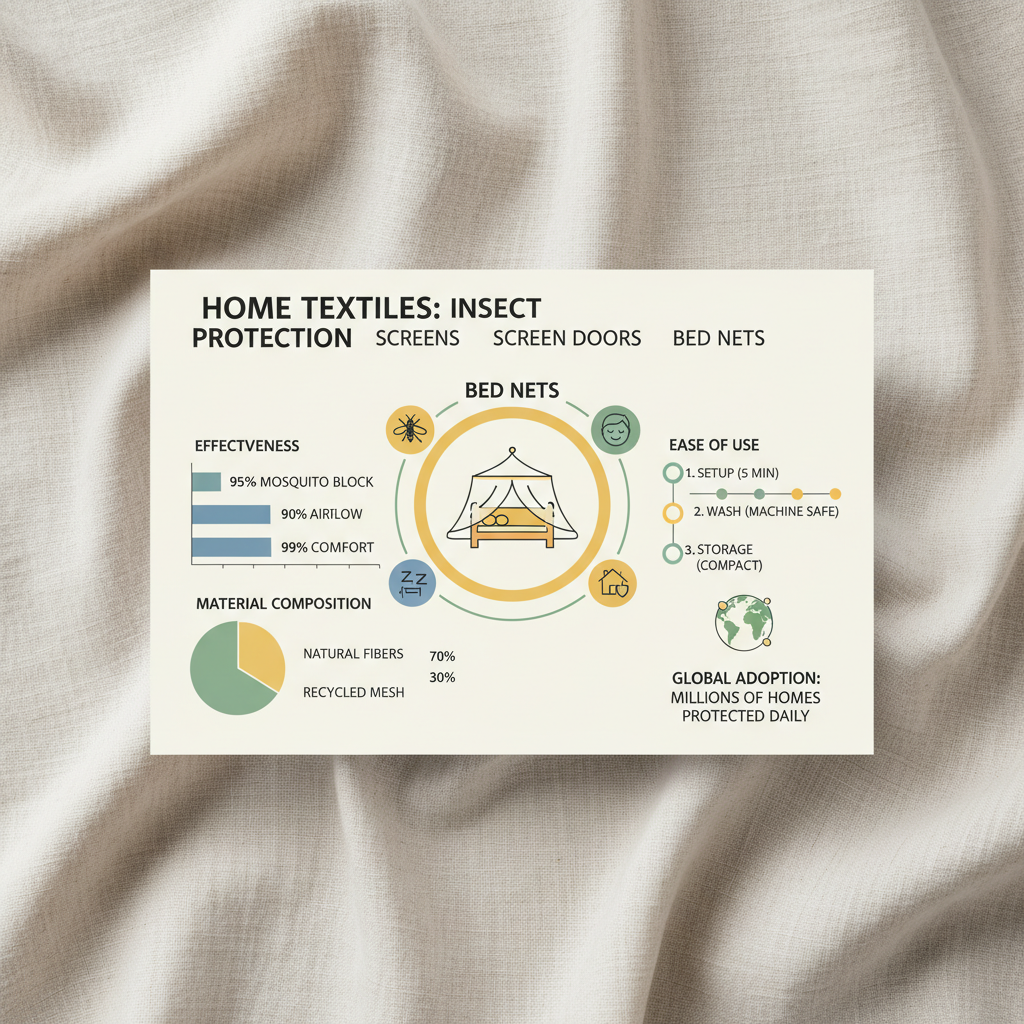
Airflow efficiency is the second critical component. A mosquito cover for bed must balance mesh density with breathability; if the holes are too small, the interior becomes stifling, leading users to leave the cover open. Engineering the "open area percentage" allows manufacturers to optimize the balance between insect exclusion and thermal comfort.
Finally, the finishing and edge-sealing processes determine the product's lifespan. Reinforced hemlines and high-quality zippers or Velcro closures prevent the "gap effect," where insects find entry points at the seams. In high-end versions, UV-stabilizers are added to the plastic fibers to prevent the material from becoming brittle when exposed to sunlight in open-air sleeping environments.
Comparative Performance of Bed Cover Materials
Selecting the right material for a mosquito cover for bed involves analyzing several performance metrics, including tear resistance, transparency, and breathability. While traditional cotton was once the standard, synthetic polymers have taken over due to their ability to be woven into much tighter, more consistent grids that are far more effective at stopping small insects.
To better understand these differences, we examine how various manufacturing methods impact the overall utility of the product. For instance, extruded plastic mesh offers a different set of benefits compared to woven polyester, particularly regarding cost and scalability for large-scale humanitarian projects.
Performance Metrics for Various Bed Cover Types
Global Applications and Humanitarian Use Cases
In post-disaster relief operations, the rapid deployment of a mosquito cover for bed is a priority for NGOs like the Red Cross or UNICEF. In temporary shelters where permanent screening is impossible, pop-up mosquito covers provide immediate protection against malaria and other vectors, significantly reducing the burden on local healthcare systems during crises.
Beyond emergency relief, these solutions are widely used in remote industrial zones, such as mining camps in Sub-Saharan Africa or oil rigs in Southeast Asia. In these environments, workers are often exposed to unfamiliar insect species; providing a standardized, high-quality bed cover ensures that productivity is not hampered by preventable insect-borne illnesses.
Long-Term Value and Sustainability Benefits
The long-term value of investing in a professional-grade mosquito cover for bed extends beyond immediate protection. From an economic standpoint, the "cost-per-night" of a durable synthetic cover is significantly lower than that of cheap, disposable alternatives that tear within weeks. High-quality polymers ensure that a single cover can serve a family for several years.
From a sustainability perspective, the industry is moving toward recyclable plastics and biodegradable polymers. By reducing the reliance on chemical sprays and aerosols, bed covers offer a "passive" protection method that is far more environmentally friendly. This reduces the chemical load on the local ecosystem and prevents insects from developing rapid resistance to common insecticides.
Ultimately, the use of these covers provides a sense of dignity and security. Sleep is a basic biological necessity, and the ability to sleep without the fear of bites or disease is a fundamental component of wellbeing. This psychological benefit, combined with the tangible health outcomes, makes the bed cover an indispensable tool for modern living in vector-prone areas.
Future Trends in Insect Barrier Technology
The future of the mosquito cover for bed is being shaped by nanotechnology and "smart" materials. We are seeing the development of nano-coatings that can repel insects using biomimetic structures—mimicking the surface of lotus leaves—which makes the mesh virtually frictionless for insects and prevents them from gaining a foothold on the fabric.
Digital transformation is also touching the production line. Automation in 3D knitting and precision extrusion allows for "variable density" covers, where the mesh is tighter at the bottom (where insects are more likely to crawl) and more open at the top for maximum ventilation. This tailored approach optimizes the performance of the cover based on actual usage patterns.
Furthermore, the integration of green energy is appearing in the form of solar-powered perimeter lighting integrated into the bed frames, which works in tandem with the cover to deter insects before they even reach the netting. These innovations ensure that the bed cover remains the primary line of defense in an increasingly complex environmental landscape.
Technical Comparison of Future Bed Cover Innovations
| Technology Type |
Protection Mechanism |
Eco-Friendliness |
Deployment Cost |
| Nano-Coated Mesh |
Physical Repellency |
High (Chemical-free) |
Moderate-High |
| Biodegradable PLA |
Standard Barrier |
Very High |
Moderate |
| Smart-Variable Density |
Optimized Airflow/Seal |
Moderate |
High |
| LLIN Gen 3 |
Slow-Release Bio-Toxin |
Moderate |
Low (Scale) |
| Carbon-Fiber Frame |
Structural Integrity |
High (Durability) |
High |
| Hybrid Poly-Silk |
High Tensile Barrier |
Moderate |
Moderate |
FAQS
The ideal mesh size depends on the local insect population. Generally, a mesh with 150 to 200 holes per square inch is recommended. This size is small enough to block most mosquito species and midges but large enough to allow sufficient airflow to prevent overheating during sleep. For areas with extremely small insects like sandflies, a higher density mesh may be required.
Avoid using harsh chemicals or bleach, as these can degrade the plastic fibers and strip away insecticidal coatings. We recommend hand washing with a mild detergent and cool water. Avoid scrubbing the mesh with abrasive brushes; instead, gently rinse the cover and air dry it in a shaded area to prevent UV degradation of the material.
Yes, they are perfectly suitable for air-conditioned rooms. In fact, the high-quality synthetic meshes used in our covers are designed to be "invisible" and breathable, allowing the cool air from an AC unit to circulate freely while ensuring that any insects that have entered the room cannot reach the sleeper.
LLINs provide a dual layer of protection. While a standard cover is a passive physical barrier, an LLIN actively repels and kills insects upon contact. This not only protects the individual sleeper but also helps reduce the overall mosquito population in the immediate vicinity, providing a community-level benefit in high-risk areas.
Depending on the material, a high-quality HDPE or polyester mosquito cover for bed can last between 3 to 7 years. Factors affecting longevity include the frequency of use, the method of cleaning, and the level of exposure to direct sunlight. Regular inspections for small tears and immediate patching can extend the lifespan significantly.
Yes, the industry is moving toward PLA (polylactic acid) and other bio-polymers that are compostable. Additionally, organic cotton options exist, though they often require chemical treatment to match the insect-blocking efficiency of synthetic micro-meshes. We recommend looking for certifications such as OEKO-TEX to ensure materials are free from harmful substances.
Conclusion
The mosquito cover for bed remains a cornerstone of preventative health and personal comfort globally. By combining advanced polymer science—such as the use of HDPE and treated polyesters—with ergonomic design, these covers provide an essential barrier against disease-carrying vectors. We have seen that the transition from simple gauze to engineered micro-meshes has not only improved protection but also enhanced the sustainability and longevity of these products, making them indispensable for both humanitarian aid and residential use.
Looking forward, the integration of nanotechnology and sustainable bio-plastics will further refine the balance between airflow and protection. For those seeking to safeguard their health or improve the living conditions of vulnerable populations, investing in high-standard, industrially certified bed covers is the most reliable strategy. We encourage you to prioritize material quality and mesh precision to ensure long-term peace of mind. Visit our website for professional insect screening solutions: www.crscreen.com