You know, I’ve been running around construction sites for fifteen years now, dealing with all sorts of materials, and frankly, the biggest trend lately is everyone wanting ‘smart’ everything. Smart rebar, smart cement… It’s a bit much, to be honest. But what really gets my attention isn’t the tech, it's the basic stuff done well. Like, you wouldn’t believe how many people screw up seemingly simple things, like the threading on these connectors. You think it's just a screw, right? Nope. Get the pitch wrong, and you're looking at a headache for the whole project.
I've seen perfectly good projects delayed for weeks just because someone skimped on the connector quality. It’s always the little things. Anyway, I think people are realizing that shiny new tech doesn't mean squat if the fundamentals aren't solid. We're slowly circling back to valuing reliability over bells and whistles.
And honestly, the pressure to cut costs is always there.

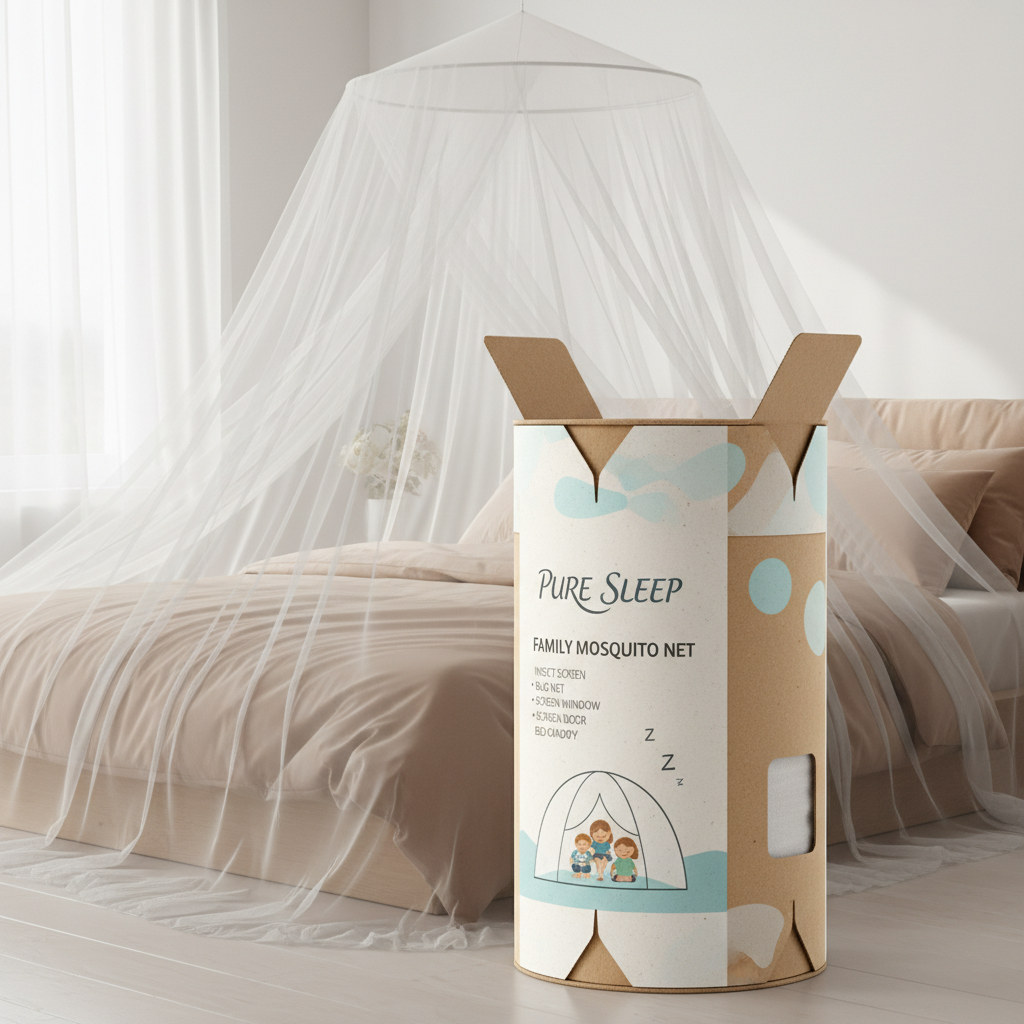
A bed bug net. Seems simple enough, right? But it’s more than just a bit of netting. It’s a barrier, a protection. We're talking about keeping biting insects away so people can actually sleep. It’s fundamental, especially in areas where vector-borne diseases are a real problem, or even just for basic comfort.
What's interesting is how the demand for these things ties into broader humanitarian efforts. It's not just about selling a product; it's about public health and improving living conditions, especially for vulnerable populations. I encountered this at a factory in Vietnam last time, and they were really focused on the social impact alongside the profit.
Washing frequency depends on usage and environment, but generally, aim for every 6-12 months. Avoid harsh detergents and excessive heat, as this can damage the netting and reduce the effectiveness of any insecticide treatment. Always follow the manufacturer's instructions for washing. Overwashing can reduce the longevity of the treatment, making it less effective against insects. It’s better to gently hand wash when possible.
Store your net in a cool, dry place, away from direct sunlight. Avoid storing it in a damp or humid environment, as this can lead to mildew. A breathable storage bag is ideal. Avoid folding it tightly, as this can create creases that weaken the material. Ideally, hang it loosely or roll it up gently. Keeping it stored properly ensures its longevity and continued effectiveness.
Insecticide-treated nets (ITNs) are generally considered safe when used as directed, even for children and pregnant women. However, it’s important to use nets that are WHO-approved, as these have undergone rigorous testing. Avoid direct contact with the netting during washing, and always follow the manufacturer’s instructions. If you have concerns, consult with a healthcare professional to ensure it’s appropriate for your specific situation.
The longevity of the insecticide treatment varies depending on the type of insecticide used and how the net is cared for. Generally, ITNs remain effective for 3-5 years with proper use and washing. After that, the insecticide levels may decline, reducing its effectiveness. Retreatment options are available, but it’s important to choose a safe and approved retreatment product. Frequent washing will also reduce the lifespan of the treatment.
Small tears can often be repaired with a fine needle and thread, using a similar type of material. However, large tears or significant damage may compromise the net’s effectiveness. It's important to ensure the repair doesn't create new openings that insects could enter. For extensive damage, it's often best to replace the net entirely to guarantee continued protection. Remember to treat the area around the repair with insecticide, if applicable.
A standard bed net is simply a physical barrier to prevent insects from reaching you while you sleep. An insecticide-treated net (ITN) has been treated with a specific insecticide, usually permethrin, which kills insects that come into contact with the net. ITNs provide an added layer of protection, significantly reducing the risk of insect bites and the transmission of diseases. The insecticide is designed to be long-lasting, but its effectiveness diminishes over time.
So, what does all this boil down to? Bed bug nets aren’t just a simple piece of fabric; they’re a critical tool for public health, disease prevention, and basic comfort. They’re a testament to the fact that sometimes, the simplest solutions are the most effective. From the materials used to the testing procedures and real-world applications, every aspect of a bed bug net is carefully considered and designed to serve a vital purpose.
Ultimately, whether this thing works or not, the worker will know the moment he tightens the screw. And if it doesn't, well, we go back to the drawing board and figure out what went wrong. That’s just how it is. If you’re looking for high-quality, reliable bed bug nets, visit our website: www.crscreen.com