
Dec . 03, 2025 15:24 Back to list
Comprehensive Guide to Roll Up Fly Screen Doors: Benefits, Uses & Innovations
What is a Roll Up Fly Screen Door and Why It Matters Globally
If you've ever battled pesky mosquitoes or flying insects making their way indoors, you probably appreciate the humble roll up fly screen door. But it’s more than just a simple household gadget. Across the globe, understanding and using these screens speaks to broader concerns around health, comfort, and sustainable living environments — especially in regions battling mosquito-borne diseases like malaria or dengue.
Beyond keeping bugs out, these doors help improve air circulation without compromising on protection, reducing reliance on chemical repellents, and saving energy costs linked to air conditioning. Globally, their adoption aligns with sanitation and healthy living goals endorsed by international organizations, including the World Health Organization (WHO). So, diving into the details of roll up fly screen doors shows us how a simple design helps tackle very modern challenges.
Introduction: The Global Context of Roll Up Fly Screen Doors
According to the World Health Organization, over 700 million people annually suffer from illnesses transmitted by mosquitoes and other flying insects, a figure that underscores the importance of insect exclusion measures in homes. Roll up fly screen doors offer a straightforward, cost-effective barrier that can reduce these risks significantly.
Oddly enough, despite ultra-sophisticated housing innovations emerging worldwide, many regions still rely on manual or flimsy screens that do little to prevent insects. The roll up variety, with its ease of use and durability, is gaining momentum in industrial, hospitality, and residential sectors alike — from humid tropical areas in Southeast Asia to Mediterranean vacation homes.
Defining the Roll Up Fly Screen Door
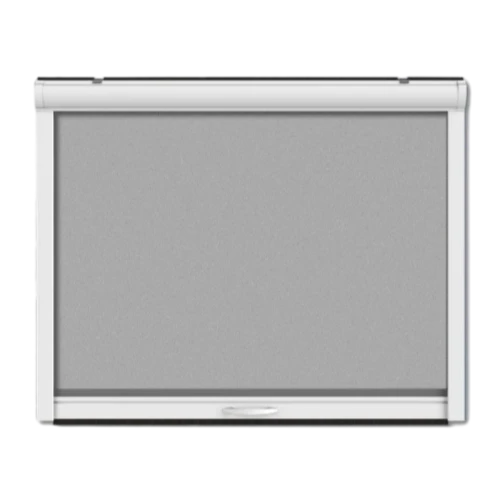
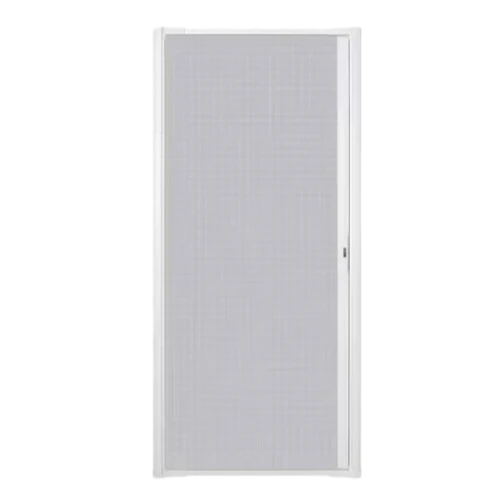
Put simply: a roll up fly screen door is a flexible mesh screen that rolls neatly upwards when the door is opened and unrolls to cover a doorway completely when closed. It’s designed to block flying insects while allowing fresh air and natural light to enter.
They often consist of a high-tensile nylon or fiberglass mesh attached to an automatic or manual rolling mechanism housed in a slim casing, installed on door frames. In modern industry, they serve essential functions—from enhancing worker comfort in factory entrances to supporting the hygiene standards required in food processing plants. Humanitarian organizations also prize them for emergency housing setups, where quick installation and insect protection are vital.
Key Components and Features of Roll Up Fly Screen Doors
1. Durability
Materials used have to withstand constant rolling and unrolling, sun exposure, and sometimes rough weather. Most top-tier screens use UV-protected fiberglass mesh, maintaining strength without warping or discoloration. This longevity is crucial in tropical climates where insect pressure is highest.
2. Scalability and Custom Fit
Roll up fly screen doors come in customizable sizes and can be tailored to fit irregular door frames — something traditional fixed screens rarely manage well. Manufacturers now offer modular units that scale from small apartment doors to large commercial entrances.
3. Cost Efficiency
While initial costs might be higher than simple netting, their long-term reliability means fewer replacements and less maintenance. This pays off, especially in commercial and high-traffic settings.
4. Easy Operation and Safety
The smooth rolling mechanism reduces wear and user effort. Many models include soft edges or magnetic closures that seal the screen securely while allowing easy passage — so safety isn’t compromised.
5. Aesthetic Integration
Unlike bulky mesh doors that spoil a building’s look, roll-up fly screen doors often feature slim, anodized aluminum frames and can blend seamlessly into modern and traditional architecture.
Product Specifications at a Glance
| Feature | Specification |
|---|---|
| Mesh Material | UV-Protected Fiberglass / High Tensile Nylon |
| Frame | Anodized Aluminum |
| Mechanism | Automatic or Manual Spring Roll-up |
| Max Width | Up to 1500 mm (Custom sizes available) |
| Installation Type | Surface mount or recessed |
| Warranty | 3 to 5 Years, depending on vendor |
Global Applications & Real-World Use Cases
Roll up fly screen doors are beyond just domestic use. In tropical countries like India, Brazil, and Indonesia, homes and public buildings use them extensively to reduce insect-borne disease transmission. Humanitarian agencies deploying emergency shelters often equip their units with portable roll up screens — these help refugees maintain dignity and well-being in tough conditions.
Industrial scale use includes food production plants in Europe and North America where hygienic airflow is crucial and in eco-resorts aiming to reduce pesticide usage. Oddly enough, some high-tech offices incorporate them as part of their green building designs, balancing natural ventilation with insect protection.
Vendor Comparison: Popular Roll Up Fly Screen Doors
| Vendor | Material Quality | Customization | Warranty | Average Price |
|---|---|---|---|---|
| ScreenPro | Premium fiberglass mesh | Highly customizable sizes | 5 years | $180 – $300 |
| EcoScreen | Recycled nylon mesh | Standard sizes only | 3 years | $140 – $250 |
| SafeVent | High tensile nylon with UV coating | Custom & deluxe models available | 4 years | $200 – $320 |
Advantages and Long-Term Value of Roll Up Fly Screen Doors
- Cost savings: Reduced need for insecticides or AC usage.
- Sustainability: Made with eco-friendly, long-lasting materials.
- Health benefits: Decreased exposure to disease-carrying insects.
- Enhanced comfort: Better airflow and natural light with protection.
- Emotional well-being: Creates a safer, more peaceful living environment.
Put bluntly, having a reliable roll up fly screen feels like a small luxury that really makes a difference — it reclaims indoor spaces from nuisances and health risks alike.
Future Trends & Innovations
Like many everyday products, fly screen doors are evolving. Innovations such as smart sensors that automatically retract the screen when the door opens, or integration of antimicrobial coatings on mesh materials, are gaining traction. Digitally controlled motors allow easier operation for disabled users, reflecting a move toward inclusivity.
On the sustainability front, manufacturers experiment with biodegradable mesh fibers and solar-powered mechanisms to align with green building certifications. It’s intriguing to imagine future doors not only keeping bugs out but also actively monitoring air quality or temperature.
Challenges & Expert Solutions
Even with their many virtues, roll up fly screen doors face hurdles such as susceptibility to damage from pets or heavy winds and sometimes, installation complexity. Many users report that cheaper variants break or jam quickly.
Experts recommend investing in mid-to-high-end screens paired with professional fitting. Modular designs with replaceable mesh panels also allow easier repairs, extending product life. Ultimately, education about proper care and selecting the right screen for specific environments reduces frustration and promotes satisfaction.
FAQ: Answering Your Common Questions on Roll Up Fly Screen Doors
- Q: Can I install a roll up fly screen door myself, or do I need a professional?
- If you have basic DIY skills and follow instructions carefully, self-installation is possible for standard doors. However, for irregular frames or commercial setups, professional installation ensures proper fitting and durability.
- Q: How often should I replace the mesh on these screens?
- With quality materials and careful use, the mesh can last 3–5 years or more. Regular cleaning and avoiding sharp or heavy objects near it helps extend life dramatically.
- Q: Are roll up fly screen doors suitable for large commercial entryways?
- Absolutely, many manufacturers offer scalable solutions and robust mechanisms tailored for commercial use, ensuring frequent operation without wear.
- Q: How do roll up fly screen doors contribute to cooling energy savings?
- By allowing ventilation while blocking insects, these screens reduce the need to close windows or rely heavily on air conditioning, thus cutting energy costs.
Conclusion + Call to Action
In real terms, a roll up fly screen door is much more than a convenience — it’s a meaningful step toward healthier, more sustainable living environments worldwide. From tropical homes to industrial facilities, their value compounds over time with fewer insects, better airflow, and lower energy bills.
Curious to explore your options or upgrade your home or workplace? Visit our website to discover a range tailored to your needs and climate: https://www.crscreen.com.
A trusty roll up fly screen door just might be the quiet protector you didn’t know your doorway needed…
References & Further Reading
Latest news
-
Best Guide to Choose a Screen Door for Sliding Door for Your Home
NewsApr.16,2026 -
The Ultimate Guide to Choosing a screen door for a sliding door
NewsApr.09,2026 -
Choosing the Perfect Patio Sliding Screen Door for Your Home
NewsApr.07,2026 -
Choosing the Best Patio Screen Door with Frame for Your Home and Lifestyle
NewsApr.04,2026 -
Comprehensive Guide to Net Sliding Door Price Factors and Options
NewsMar.31,2026 -
Enhance Your Outdoor Space with a Durable Net Sliding Door for Balcony
NewsMar.28,2026 -
Discover the Benefits of Net Door Sliding Systems for Modern Homes
NewsMar.26,2026