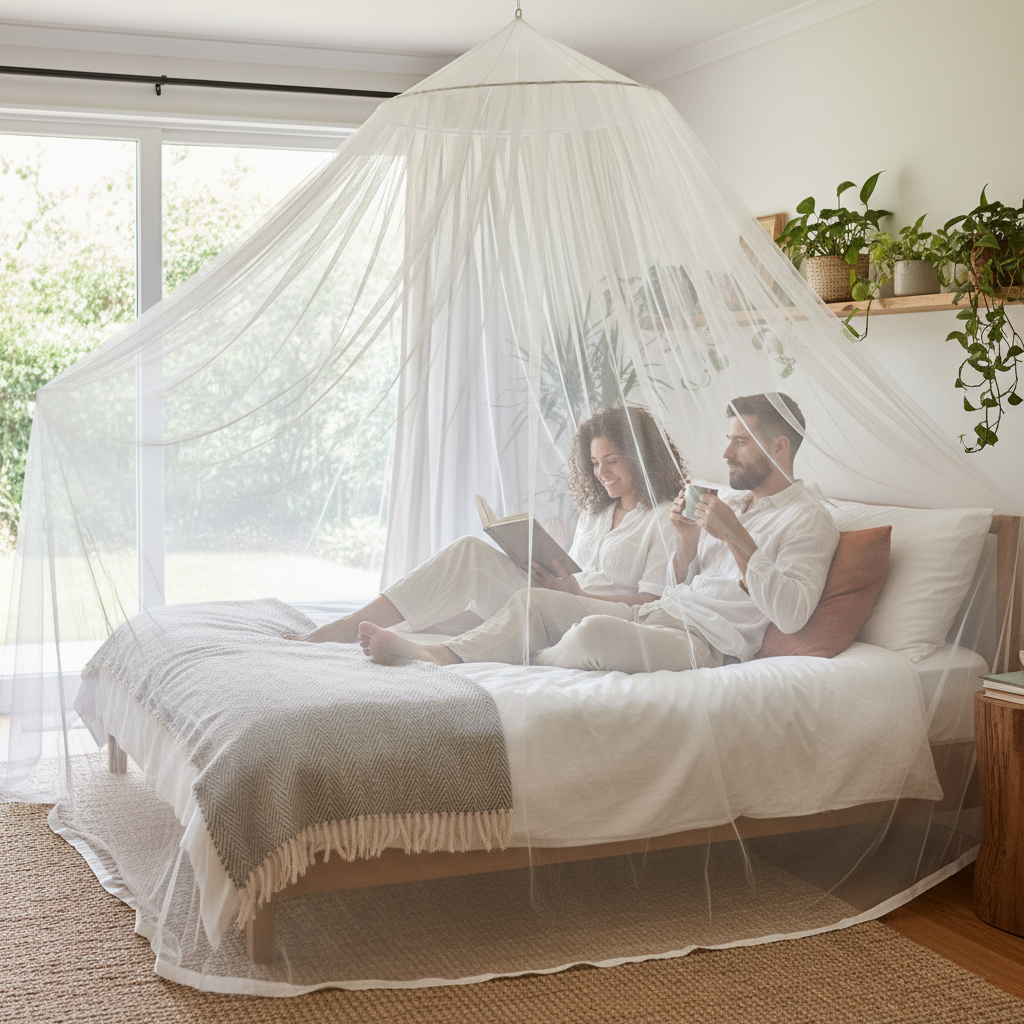
High Quality Retractable Roller Screens to buy mosquito netting
Maintaining a pest-free living environment often requires a balance between security and ventilation. For homeowners and facility managers, the challenge is finding a solution that keeps insects out without sacrificing natural light or airflow. A high-quality retractable system offers a modern answer to this dilemma, blending seamless aesthetics with high-performance protection. Whether you are looking to buy mosquito netting for a high-rise apartment or a rural cottage, the choice of material and mechanism determines the longevity of the installation.
The roller screen door, specifically designed for versatility, allows users to deploy protection only when needed, rolling back into a compact cassette to maintain an unobstructed view. By utilizing advanced glass fiber coated with PU, these systems provide a durable barrier that resists tearing while remaining nearly invisible. Understanding the technical specifications and installation requirements is key to ensuring that your home remains a sanctuary of comfort, free from the annoyance of seasonal pests.

The Engineering Behind Retractable Insect Barrier Systems
The functionality of a roller screen door relies on a precision-engineered combination of a sturdy frame and a flexible mesh. Most professional-grade systems utilize an aluminum alloy casing, which is prized for its high strength-to-weight ratio and inherent resistance to rust and corrosion. This ensures that the housing remains structurally sound even in humid environments or near coastal areas. The powder-coated surface treatment adds an extra layer of protection, preventing oxidation and allowing the product to blend seamlessly with various architectural styles.
At the core of the system is the mesh fabric. High-grade glass fiber coated with PU is the industry standard for high-performance screens. Unlike traditional plastic nets, this material offers superior dimensional stability, meaning it will not sag or shrink under temperature fluctuations. The PU coating serves two primary purposes: it enhances the tear resistance of the fiberglass and provides a level of UV protection, ensuring that the screen does not become brittle after years of sun exposure. This engineering approach ensures that the mesh remains taut and effective throughout its operational life.
The rolling mechanism is where convenience meets durability. A spring-loaded or smooth-glide system allows the screen to be retracted into a terse cassette when not in use. This design is particularly beneficial for spaces where a permanent screen would be aesthetically disruptive or cumbersome. By minimizing the visible footprint of the insect barrier, the roller system maintains the open feel of a room while providing the ability to seal the entryway instantly upon demand.

Practical Applications and User-Centric Features
Retractable screens are versatile tools suitable for a wide range of residential and commercial settings. In modern homes, they are most frequently applied to patios, balconies, and main entryways. Their ability to be customized to fit single, double, or sliding doors makes them an ideal choice for diverse architectural layouts. For instance, in a living room leading to a garden, a roller screen allows for maximum ventilation during the evening without letting in flies or mosquitoes, and can be completely hidden during the day to preserve the view.
Several key features enhance the daily user experience. Many models incorporate magnetic closure strips along the edges. These magnets ensure that the screen snaps shut securely, leaving no gaps for small insects to penetrate. Additionally, weighted bottoms are often employed to keep the mesh taut, preventing it from flapping in the wind—a common issue with traditional curtain-style nets. For pet owners, certain modifications allow for the integration of pet doors, ensuring that animals can move freely without compromising the integrity of the insect barrier.
From a maintenance perspective, these systems are designed for low-effort upkeep. The glass fiber mesh can be cleaned with a simple wipe-down using mild soap and water. To ensure the long-term smoothness of the operation, the tracks and rollers should be kept free of debris. Applying a silicone-based lubricant to the glide mechanism periodically can prevent wear and tear, ensuring that the screen continues to operate with the same effortless motion as the day it was installed.
Strategic Considerations for Procurement and Selection
When deciding to buy mosquito netting in the form of a roller system, buyers must evaluate more than just the price. The first consideration should be the material of the frame. While plastic frames are available for budget-friendly options, aluminum is highly recommended for any long-term installation due to its durability and resistance to warping. The mesh density is another critical factor; it must be fine enough to block the smallest pests but open enough to allow sufficient airflow to prevent the interior from becoming stuffy.
Compatibility with existing door frames is a common technical hurdle. It is essential to measure the width and height accurately, as custom fits are often required for non-standard openings. Buyers should check if the supplier offers various size scopes—for example, widths up to 3.2m and heights up to 2.5m—to ensure the product fits their specific entryway. Furthermore, verifying the certifications of the product, such as European Reach environmental certification or CE certification, ensures that the materials used are safe for home environments and meet international quality standards.
Finally, the ease of installation should be weighed against the complexity of the door frame. While many roller screens are designed for DIY setup with included mounting kits, professional installation is advised for larger commercial openings or complex sliding systems. A well-installed screen is the difference between a secure seal and a product that allows pests to enter through the gaps. Evaluating the supplier's experience in manufacturing and their ability to provide technical support is a key part of the procurement process.
Technical Specifications and Material Comparison
| Component | Premium Aluminum Grade | Standard Plastic Grade | Recommended Use Case |
|---|---|---|---|
| Frame Material | Aluminum Alloy (Powder Coated) | Reinforced PVC/Plastic | High-traffic Entryways |
| Mesh Fabric | PU Coated Glass Fiber | Polyester Mesh | Long-term Durability |
| Closure System | Magnetic / Latch Seal | Friction Fit | Maximum Pest Prevention |
| UV Resistance | High (UV-resistant coating) | Moderate | Sun-exposed Balconies |
| Lifespan | Long-term (Corrosion Resistant) | Medium-term | Residential Investment |
Manufacturing Excellence and Quality Control
The quality of a retractable screen is a direct reflection of the manufacturing process. Utilizing dedicated plastic injection machines and aluminum extrusion lines allows for high precision in the creation of the housing and tracks. This vertical integration ensures that every component—from the smallest screw to the main cassette—meets strict dimensional tolerances. Precision in extrusion is particularly important for the side frames, as any irregularity can lead to the mesh bunching or failing to retract smoothly.
Quality control involves rigorous testing of the mesh's tensile strength and the roller mechanism's cycle life. A high-quality screen must be able to withstand thousands of open-and-close cycles without the spring losing tension or the fabric fraying. Environmental certifications, such as CE and Reach, indicate a commitment to using non-toxic materials that do not off-gas harmful chemicals into the home. This focus on safety and reliability is essential for products destined for the European and North American markets, where consumer standards are exceptionally high.
Customization capability is another hallmark of professional manufacturing. By offering various colors (such as grey and black) and adjustable dimensions, manufacturers can provide a product that integrates into the home's design rather than looking like an afterthought. This capability allows the product to serve both as a functional tool and an aesthetic addition to the architecture, proving that insect protection does not have to come at the cost of visual appeal.
Future Trends in Home Insect Protection
The industry is moving toward "smart" home integration and more sustainable materials. We are seeing a rise in the demand for automated retractable screens that can be controlled via smartphone apps or linked to weather sensors, automatically closing the screen when wind speeds increase or when the temperature reaches a point where insect activity peaks. This integration of IoT (Internet of Things) technology is transforming simple barriers into intelligent climate control components.
Sustainability is also driving innovation in mesh materials. While glass fiber remains the gold standard for strength, research into recycled polymers and bio-based coatings is increasing. The goal is to maintain the high tear resistance and UV stability of PU-coated fiberglass while reducing the environmental footprint of production. As global awareness of eco-friendly housing grows, the procurement of insect protection will increasingly depend on the "green" credentials of the manufacturing process.
Moreover, there is a growing trend toward multi-functional screens. New designs are incorporating pollutants-filtering layers or specialized mesh densities that block not only insects but also a significant portion of airborne pollen and dust. This evolution turns the roller screen door from a simple pest barrier into a health-enhancing feature, improving indoor air quality while maintaining the connection to the outdoors.
Frequently Asked Questions About Roller Screens
What materials are commonly used for roller screen doors?
Roller screens typically use aluminum alloy for the frame because it is lightweight and resistant to rust. The mesh is usually made from high-grade glass fiber coated with PU for strength and durability, though polyester is sometimes used in budget-friendly models.
How do I maintain and clean a retractable insect screen?
Cleaning is straightforward: use a soft brush or vacuum for dust, then gently wash the mesh with a mixture of mild soap and warm water. For maintenance, periodically apply a silicone-based lubricant to the rollers and ensure the tracks are clear of debris.
Can these screens be customized for different door sizes?
Yes, most professional manufacturers offer customization. You can specify the width and height to fit your specific door frame, and often choose from different colors like black or grey to match your home's exterior.
Are roller screen doors suitable for all types of frames?
They work best with standard flat frames, such as aluminum or wood. If you have an unusually shaped or non-standard frame, special adjustments or professional consultation may be required to ensure a secure, gap-free fit.
What should I look for when choosing a high-quality mesh?
Look for PU-coated fiberglass, as it offers the best balance of visibility, airflow, and tear resistance. Ensure the product has UV-resistant coatings to prevent the fabric from deteriorating due to sun exposure over time.
How does the magnetic closure benefit the user?
Magnetic strips along the edges ensure that the screen snaps shut automatically and stays sealed, preventing insects from crawling through the gaps that often occur with traditional screen doors.
Technical References and Industry Sources
- Global Standards for Insect Barrier Materials
- World Health Organization - Vector Control Guidelines
- ISO Standards for Aluminum Extrusions and Coatings
- European REACH Regulation on Chemical Safety
Selecting the right insect protection system is an investment in your home's comfort and health. By focusing on material quality, precision engineering, and proper installation, you can ensure a pest-free environment that enhances your living space. If you are looking for a reliable manufacturer with a proven track record in the European and North American markets, explore our professional range of retractable solutions today.
Related Articles