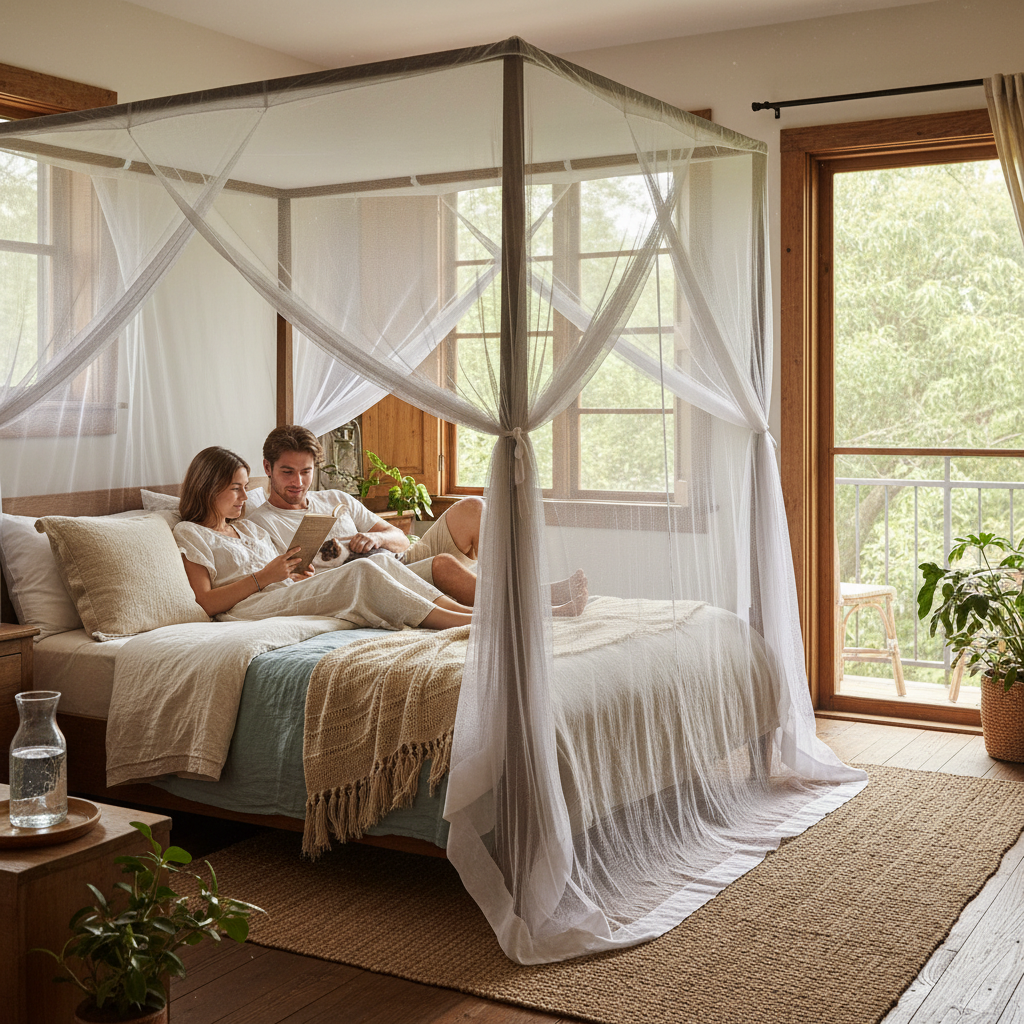

Finding a cheap mosquito net often involves a trade-off between initial cost and long-term effectiveness. For homeowners and commercial property managers, the goal is to secure a barrier that prevents pest intrusion without obstructing natural ventilation or requiring expensive professional installation. This guide examines how to balance affordability with structural integrity, focusing on sliding screen solutions that offer a practical defense against insects while remaining cost-efficient.
In the broader context of home improvement, insect screening has evolved from simple fabric hangings to integrated architectural components. The challenge for many is identifying a solution that fits specific window dimensions—such as those in kitchens or bedrooms—without overspending on unnecessary luxury features. By understanding the relationship between mesh materials, frame stability, and sliding mechanisms, buyers can optimize their procurement process to achieve maximum protection at a minimum price point.
Readers will explore the technical specifications of fiberglass and aluminum options, the operational benefits of horizontal sliding designs, and the criteria for evaluating a reliable supplier. We will provide a detailed analysis of how to maintain these systems to extend their lifecycle, effectively reducing the total cost of ownership. This approach ensures that a budget-conscious choice does not lead to frequent replacements or compromised indoor air quality.
Value Analysis of Budget-Friendly Insect Barriers
The demand for affordable pest control solutions is driven by the need for healthy living environments, especially in regions where mosquito-borne diseases are prevalent. A cheap mosquito net is not merely about the lowest sticker price, but about "value per year of service." In the B2B and residential sectors, this involves evaluating the resilience of the mesh against UV degradation and the stability of the frame under daily use. Low-cost options often utilize fiberglass mesh, which is prized for its flexibility and resistance to corrosion, making it a staple for those seeking economy without sacrificing basic functionality.
From a manufacturing perspective, cost reduction is achieved through optimized extrusion lines and standardized sizing. For instance, producing common dimensions like 5075cm or 75100cm allows for bulk efficiency, which translates to lower costs for the end-user. However, true value is found when these economical designs incorporate essential features such as secure snap joints and high-quality splines. These small components prevent the gauze from loosening, ensuring that the barrier remains airtight and effective over time. When these elements are combined with aluminum frames, the result is a lightweight yet durable system that balances financial constraints with operational requirements.
Technical Guide to Selecting Sliding Screen Windows
Selecting the right sliding screen requires an analysis of the environmental conditions, the frequency of use, and the specific architectural constraints of the installation site. The following subsections break down the critical technical factors that determine whether a budget-friendly screen will perform reliably in a real-world application.
Material Selection and Durability
The choice of mesh material directly impacts the lifespan and visibility of the screen. Fiberglass is the primary choice for budget-conscious buyers due to its versatility and ease of installation. Aluminum mesh, while more expensive, offers superior strength. For most residential needs, fiberglass provides an optimal balance of cost and performance, resisting rust and maintaining transparency to allow sunlight into the room.
| Material Type | Durability Factor | Primary Advantage | Budget Impact |
|---|---|---|---|
| Fiberglass Mesh | Moderate | Corrosion Resistant | Low Cost |
| Aluminum Frame | High | Structural Rigidity | Moderate Cost |
| PVC Splines | Moderate | Secure Sealing | Low Cost |
| Powder Coated Alu | High | UV Protection | Moderate Cost |
| Stainless Steel | Very High | Tear Resistance | High Cost |
| Polyethylene | Low | High Flexibility | Very Low Cost |
Sliding Mechanism Efficiency
A sliding screen must operate smoothly to prevent frame warping. High-quality systems use tracks designed to minimize friction, often incorporating precision-extruded aluminum. The use of snap joints ensures that the screen remains securely in place, preventing it from falling out of the rail during operation. This is particularly critical in high-traffic areas like balconies or kitchens where the screen is opened and closed multiple times daily.
Airflow and Ventilation Dynamics
The primary purpose of a window screen is to allow fresh air to circulate while blocking pests. The aperture size of the mesh must be small enough to stop insects but large enough to maintain airflow. Proper ventilation reduces the reliance on mechanical cooling, such as air conditioning, thereby improving the overall energy efficiency of the building. This makes the installation a sustainable choice for reducing operational costs.
Space-Saving Design Advantages
Unlike swinging screens, sliding models operate horizontally, requiring zero additional clearance space. This makes them ideal for tight corridors, small bedrooms, or offices where a swinging door would obstruct movement. By utilizing the existing window track, these screens integrate seamlessly into the architecture, providing a clean aesthetic and maximizing the usable square footage of the interior.
Environmental Certification Standards
For B2B procurement, compliance with international standards is non-negotiable. Quality screens should meet European Reach environmental certifications and CE standards to ensure they are free from hazardous chemicals and safe for residential use. These certifications provide a benchmark for quality, ensuring that even an affordable product meets the health and safety requirements of the European and North American markets.
Maintenance and Mesh Replacement
Extending the life of a screen depends on regular cleaning and the ability to replace the mesh without replacing the entire frame. Using a mild detergent and a soft brush can remove debris from the fiberglass weave. If the mesh becomes torn, the spline system allows for a simple "pry-and-replace" operation, where the old gauze is removed and new material is pressed into the groove, significantly lowering long-term maintenance costs.
Installation and Fit Considerations
A screen is only effective if there are no gaps for insects to enter. Precise measurements (e.g., 5075cm) and a snug fit within the window frame are essential. The use of adhesive strips or tight-fitting aluminum extrusions ensures a seal against the wall. Buyers should verify that the frame material is compatible with their existing window type to avoid the need for costly modifications during installation.
FAQ
What makes a sliding screen window effective for pest control?
Effectiveness depends on the combination of a fine-weave mesh (typically fiberglass) and a precise frame fit. The sliding mechanism allows the screen to seal tightly against the window track, leaving no gaps for insects to bypass. High-quality splines keep the mesh taut, preventing sagging that could create entry points for pests.
Can budget-friendly screens actually be energy efficient?
Yes, by enabling natural cross-ventilation, these screens reduce the need for electrical fans and air conditioning. This passive cooling approach lowers energy consumption and reduces utility costs while maintaining a comfortable indoor temperature, provided the mesh is designed for optimal airflow.
How do I clean a sliding insect screen without damaging it?
The best method is to remove the screen from its track to avoid putting pressure on the frame. Use a vacuum with a brush attachment to remove loose dust, then gently scrub with a sponge and a mild soapy solution. Rinse with clean water and allow it to air dry completely before reinstalling to prevent mold growth.
What should I do if my sliding screen becomes difficult to open?
Difficulty in movement is usually caused by debris buildup in the tracks. First, vacuum the rails thoroughly. If the problem persists, apply a silicone-based lubricant designed for aluminum tracks. Check for frame misalignment or worn-out rollers, as these may require adjustment or replacement to restore smooth operation.
Is it possible to replace only the mesh on an old frame?
Yes, this is a cost-effective way to refresh your screen. By using a flathead screwdriver to remove the rubber spline, you can pull out the old mesh and lay a new piece of fiberglass or aluminum gauze over the frame. Press the spline back into the groove using a spline roller to secure the new material tightly.
How do I choose a reliable supplier for bulk screen orders?
When evaluating suppliers, check for integrated manufacturing capabilities, such as owning their own plastic injection and aluminum extrusion lines. Verify certifications like CE and Reach to ensure quality standards. A supplier with a proven track record in major markets (like Europe or North America) is more likely to provide consistent quality and reliable lead times.
References and further reading
- World Health Organization (WHO) - Guidelines on the use of insecticide-treated nets for malaria prevention.
- International Organization for Standardization (ISO) - Standards for aluminum extrusion and powder coating durability.
- European Chemicals Agency (ECHA) - REACH Regulation for chemical safety in construction materials.
Related Articles