

Dec . 02, 2025 11:40 Back to list
Anti Mosquito Pop Up Mesh Tent: Global Benefits, Features, and Future Innovations
Understanding the Anti Mosquito Pop Up Mesh Tent: A Practical Solution for Global Health and Comfort
When you picture an anti mosquito pop up mesh tent, you might first imagine a cozy outdoor shelter that keeps pesky bugs away while camping. But honestly, these tents serve a much broader and critical purpose around the world. In many tropical and subtropical areas plagued by mosquito-borne diseases—think malaria, dengue, Zika—such simple yet effective shelters become frontline protectors of health and wellbeing. Beyond camping enthusiasts, these tents are vital tools for humanitarian agencies, healthcare providers, and everyday families seeking respite from insect-borne illness risks.
At a glance, this tent type is a lightweight, rapidly deployable enclosure made with fine mesh netting designed to keep mosquitoes out effectively. Its global value is hard to overstate—millions rely on it to reduce insect nuisance and the spread of dangerous diseases. According to the World Health Organization, mosquito-borne illnesses cause hundreds of thousands of deaths yearly, particularly in vulnerable populations. Hence, understanding and adopting the anti mosquito pop up mesh tent goes beyond comfort; it's a public health imperative.
Introduction: Global Significance of Anti Mosquito Pop Up Mesh Tents
Why should anyone beyond high-risk regions pay attention? Globally, climate change and expanded urbanization are shifting mosquito populations, bringing tropical diseases into new areas. The UN and World Bank have repeatedly flagged these shifts as an emerging threat. Preventive measures that marry convenience and efficacy—like the anti mosquito pop up mesh tent—offer a proactive line of defense. Moreover, in disaster zones where infrastructure collapses, these tents become crucial emergency supplies that enable safe shelter without chemical repellents.
What is an Anti Mosquito Pop Up Mesh Tent?
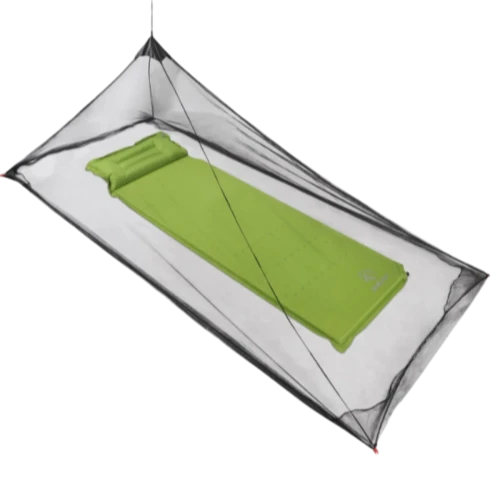
Simply put, it’s a tent that springs open quickly (“pop up”) and is made primarily of mesh fabric fine enough to block mosquitoes and other insects. The mesh’s weave size is critical—it must keep out even the smallest vectors without blocking airflow, preventing overheating inside. These tents are usually framed by flexible yet sturdy rods that can fold down for effortless transport, then expand to create an insect barrier within seconds. This design reconnects with needs across outdoor industries—from leisure camping to frontline healthcare—making it a versatile solution in both developed and developing regions.
Key Features of the Anti Mosquito Pop Up Mesh Tent
1. Durability and Material Quality
Most tents utilize polyester or nylon mesh with coatings improving tear resistance and UV protection. These material choices matter, especially for long-term or harsh-environment use. You don’t want your shelter fraying or losing effectiveness after just a few deployments.
2. Easy Deployment & Portability
One of the biggest selling points is how fast and simple these tents set up. Stake-less or minimal setup models ensure that even users with limited experience can protect themselves promptly—a feature crucial in emergency relief and travel.
3. Breathability and Comfort
Fine mesh can feel confining, but quality design balances insect exclusion with ventilation—key to avoiding heat buildup and keeping users comfortable, especially in humid climates.
4. Size and Space Configurations
Varying tent sizes cater to individuals, families, or even medical staff stations. Some designs incorporate interior pockets or dividers, making them multi-functional.
5. Cost Efficiency
Compared to chemical repellents or expensive building modifications, these tents are affordable yet impactful, ensuring accessibility for NGOs or community programs worldwide.
Product Specification Table
| Specification | Details |
|---|---|
| Material | Polyester Mesh, UV Coated |
| Mesh Size | 150 holes per square inch (max) |
| Frame | Fiberglass Flexible Rods |
| Weight | Approx. 1.2 kg / 2.6 lbs |
| Setup Time | Under 30 seconds |
| Dimensions (Folded) | 60 cm diameter circle |
Practical Uses and Global Impact
The real-world applicability is where the anti mosquito pop up mesh tent shines. In Southeast Asia and sub-Saharan Africa, where malaria remains a dangerous threat, these tents are common in rural clinics and refugee camps. Also, many NGOs distribute them during post-tsunami or hurricane recovery phases, providing immediate, portable protection.
Industrial workers in remote forestry or mining camps often rely on these tents to avoid downtime caused by insect bites. Even urban families in mosquito-heavy cities find these nets invaluable for peaceful sleep without chemical exposure. Oddly enough, travelers heading to mosquito hotspots embrace these tents to avoid illnesses without bulky mosquito coils or sprays.
Vendor Comparison Table: Popular Anti Mosquito Pop Up Mesh Tents
| Brand | Weight | Price Range | Key Feature |
|---|---|---|---|
| EcoShield | 1.2 kg | $35-45 | UV-protected mesh |
| SafeNest | 1.4 kg | $40-50 | Double-layer mesh for extra protection |
| MosquiFree | 1.1 kg | $30-40 | Compact folding design |
Advantages and Long-Term Value
Where to start? Cost-wise, anti mosquito pop up mesh tents generally outlast expensive insecticide sprays and reduce dependency on chemicals. From a sustainability lens, they’re reusable, durable, and made from recyclable materials in many cases. Socially, they respect users’ dignity by providing a safe, secluded sleeping or working space. I noticed many healthcare workers say these tents give patients peace of mind, which can accelerate recovery.
Finally, there’s reliability. No power needed, no batteries, just instant physical protection. For those in regions with erratic electricity or limited infrastructure, it simply works.
Future Trends & Innovations
The industry doesn’t stand still. Newer tents are integrating treated fabrics with long-lasting insecticide (LLIN technology), which remain effective for years. Others experiment with solar-powered ventilation systems to enhance airflow, combining green energy with comfort. On the digital front, some manufacturers explore IoT sensors embedded within tents to track environmental conditions, mosquito presence, or tent integrity.
All this points to a future where anti mosquito pop up mesh tents are not just physical barriers but smart devices, blending protection with tech and sustainability.
Challenges and Solutions
Sure, these tents aren’t perfect. Fine meshes can snag or tear under rough handling. Sometimes, users find the netting can feel cramped or hot in extreme climates. Also, mass distribution logistics in remote areas remain tricky, especially during crises.
Some manufacturers now reinforce edges with thicker fabric or integrate repair kits. Plus, modular designs combining tents with mosquito repellent fans or treated liners help address comfort and durability. NGOs increasingly partner with local communities for training in tent assembly and maintenance—plus distributing solar lanterns to encourage use during night-time hours.
Frequently Asked Questions About Anti Mosquito Pop Up Mesh Tents
- How quickly can an anti mosquito pop up mesh tent be set up?
Most models can be deployed in under 30 seconds, no special tools or expertise needed. - Can these tents be used outdoors all year round?
Yes, though it’s advisable to check for UV resistance and consider waterproof covers for rainy seasons. - Are these mosquito tents safe for children and elderly?
Absolutely. They eliminate chemical exposure and provide physical protection, ideal for vulnerable groups. - How do I clean and maintain the mesh tent?
Gentle hand washing and careful drying ensure longevity; avoid abrasive cleaners and store in dry conditions. - Where to buy quality anti mosquito pop up mesh tents?
Trusted suppliers include specialized outdoor brands and NGOs. For tailored solutions, visit this site.
Conclusion and Call to Action
To sum up, the anti mosquito pop up mesh tent is a deceptively simple yet crucial tool bridging comfort, health, and sustainability worldwide. From rural clinics in malaria zones to weekend campers chasing fresh air, the benefits are tangible and far-reaching. They protect lives, reduce chemical reliance, and adapt to evolving global challenges with ease.
If you’re looking to explore protective, sustainable shelter options further, or want to partner on bulk procurement for humanitarian work, don’t hesitate. Visit our website: https://www.crscreen.com for detailed product info and expert advice.
Brief takeaway: Sometimes, small innovations like the anti mosquito pop up mesh tent make the biggest difference—in health, comfort, and peace of mind.
References

Latest news
-
Best Guide to Choose a Screen Door for Sliding Door for Your Home
NewsApr.16,2026 -
The Ultimate Guide to Choosing a screen door for a sliding door
NewsApr.09,2026 -
Choosing the Perfect Patio Sliding Screen Door for Your Home
NewsApr.07,2026 -
Choosing the Best Patio Screen Door with Frame for Your Home and Lifestyle
NewsApr.04,2026 -
Comprehensive Guide to Net Sliding Door Price Factors and Options
NewsMar.31,2026 -
Enhance Your Outdoor Space with a Durable Net Sliding Door for Balcony
NewsMar.28,2026 -
Discover the Benefits of Net Door Sliding Systems for Modern Homes
NewsMar.26,2026