
Oct . 19, 2025 15:15 Back to list
Black Fly Screen Mesh - Durable, UV-Resistant, Fine Weave
Black fly screen mesh: field notes from the factory floor
When builders or facility managers ask what I trust for a clean, breezy install, I usually point them to black fly screen mesh. Not because the term is trendy, but because the black finish simply disappears to the eye, cuts glare, and—oddly enough—looks cleaner for longer. The “Black Insect Screen” from CR Screen (Room710, Fangrun business building, No29 Xisanzhuang Street, Shijiazhuang, Hebei, China) has been getting strong trade feedback lately.
What it is and why black wins
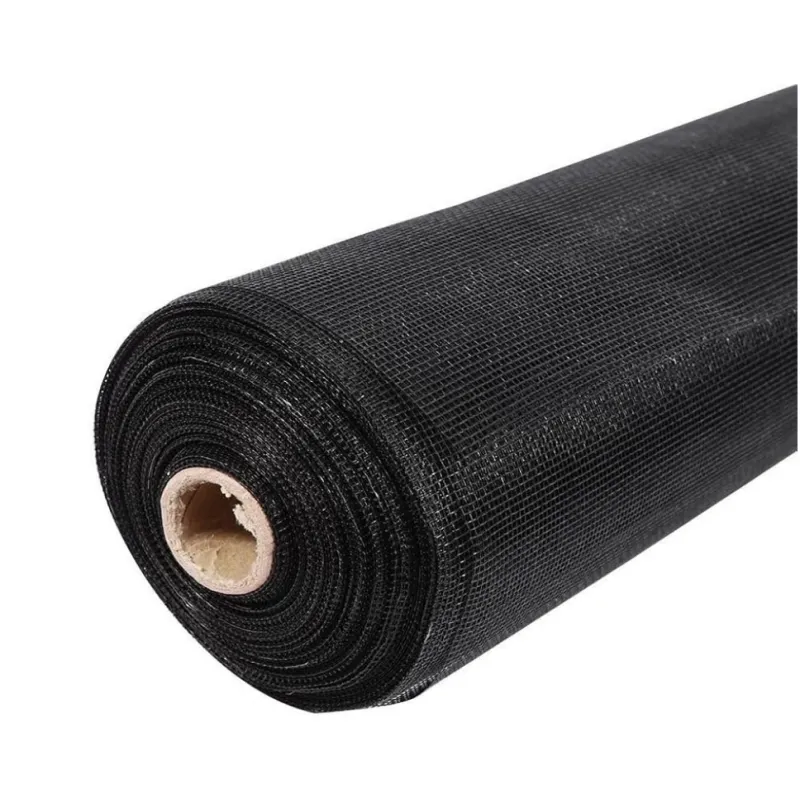
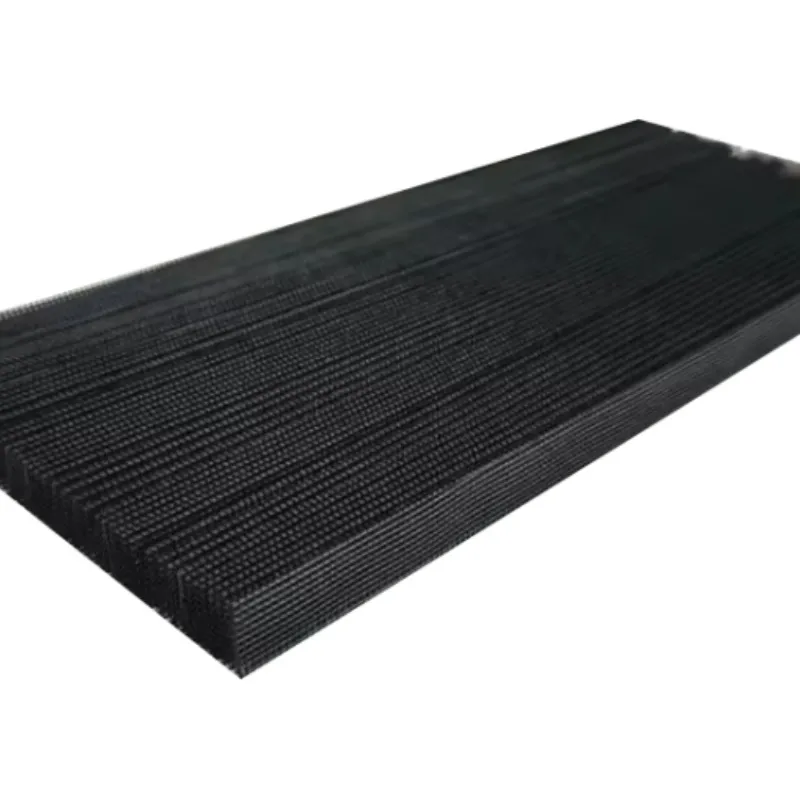
At its core, black fly screen mesh is a fine, durable barrier that blocks insects while keeping airflow and daylight. Black yarns increase outside visibility (your eyes focus through the darker threads) and provide subtle privacy. Many customers tell me it “just looks calmer” on modern facades.
Process flow (materials, methods, tests)
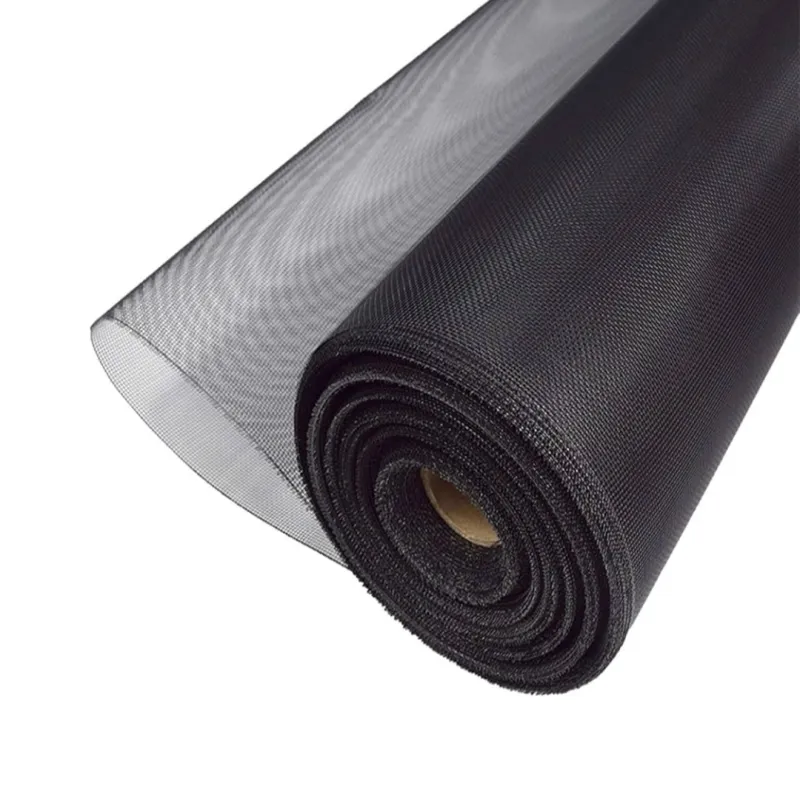
- Materials: fiberglass yarn with PVC coating (mainstream), optionally polyester; UV‑stabilized masterbatches to resist fading.
- Weaving: plain weave, tight quality control on mesh count and yarn uniformity.
- Stabilization: heat‑setting for dimensional stability; edge trimming to prevent fray.
- Testing: ASTM D3775 (mesh count), ASTM D5034 (tensile), ISO 4892‑2 (UV), AATCC 16 colorfastness; RoHS/REACH screening via third‑party labs.
- Service life: ≈5–7 years outdoors (mid‑sun), 8–10 indoors; coastal UV and sand may shorten this—real‑world use varies.
Product snapshot (typical)
| Parameter | Typical Value (≈) |
|---|---|
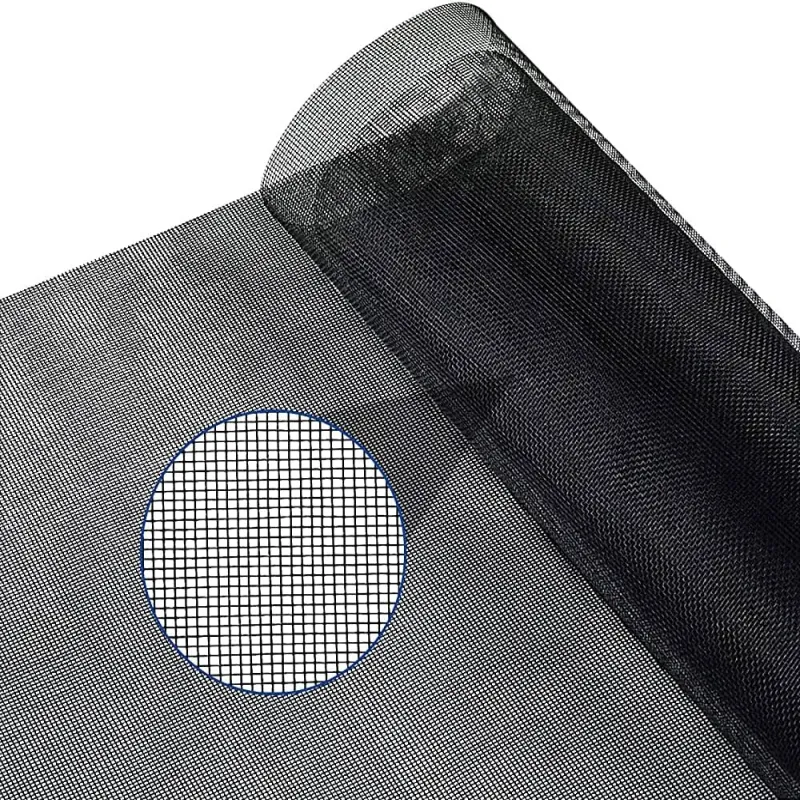
| Mesh count | 18×16 (others: 20×20 fine) |
| Yarn diameter | ≈0.28 mm |
| Open area | ≈65% (varies with weave) |
| Airflow | ≈550–700 m³/h/m² at ΔP=10 Pa |
| UV resistance | >1000 h xenon‑arc without chalking |
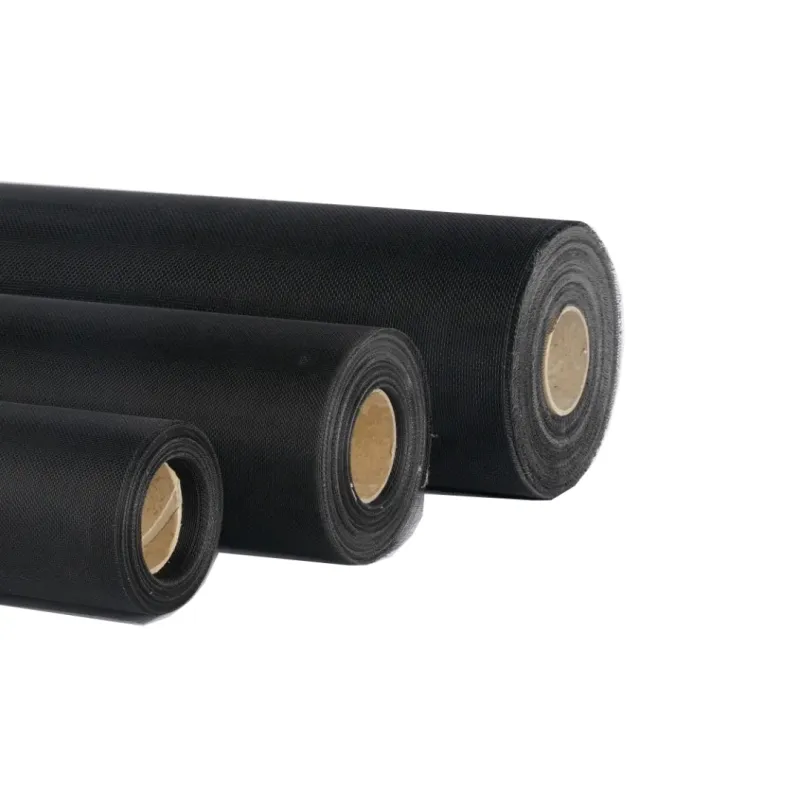
| Roll sizes | Width 0.8–2.4 m; length 30 m / 50 m |
| Color | Black, low reflectance |
Note: values are indicative; test setup and climate can shift results.
Where it’s used (and why)
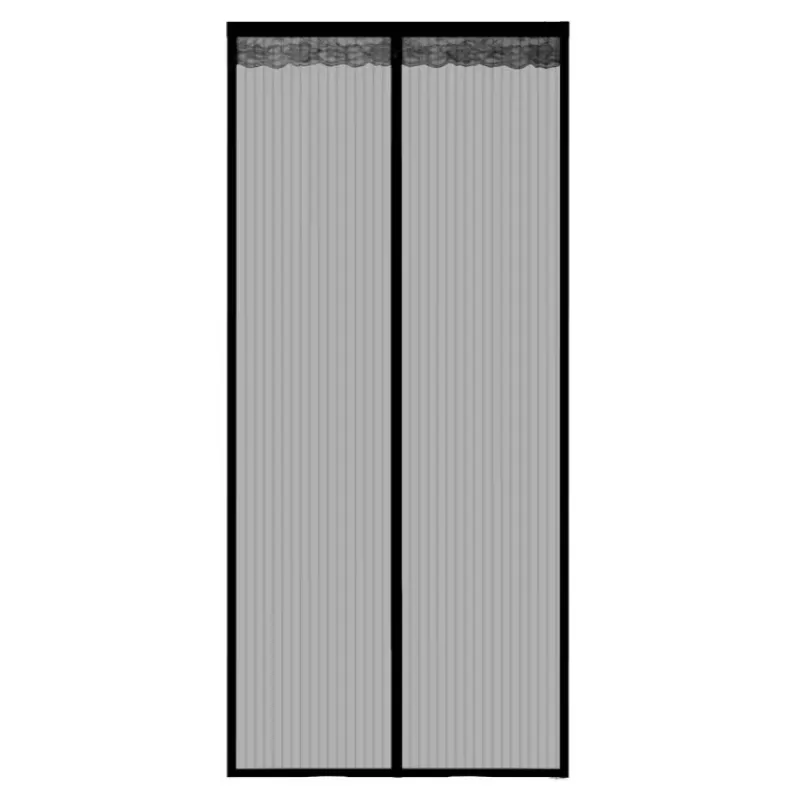
- Residential windows/doors and patios—natural ventilation without bugs; pet‑resistant options available.
- Hotels and cafes—maintains guest comfort while keeping visual openness.
- Healthcare and labs—vector control is non‑negotiable; easy wipe‑down.
- Greenhouses and food processing—fine meshes reduce pest ingress; check local hygiene codes.
- RVs, marine, and coastal villas—black reduces glare; selectable corrosion‑tolerant frames.
Customization and compliance
Spec the black fly screen mesh by mesh count, roll width, fire retardancy (on request), and gasket/frame compatibility. CR Screen supports ISO 9001 QMS, offers REACH/RoHS screening, and can provide SGS test reports. Actually, many buyers start with 18×16 for general use, then tweak to 20×20 for midges.
Vendor comparison (quick glance)
| Vendor | Origin | Certs | Lead Time | Customization |
|---|---|---|---|---|
| CR Screen (Black Insect Screen) | Shijiazhuang, Hebei, CN | ISO 9001, REACH/RoHS test | ≈15–25 days | Mesh, width, FR, branding |
| Vendor A (general) | SEA | ISO 9001 (varies) | ≈20–30 days | Limited widths |
| Vendor B (EU stockist) | EU | REACH focus | Quick from stock | Cut‑to‑size only |
Real‑world notes and mini case studies
- Coastal hotel, UAE: switched to black fly screen mesh on balcony sliders; night insect ingress dropped sharply, and staff praised the low‑glare look.
- Tomato greenhouse, Spain: 20×20 mesh cut whitefly pressure without stifling airflow; maintenance team liked easy hose‑down cleaning.
- Home retrofit, Australia: pet‑friendly variant on hinged doors; owner said visibility outwards was “surprisingly clear.”
Buying tips
Match mesh count to pest size, verify UV test hours (ask for ISO 4892 data), and request a small roll to trial airflow versus privacy. To be honest, that small trial saves headaches later.
Citations
- ASTM D3775 – Standard Test Method for End (Warp) and Pick (Filling) Count of Woven Fabrics.
- ASTM D5034 – Standard Test Method for Breaking Strength and Elongation of Textile Fabrics (Grab Test).
- ISO 4892‑2 – Plastics: Methods of exposure to laboratory light sources — Xenon‑arc lamps.
- AATCC 16 – Colorfastness to Light (option for coated textiles).
- WHO – Guidelines for vector control in public health (context for insect‑screen utility).
Latest news
-
Best Guide to Choose a Screen Door for Sliding Door for Your Home
NewsApr.16,2026 -
The Ultimate Guide to Choosing a screen door for a sliding door
NewsApr.09,2026 -
Choosing the Perfect Patio Sliding Screen Door for Your Home
NewsApr.07,2026 -
Choosing the Best Patio Screen Door with Frame for Your Home and Lifestyle
NewsApr.04,2026 -
Comprehensive Guide to Net Sliding Door Price Factors and Options
NewsMar.31,2026 -
Enhance Your Outdoor Space with a Durable Net Sliding Door for Balcony
NewsMar.28,2026 -
Discover the Benefits of Net Door Sliding Systems for Modern Homes
NewsMar.26,2026