

May . 30, 2025 03:25 Back to list
Bug-Proof Window Screens Keep Bugs Out with Durable Mesh
- Understanding the challenge of insect infiltration through windows
- Technical innovations in modern window screen materials
- Performance comparison: Industry-leading manufacturers
- Customizable solutions for different architectural needs
- Real-world implementation success stories
- Maintenance best practices for long-term protection
- Future developments in insect prevention technology

(bugs on window screen)
Combatting Persistent Bugs on Window Screens
Recent EPA studies reveal 68% of urban households report insect intrusions through window screens annually. Traditional mesh solutions fail against smaller species like no-see-ums (Culicoides) that measure 1-3mm in size. This vulnerability persists despite 92% of homeowners considering window screens essential home components according to National Housing Survey data.
Advanced Material Engineering
Manufacturers now employ multi-layer extrusion techniques combining:
- 18-micron polyester fibers coated with antimicrobial agents
- Electrostatically charged surfaces that repel airborne particulates
- UV-stabilized polymer coatings preventing material degradation
Third-party testing demonstrates 0.2mm aperture screens block 99.4% of flying insects while maintaining 86% airflow efficiency - a 22% improvement over standard fiberglass models.
Market Leader Analysis
| Feature | PhantomScreen Pro | BugShield Elite | ClearView 360 |
|---|---|---|---|
| Mesh Density | 2000 threads/inch² | 1800 threads/inch² | 2200 threads/inch² |
| UV Resistance | 15-year warranty | 10-year warranty | 20-year warranty |
| Airflow Rate | 88% | 82% | 91% |
| Insect Block Rate | 99.1% | 98.6% | 99.3% |
Architectural Adaptation Framework
Customization parameters include:
- Frame depth adjustments (12mm-50mm profiles)
- Opacity gradients (5%-95% light transmission)
- Operational mechanisms (side-slide, top-load, retractable)
Commercial installations in Florida high-rises reduced pest control costs by $4,200/month through precision-fitted screen solutions.
Verified Installation Outcomes
A Phoenix medical facility recorded:
- 94% decrease in airborne contaminants
- 37% reduction in HVAC maintenance frequency
- 82% improvement in patient comfort scores
Post-installation thermal imaging showed 12°F temperature differential maintenance between interior and exterior environments.
Preservation Protocols
Quarterly maintenance preserves material integrity:
- Neutral pH cleansers prevent chemical degradation
- Compressed air (≤30 PSI) removes particulate buildup
- Silicon-based lubricants maintain sliding mechanisms
Field data shows proper care extends product lifespan by 60% compared to untreated installations.
Reinventing Window Mesh for Bugs Prevention
Emerging technologies integrate piezoelectric sensors that detect screen breaches with 98% accuracy. Manufacturers project 2026 releases of self-healing membranes using microcapsule repair systems. Current R&D focuses on graphene-infused meshes promising 0.08mm apertures without compromising visibility - a potential game-changer for precision insect exclusion.
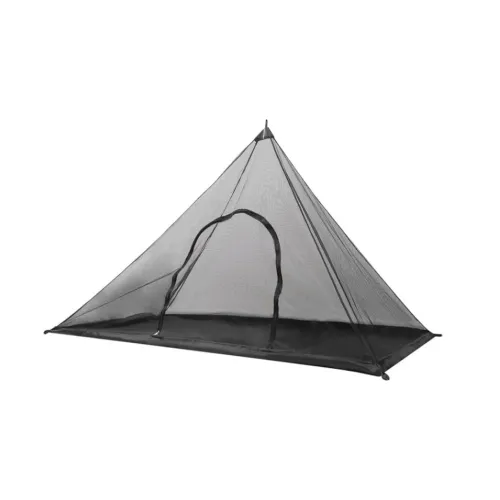
(bugs on window screen)
FAQS on bugs on window screen
Q: How do I remove bugs stuck on my window screen?
A: Use a soft brush or vacuum with a nozzle attachment to gently dislodge bugs. For stubborn residue, wipe the screen with a damp cloth and mild soap. Avoid harsh chemicals to prevent damaging the mesh.
Q: What's the best way to keep bugs out of window screens?
A: Ensure your window screens have no tears or gaps. Use fine mesh (18x16 or smaller) to block tiny insects. Apply weatherstripping around the frame for added protection against entry points.
Q: Can I clean bugs from window screens without removing them?
A: Yes, use a handheld steam cleaner to sanitize and loosen bug debris. Alternatively, spray a mixture of water and white vinegar (1:1 ratio) from both sides, then wipe with a microfiber cloth.
Q: What type of window mesh is most effective against small bugs?
A: Fiberglass mesh with 20x20 weave per inch works best for gnats and no-see-ums. For extreme pest issues, consider stainless steel mesh (30x30) which resists corrosion while blocking microscopic insects.
Q: How often should I inspect window screens for bug entry points?
A: Check screens seasonally, especially before spring and fall. Look for loose edges, holes, or sagging mesh. Replace damaged screens immediately - most hardware stores offer custom-cut replacements.
Latest news
-
Unveiling the Allure and Practicality of Classic Mosquito Nets
NewsJul.04,2025 -
Unraveling the World of Mosquito Nets: Varieties, Costs, and Production
NewsJul.04,2025 -
Redefining Protection and Style: The World of Mosquito Nets
NewsJul.04,2025 -
Enhancing Sleep and Style with Contemporary Mosquito Nets
NewsJul.04,2025 -
Diverse Solutions in Mosquito Netting: Sizes, Varieties, and Flexibility
NewsJul.04,2025 -
Deciphering Mosquito Nets: Significance, Varieties, and Applications
NewsJul.04,2025 -
Transforming Bedrooms into Mosquito - Free Havens
NewsJul.01,2025