

Nov . 27, 2025 04:05 Back to list
Choosing a Good Mosquito Net: Why It Matters and What to Look For
Why Choosing a Good Mosquito Net Matters Worldwide
Mosquito nets aren’t just household items or a summer cottage accessory. They’re frontline defenders against mosquito-borne diseases that affect millions globally every year — think malaria, dengue, Zika virus. A good mosquito net does more than keep bugs out; it saves lives. Understanding what makes a mosquito net effective and reliable helps communities stay healthy while supporting broader public health goals around the world.
The Global Importance of a Good Mosquito Net
Worldwide, malaria alone caused an estimated 619,000 deaths in 2021 according to the World Health Organization (WHO). That’s tragic, especially since simple tools like mosquito nets could prevent many cases. Countries in sub-Saharan Africa, Southeast Asia, and parts of South America heavily rely on insecticide-treated nets as their primary protective barrier.
But not just malaria — mosquitos carry many illnesses threatening vulnerable populations. The WHO’s Vector-Borne Disease Fact Sheet highlights mosquito nets as a critical, cost-effective intervention. The challenge? Distribution logistics, maintenance, and selecting the right net for different environments.
Mini takeaway: Globally, a good mosquito net is more than a product; it’s a vital public health lifeline.
What Exactly Is a Good Mosquito Net?
At its core, a good mosquito net is a finely woven mesh textile designed to form a physical barrier between humans and mosquitoes. Typically made from polyester or polyethylene, a good net’s weave is tight enough to block even tiny mosquitos while still allowing air flow — so you won’t feel like you’re suffocating under it.
But there's more than just mesh size and materials. Modern good mosquito nets often come impregnated with insecticides, creating a chemical shield as well. This combination of physical and chemical defense adapts to both urban and rural settings, whether it’s a family home, a refugee camp, or a remote industrial outpost.
Key Features That Define a Rest-Assured Mosquito Net
1. Optimal Mesh Size
The smaller the holes, the better the protection. Standards such as those by the International Organization for Standardization (ISO) recommend mesh sizes around 156 holes per square inch for effective blockades against mosquitos.
2. Durable Material
Good mosquito nets withstand daily wear — tears, UV exposure, washing cycles. Polyester nets are popular for their strength and longevity. Some advanced nets use ripstop fabrics, significantly increasing durability.
3. Insecticide Treatment
Long-lasting insecticide-treated nets (LLINs) combine mechanical and chemical protection. The insecticide adheres well and resists washing out, maintaining effectiveness for years. Pyrethroids are the most commonly used chemicals.
4. Size and Shape Variations
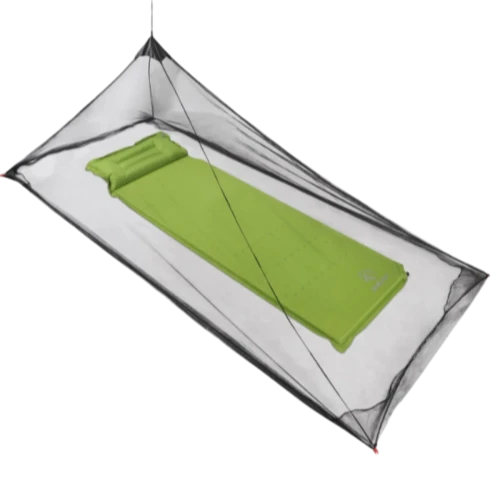
Nets come in rectangular, conical, and wedge shapes to fit different sleeping areas, maximizing ease of installation and comfort.
5. Breathability
Since these nets cover sleeping quarters for many hours, the fabric must allow airflow to keep the user comfortable even in hot, humid climates.
6. Scalability & Cost
For governments and NGOs distributing nets at scale, cost per unit and ability to deploy quickly can make or break public health campaigns.
Mini takeaway: A good mosquito net blends function with usability — it’s a finely calibrated piece of woven science.
How Good Mosquito Nets Make a Difference Globally
From rural villages in Kenya to urban slums in India, a good mosquito net is frontline defense. Major humanitarian organizations like the UN’s UNICEF and the WHO depend on durable, affordable nets for disease control campaigns. Use cases include:
- Post-disaster relief: Mosquito nets distributed after floods or hurricanes prevent vector outbreaks, critical for people's survival beyond immediate effects.
- Remote industrial sites: Workers far from health services rely on good nets to stay safe during night shifts in malaria-prone regions.
- Refugee camps: Where dense populations and minimal infrastructure make mosquito-borne diseases a pressing concern.
Even homeowners in subtropical regions are adopting treated nets to upgrade personal safety. The trick is picking a net that suits local insect species, climate conditions, and lifestyle.
Good Mosquito Net Specifications at a Glance
| Feature | Typical Specification | Benefit |
|---|---|---|
| Mesh Size | ≤ 1.2 mm hole diameter | Blocks mosquitoes & small insects effectively |
| Material | Polyester or polyethylene fabric | Durable & resistant to UV degradation |
| Insecticide | Pyrethroid-based LLIN treatment | Long-lasting mosquito kill & repellency |
| Weight | Approx. 40–60 g/m² | Light yet strong for portability |
| Shape | Conical, rectangular, wedge | Fits sleeping setups universally |
Leading Mosquito Net Suppliers Compared
| Supplier | Net Type | Insecticide Treatment | Certifications | Price Range (per net) |
|---|---|---|---|---|
| SafeNet Solutions | Polyester LLIN | Yes (Permethrin) | WHO, ISO 9001 | $5.50–$7.00 |
| EcoMesh Global | Biodegradable polyethylene | Yes (Deltamethrin) | OEKO-TEX, WHO | $6.00–$8.00 |
| HealthGuard Nets | Polyester (Ripstop) | Yes (Alpha-cypermethrin) | WHO, FDA | $7.00–$9.00 |
The Advantages and Long-Term Value of a Good Mosquito Net
Let’s be frank: the value of a good mosquito net goes beyond its sticker price. There’s the direct, tangible benefit of disease prevention, which translates to fewer medical expenses and less missed work days. Governments and NGOs can channel saved resources into other vital community programs.
Psychologically, a mosquito net offers peace of mind — sleeping without the anguishing buzz or the skin irritation from bites is, oddly enough, a key part of health. It’s about human dignity, too. A simple net helps people live safer, more comfortable lives. From a sustainability angle, many nets nowadays are designed for multiple years of use and reuse.
Emerging Trends in Mosquito Net Technology
The future is exciting here. Researchers are developing nets embedded with dual-action insecticides that combat insecticide resistance. Biodegradable materials are gaining traction, helping reduce environmental footprints once nets wear out.
Automation matters too: some initiatives use drones for remote net distribution, ensuring areas previously unreachable get protection. Smart packaging with QR codes allows tracking net lifespan and usage data via mobile apps, assisting health agencies in monitoring effectiveness.
Common Challenges and Expert Solutions
Despite innovations, challenges remain. Nets can wear out, lose chemical treatment efficacy, or simply not be used properly. In tropical climates, durability testing reveals UV exposure really degrades these fabrics.
Experts recommend integrating user education with distribution, promoting regular net repairs, and supporting community monitoring programs. New coatings promise longer LLIN effectiveness, and manufacturers are investigating tougher fabric blends without compromising breathability.
FAQ: Practical Questions About Good Mosquito Nets
Q1: How long does insecticide-treated mosquito netting remain effective?
Most long-lasting insecticide-treated nets (LLINs) retain their chemical protection for 3 to 5 years, depending on washing frequency and environmental exposure. Regular inspections ensure timely replacement.
Q2: Can I wash a good mosquito net without losing insecticide?
Yes, but it's best to follow the manufacturer’s instructions. Usually, gentle hand-washing and avoiding harsh detergents help preserve insecticide effectiveness.
Q3: What shapes of mosquito nets are easiest to install indoors?
Rectangular nets fit standard beds and are stable when hung from multiple points. Conical nets are easier to set up in single-hook spaces but may offer less coverage area.
Q4: Are biodegradable mosquito nets as durable as conventional ones?
Biodegradable nets are improving but typically have shorter lifespans due to material degradation. They’re ideal where environmental disposal is a priority and frequent replacement is viable.
Q5: How can NGOs import reliable mosquito nets internationally?
Working with WHO-prequalified suppliers and adhering to import regulations ensures quality and compliance. Partnering with established distributors speeds up customs clearance and deployment.
Bringing It All Together: Why Invest in a Good Mosquito Net?
Choosing the right mosquito net is an investment in health, dignity, and a brighter future, especially for vulnerable communities facing mosquito-borne illnesses. When buying or distributing nets, considering durability, treatment, and practicality ensures maximum impact.
Whether you’re a health worker, supplier, or conscious homeowner, a good mosquito net is a wise choice that pays dividends by protecting lives.
For more expert advice and product options, visit our website — because good nets make good sense.
References

Latest news
-
Best Guide to Choose a Screen Door for Sliding Door for Your Home
NewsApr.16,2026 -
The Ultimate Guide to Choosing a screen door for a sliding door
NewsApr.09,2026 -
Choosing the Perfect Patio Sliding Screen Door for Your Home
NewsApr.07,2026 -
Choosing the Best Patio Screen Door with Frame for Your Home and Lifestyle
NewsApr.04,2026 -
Comprehensive Guide to Net Sliding Door Price Factors and Options
NewsMar.31,2026 -
Enhance Your Outdoor Space with a Durable Net Sliding Door for Balcony
NewsMar.28,2026 -
Discover the Benefits of Net Door Sliding Systems for Modern Homes
NewsMar.26,2026