

Dec . 01, 2025 23:10 Back to list
Comprehensive Guide to Mosquito Foldable Bed Covers: Protection, Portability & Innovation
What Exactly Is a Mosquito Foldable Bed Cover, and Why Should You Care?
If you’ve ever been on a camping trip or stayed in a malaria-prone region, you might have encountered a mosquito net or cover. But a mosquito foldable bed cover is a bit of a next-level solution. It's a specialized mesh layer designed to fold compactly, protecting sleepers from mosquito bites and the diseases those pesky insects transmit. In a world where mosquito-borne illnesses like malaria and dengue fever still impact millions annually, these foldable covers aren’t just camping accessories — they’re life-saving implements with global relevance.
Understanding these covers isn’t just about staying bite-free; it’s about appreciating innovative design that tackles a pressing health challenge. They combine portability, ease of use, and efficiency into one product. For humanitarian organizations, global health programs, or even adventurous travelers, knowledge around mosquito foldable bed covers opens doors to smarter, safer sleeping solutions.
The Global Challenge Mosquito Foldable Bed Covers Try to Solve
To put things into context, the World Health Organization estimates that malaria caused approximately 625,000 deaths in 2021 alone, predominantly in sub-Saharan Africa and parts of Asia. Mosquito nets have been a frontline defense for decades, but traditional nets often come with challenges: they can be bulky, hard to set up, or insufficiently durable for field conditions. Here’s where foldable bed covers shine.
As the world urbanizes but still faces outbreaks of mosquito-borne diseases, affordable and portable solutions are desperately needed. Humanitarian crises, economic displacement, and climate change all contribute to shifting mosquito habitats. So when organizations consider distributing mosquito nets, the ease of transport and quick deployment become critical. A foldable bed cover offers just that — a compact but robust shield that’s user-friendly and protective.
Mini takeaway:
Mosquito foldable bed covers are not just convenient gear; they’re important tools in the global fight against mosquito-borne diseases. They solve practical barriers that traditional nets face, making protection more accessible worldwide.
Defining the Mosquito Foldable Bed Cover
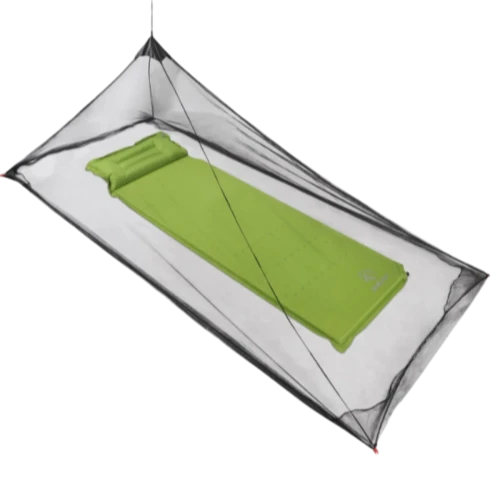
Simply put, a mosquito foldable bed cover is a lightweight, retractable netting system designed to cover beds or sleeping mats, forming a barrier against mosquitoes while allowing air circulation. Unlike conventional nets that need complex setup or frames, these covers usually fold flat or compress easily, often with built-in metal rings or flexible frames to maintain shape once deployed.
Their design aligns well with modern humanitarian logistics — they’re easy to ship, distribute, and educate end-users on. When you see them in action in refugee camps or disaster zones, their functional simplicity is eye-opening. Plus, these covers often incorporate insecticide-treated fabric, enhancing their protective capabilities.
Core Components of a Mosquito Foldable Bed Cover
1. Durable Mesh Fabric
The mesh itself needs a fine weave (usually around 150–200 holes per square inch) to prevent even small mosquitoes from passing through. Using polyester or nylon with insecticide treatment extends lifespan while maintaining breathability.
2. Foldability & Frame Mechanism
The practical magic lies in how the cover folds. Many designs utilize spring-steel rings or flexible frames allowing the cover to collapse into a disc for storage — think of it as the tent poles upscaled to smaller-scale use.
3. Size & Coverage
Standard covers often target single or double beds, but some designs scale up for larger beds or shared sleeping mats. The dimensions matter since mosquitoes can dodge gaps easily.
4. Insecticide Treatment
WHO recommends insecticide-treated nets (ITNs) for enhanced efficacy. Many foldable covers incorporate long-lasting treatments like permethrin, offering protection beyond just a physical barrier.
5. Portability & Weight
Ideally, a mosquito foldable bed cover weighs less than 500 grams and folds into a 30 cm diameter disc or smaller — essential for transport in aid kits or personal backpacks.
Mini takeaway:
Combine fine mesh, smart folding tech, and insecticide treatment, and you get a foldable bed cover optimized for protection, convenience, and longevity.
Global Applications & Who Benefits Most?
These covers are found worldwide, from African health initiatives to Southeast Asian rural clinics, and among outdoor enthusiasts in developed countries. Some key use cases include:
- Post-disaster relief: After floods or displacement, folds of these covers quickly equip shelters against mosquito exposure.
- Refugee camps: NGOs distribute them en masse, often integrated with bed kits for efficiency.
- Remote industrial zones: Workers in malaria zones use foldable covers to maintain safe resting conditions.
- Outdoor camping and travel: Lightweight travelers appreciate the ease of setup and foldability, eliminating the need for bulky tents.
Oddly enough, these covers sometimes find their way into urban health efforts, especially in cramped housing where window screens aren’t feasible or in temporary medical wards.
Product Specification Table for a Popular Mosquito Foldable Bed Cover
| Feature | Specification |
|---|---|
| Material | Polyester mesh with permethrin treatment |
| Mesh Size | 180 holes per square inch |
| Frame Type | Spring steel flexible rings |
| Folded Dimensions | 30 cm diameter disc |
| Weight | 450 grams |
| Coverage Area | Single bed (200 x 90 cm) |
| Color | White |
| Insecticide Lifespan | Up to 6 months with proper care |
Comparing Top Vendors of Mosquito Foldable Bed Covers
| Vendor | Price per unit | Insecticide Treatment | Delivery Time | Customization Options |
|---|---|---|---|---|
| SafeNet Inc. | $15 | Permethrin | 2 weeks | Color, size |
| MosquiShield | $18 | Deltamethrin | 1 week | Logo printing |
| EcoBarrier Solutions | $20 | Non-treated (eco-friendly) | 3 weeks | Sizes and fabrics |
Advantages & Long-Term Value of Mosquito Foldable Bed Covers
The benefits of these covers cascade from practical use into bigger domains. On a cost level, they reduce hospital stays and medical treatments by preventing bites in the first place. Socially, they bring dignity and comfort to displaced families who might otherwise face restless nights. Many users report the psychological relief of ‘safe sleep’ in high-risk zones — not just physical protection.
Their durability and insecticide lifespan offer a multi-season solution. Plus, portability means emergency responders can stock and deploy kits quickly, sometimes saving lives in crisis moments. From an environmental lens, many products now use biodegradable fabrics and low-impact insecticides, aligning with sustainable development goals.
Mini takeaway:
Mosquito foldable bed covers blend economical, social, and emotional gains that ripple beyond mere mosquito control — they’re a small investment with big return.
What the Future Holds for Mosquito Foldable Bed Covers
Innovations keep rolling in, from nanofiber meshes that repel insects without chemicals, to embedded sensors monitoring air quality or insect activity around beds. In some projects, IoT-enabled foldable covers can alert users if holes or tears emerge — an odd marriage of traditional protection and digital age smart tech.
Sustainability is driving material advances too. There’s a growing push for recycled polymers, plant-based materials, and insecticides that degrade safely after weeks. Some organizations are exploring solar-powered fans integrated into foldable covers to create gentle air currents that thwart mosquito approach while keeping sleepers cool.
Common Hurdles and How the Industry Is Tackling Them
Of course, not everything is perfect. Foldable covers can fall victim to tears during rough handling, insecticides may lose potency if washed improperly, and sometimes users find setup tricky despite promises of simplicity. That last bit is important — a product that’s hard to use often gets neglected.
Experts suggest enhanced user education and community training as part of distribution. Manufacturers are focusing on tougher fabrics and color-coding for installation steps. Plus, modular replacements (like snap-on frames or patches) extend lifespan and reduce waste. It’s a blend of tech and outreach working hand-in-hand.
FAQ: Practical Answers About Mosquito Foldable Bed Covers
Q: How does a foldable bed cover differ from a traditional mosquito net?
A: Unlike traditional nets that require hanging or tent-like setups, foldable bed covers collapse into compact discs with integrated frames, allowing quick deployment directly over beds. They’re designed for ease of transport and installation, making them ideal for emergency or mobile use.
Q: How long does the insecticide treatment last on these covers?
A: Typically, insecticide treatments like permethrin remain effective for up to 6 months with proper care, which includes gentle washing and avoiding direct sunlight exposure. After that, re-treatment or replacement may be necessary for optimal protection.
Q: Can mosquito foldable bed covers be customized for larger beds or multiple sleepers?
A: Absolutely. Many vendors offer larger dimensions or modular designs that can cover double beds or even hammocks. Custom sizing helps ensure full coverage without gaps that mosquitoes can exploit.
Q: Are these covers reusable and easy to clean?
A: Yes, most are reusable and washable, but care instructions must be followed to maintain insecticide efficacy and fabric integrity. Hand washing with mild detergent and air drying is recommended.
Q: How do humanitarian organizations procure mosquito foldable bed covers internationally?
A: NGOs typically work with certified vendors who comply with WHO insecticide standards and offer bulk shipping solutions. International procurement can involve importation licenses and coordination with customs, but dedicated suppliers often streamline this process.
Conclusion: Long-Term Value & Where to Learn More
A mosquito foldable bed cover isn’t merely a sleeping accessory — it’s a fusion of thoughtful design, health protection, and global impact. Its portability and practicality mean that in the most vulnerable zones of the world, simple barriers can become powerful tools against debilitating diseases.
If you’re curious about bringing these solutions into your operations, travel kit, or humanitarian aid portfolio, don’t hesitate. Visit our site for more information and to explore quality products like our own mosquito foldable bed cover.
References
Latest news
-
Best Guide to Choose a Screen Door for Sliding Door for Your Home
NewsApr.16,2026 -
The Ultimate Guide to Choosing a screen door for a sliding door
NewsApr.09,2026 -
Choosing the Perfect Patio Sliding Screen Door for Your Home
NewsApr.07,2026 -
Choosing the Best Patio Screen Door with Frame for Your Home and Lifestyle
NewsApr.04,2026 -
Comprehensive Guide to Net Sliding Door Price Factors and Options
NewsMar.31,2026 -
Enhance Your Outdoor Space with a Durable Net Sliding Door for Balcony
NewsMar.28,2026 -
Discover the Benefits of Net Door Sliding Systems for Modern Homes
NewsMar.26,2026